

Frostings, chocolate, creamy, ready-to-eat
Whole food · Sweets
This is a rich, velvety, ready-to-spread chocolate frosting, typically made from a base of sugar, vegetable shortening or butter, cocoa powder, and milk. It delivers an intensely sweet, fudgy chocolate flavor with a smooth, creamy, and spreadable texture that holds its shape well. Nutritionally, it is a concentrated source of energy, with over 60% of its calories coming from carbohydrates, primarily added sugars.
Calorie split: 1% protein · 61% carbs · 38% fat
↓ Full nutrition💚 Why it's loved
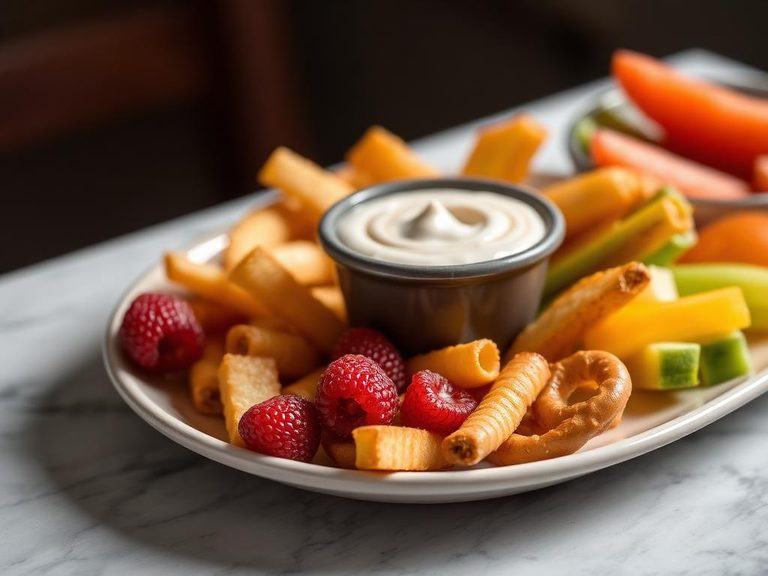
People love it for its pure, indulgent chocolate sweetness and the instant transformation it brings to simple cakes, cupcakes, and cookies. Its versatility as a dip, filling, or topping makes it a staple for home bakers and a nostalgic treat associated with celebrations.
⚠️ Watch-outs & how to enjoy it better
Its high sugar content can cause rapid blood-sugar spikes, and it often contains saturated fats from shortening or palm oil. Those monitoring blood sugar or calorie intake should use strict portion control, pairing it with a protein-rich food like nuts or Greek yogurt to slow sugar absorption. It may also contain common allergens like soy lecithin or dairy derivatives.
Key benefits
- Provides a quick source of energy from carbohydrates.
- Enhances the flavor and appeal of baked goods.
- Convenient, ready-to-use format saves preparation time.
- A small amount can significantly elevate a dessert's richness.
🍽️ Popular dishes
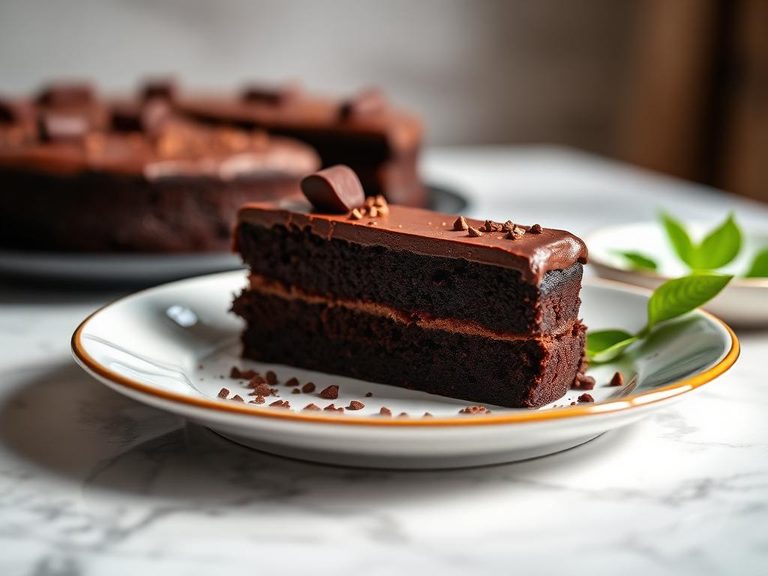

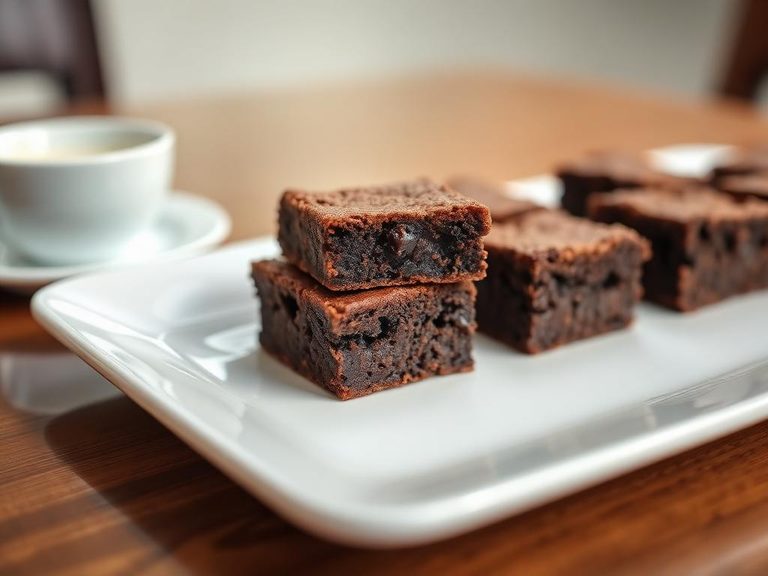
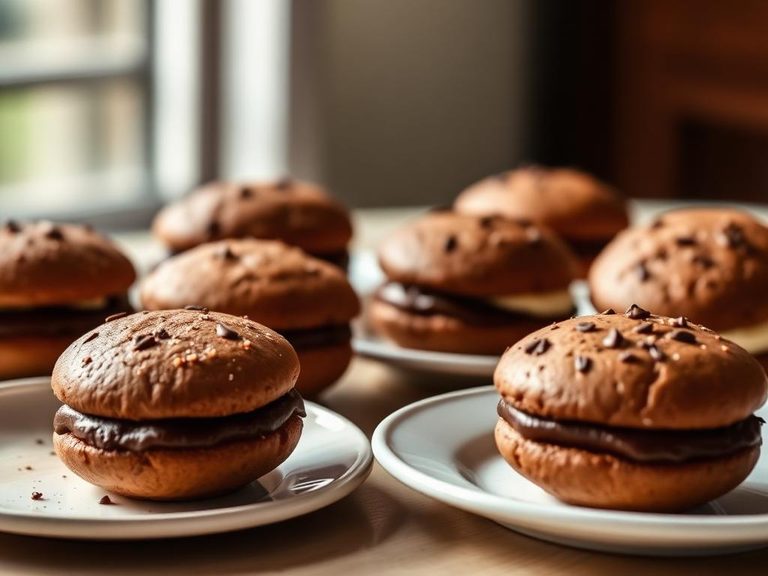
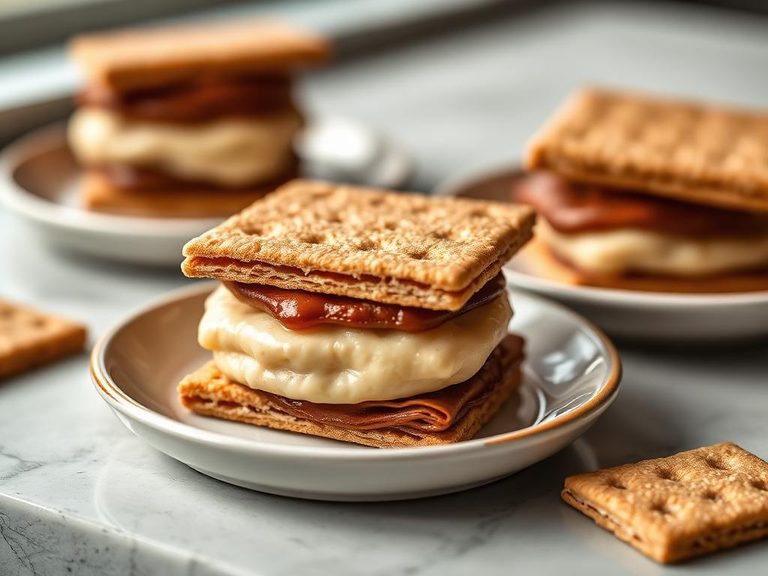
🌍 Where it's eaten
💡 Did you know?
The smooth, spreadable texture of modern creamy frostings is largely due to the invention of hydrogenated vegetable shortening in the early 20th century, which replaced lard and butter for a more stable, less temperature-sensitive product.
Full nutrition (USDA data · scales with serving)
| Water | 17.0 g |
| Energy | 397 kcal |
| Energy | 1661 kj |
| Protein | 1.1 g |
| Total lipid (fat) | 17.6 g |
| Ash | 1.0 g |
| Carbohydrate, by difference | 63.2 g |
| Fiber, total dietary | 0.90 g |
| Total Sugars | 57.7 g |
| Calcium, Ca | 8.0 mg |
| Iron, Fe | 1.4 mg |
| Magnesium, Mg | 21.0 mg |
| Phosphorus, P | 79.0 mg |
| Potassium, K | 196 mg |
| Sodium, Na | 183 mg |
| Zinc, Zn | 0.29 mg |
| Copper, Cu | 0.20 mg |
| Manganese, Mn | 0.24 mg |
| Selenium, Se | 0.80 ug |
| Vitamin C, total ascorbic acid | 0.00 mg |
| Thiamin | 0.01 mg |
| Riboflavin | 0.02 mg |
| Niacin | 0.12 mg |
| Pantothenic acid | 0.03 mg |
| Vitamin B-6 | 0.01 mg |
| Folate, total | 1.0 ug |
| Folic acid | 0.00 ug |
| Folate, food | 1.0 ug |
| Folate, DFE | 1.0 ug |
| Choline, total | 6.9 mg |
| Vitamin B-12 | 0.00 ug |
| Vitamin B-12, added | 0.00 ug |
| Vitamin A, RAE | 0.00 ug |
| Retinol | 0.00 ug |
| Carotene, beta | 0.00 ug |
| Carotene, alpha | 0.00 ug |
| Cryptoxanthin, beta | 0.00 ug |
| Vitamin A, IU | 1.0 iu |
| Lycopene | 0.00 ug |
| Lutein + zeaxanthin | 0.00 ug |
| Vitamin E (alpha-tocopherol) | 1.6 mg |
| Vitamin E, added | 0.00 mg |
| Tocopherol, beta | 0.06 mg |
| Tocopherol, gamma | 7.3 mg |
| Tocopherol, delta | 1.8 mg |
| Tocotrienol, alpha | 0.00 mg |
| Tocotrienol, beta | 0.00 mg |
| Tocotrienol, gamma | 0.00 mg |
| Tocotrienol, delta | 0.00 mg |
| Vitamin D (D2 + D3), International Units | 0.00 iu |
| Vitamin D (D2 + D3) | 0.00 ug |
| Vitamin K (phylloquinone) | 0.00 ug |
| Alcohol, ethyl | 0.00 g |
| Caffeine | 2.0 mg |
| Theobromine | 79.0 mg |
Fat & fatty acid profile (per 100g)
| Fatty acids, total saturated | 5.5 g |
| SFA 4:0 | 0.00 g |
| SFA 6:0 | 0.00 g |
| SFA 8:0 | 0.00 g |
| SFA 10:0 | 0.00 g |
| SFA 12:0 | 0.00 g |
| SFA 14:0 | 0.10 g |
| SFA 16:0 | 2.4 g |
| SFA 18:0 | 3.1 g |
| Fatty acids, total monounsaturated | 9.0 g |
| MUFA 16:1 | 0.00 g |
| MUFA 18:1 | 9.0 g |
| MUFA 20:1 | 0.00 g |
| MUFA 22:1 | 0.00 g |
| Fatty acids, total polyunsaturated | 2.2 g |
| PUFA 18:2 | 2.1 g |
| PUFA 18:3 | 0.10 g |
| PUFA 18:4 | 0.00 g |
| PUFA 20:4 | 0.00 g |
| PUFA 20:5 n-3 (EPA) | 0.00 g |
| PUFA 22:5 n-3 (DPA) | 0.00 g |
| PUFA 22:6 n-3 (DHA) | 0.00 g |
| Cholesterol | 0.00 mg |
| Phytosterols | 34.0 mg |
Amino acid profile (per 100g)
| Tryptophan | 0.02 g |
| Threonine | 0.04 g |
| Isoleucine | 0.04 g |
| Leucine | 0.07 g |
| Lysine | 0.05 g |
| Methionine | 0.01 g |
| Cystine | 0.01 g |
| Phenylalanine | 0.05 g |
| Tyrosine | 0.04 g |
| Valine | 0.07 g |
| Arginine | 0.06 g |
| Histidine | 0.02 g |
| Alanine | 0.05 g |
| Aspartic acid | 0.11 g |
| Glutamic acid | 0.16 g |
| Glycine | 0.05 g |
| Proline | 0.05 g |
| Serine | 0.05 g |
FAQ
What is the difference between frosting and icing?
Frosting is typically thick, fluffy, and spreadable with a spatula, used for coating cakes. Icing is thinner, more liquid, and often poured or drizzled, used for glazing donuts, cookies, or adding decorative details.
Can I make this frosting dairy-free?
Yes, many ready-to-eat frostings are dairy-free, using vegetable shortening and non-dairy milk alternatives. Always check the ingredient list for terms like 'whey,' 'milk,' or 'butter.'
Why does my frosting sometimes separate or become greasy?
This can happen if the frosting gets too warm, causing the fats to melt and separate. Chilling it briefly and then re-whipping can often restore its smooth texture.
Nutrient density (calculated · NRF9.3)
Nutrient Rich Foods index: beneficial nutrients (protein, fiber, vitamins, minerals) minus saturated fat, added sugar & sodium, per 100 kcal.
NRF9.3 index — Fulgoni, Keast & Drewnowski, 2009. Computed from USDA nutrients.
Weight-loss friendliness (composite index)
Energy density 3.97 kcal/g · 1% calories from protein · 0.9 g fiber · 57.7 g sugar per 100 g.
Composite of energy density (Rolls et al., 1999), protein & fiber satiety, minus sugar. A calculated heuristic — ranks satiety-per-calorie, not a clinical measure.
Dietary load (calculated from USDA values)
Potential renal acid load. Positive = acid-forming, negative = alkaline-forming.
Sodium-to-potassium ratio: 0.93 (lower is better — aim for ≤ 1)
Sodium:potassium per WHO potassium guidance. Computed from USDA nutrients.