

Mushrooms, brown, italian, or crimini, exposed to ultraviolet light, raw
Whole food · Vegetables and Vegetable Products

Photo: Wikipedia
These are the familiar, earthy brown cremini mushrooms, specifically treated with UV light to boost their vitamin D content. Their texture is firm and slightly meaty, with a mild, savory flavor that deepens when cooked. A standout nutritional feature is their significantly enhanced vitamin D levels, often providing over 100% of the daily value in a single serving.
Calorie split: 36% protein · 61% carbs · 3% fat
↓ Full nutrition💚 Why it's loved
People love them for their deep umami flavor and satisfying, meaty texture that makes them a fantastic stand-in for meat in many dishes. They are incredibly versatile, absorbing sauces and seasonings beautifully while adding a rich, savory depth to everything from pasta to stir-fries.
⚠️ Watch-outs & how to enjoy it better
Some individuals may experience digestive discomfort like gas or bloating from the mannitol and fiber in mushrooms. To minimize this, start with smaller portions, cook them thoroughly to break down tough fibers, and ensure you chew them well. Those with specific mushroom allergies should avoid them entirely.
Key benefits
- Excellent source of vitamin D (from UV treatment)
- Low in calories and fat
- Good source of selenium and B vitamins like riboflavin
- Contains antioxidants like ergothioneine
- Provides dietary fiber
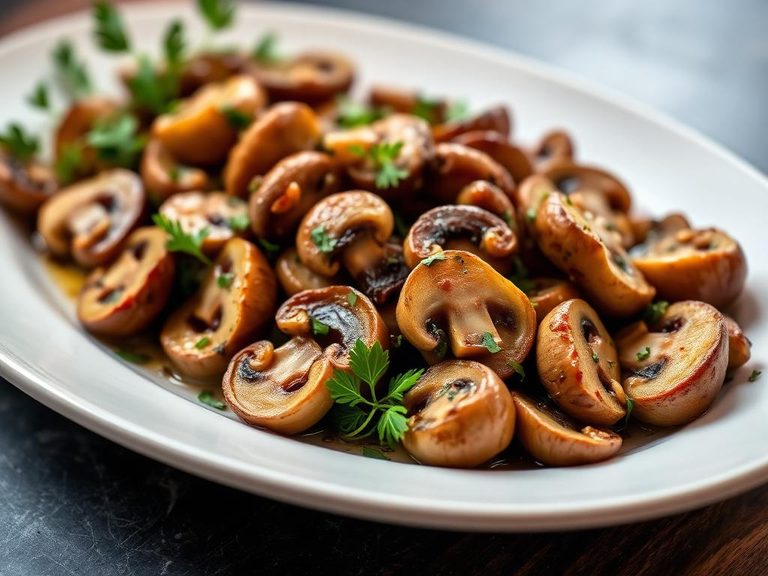
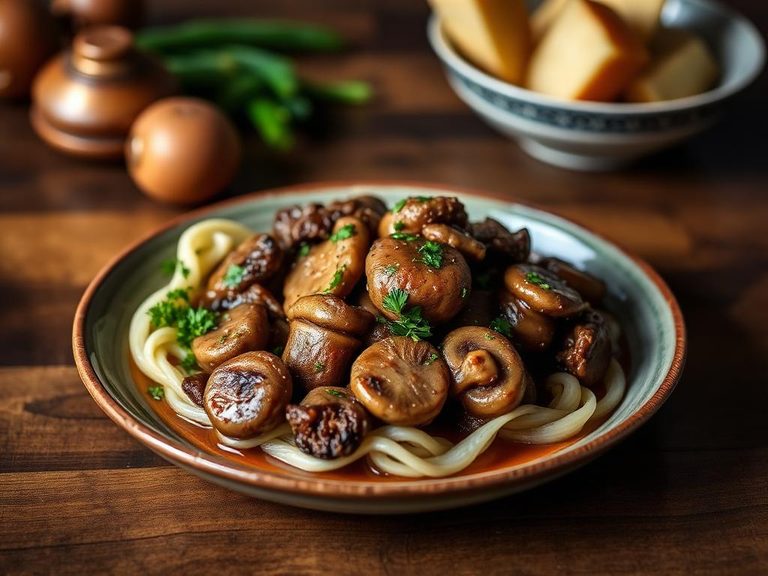
🍽️ Popular dishes
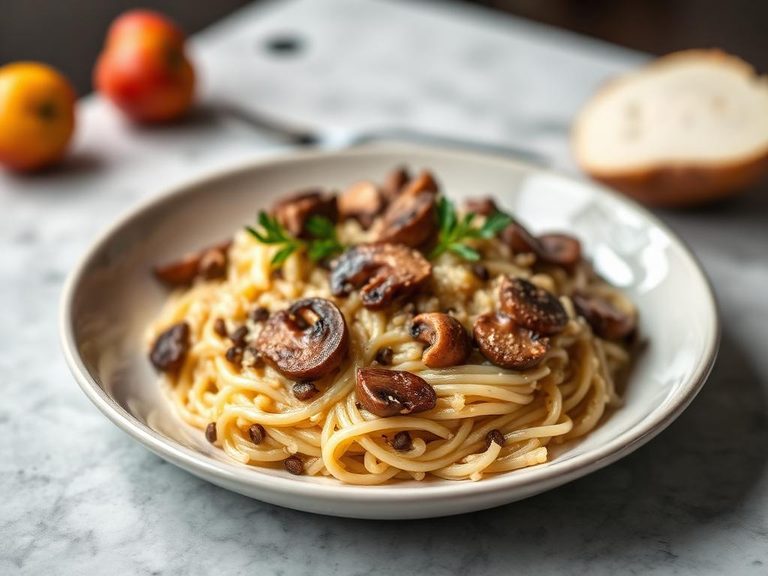
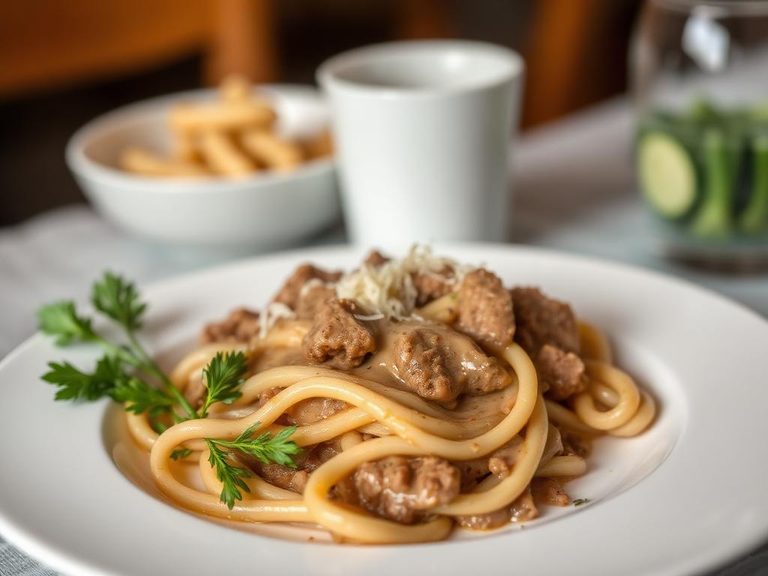
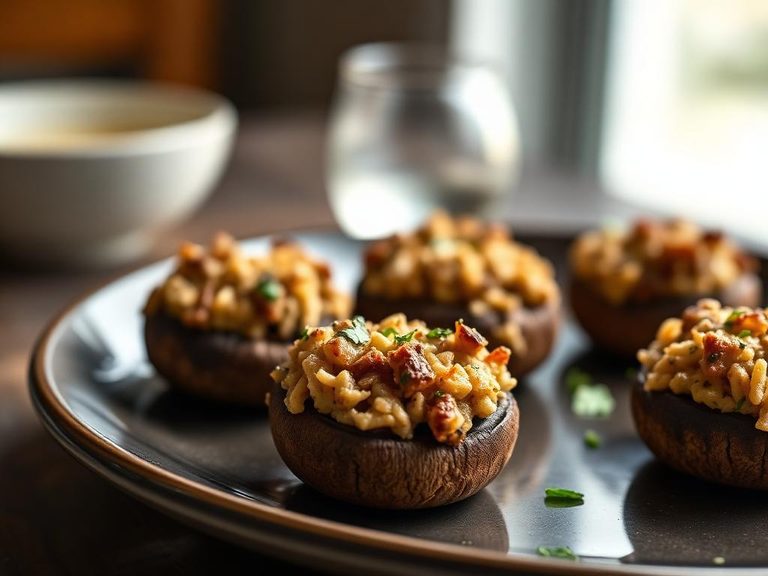
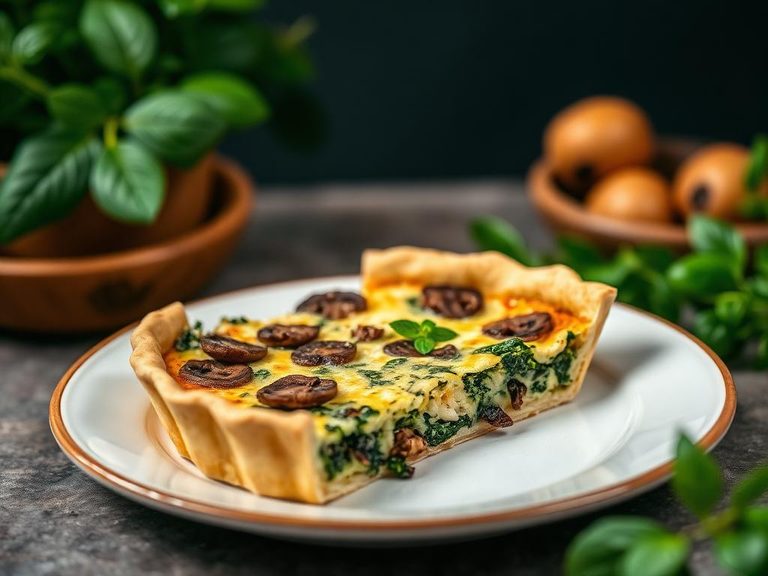
🌍 Where it's eaten
💡 Did you know?
The UV light treatment that boosts their vitamin D is the same process used to make fortified milk, essentially turning the mushroom into a 'sunshine vegetable' that can help combat deficiency.
Full nutrition (USDA data · scales with serving)
| Water | 92.1 g |
| Energy | 22.0 kcal |
| Energy | 94.0 kj |
| Protein | 2.5 g |
| Total lipid (fat) | 0.10 g |
| Ash | 0.98 g |
| Carbohydrate, by difference | 4.3 g |
| Fiber, total dietary | 0.60 g |
| Total Sugars | 1.7 g |
| Calcium, Ca | 18.0 mg |
| Iron, Fe | 0.40 mg |
| Magnesium, Mg | 9.0 mg |
| Phosphorus, P | 120 mg |
| Potassium, K | 448 mg |
| Sodium, Na | 6.0 mg |
| Zinc, Zn | 1.1 mg |
| Copper, Cu | 0.50 mg |
| Manganese, Mn | 0.14 mg |
| Selenium, Se | 26.0 ug |
| Vitamin C, total ascorbic acid | 0.00 mg |
| Thiamin | 0.10 mg |
| Riboflavin | 0.49 mg |
| Niacin | 3.8 mg |
| Pantothenic acid | 1.5 mg |
| Vitamin B-6 | 0.11 mg |
| Folate, total | 28.0 ug |
| Folic acid | 0.00 ug |
| Folate, food | 28.0 ug |
| Folate, DFE | 28.0 ug |
| Choline, total | 22.1 mg |
| Betaine | 11.1 mg |
| Vitamin B-12 | 0.10 ug |
| Vitamin A, RAE | 0.00 ug |
| Retinol | 0.00 ug |
| Carotene, beta | 0.00 ug |
| Carotene, alpha | 0.00 ug |
| Cryptoxanthin, beta | 0.00 ug |
| Vitamin A, IU | 0.00 iu |
| Lycopene | 0.00 ug |
| Lutein + zeaxanthin | 0.00 ug |
| Vitamin E (alpha-tocopherol) | 0.01 mg |
| Tocopherol, beta | 0.00 mg |
| Tocopherol, gamma | 0.00 mg |
| Tocopherol, delta | 0.00 mg |
| Tocotrienol, alpha | 0.01 mg |
| Tocotrienol, beta | 0.00 mg |
| Tocotrienol, gamma | 0.00 mg |
| Tocotrienol, delta | 0.00 mg |
| Vitamin D (D2 + D3), International Units | 1276 iu |
| Vitamin D (D2 + D3) | 31.9 ug |
| Vitamin D2 (ergocalciferol) | 31.9 ug |
| Vitamin K (phylloquinone) | 0.00 ug |
| Vitamin K (Dihydrophylloquinone) | 0.00 ug |
| Vitamin K (Menaquinone-4) | 0.00 ug |
| Alcohol, ethyl | 0.00 g |
| Caffeine | 0.00 mg |
| Theobromine | 0.00 mg |
Fat & fatty acid profile (per 100g)
| Fatty acids, total saturated | 0.01 g |
| SFA 4:0 | 0.00 g |
| SFA 6:0 | 0.00 g |
| SFA 8:0 | 0.00 g |
| SFA 10:0 | 0.00 g |
| SFA 12:0 | 0.00 g |
| SFA 14:0 | 0.00 g |
| SFA 16:0 | 0.01 g |
| SFA 18:0 | 0.00 g |
| Fatty acids, total monounsaturated | 0.00 g |
| MUFA 16:1 | 0.00 g |
| MUFA 18:1 | 0.00 g |
| MUFA 20:1 | 0.00 g |
| MUFA 22:1 | 0.00 g |
| Fatty acids, total polyunsaturated | 0.04 g |
| PUFA 18:2 | 0.04 g |
| PUFA 18:3 | 0.00 g |
| PUFA 18:4 | 0.00 g |
| PUFA 20:4 | 0.00 g |
| PUFA 20:5 n-3 (EPA) | 0.00 g |
| PUFA 22:5 n-3 (DPA) | 0.00 g |
| PUFA 22:6 n-3 (DHA) | 0.00 g |
| Cholesterol | 0.00 mg |
| Stigmasterol | 0.00 mg |
| Campesterol | 2.0 mg |
| Beta-sitosterol | 0.00 mg |
Amino acid profile (per 100g)
Estimated from Mushrooms, portabella, exposed to ultraviolet light, raw — USDA does not publish this profile for Mushrooms.
| Tryptophan | 0.06 g |
| Threonine | 0.11 g |
| Isoleucine | 0.10 g |
| Leucine | 0.15 g |
| Lysine | 0.25 g |
| Methionine | 0.05 g |
| Cystine | 0.01 g |
| Phenylalanine | 0.10 g |
| Tyrosine | 0.05 g |
| Valine | 0.12 g |
| Arginine | 0.12 g |
| Histidine | 0.07 g |
| Alanine | 0.19 g |
| Aspartic acid | 0.23 g |
| Glutamic acid | 0.43 g |
| Glycine | 0.11 g |
| Proline | 0.18 g |
| Serine | 0.13 g |
FAQ
How do UV-treated mushrooms differ from regular cremini mushrooms?
The mushrooms are identical in species and taste. The only difference is a brief exposure to UV-B light post-harvest, which triggers the mushroom to produce vitamin D2, much like human skin does in sunlight.
Do I need to wash these mushrooms before cooking?
It's recommended to gently wipe them clean with a damp paper towel or cloth. Soaking them in water can make them soggy and dilute their flavor, as mushrooms are porous and absorb liquid readily.
Can I get the same vitamin D benefit from regular mushrooms at home?
Yes! You can place store-brown mushrooms, gills up, in direct sunlight for 30-60 minutes. This can significantly increase their vitamin D2 content, similar to the commercial UV treatment.
Nutrient density (calculated · NRF9.3)
Nutrient Rich Foods index: beneficial nutrients (protein, fiber, vitamins, minerals) minus saturated fat, added sugar & sodium, per 100 kcal.
NRF9.3 index — Fulgoni, Keast & Drewnowski, 2009. Computed from USDA nutrients.
Weight-loss friendliness (composite index)
Energy density 0.22 kcal/g · 45% calories from protein · 0.6 g fiber · 1.7 g sugar per 100 g.
Composite of energy density (Rolls et al., 1999), protein & fiber satiety, minus sugar. A calculated heuristic — ranks satiety-per-calorie, not a clinical measure.
Dietary load (calculated from USDA values)
Potential renal acid load. Positive = acid-forming, negative = alkaline-forming.
Sodium-to-potassium ratio: 0.01 (lower is better — aim for ≤ 1)
Sodium:potassium per WHO potassium guidance. Computed from USDA nutrients.