

Mangos, raw
Whole food · Fruits and Fruit Juices
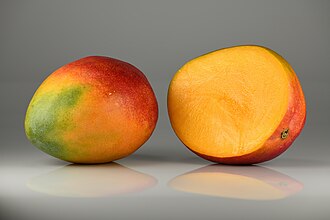
Photo: Wikipedia
The mango is a tropical stone fruit celebrated for its vibrant orange flesh and intoxicatingly sweet, floral aroma. Its texture is luxuriously smooth and buttery when ripe, offering a juicy burst of sunshine in every bite. Nutritionally, it's a standout source of vitamin C and vitamin A, with its natural sugars providing a quick, refreshing energy lift.
Calorie split: 5% protein · 90% carbs · 5% fat
↓ Full nutrition💚 Why it's loved
People adore the mango for its intensely sweet, tropical flavor that perfectly balances notes of peach, pineapple, and citrus. Its incredible versatility allows it to shine in everything from fresh salsas and salads to rich curries, smoothies, and frozen desserts, making it a beloved staple across global cuisines.
⚠️ Watch-outs & how to enjoy it better
Due to its high natural sugar content (about 14g per 100g), ripe mango can cause blood-sugar spikes if eaten in large quantities alone, especially for those managing diabetes. To counteract this, pair it with a source of protein or healthy fat—like a handful of nuts, a dollop of Greek yogurt, or a sprinkle of chili-lime salt—to slow sugar absorption and enhance satiety.
Key benefits
- Excellent source of immune-supporting vitamin C
- Rich in vitamin A for healthy vision and skin
- Provides dietary fiber for digestive health
- Contains antioxidants like mangiferin and beta-carotene
- Naturally hydrating with high water content
🍽️ Popular dishes
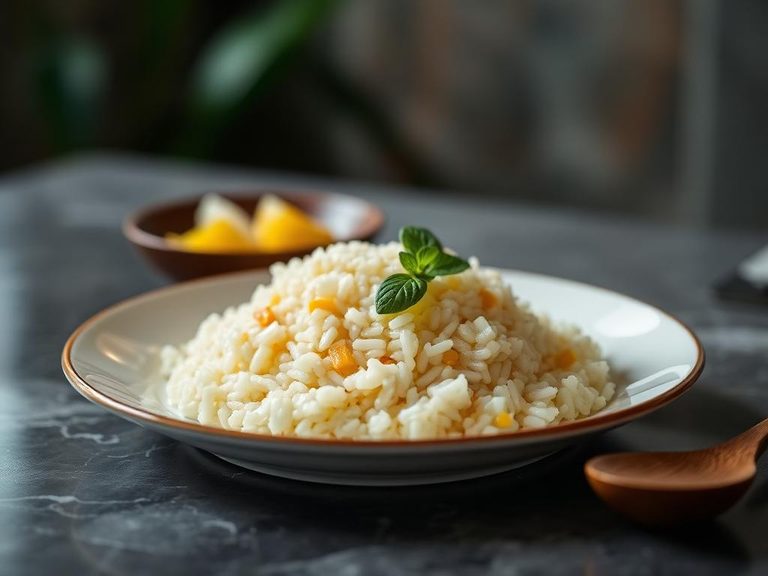
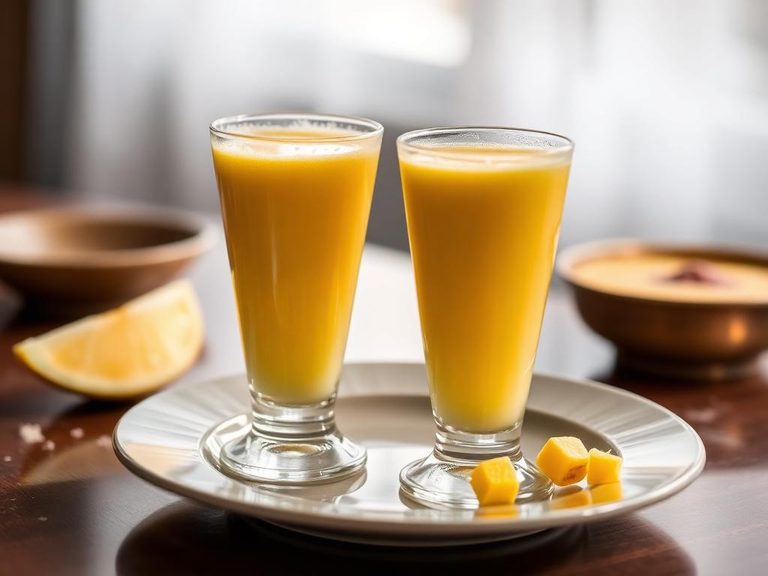
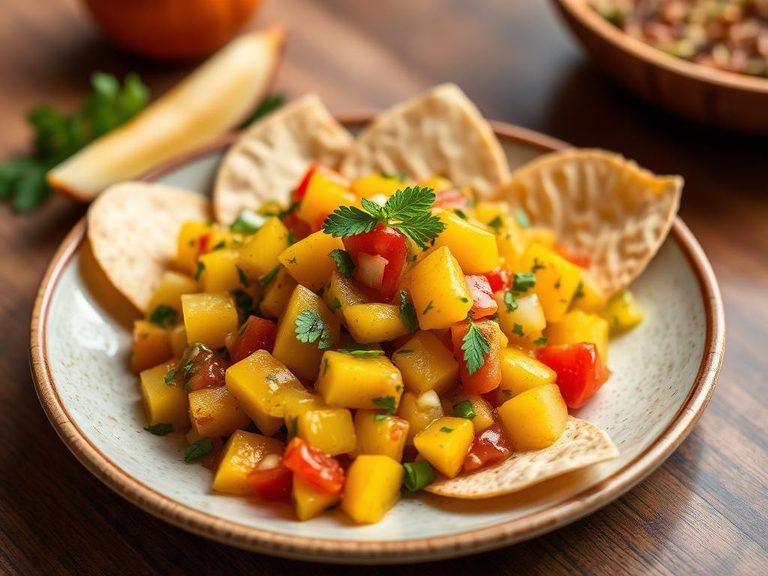
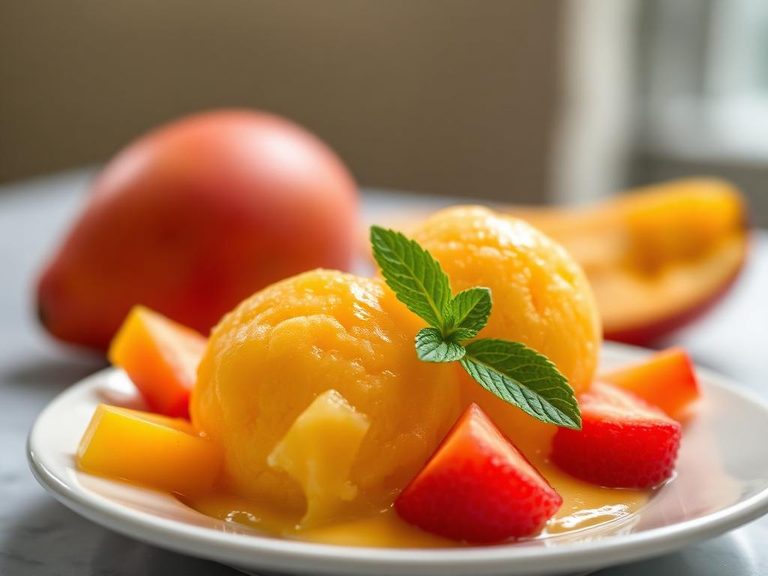
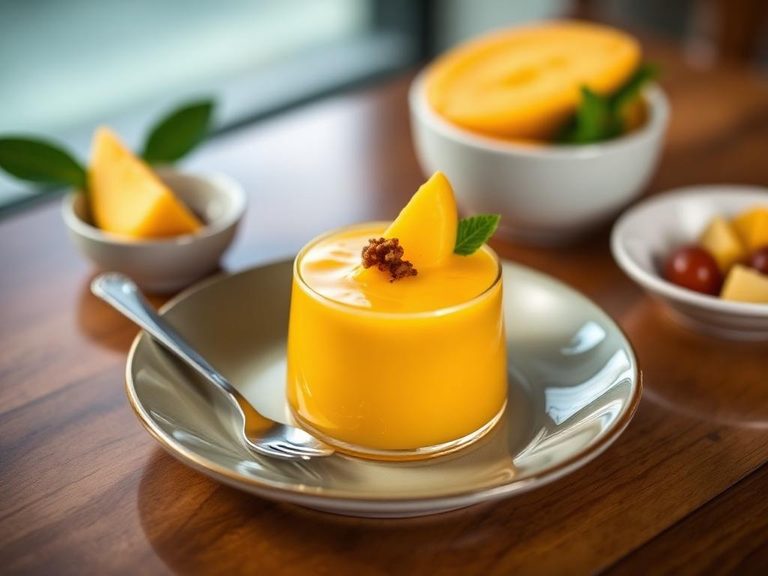
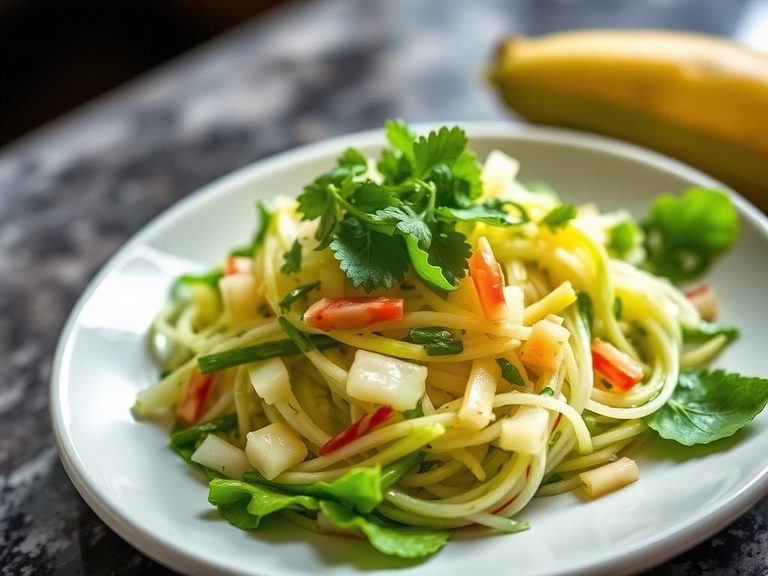
🌍 Where it's eaten
💡 Did you know?
The mango is related to poison ivy; they belong to the same plant family (Anacardiaceae), which is why some people with sensitivity to urushiol may experience a mild skin reaction from the mango's peel or sap.
Full nutrition (USDA data · scales with serving)
| Water | 83.5 g |
| Energy | 60.0 kcal |
| Energy | 250 kj |
| Protein | 0.82 g |
| Total lipid (fat) | 0.38 g |
| Ash | 0.36 g |
| Carbohydrate, by difference | 15.0 g |
| Fiber, total dietary | 1.6 g |
| Total Sugars | 13.7 g |
| Sucrose | 7.0 g |
| Glucose | 2.0 g |
| Fructose | 4.7 g |
| Lactose | 0.00 g |
| Maltose | 0.00 g |
| Galactose | 0.00 g |
| Calcium, Ca | 11.0 mg |
| Iron, Fe | 0.16 mg |
| Magnesium, Mg | 10.0 mg |
| Phosphorus, P | 14.0 mg |
| Potassium, K | 168 mg |
| Sodium, Na | 1.0 mg |
| Zinc, Zn | 0.09 mg |
| Copper, Cu | 0.11 mg |
| Manganese, Mn | 0.06 mg |
| Selenium, Se | 0.60 ug |
| Vitamin C, total ascorbic acid | 36.4 mg |
| Thiamin | 0.03 mg |
| Riboflavin | 0.04 mg |
| Niacin | 0.67 mg |
| Pantothenic acid | 0.20 mg |
| Vitamin B-6 | 0.12 mg |
| Folate, total | 43.0 ug |
| Folic acid | 0.00 ug |
| Folate, food | 43.0 ug |
| Folate, DFE | 43.0 ug |
| Choline, total | 7.6 mg |
| Vitamin B-12 | 0.00 ug |
| Vitamin B-12, added | 0.00 ug |
| Vitamin A, RAE | 54.0 ug |
| Retinol | 0.00 ug |
| Carotene, beta | 640 ug |
| Carotene, alpha | 9.0 ug |
| Cryptoxanthin, beta | 10.0 ug |
| Vitamin A, IU | 1082 iu |
| Lycopene | 3.0 ug |
| Lutein + zeaxanthin | 23.0 ug |
| Vitamin E (alpha-tocopherol) | 0.90 mg |
| Vitamin E, added | 0.00 mg |
| Tocopherol, beta | 0.01 mg |
| Tocopherol, gamma | 0.01 mg |
| Tocopherol, delta | 0.00 mg |
| Tocotrienol, alpha | 0.03 mg |
| Tocotrienol, beta | 0.01 mg |
| Tocotrienol, gamma | 0.00 mg |
| Tocotrienol, delta | 0.00 mg |
| Vitamin D (D2 + D3), International Units | 0.00 iu |
| Vitamin D (D2 + D3) | 0.00 ug |
| Vitamin K (phylloquinone) | 4.2 ug |
| Alcohol, ethyl | 0.00 g |
| Caffeine | 0.00 mg |
| Theobromine | 0.00 mg |
Fat & fatty acid profile (per 100g)
| Fatty acids, total saturated | 0.09 g |
| SFA 4:0 | 0.00 g |
| SFA 6:0 | 0.00 g |
| SFA 8:0 | 0.00 g |
| SFA 10:0 | 0.00 g |
| SFA 12:0 | 0.00 g |
| SFA 14:0 | 0.01 g |
| SFA 16:0 | 0.07 g |
| SFA 18:0 | 0.00 g |
| Fatty acids, total monounsaturated | 0.14 g |
| MUFA 16:1 | 0.07 g |
| MUFA 18:1 | 0.07 g |
| MUFA 20:1 | 0.00 g |
| MUFA 22:1 | 0.00 g |
| Fatty acids, total polyunsaturated | 0.07 g |
| PUFA 18:2 | 0.02 g |
| PUFA 18:3 | 0.05 g |
| PUFA 18:4 | 0.00 g |
| PUFA 20:4 | 0.00 g |
| PUFA 20:5 n-3 (EPA) | 0.00 g |
| PUFA 22:5 n-3 (DPA) | 0.00 g |
| PUFA 22:6 n-3 (DHA) | 0.00 g |
| Fatty acids, total trans | 0.00 g |
| Cholesterol | 0.00 mg |
Amino acid profile (per 100g)
| Tryptophan | 0.01 g |
| Threonine | 0.03 g |
| Isoleucine | 0.03 g |
| Leucine | 0.05 g |
| Lysine | 0.07 g |
| Methionine | 0.01 g |
| Phenylalanine | 0.03 g |
| Tyrosine | 0.02 g |
| Valine | 0.04 g |
| Arginine | 0.03 g |
| Histidine | 0.02 g |
| Alanine | 0.08 g |
| Aspartic acid | 0.07 g |
| Glutamic acid | 0.10 g |
| Glycine | 0.03 g |
| Proline | 0.03 g |
| Serine | 0.04 g |
FAQ
How do I pick a ripe mango?
Gently squeeze; a ripe mango will give slightly to pressure. It should also have a fruity aroma at the stem end. Color isn't always the best indicator, as some varieties stay green when ripe.
Can I eat mango skin?
While edible, the skin is tough, slightly bitter, and may contain irritating compounds. It's best peeled. If you do eat it, wash it thoroughly first.
Why does my mouth itch after eating mango?
This is likely an allergic reaction to urushiol, the same compound in poison ivy, found in the peel and sap. Peeling the mango carefully and avoiding contact with the skin can help prevent this.
Nutrient density (calculated · NRF9.3)
Nutrient Rich Foods index: beneficial nutrients (protein, fiber, vitamins, minerals) minus saturated fat, added sugar & sodium, per 100 kcal.
NRF9.3 index — Fulgoni, Keast & Drewnowski, 2009. Computed from USDA nutrients.
Weight-loss friendliness (composite index)
Energy density 0.60 kcal/g · 5% calories from protein · 1.6 g fiber · 13.7 g sugar per 100 g.
Composite of energy density (Rolls et al., 1999), protein & fiber satiety, minus sugar. A calculated heuristic — ranks satiety-per-calorie, not a clinical measure.
Dietary load (calculated from USDA values)
Potential renal acid load. Positive = acid-forming, negative = alkaline-forming.
Sodium-to-potassium ratio: 0.01 (lower is better — aim for ≤ 1)
Sodium:potassium per WHO potassium guidance. Computed from USDA nutrients.