

Beef, top loin filet, boneless, separable lean and fat, trimmed to 1/8" fat, all grades, cooked, grilled
Whole food · Beef Products
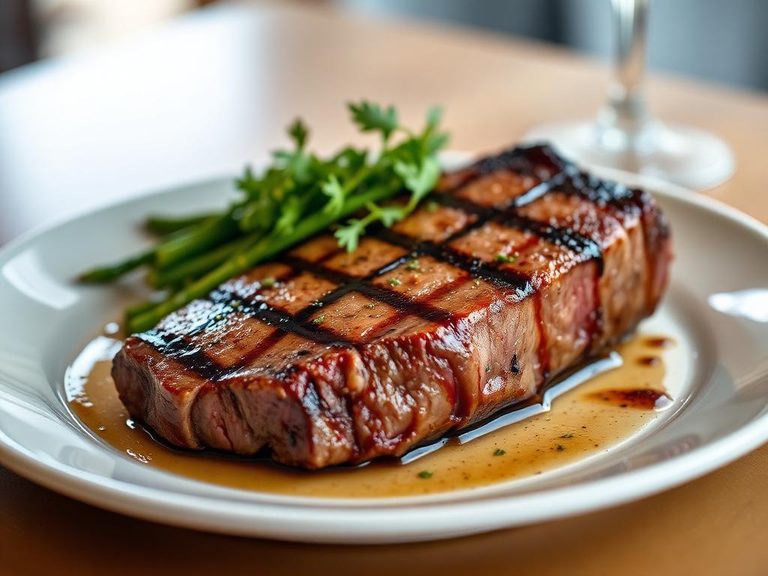
This is a premium cut of beef from the short loin, specifically the boneless top loin (often called a New York strip or sirloin filet), trimmed to a lean 1/8-inch fat cap. When grilled, it develops a beautifully caramelized, savory crust while the interior remains tender, juicy, and beefy with a satisfying, fine-grained chew. Nutritionally, it's a powerhouse of high-quality protein with a significant dose of healthy fats for satiety and flavor.
Calorie split: 46% protein · 1% carbs · 53% fat
↓ Full nutrition💚 Why it's loved
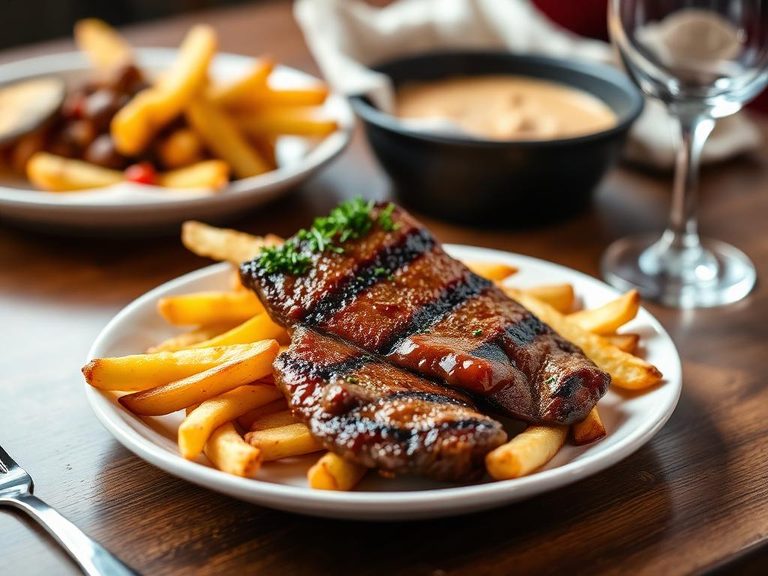
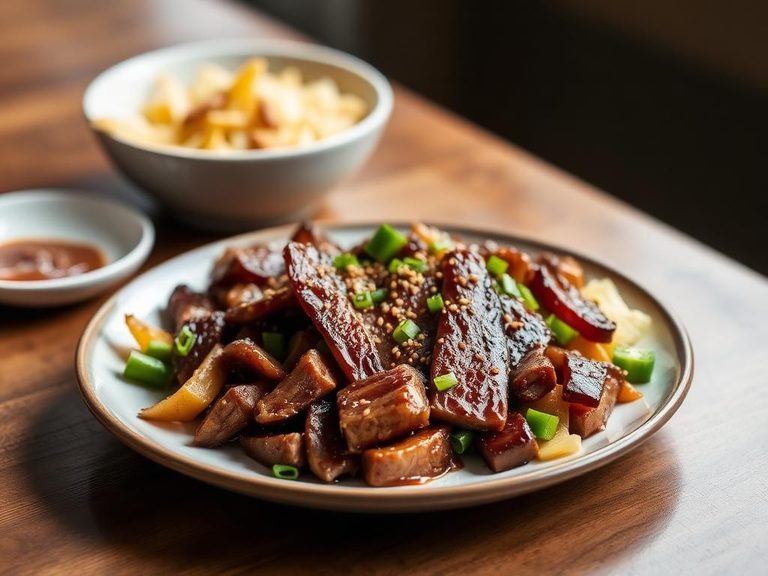
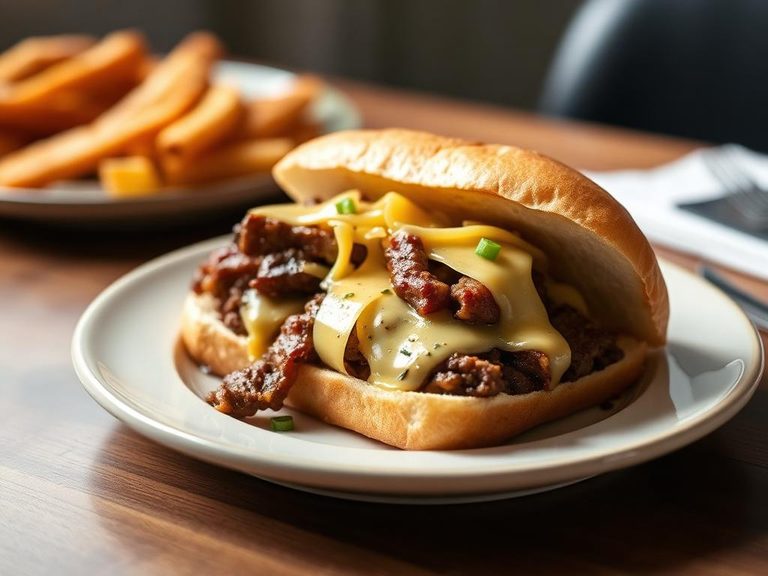
People adore it for its perfect balance of robust, beefy flavor and tender, yet substantial texture that grills beautifully to a perfect medium-rare. Its versatility makes it a star in everything from a simple, elegant steak dinner to sliced atop a salad or in a hearty sandwich.
⚠️ Watch-outs & how to enjoy it better
As a red meat high in saturated fat, it should be consumed in moderation, especially by those monitoring cholesterol or heart health. To counteract this, practice portion control (a 3-4 oz serving is ample) and pair it with fiber-rich vegetables like grilled asparagus or a large salad to balance the meal. Its natural richness can also be offset by a tangy sauce or a squeeze of lemon.
Key benefits
- Excellent source of complete, high-quality protein for muscle maintenance and repair.
- Rich in bioavailable iron (heme iron) to help prevent anemia and support energy levels.
- Provides essential B vitamins, particularly B12 and niacin, crucial for nerve function and metabolism.
- Contains zinc, which is vital for immune system health and wound healing.
- Offers conjugated linoleic acid (CLA), a naturally occurring fatty acid studied for potential health benefits.
🍽️ Popular dishes
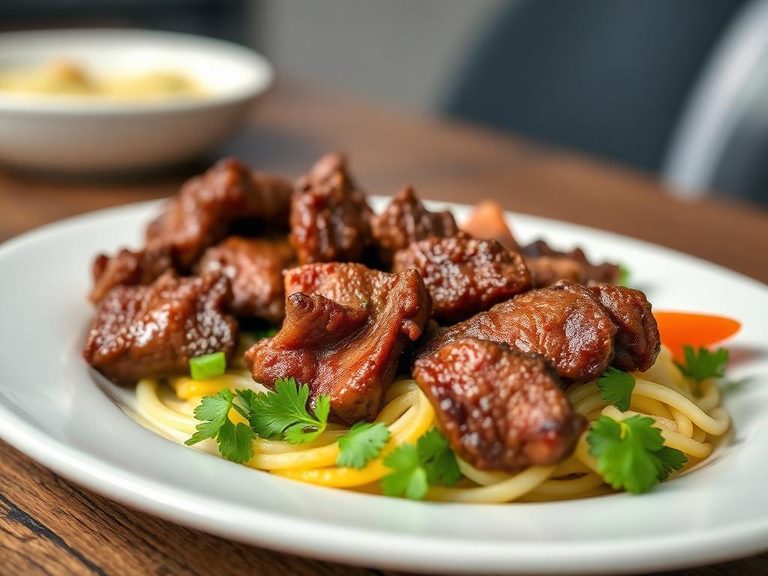
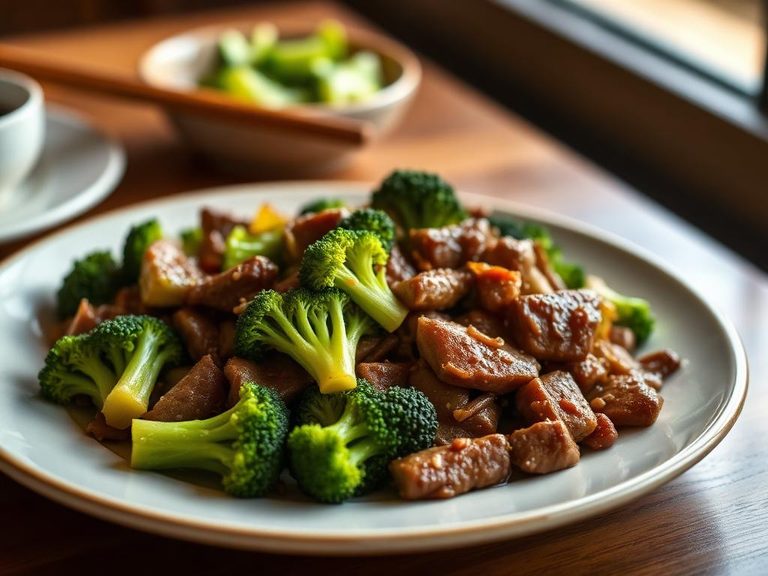
🌍 Where it's eaten
💡 Did you know?
The 'top loin' muscle (longissimus dorsi) is the same muscle that gives us the ribeye steak, but it's much leaner here because it doesn't have the extensive marbling or spinalis muscle cap found in the rib section.
Full nutrition (USDA data · scales with serving)
| Water | 56.8 g |
| Energy | 239 kcal |
| Energy | 1000 kj |
| Protein | 27.4 g |
| Total lipid (fat) | 14.1 g |
| Ash | 1.1 g |
| Carbohydrate, by difference | 0.60 g |
| Fiber, total dietary | 0.00 g |
| Total Sugars | 0.00 g |
| Calcium, Ca | 7.0 mg |
| Iron, Fe | 3.3 mg |
| Magnesium, Mg | 27.0 mg |
| Phosphorus, P | 236 mg |
| Potassium, K | 376 mg |
| Sodium, Na | 93.0 mg |
| Zinc, Zn | 10.4 mg |
| Copper, Cu | 0.17 mg |
| Selenium, Se | 33.9 ug |
| Vitamin C, total ascorbic acid | 0.00 mg |
| Thiamin | 0.08 mg |
| Riboflavin | 0.27 mg |
| Niacin | 4.1 mg |
| Vitamin B-6 | 0.42 mg |
| Folate, total | 7.0 ug |
| Folic acid | 0.00 ug |
| Folate, food | 7.0 ug |
| Folate, DFE | 7.0 ug |
| Vitamin B-12 | 4.0 ug |
| Vitamin B-12, added | 0.00 ug |
| Vitamin A, RAE | 7.0 ug |
| Retinol | 7.0 ug |
| Carotene, beta | 0.00 ug |
| Carotene, alpha | 0.00 ug |
| Cryptoxanthin, beta | 0.00 ug |
| Vitamin A, IU | 24.0 iu |
| Lycopene | 0.00 ug |
| Lutein + zeaxanthin | 0.00 ug |
| Vitamin D (D2 + D3), International Units | 6.0 iu |
| Vitamin D (D2 + D3) | 0.20 ug |
| Vitamin D3 (cholecalciferol) | 0.20 ug |
| Vitamin K (phylloquinone) | 1.6 ug |
| Alcohol, ethyl | 0.00 g |
| Caffeine | 0.00 mg |
| Theobromine | 0.00 mg |
Fat & fatty acid profile (per 100g)
| Fatty acids, total saturated | 4.8 g |
| SFA 4:0 | 0.00 g |
| SFA 6:0 | 0.00 g |
| SFA 8:0 | 0.00 g |
| SFA 10:0 | 0.01 g |
| SFA 12:0 | 0.01 g |
| SFA 14:0 | 0.28 g |
| SFA 16:0 | 2.7 g |
| SFA 17:0 | 0.13 g |
| SFA 18:0 | 1.7 g |
| SFA 20:0 | 0.00 g |
| SFA 24:0 | 0.01 g |
| Fatty acids, total monounsaturated | 6.4 g |
| MUFA 14:1 | 0.10 g |
| MUFA 16:1 | 0.47 g |
| MUFA 17:1 | 0.14 g |
| MUFA 18:1 | 5.6 g |
| MUFA 18:1 c | 4.9 g |
| MUFA 20:1 | 0.02 g |
| MUFA 22:1 | 0.00 g |
| Fatty acids, total polyunsaturated | 0.48 g |
| PUFA 18:2 | 0.40 g |
| PUFA 18:2 n-6 c,c | 0.35 g |
| PUFA 18:2 CLAs | 0.05 g |
| PUFA 18:3 | 0.03 g |
| PUFA 18:3 n-6 c,c,c | 0.03 g |
| PUFA 18:4 | 0.00 g |
| PUFA 20:2 n-6 c,c | 0.00 g |
| PUFA 20:4 | 0.05 g |
| PUFA 20:5 n-3 (EPA) | 0.00 g |
| PUFA 22:5 n-3 (DPA) | 0.01 g |
| PUFA 22:6 n-3 (DHA) | 0.00 g |
| Fatty acids, total trans | 0.70 g |
| Fatty acids, total trans-monoenoic | 0.70 g |
| TFA 18:1 t | 0.70 g |
| Cholesterol | 86.0 mg |
Amino acid profile (per 100g)
| Tryptophan | 0.31 g |
| Threonine | 1.3 g |
| Isoleucine | 1.3 g |
| Leucine | 2.4 g |
| Lysine | 2.6 g |
| Methionine | 0.74 g |
| Cystine | 0.28 g |
| Phenylalanine | 1.1 g |
| Tyrosine | 1.0 g |
| Valine | 1.4 g |
| Arginine | 1.9 g |
| Histidine | 1.0 g |
| Alanine | 1.7 g |
| Aspartic acid | 2.7 g |
| Glutamic acid | 4.5 g |
| Glycine | 1.3 g |
| Proline | 1.2 g |
| Serine | 1.1 g |
| Hydroxyproline | 0.19 g |
FAQ
What's the difference between a top loin filet and a tenderloin filet (filet mignon)?
The top loin (New York strip) comes from the short loin and has more fat and a bolder, beefier flavor with a firmer texture. The tenderloin (filet mignon) is a smaller, more tender muscle from the same area but is much leaner and milder in taste.
How should I cook it for the best results?
Grilling or pan-searing over high heat is ideal to develop a flavorful crust. Let the steak come to room temperature first, season generously, and cook to your desired doneness (medium-rare is recommended to preserve tenderness and juiciness). Always let it rest for 5-10 minutes after cooking.
Is the 1/8-inch fat trim important?
Yes, that specific trim ensures a consistent ratio of lean meat to flavorful fat. It provides enough fat for basting and flavor during cooking without being excessive, resulting in a balanced, less greasy steak that's easier to eat.
Nutrient density (calculated · NRF9.3)
Nutrient Rich Foods index: beneficial nutrients (protein, fiber, vitamins, minerals) minus saturated fat, added sugar & sodium, per 100 kcal.
NRF9.3 index — Fulgoni, Keast & Drewnowski, 2009. Computed from USDA nutrients.
Weight-loss friendliness (composite index)
Energy density 2.39 kcal/g · 46% calories from protein · 0.0 g fiber · 0.0 g sugar per 100 g.
Composite of energy density (Rolls et al., 1999), protein & fiber satiety, minus sugar. A calculated heuristic — ranks satiety-per-calorie, not a clinical measure.
Dietary load (calculated from USDA values)
Potential renal acid load. Positive = acid-forming, negative = alkaline-forming.
Sodium-to-potassium ratio: 0.25 (lower is better — aim for ≤ 1)
Sodium:potassium per WHO potassium guidance. Computed from USDA nutrients.