Rice, white, long-grain, parboiled, enriched, dry
Whole food · Cereal Grains and Pasta

Photo: Wikipedia
Parboiled white rice is a long-grain variety that undergoes a partial boiling process before milling, giving it a distinctive pale-yellow hue and a firm, separate texture when cooked. It boasts a higher protein and fiber content than regular white rice, making it a more nutritious staple. Its flavor is mild and slightly nutty, with grains that remain distinct and fluffy, perfect for absorbing sauces and seasonings.
💚 Why it's loved
People love its reliable, non-sticky texture and subtle nutty flavor that complements a wide range of dishes, from savory curries to simple stir-fries. It's a versatile, neutral canvas that's a cultural staple in many cuisines, symbolizing sustenance and comfort.
⚠️ Watch-outs & how to enjoy it better
Its mild flavor can be seen as bland compared to more aromatic varieties like basmati or jasmine. Due to its carbohydrate content, those monitoring blood sugar should be mindful of portion sizes and pairing it with protein and healthy fats to blunt the glycemic response.
Key benefits
- Higher in protein and fiber than regular white rice.
- Parboiling process helps retain more B vitamins and minerals.
- Lower glycemic index than polished white rice.
- Grains stay separate and fluffy, ideal for pilafs and salads.
- Good source of energy from complex carbohydrates.
🍽️ Popular dishes
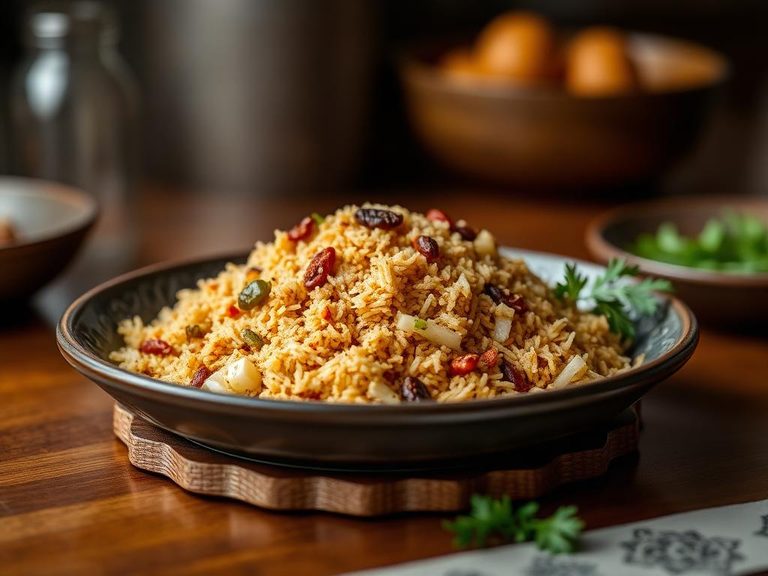
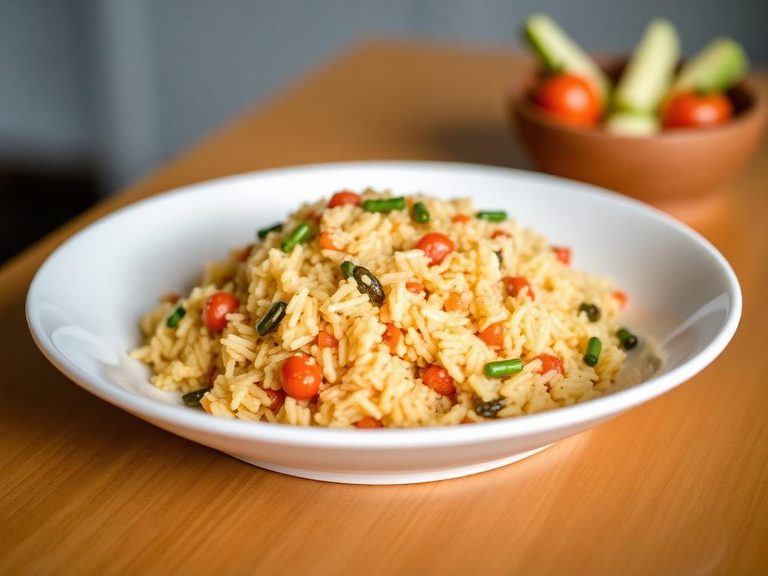
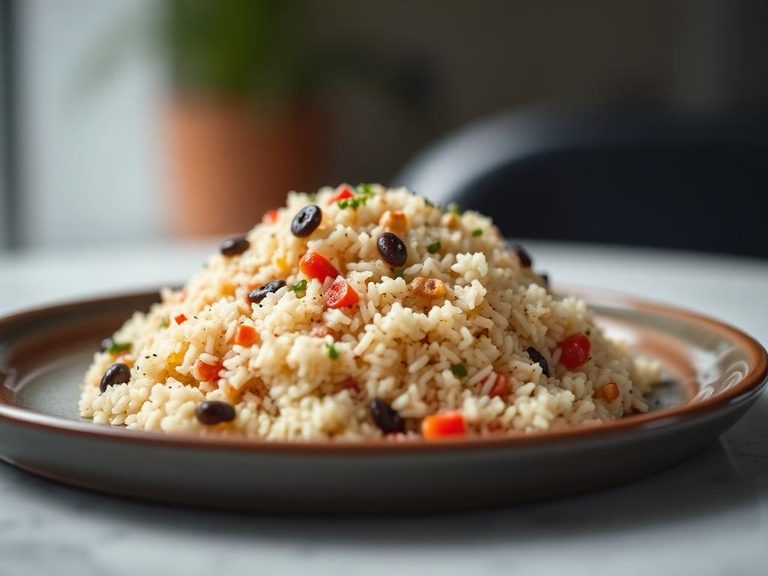
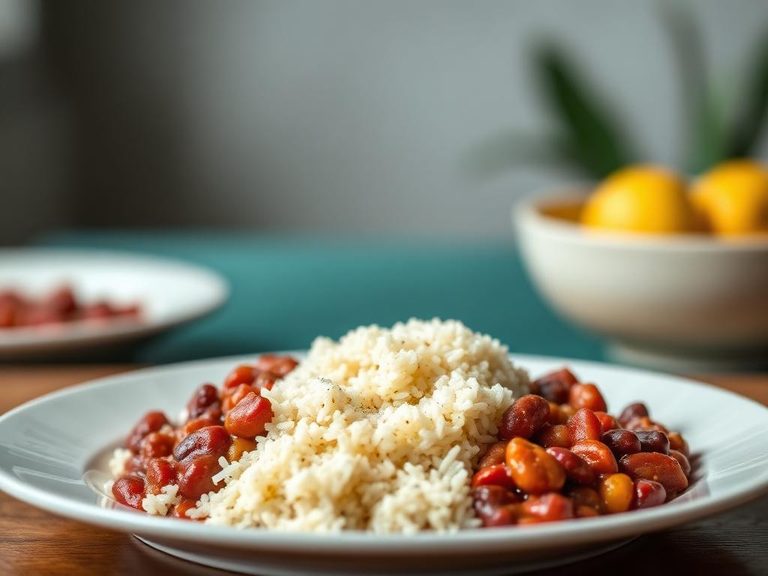
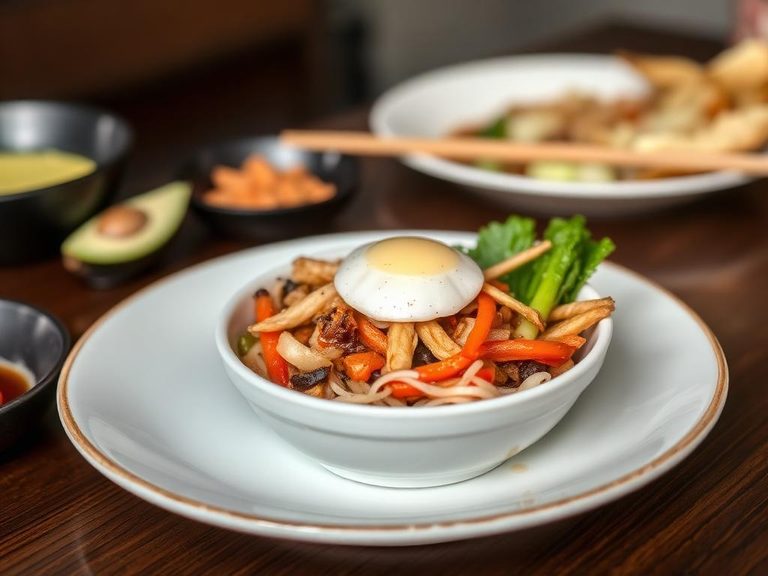
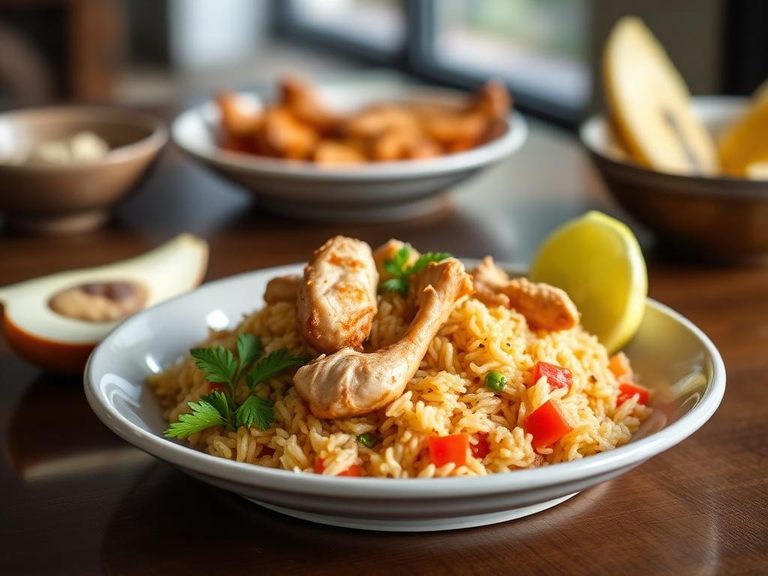
🌍 Where it's eaten
💡 Did you know?
The parboiling process, which involves soaking, steaming, and drying the paddy before milling, was developed to prevent rice from breaking during milling and to improve its nutritional profile by driving nutrients from the bran into the starchy endosperm.
Full nutrition (scales with serving)
| Water | 9.9 g |
| Energy | 374 kcal |
| Energy | 1564 kj |
| Protein | 7.5 g |
| Total lipid (fat) | 1.0 g |
| Ash | 0.71 g |
| Carbohydrate, by difference | 80.9 g |
| Fiber, total dietary | 1.8 g |
| Total Sugars | 0.33 g |
| Sucrose | 0.21 g |
| Glucose | 0.11 g |
| Fructose | 0.02 g |
| Lactose | 0.00 g |
| Maltose | 0.00 g |
| Galactose | 0.00 g |
| Starch | 68.3 g |
| Calcium, Ca | 71.0 mg |
| Iron, Fe | 3.3 mg |
| Magnesium, Mg | 27.0 mg |
| Phosphorus, P | 153 mg |
| Potassium, K | 174 mg |
| Sodium, Na | 2.0 mg |
| Zinc, Zn | 1.0 mg |
| Copper, Cu | 0.28 mg |
| Manganese, Mn | 1.0 mg |
| Selenium, Se | 19.9 ug |
| Vitamin C, total ascorbic acid | 0.00 mg |
| Thiamin | 0.60 mg |
| Riboflavin | 0.05 mg |
| Niacin | 5.0 mg |
| Pantothenic acid | 0.67 mg |
| Vitamin B-6 | 0.45 mg |
| Folate, total | 257 ug |
| Folic acid | 249 ug |
| Folate, food | 8.0 ug |
| Folate, DFE | 431 ug |
| Choline, total | 6.0 mg |
| Vitamin B-12 | 0.00 ug |
| Vitamin B-12, added | 0.00 ug |
| Vitamin A, RAE | 0.00 ug |
| Retinol | 0.00 ug |
| Carotene, beta | 0.00 ug |
| Carotene, alpha | 0.00 ug |
| Cryptoxanthin, beta | 0.00 ug |
| Vitamin A, IU | 0.00 iu |
| Lycopene | 0.00 ug |
| Lutein + zeaxanthin | 0.00 ug |
| Vitamin E (alpha-tocopherol) | 0.03 mg |
| Vitamin E, added | 0.00 mg |
| Tocopherol, beta | 0.02 mg |
| Tocopherol, gamma | 0.17 mg |
| Tocopherol, delta | 0.00 mg |
| Tocotrienol, alpha | 0.05 mg |
| Tocotrienol, beta | 0.00 mg |
| Tocotrienol, gamma | 0.00 mg |
| Tocotrienol, delta | 0.00 mg |
| Vitamin D (D2 + D3), International Units | 0.00 iu |
| Vitamin D (D2 + D3) | 0.00 ug |
| Vitamin K (phylloquinone) | 0.10 ug |
| Alcohol, ethyl | 0.00 g |
| Caffeine | 0.00 mg |
| Theobromine | 0.00 mg |
Fat & fatty acid profile (per 100g)
| Fatty acids, total saturated | 0.29 g |
| SFA 4:0 | 0.00 g |
| SFA 6:0 | 0.00 g |
| SFA 8:0 | 0.00 g |
| SFA 10:0 | 0.00 g |
| SFA 12:0 | 0.00 g |
| SFA 14:0 | 0.00 g |
| SFA 15:0 | 0.00 g |
| SFA 16:0 | 0.28 g |
| SFA 17:0 | 0.00 g |
| SFA 18:0 | 0.02 g |
| SFA 20:0 | 0.00 g |
| SFA 22:0 | 0.00 g |
| SFA 24:0 | 0.00 g |
| Fatty acids, total monounsaturated | 0.26 g |
| MUFA 14:1 | 0.00 g |
| MUFA 16:1 | 0.00 g |
| MUFA 18:1 | 0.26 g |
| MUFA 20:1 | 0.00 g |
| MUFA 22:1 | 0.00 g |
| Fatty acids, total polyunsaturated | 0.32 g |
| PUFA 18:2 | 0.30 g |
| PUFA 18:3 | 0.02 g |
| PUFA 18:4 | 0.00 g |
| PUFA 20:4 | 0.00 g |
| PUFA 20:5 n-3 (EPA) | 0.00 g |
| PUFA 22:5 n-3 (DPA) | 0.00 g |
| PUFA 22:6 n-3 (DHA) | 0.00 g |
| Cholesterol | 0.00 mg |
Amino acid profile (per 100g)
| Tryptophan | 0.10 g |
| Threonine | 0.27 g |
| Isoleucine | 0.34 g |
| Leucine | 0.66 g |
| Lysine | 0.21 g |
| Methionine | 0.18 g |
| Cystine | 0.15 g |
| Phenylalanine | 0.40 g |
| Tyrosine | 0.22 g |
| Valine | 0.47 g |
| Arginine | 0.65 g |
| Histidine | 0.18 g |
| Alanine | 0.43 g |
| Aspartic acid | 0.80 g |
| Glutamic acid | 1.4 g |
| Glycine | 0.36 g |
| Proline | 0.48 g |
| Serine | 0.37 g |
FAQ
How does parboiled rice differ from regular white rice?
Parboiled rice is partially boiled in the husk before milling, which gelatinizes the starch and pushes some nutrients into the grain. This makes it firmer, less sticky, and more nutritious than regular white rice, which is simply milled and polished.
Is parboiled rice gluten-free?
Yes, pure parboiled rice is naturally gluten-free, making it a safe staple for those with celiac disease or gluten sensitivity.
Why is my parboiled rice yellow?
The parboiling process can give the rice a natural, pale-yellow tint. This is normal and does not indicate spoilage or added coloring.