Lime juice, raw
Whole food · Fruits and Fruit Juices

Photo: Wikipedia
Raw lime juice is the intensely tart, aromatic liquid extracted from fresh limes, prized for its bright, zesty flavor and thin, watery texture. Nutritionally, it's a low-calorie powerhouse of vitamin C and antioxidants, with its carbohydrate content primarily coming from natural sugars like fructose and glucose.
💚 Why it's loved
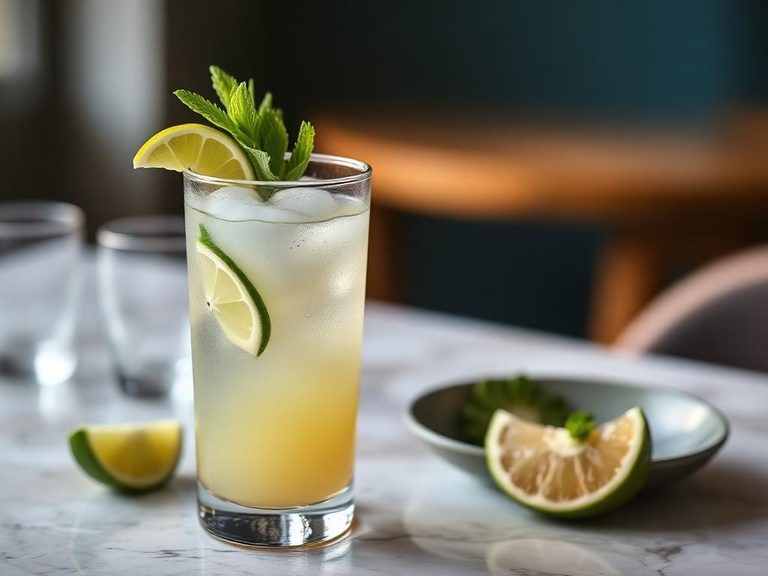
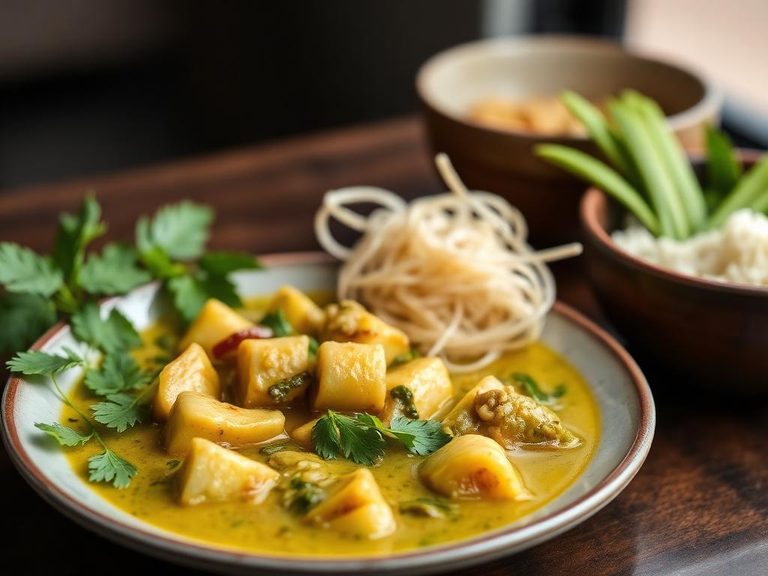
People love lime juice for its electrifying sourness that instantly brightens and balances flavors in both sweet and savory dishes. It's a cultural cornerstone in cuisines worldwide, from Mexican to Thai, valued for its ability to cut through richness and add a fresh, clean finish.
⚠️ Watch-outs & how to enjoy it better
Its high acidity can erode tooth enamel and may trigger heartburn or acid reflux in sensitive individuals. To counteract this, use a straw to bypass teeth, rinse your mouth with plain water after consuming, and avoid brushing teeth immediately. For those with reflux, use smaller portions and avoid combining with other acidic ingredients.
Key benefits
- Excellent source of immune-boosting vitamin C
- Contains antioxidants like flavonoids
- May aid iron absorption from plant foods
- Adds flavor without added salt or fat
- Low in calories and carbohydrates
🍽️ Popular dishes
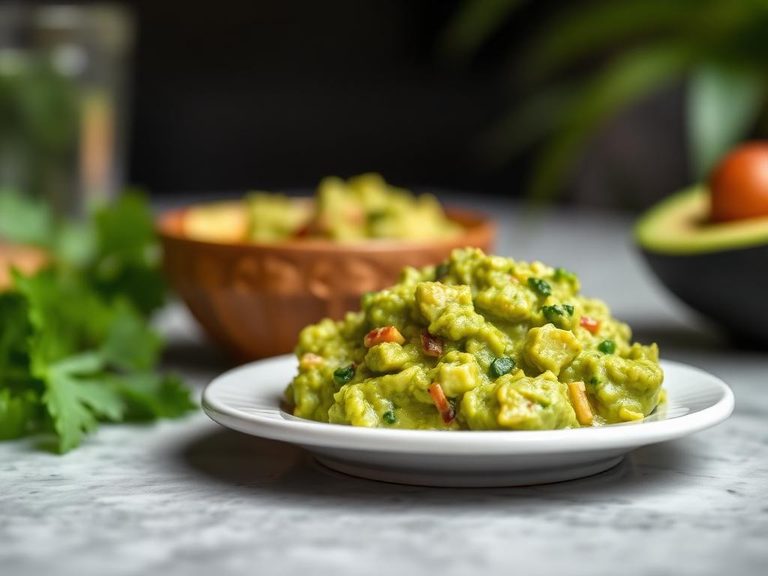
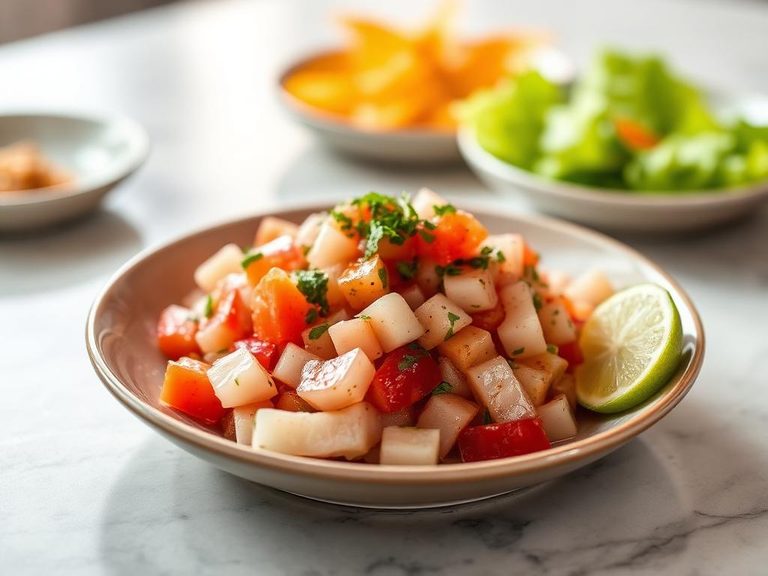
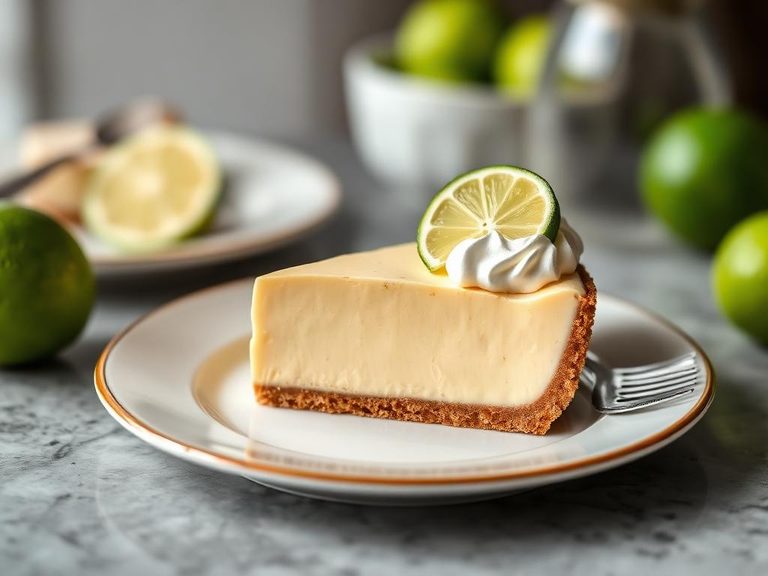
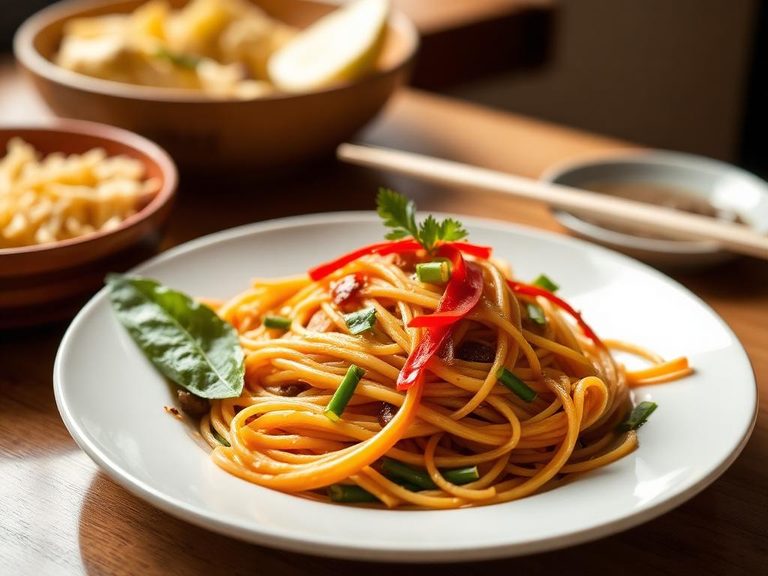
🌍 Where it's eaten
💡 Did you know?
A single lime can yield about 2 to 3 tablespoons of juice, but its zest (the outer peel) contains even more aromatic oils and flavor compounds than the juice itself.
Full nutrition (scales with serving)
| Water | 90.8 g |
| Energy | 25.0 kcal |
| Energy | 104 kj |
| Protein | 0.42 g |
| Total lipid (fat) | 0.07 g |
| Ash | 0.31 g |
| Carbohydrate, by difference | 8.4 g |
| Fiber, total dietary | 0.40 g |
| Total Sugars | 1.7 g |
| Sucrose | 0.48 g |
| Glucose | 0.60 g |
| Fructose | 0.61 g |
| Lactose | 0.00 g |
| Maltose | 0.00 g |
| Galactose | 0.00 g |
| Starch | 0.00 g |
| Calcium, Ca | 14.0 mg |
| Iron, Fe | 0.09 mg |
| Magnesium, Mg | 8.0 mg |
| Phosphorus, P | 14.0 mg |
| Potassium, K | 117 mg |
| Sodium, Na | 2.0 mg |
| Zinc, Zn | 0.08 mg |
| Copper, Cu | 0.03 mg |
| Manganese, Mn | 0.02 mg |
| Selenium, Se | 0.10 ug |
| Vitamin C, total ascorbic acid | 30.0 mg |
| Thiamin | 0.03 mg |
| Riboflavin | 0.01 mg |
| Niacin | 0.14 mg |
| Pantothenic acid | 0.12 mg |
| Vitamin B-6 | 0.04 mg |
| Folate, total | 10.0 ug |
| Folic acid | 0.00 ug |
| Folate, food | 10.0 ug |
| Folate, DFE | 10.0 ug |
| Choline, total | 5.1 mg |
| Betaine | 0.20 mg |
| Vitamin B-12 | 0.00 ug |
| Vitamin B-12, added | 0.00 ug |
| Vitamin A, RAE | 2.0 ug |
| Retinol | 0.00 ug |
| Carotene, beta | 30.0 ug |
| Carotene, alpha | 0.00 ug |
| Cryptoxanthin, beta | 0.00 ug |
| Vitamin A, IU | 50.0 iu |
| Lycopene | 0.00 ug |
| Lutein + zeaxanthin | 0.00 ug |
| Vitamin E (alpha-tocopherol) | 0.22 mg |
| Vitamin E, added | 0.00 mg |
| Tocopherol, beta | 0.00 mg |
| Tocopherol, gamma | 0.00 mg |
| Tocopherol, delta | 0.00 mg |
| Tocotrienol, alpha | 0.05 mg |
| Tocotrienol, beta | 0.00 mg |
| Tocotrienol, gamma | 0.00 mg |
| Tocotrienol, delta | 0.00 mg |
| Vitamin D (D2 + D3), International Units | 0.00 iu |
| Vitamin D (D2 + D3) | 0.00 ug |
| Vitamin K (phylloquinone) | 0.60 ug |
| Vitamin K (Dihydrophylloquinone) | 0.00 ug |
| Alcohol, ethyl | 0.00 g |
| Caffeine | 0.00 mg |
| Theobromine | 0.00 mg |
Fat & fatty acid profile (per 100g)
| Fatty acids, total saturated | 0.01 g |
| SFA 4:0 | 0.00 g |
| SFA 6:0 | 0.00 g |
| SFA 8:0 | 0.00 g |
| SFA 10:0 | 0.00 g |
| SFA 12:0 | 0.00 g |
| SFA 14:0 | 0.00 g |
| SFA 16:0 | 0.01 g |
| SFA 18:0 | 0.00 g |
| Fatty acids, total monounsaturated | 0.01 g |
| MUFA 16:1 | 0.00 g |
| MUFA 18:1 | 0.01 g |
| MUFA 20:1 | 0.00 g |
| MUFA 22:1 | 0.00 g |
| Fatty acids, total polyunsaturated | 0.02 g |
| PUFA 18:2 | 0.01 g |
| PUFA 18:3 | 0.01 g |
| PUFA 18:4 | 0.00 g |
| PUFA 20:4 | 0.00 g |
| PUFA 20:5 n-3 (EPA) | 0.00 g |
| PUFA 22:5 n-3 (DPA) | 0.00 g |
| PUFA 22:6 n-3 (DHA) | 0.00 g |
| Fatty acids, total trans | 0.00 g |
| Cholesterol | 0.00 mg |
Amino acid profile (per 100g)
| Tryptophan | 0.00 g |
| Threonine | 0.00 g |
| Isoleucine | 0.00 g |
| Leucine | 0.02 g |
| Lysine | 0.02 g |
| Methionine | 0.00 g |
| Cystine | 0.00 g |
| Phenylalanine | 0.01 g |
| Tyrosine | 0.00 g |
| Valine | 0.01 g |
| Arginine | 0.01 g |
| Histidine | 0.00 g |
| Alanine | 0.02 g |
| Aspartic acid | 0.11 g |
| Glutamic acid | 0.07 g |
| Glycine | 0.01 g |
| Proline | 0.03 g |
| Serine | 0.04 g |
FAQ
Is lime juice the same as lemon juice?
They are similar but distinct. Lime juice is generally more bitter and less sweet than lemon juice, with a sharper, more floral aroma. In recipes, they can often be substituted 1:1, but the flavor profile will change.
Can I use bottled lime juice instead of fresh?
Freshly squeezed lime juice has a brighter, more complex flavor. Bottled juice often contains preservatives like sodium metabisulfite and can taste flat or metallic. For best flavor, especially in drinks and dressings, use fresh.
Why does my lime juice sometimes taste bitter?
The bitterness can come from the white pith (albedo) if you zest too deeply, or from over-juicing the lime, which releases bitter compounds from the peel. Use a gentle hand when juicing and avoid pressing the zest into the juice.