

Wocas, dried seeds, Oregon, yellow pond lily (Klamath)
Whole food · American Indian/Alaska Native Foods

Photo: Wikipedia
Wocas are the dried, starchy seeds of the yellow pond lily, a traditional food of the Klamath and other Indigenous peoples of the Pacific Northwest. They have a dense, nutty, and earthy flavor with a firm, slightly chewy texture when cooked, often compared to a cross between a potato and a nut. Nutritionally, they are a powerhouse of complex carbohydrates and dietary fiber, providing sustained energy with very little fat or sugar.
Calorie split: 9% protein · 89% carbs · 3% fat
↓ Full nutrition💚 Why it's loved
People love wocas for their rich, earthy, and subtly nutty flavor that adds depth to soups and stews. They are prized for their versatility and their deep cultural significance in Indigenous cuisines of the Pacific Northwest.
⚠️ Watch-outs & how to enjoy it better
The high fiber content can cause digestive discomfort if consumed in large quantities without adequate hydration. They have a high carbohydrate load, which may require portion control for those monitoring blood sugar levels. To mitigate, pair with a source of protein or fat (like fish or nuts) to slow digestion, and ensure they are thoroughly cooked and soaked to improve digestibility.
Key benefits
- Exceptionally high in dietary fiber (19.2g per 100g)
- Provides sustained energy from complex carbohydrates
- Very low in fat and naturally sugar-free
- A traditional, culturally significant food source
- Good source of plant-based protein
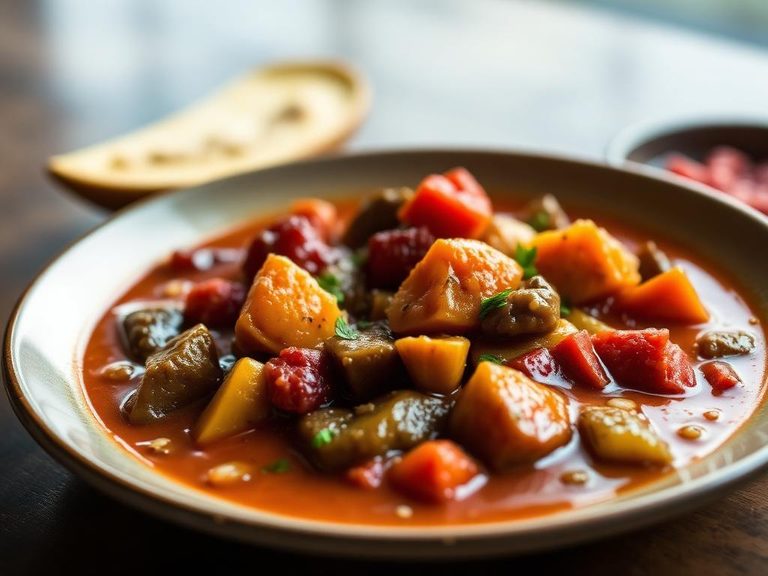
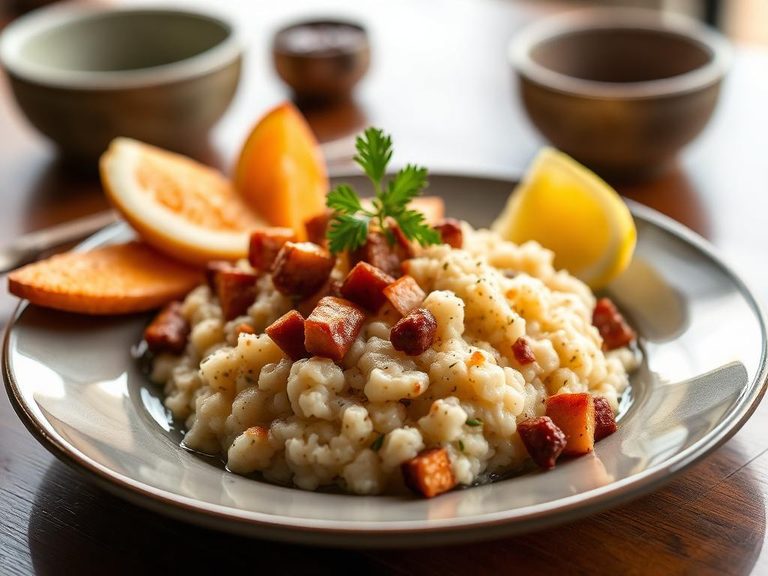
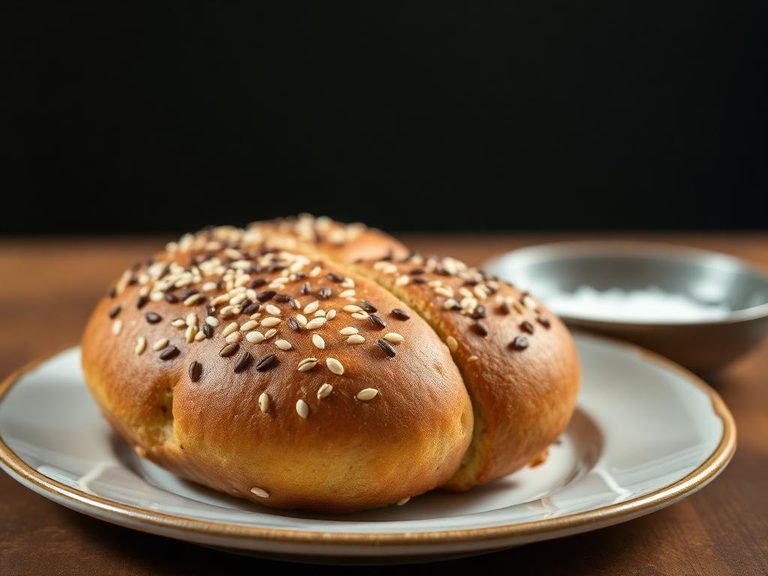
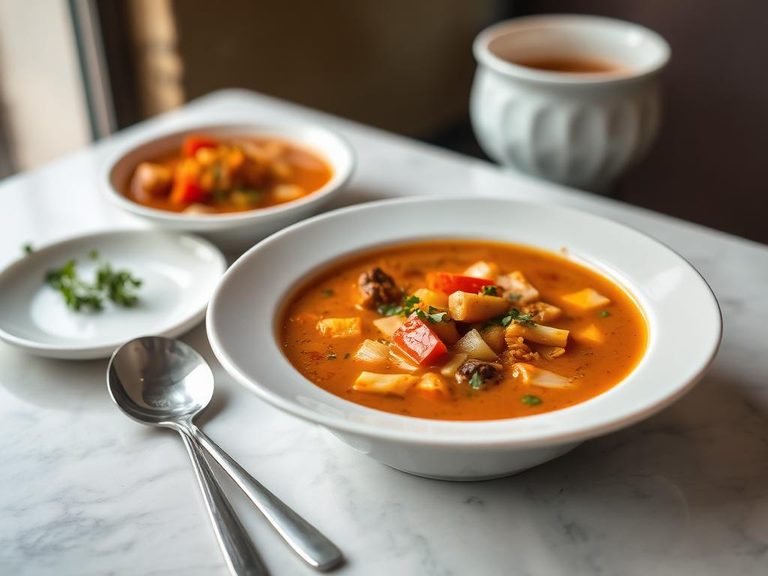
🍽️ Popular dishes
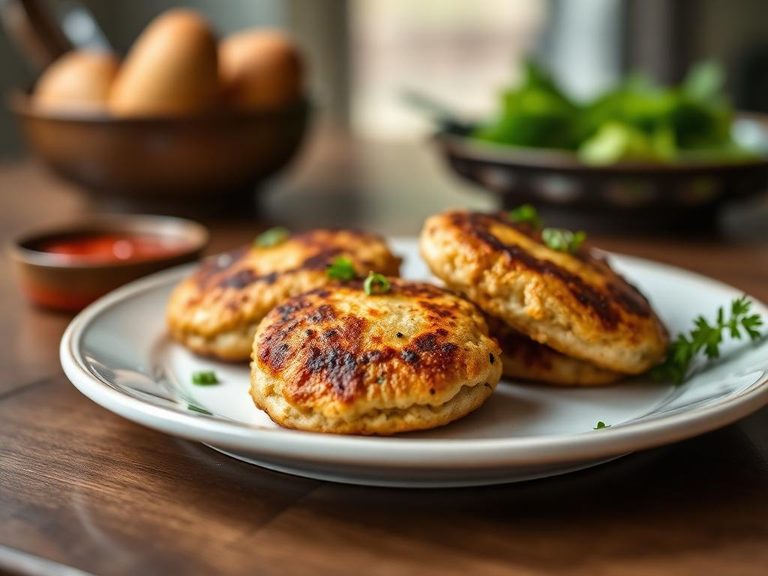
🌍 Where it's eaten
💡 Did you know?
The seeds of the yellow pond lily were so vital to the Klamath people that they were used as a form of currency and were harvested using specialized tools called 'wocas baskets' to sift them from the lake bottom.
Full nutrition (USDA data · scales with serving)
| Water | 9.4 g |
| Energy | 361 kcal |
| Energy | 1512 kj |
| Protein | 7.9 g |
| Total lipid (fat) | 1.1 g |
| Ash | 1.6 g |
| Carbohydrate, by difference | 80.0 g |
| Fiber, total dietary | 19.2 g |
| Total Sugars | 0.43 g |
| Sucrose | 0.00 g |
| Glucose | 0.43 g |
| Fructose | 0.00 g |
| Lactose | 0.00 g |
| Maltose | 0.00 g |
| Galactose | 0.00 g |
| Starch | 39.5 g |
| Calcium, Ca | 27.0 mg |
| Iron, Fe | 1.5 mg |
| Magnesium, Mg | 86.0 mg |
| Phosphorus, P | 229 mg |
| Potassium, K | 553 mg |
| Sodium, Na | 25.0 mg |
| Zinc, Zn | 6.3 mg |
| Copper, Cu | 0.07 mg |
| Manganese, Mn | 0.94 mg |
| Selenium, Se | 0.70 ug |
| Thiamin | 0.03 mg |
| Riboflavin | 0.07 mg |
| Niacin | 4.2 mg |
| Pantothenic acid | 1.3 mg |
| Vitamin B-6 | 0.96 mg |
| Folate, total | 5.0 ug |
| Folic acid | 0.00 ug |
| Folate, food | 5.0 ug |
| Folate, DFE | 5.0 ug |
| Vitamin B-12 | 0.00 ug |
| Vitamin E (alpha-tocopherol) | 35.6 mg |
| Tocopherol, beta | 6.5 mg |
| Tocopherol, gamma | 1.8 mg |
| Tocopherol, delta | 1.3 mg |
| Tocotrienol, alpha | 1.6 mg |
| Tocotrienol, beta | 0.00 mg |
| Tocotrienol, gamma | 0.00 mg |
| Tocotrienol, delta | 0.00 mg |
| Alcohol, ethyl | 0.00 g |
| Caffeine | 0.00 mg |
| Theobromine | 0.00 mg |
Fat & fatty acid profile (per 100g)
| Fatty acids, total saturated | 0.15 g |
| SFA 4:0 | 0.01 g |
| SFA 6:0 | 0.00 g |
| SFA 8:0 | 0.00 g |
| SFA 10:0 | 0.00 g |
| SFA 12:0 | 0.00 g |
| SFA 14:0 | 0.00 g |
| SFA 15:0 | 0.00 g |
| SFA 16:0 | 0.08 g |
| SFA 17:0 | 0.01 g |
| SFA 18:0 | 0.02 g |
| SFA 20:0 | 0.01 g |
| SFA 22:0 | 0.01 g |
| SFA 24:0 | 0.01 g |
| Fatty acids, total monounsaturated | 0.10 g |
| MUFA 14:1 | 0.00 g |
| MUFA 15:1 | 0.00 g |
| MUFA 16:1 | 0.00 g |
| MUFA 16:1 c | 0.00 g |
| MUFA 17:1 | 0.00 g |
| MUFA 18:1 | 0.09 g |
| MUFA 18:1 c | 0.09 g |
| MUFA 20:1 | 0.00 g |
| MUFA 22:1 | 0.00 g |
| MUFA 22:1 c | 0.00 g |
| MUFA 24:1 c | 0.00 g |
| Fatty acids, total polyunsaturated | 0.16 g |
| PUFA 18:2 | 0.14 g |
| PUFA 18:2 n-6 c,c | 0.14 g |
| PUFA 18:2 CLAs | 0.00 g |
| PUFA 18:3 | 0.01 g |
| PUFA 18:3 n-3 c,c,c (ALA) | 0.01 g |
| PUFA 18:3 n-6 c,c,c | 0.00 g |
| PUFA 18:4 | 0.00 g |
| PUFA 20:2 n-6 c,c | 0.00 g |
| PUFA 20:3 | 0.00 g |
| PUFA 20:3 n-3 | 0.00 g |
| PUFA 20:3 n-6 | 0.00 g |
| PUFA 20:4 | 0.00 g |
| PUFA 20:5 n-3 (EPA) | 0.00 g |
| PUFA 22:4 | 0.00 g |
| PUFA 22:5 n-3 (DPA) | 0.00 g |
| PUFA 22:6 n-3 (DHA) | 0.00 g |
| Fatty acids, total trans | 0.01 g |
| Fatty acids, total trans-monoenoic | 0.01 g |
| TFA 16:1 t | 0.00 g |
| TFA 18:1 t | 0.01 g |
| TFA 22:1 t | 0.00 g |
| TFA 18:2 t not further defined | 0.01 g |
| Fatty acids, total trans-polyenoic | 0.01 g |
| Cholesterol | 0.00 mg |
| Stigmasterol | 4.0 mg |
| Campesterol | 7.0 mg |
| Beta-sitosterol | 35.0 mg |
FAQ
What does wocas taste like?
Wocas have a dense, nutty, and earthy flavor, often compared to a cross between a potato and a nut, with a firm, slightly chewy texture when cooked.
How are wocas prepared?
Wocas seeds are typically dried, then ground into a flour or cooked whole. They are often soaked and then boiled or steamed to soften them before being added to stews, porridges, or baked goods.
Are wocas gluten-free?
Yes, wocas are naturally gluten-free, making them a suitable grain alternative for those with celiac disease or gluten sensitivity.
Nutrient density (calculated · NRF9.3)
Nutrient Rich Foods index: beneficial nutrients (protein, fiber, vitamins, minerals) minus saturated fat, added sugar & sodium, per 100 kcal.
NRF9.3 index — Fulgoni, Keast & Drewnowski, 2009. Computed from USDA nutrients.
Weight-loss friendliness (composite index)
Energy density 3.61 kcal/g · 9% calories from protein · 19.2 g fiber · 0.4 g sugar per 100 g.
Composite of energy density (Rolls et al., 1999), protein & fiber satiety, minus sugar. A calculated heuristic — ranks satiety-per-calorie, not a clinical measure.
Dietary load (calculated from USDA values)
Potential renal acid load. Positive = acid-forming, negative = alkaline-forming.
Sodium-to-potassium ratio: 0.05 (lower is better — aim for ≤ 1)
Sodium:potassium per WHO potassium guidance. Computed from USDA nutrients.