

Pond Lily Seed Bread
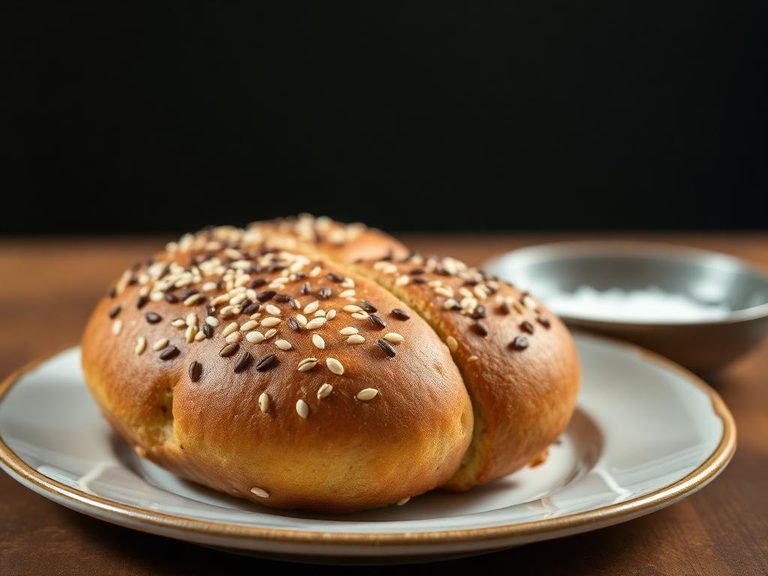
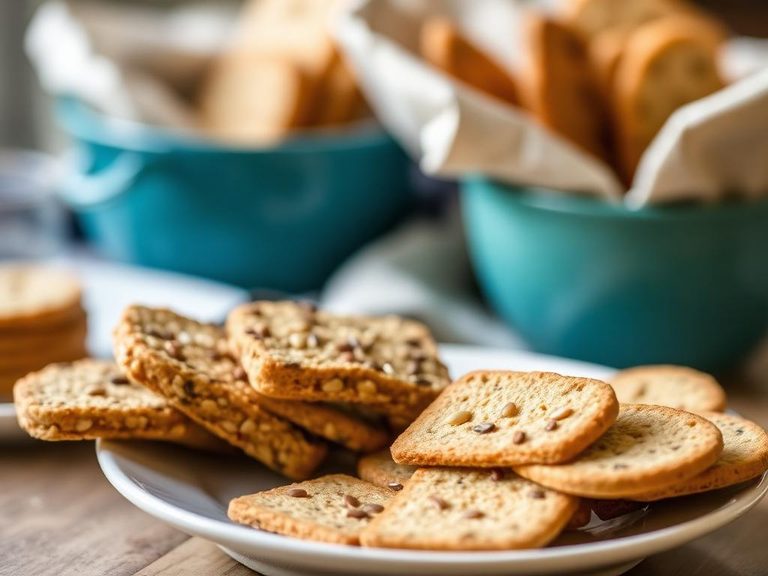
Pond Lily Seed Bread is a traditional baked good from the Amazon region, particularly associated with indigenous communities like the Ribeirinhos. It's made from the starchy seeds of the water lily (Nymphaea), which are ground into flour and combined with water, salt, and sometimes a small amount of sugar or fat before being baked or fried into flatbreads or cakes.
🍽️ Nutrition at a glance
This bread is primarily a carbohydrate-rich energy source, providing moderate protein and very low fat. A typical serving offers key minerals like potassium, magnesium, and iron, with a rough calorie range of 150-200 kcal per serving.
Nutrition breakdown
| Calories | 180 kcal |
| Protein | 5 g |
| Carbs | 38 g |
| Fat | 1 g |
| Fiber | 4 g |
| Sugar | 1 g |
| Sodium | 200 mg |
| Potassium | 350 mg |
| Magnesium | 45 mg |
| Iron | 2.5 mg |
| Phosphorus | 120 mg |
| Zinc | 1.2 mg |
| Manganese | 0.8 mg |
| Vitamin B1 (Thiamin) | 0.15 mg |
| Vitamin B3 (Niacin) | 1.8 mg |
Per 1 piece (100 g) · estimated, varies by recipe
💡 What's interesting
Culturally, it's a fascinating example of utilizing aquatic plant resources from flooded forest ecosystems. Nutritionally, the seeds are a complete protein source, containing all essential amino acids, which is relatively rare for a plant-based staple.
🍽️ Related dishes

AI estimate may be inaccurate · Terms