

Salad dressing, italian dressing, fat-free
Whole food · Fats and Oils

Photo: Wikipedia
This is a tangy, herb-infused vinaigrette engineered to deliver the classic Italian dressing flavor profile without the fat. Its texture is typically thin and pourable, with a bright, acidic kick from vinegar and a savory blend of garlic, oregano, and other herbs. Nutritionally, it's a low-calorie, virtually fat-free condiment, though its carbohydrate content comes almost entirely from added sugars.
Calorie split: 8% protein · 75% carbs · 17% fat
↓ Full nutrition💚 Why it's loved
People love it for delivering the zesty, savory taste of a classic Italian salad with virtually no dietary fat, making it a guilt-free flavor staple. Its versatility extends beyond salads as a convenient marinade for chicken or a dip for raw vegetables.
⚠️ Watch-outs & how to enjoy it better
The primary downside is its high sugar content relative to its calories, which can contribute to blood-sugar spikes if used liberally. It is also typically very high in sodium. To counteract this, pair salads dressed with it with a source of protein (like grilled chicken or beans) and healthy fat (like avocado or nuts) to slow sugar absorption and improve satiety. Using a measured portion (1-2 tablespoons) is key.
Key benefits
- Very low in calories and fat, aiding in calorie-controlled diets.
- Provides a quick flavor boost to plain vegetables and salads.
- Contains no cholesterol or saturated fat.
- Can increase vegetable intake by making salads more palatable.
🍽️ Popular dishes
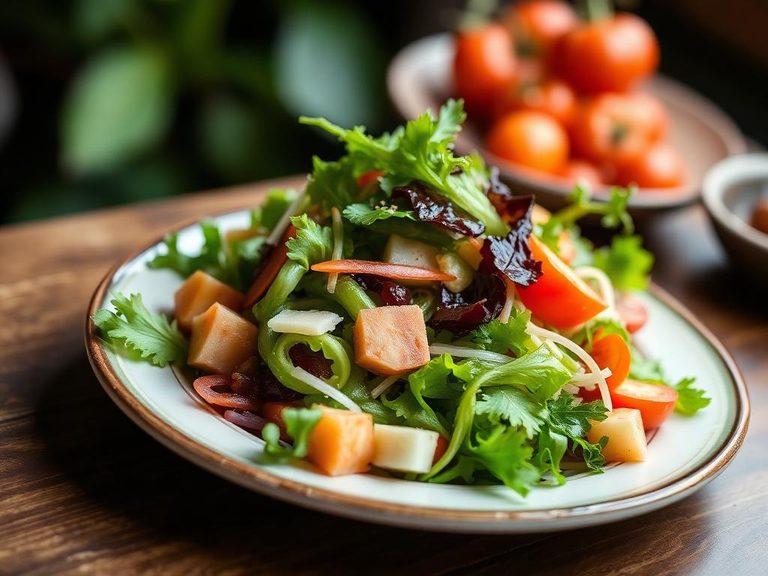
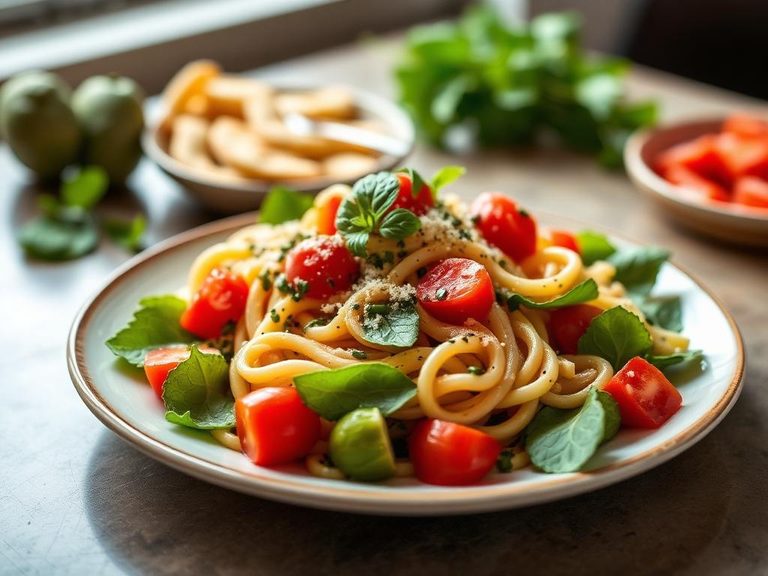
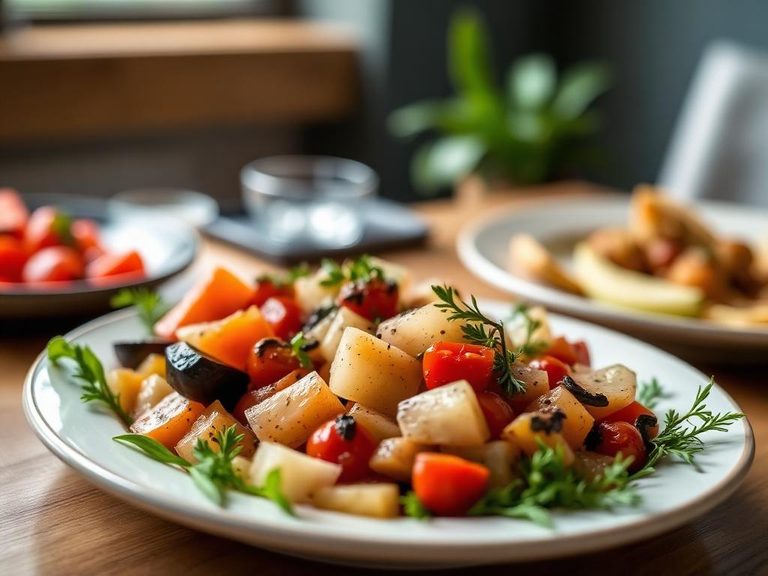
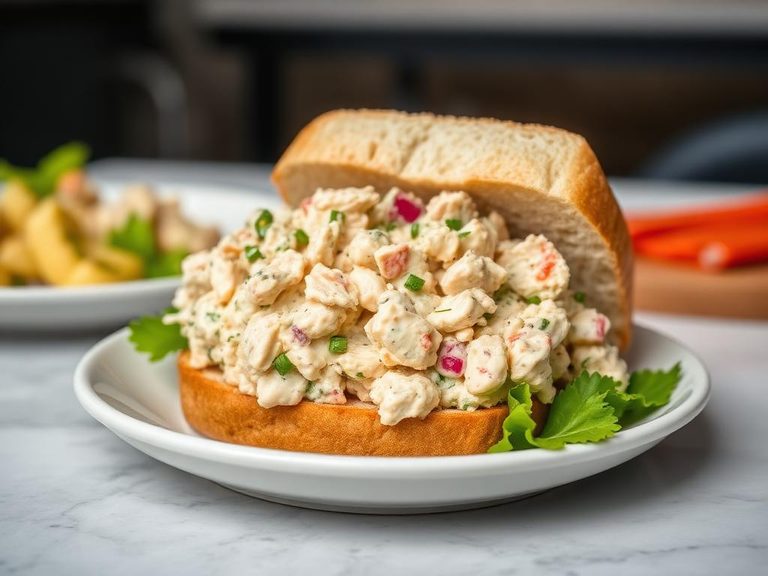
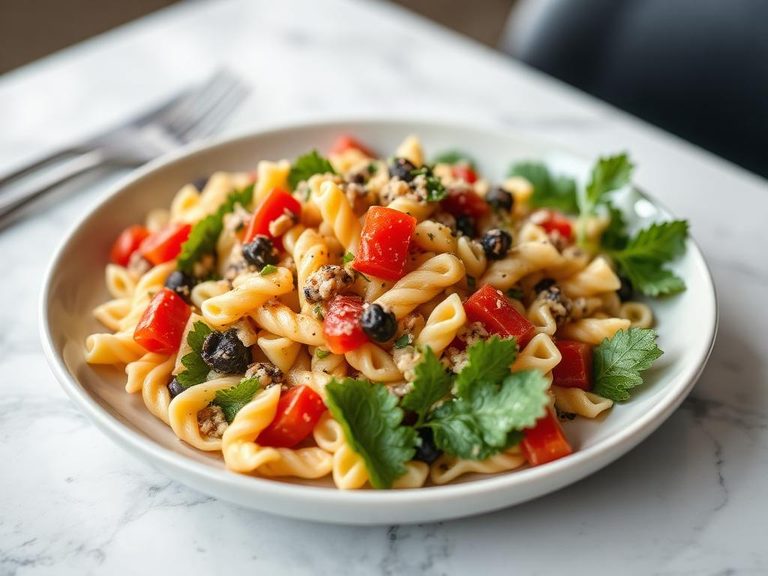
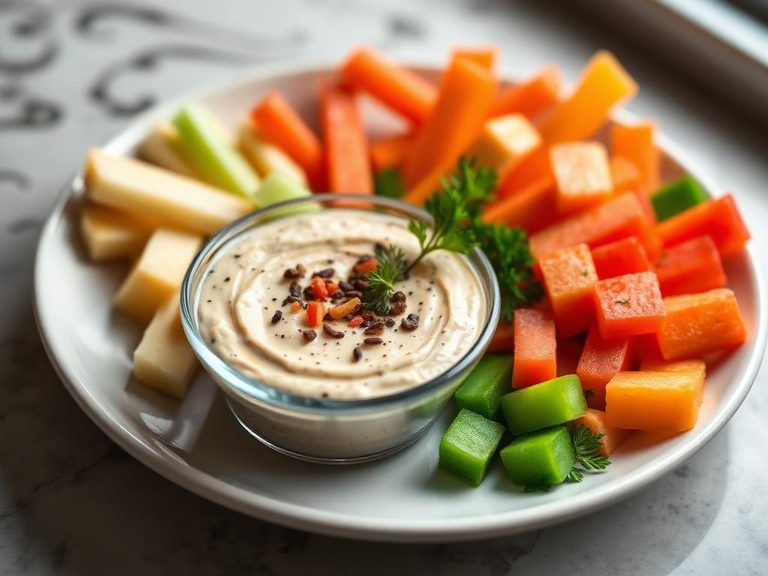
🌍 Where it's eaten
💡 Did you know?
Fat-free Italian dressing often uses modified food starch, xanthan gum, or other hydrocolloids to mimic the mouthfeel and cling of an oil-based vinaigrette, a clever trick of food science.
Full nutrition (USDA data · scales with serving)
| Water | 86.0 g |
| Energy | 47.0 kcal |
| Energy | 195 kj |
| Protein | 0.97 g |
| Total lipid (fat) | 0.87 g |
| Ash | 3.5 g |
| Carbohydrate, by difference | 8.8 g |
| Fiber, total dietary | 0.60 g |
| Total Sugars | 8.8 g |
| Sucrose | 0.29 g |
| Glucose | 2.8 g |
| Fructose | 5.6 g |
| Lactose | 0.00 g |
| Maltose | 0.15 g |
| Galactose | 0.00 g |
| Calcium, Ca | 30.0 mg |
| Iron, Fe | 0.40 mg |
| Magnesium, Mg | 5.0 mg |
| Phosphorus, P | 109 mg |
| Potassium, K | 102 mg |
| Sodium, Na | 1129 mg |
| Zinc, Zn | 0.36 mg |
| Copper, Cu | 0.12 mg |
| Manganese, Mn | 0.03 mg |
| Selenium, Se | 2.0 ug |
| Vitamin C, total ascorbic acid | 0.40 mg |
| Thiamin | 0.03 mg |
| Riboflavin | 0.05 mg |
| Niacin | 0.14 mg |
| Pantothenic acid | 0.00 mg |
| Vitamin B-6 | 0.00 mg |
| Folate, total | 12.0 ug |
| Folic acid | 0.00 ug |
| Folate, food | 12.0 ug |
| Folate, DFE | 12.0 ug |
| Choline, total | 4.0 mg |
| Betaine | 1.8 mg |
| Vitamin B-12 | 0.31 ug |
| Vitamin B-12, added | 0.00 ug |
| Vitamin A, RAE | 4.0 ug |
| Retinol | 0.00 ug |
| Carotene, beta | 40.0 ug |
| Carotene, alpha | 0.00 ug |
| Cryptoxanthin, beta | 11.0 ug |
| Vitamin A, IU | 77.0 iu |
| Lycopene | 5.0 ug |
| Lutein + zeaxanthin | 0.00 ug |
| Vitamin E (alpha-tocopherol) | 0.76 mg |
| Vitamin E, added | 0.00 mg |
| Vitamin D (D2 + D3), International Units | 0.00 iu |
| Vitamin D (D2 + D3) | 0.00 ug |
| Vitamin K (phylloquinone) | 1.6 ug |
| Alcohol, ethyl | 0.00 g |
| Caffeine | 0.00 mg |
| Theobromine | 0.00 mg |
Fat & fatty acid profile (per 100g)
| Fatty acids, total saturated | 0.29 g |
| SFA 4:0 | 0.00 g |
| SFA 6:0 | 0.00 g |
| SFA 8:0 | 0.00 g |
| SFA 10:0 | 0.00 g |
| SFA 12:0 | 0.01 g |
| SFA 13:0 | 0.00 g |
| SFA 14:0 | 0.04 g |
| SFA 15:0 | 0.01 g |
| SFA 16:0 | 0.15 g |
| SFA 17:0 | 0.00 g |
| SFA 18:0 | 0.07 g |
| SFA 20:0 | 0.01 g |
| SFA 22:0 | 0.00 g |
| Fatty acids, total monounsaturated | 0.23 g |
| MUFA 14:1 | 0.01 g |
| MUFA 16:1 | 0.01 g |
| MUFA 17:1 | 0.01 g |
| MUFA 18:1 | 0.21 g |
| MUFA 20:1 | 0.00 g |
| MUFA 22:1 | 0.00 g |
| Fatty acids, total polyunsaturated | 0.19 g |
| PUFA 18:2 | 0.16 g |
| PUFA 18:3 | 0.03 g |
| PUFA 18:4 | 0.00 g |
| PUFA 20:3 | 0.00 g |
| PUFA 20:4 | 0.00 g |
| PUFA 20:5 n-3 (EPA) | 0.00 g |
| PUFA 22:5 n-3 (DPA) | 0.00 g |
| PUFA 22:6 n-3 (DHA) | 0.00 g |
| Cholesterol | 2.0 mg |
Amino acid profile (per 100g)
Estimated from Salad dressing, sesame seed dressing, regular — USDA does not publish this profile for Salad dressing.
| Tryptophan | 0.05 g |
| Threonine | 0.05 g |
| Isoleucine | 0.05 g |
| Leucine | 0.08 g |
| Lysine | 0.14 g |
| Methionine | 0.03 g |
| Cystine | 0.00 g |
| Phenylalanine | 0.09 g |
| Tyrosine | 0.10 g |
| Valine | 0.07 g |
| Arginine | 0.40 g |
| Histidine | 0.03 g |
| Alanine | 0.00 g |
| Aspartic acid | 0.00 g |
| Glutamic acid | 0.46 g |
| Glycine | 0.00 g |
| Proline | 0.00 g |
| Serine | 0.00 g |
FAQ
How does fat-free Italian dressing taste compared to regular?
It has a similar tangy, herby flavor profile but lacks the rich, oily mouthfeel. The taste can be sharper and more vinegar-forward, with a noticeable sweetness to compensate for the missing fat.
Is it a healthy choice for weight loss?
It can be a useful tool due to its very low calorie and fat content, helping to add flavor without significant calories. However, its high sugar and sodium content means it should still be used in moderation as part of a balanced diet.
Can I use it as a marinade?
Yes, it works well as a quick marinade for lean proteins like chicken breast or firm tofu. The acid in the vinegar helps tenderize the surface, and the herbs infuse flavor. Marinate for 30 minutes to 2 hours in the refrigerator.
Nutrient density (calculated · NRF9.3)
Nutrient Rich Foods index: beneficial nutrients (protein, fiber, vitamins, minerals) minus saturated fat, added sugar & sodium, per 100 kcal.
NRF9.3 index — Fulgoni, Keast & Drewnowski, 2009. Computed from USDA nutrients.
Weight-loss friendliness (composite index)
Energy density 0.47 kcal/g · 8% calories from protein · 0.6 g fiber · 8.8 g sugar per 100 g.
Composite of energy density (Rolls et al., 1999), protein & fiber satiety, minus sugar. A calculated heuristic — ranks satiety-per-calorie, not a clinical measure.
Dietary load (calculated from USDA values)
Potential renal acid load. Positive = acid-forming, negative = alkaline-forming.
Sodium-to-potassium ratio: 11.07 (lower is better — aim for ≤ 1)
Sodium:potassium per WHO potassium guidance. Computed from USDA nutrients.