

Oil, industrial, soy, ultra low linolenic
Whole food · Fats and Oils

Photo: Wikipedia
This is a highly refined soybean oil engineered for extreme shelf stability and neutral flavor, with a near-zero linolenic acid content. It has a pale, clear appearance and a clean, almost imperceptible taste, making it a blank canvas for cooking. Nutritionally, it is 100% fat, delivering 884 kcal per 100g with no protein, carbs, or fiber.
Calorie split: 0% protein · 0% carbs · 100% fat
↓ Full nutrition💚 Why it's loved
Food manufacturers and deep-fryers adore it for its stability and neutrality, ensuring fried foods taste of the food itself, not the oil. It's the reliable workhorse behind countless processed snacks and restaurant fried dishes.
⚠️ Watch-outs & how to enjoy it better
As a refined oil, it's stripped of most natural antioxidants and phytochemicals found in less processed oils. It's high in omega-6 fatty acids, and overconsumption without balancing omega-3s may promote inflammation. To counteract, use it sparingly for high-heat tasks and choose oils like extra virgin olive or flaxseed for dressings to improve your fatty acid ratio.
Key benefits
- Extremely high smoke point for high-heat cooking
- Neutral flavor doesn't overpower other ingredients
- Long shelf life resists rancidity
- Cost-effective for commercial frying
- Consistent performance in food manufacturing
🍽️ Popular dishes
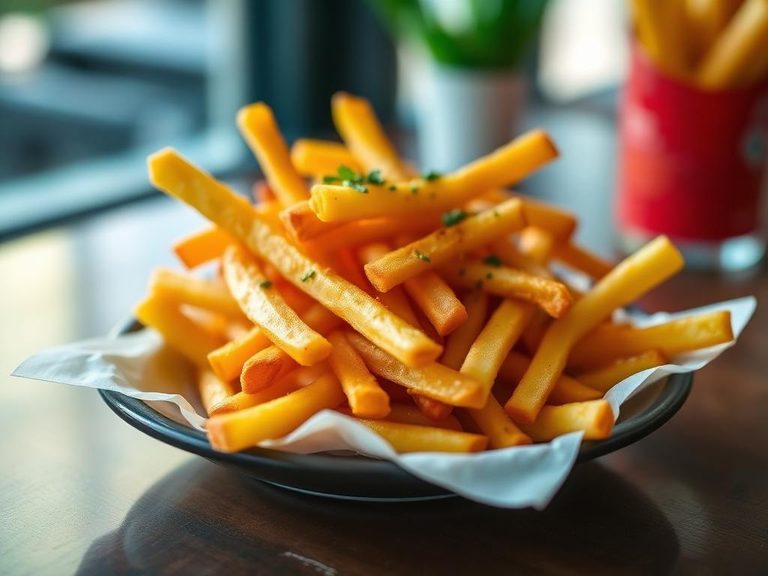
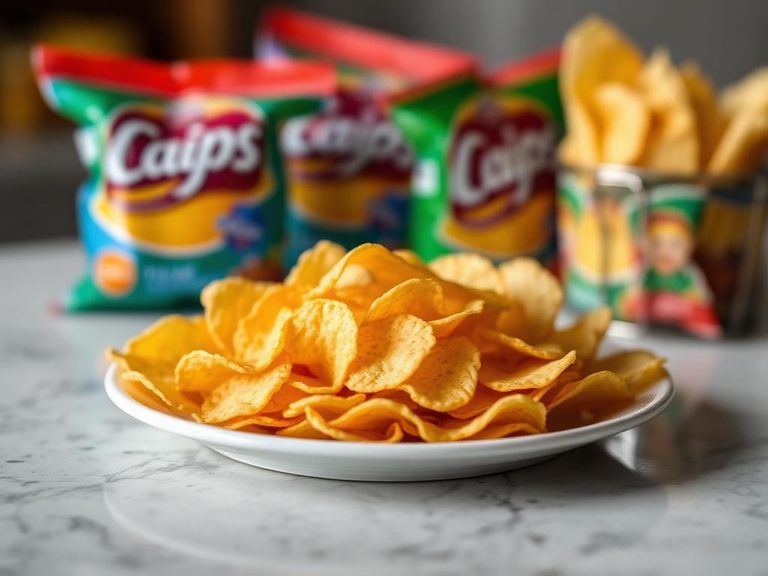
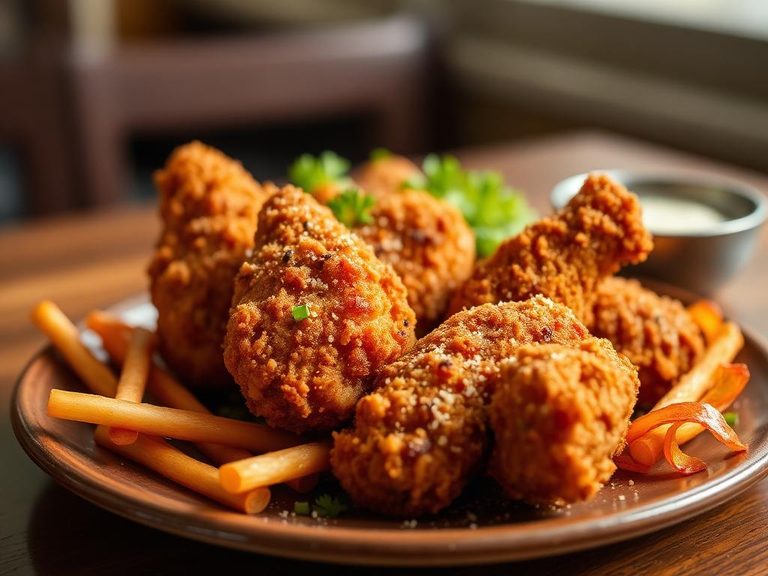

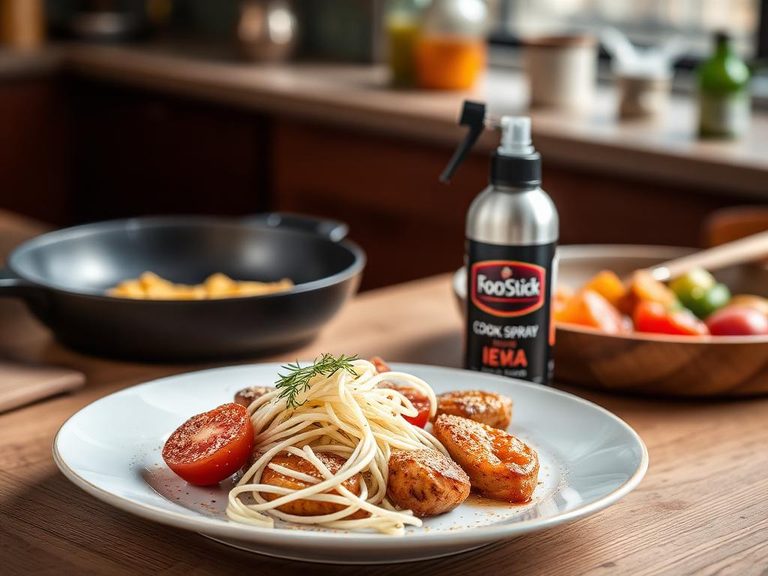
🌍 Where it's eaten
💡 Did you know?
The 'ultra low linolenic' trait was developed through traditional plant breeding, not genetic modification, to create an oil that resists the 'fishy' off-flavors that can develop when standard soybean oil oxidizes.
Full nutrition (USDA data · scales with serving)
| Water | 0.00 g |
| Energy | 884 kcal |
| Energy | 3699 kj |
| Protein | 0.00 g |
| Total lipid (fat) | 100 g |
| Ash | 0.00 g |
| Carbohydrate, by difference | 0.00 g |
| Fiber, total dietary | 0.00 g |
| Total Sugars | 0.00 g |
| Calcium, Ca | 0.00 mg |
| Iron, Fe | 0.05 mg |
| Magnesium, Mg | 0.00 mg |
| Phosphorus, P | 0.00 mg |
| Potassium, K | 0.00 mg |
| Sodium, Na | 0.00 mg |
| Zinc, Zn | 0.01 mg |
| Copper, Cu | 0.00 mg |
| Selenium, Se | 0.00 ug |
| Vitamin C, total ascorbic acid | 0.00 mg |
| Thiamin | 0.00 mg |
| Riboflavin | 0.00 mg |
| Niacin | 0.00 mg |
| Vitamin B-6 | 0.00 mg |
| Folate, total | 0.00 ug |
| Folic acid | 0.00 ug |
| Folate, food | 0.00 ug |
| Folate, DFE | 0.00 ug |
| Choline, total | 0.20 mg |
| Vitamin B-12 | 0.00 ug |
| Vitamin B-12, added | 0.00 ug |
| Vitamin A, RAE | 0.00 ug |
| Retinol | 0.00 ug |
| Carotene, beta | 0.00 ug |
| Carotene, alpha | 0.00 ug |
| Cryptoxanthin, beta | 0.00 ug |
| Vitamin A, IU | 0.00 iu |
| Lycopene | 0.00 ug |
| Lutein + zeaxanthin | 0.00 ug |
| Vitamin E (alpha-tocopherol) | 8.2 mg |
| Vitamin E, added | 0.00 mg |
| Vitamin D (D2 + D3), International Units | 0.00 iu |
| Vitamin D (D2 + D3) | 0.00 ug |
| Vitamin K (phylloquinone) | 184 ug |
| Alcohol, ethyl | 0.00 g |
| Caffeine | 0.00 mg |
| Theobromine | 0.00 mg |
Fat & fatty acid profile (per 100g)
| Fatty acids, total saturated | 14.9 g |
| SFA 4:0 | 0.00 g |
| SFA 6:0 | 0.00 g |
| SFA 8:0 | 0.00 g |
| SFA 10:0 | 0.00 g |
| SFA 12:0 | 0.00 g |
| SFA 14:0 | 0.10 g |
| SFA 16:0 | 10.2 g |
| SFA 17:0 | 0.10 g |
| SFA 18:0 | 3.6 g |
| SFA 20:0 | 0.29 g |
| SFA 22:0 | 0.37 g |
| SFA 24:0 | 0.18 g |
| Fatty acids, total monounsaturated | 28.9 g |
| MUFA 16:1 | 0.10 g |
| MUFA 16:1 c | 0.10 g |
| MUFA 17:1 | 0.06 g |
| MUFA 18:1 | 28.5 g |
| MUFA 18:1 c | 28.4 g |
| MUFA 20:1 | 0.23 g |
| MUFA 22:1 | 0.00 g |
| Fatty acids, total polyunsaturated | 52.1 g |
| PUFA 18:2 | 50.9 g |
| PUFA 18:2 n-6 c,c | 50.8 g |
| PUFA 18:3 | 1.2 g |
| PUFA 18:3 n-3 c,c,c (ALA) | 1.1 g |
| PUFA 18:3i | 0.18 g |
| PUFA 18:4 | 0.00 g |
| PUFA 20:4 | 0.00 g |
| PUFA 20:5 n-3 (EPA) | 0.00 g |
| PUFA 22:5 n-3 (DPA) | 0.00 g |
| PUFA 22:6 n-3 (DHA) | 0.00 g |
| Fatty acids, total trans | 0.31 g |
| Fatty acids, total trans-monoenoic | 0.07 g |
| TFA 18:1 t | 0.07 g |
| TFA 18:2 t not further defined | 0.06 g |
| Fatty acids, total trans-polyenoic | 0.24 g |
| Cholesterol | 0.00 mg |
Amino acid profile (per 100g)
Estimated from Oil, safflower, salad or cooking, high oleic (primary safflower oil of commerce) — USDA does not publish this profile for Oil.
| Tryptophan | 0.00 g |
| Threonine | 0.00 g |
| Isoleucine | 0.00 g |
| Leucine | 0.00 g |
| Lysine | 0.00 g |
| Methionine | 0.00 g |
| Cystine | 0.00 g |
| Phenylalanine | 0.00 g |
| Tyrosine | 0.00 g |
| Valine | 0.00 g |
| Arginine | 0.00 g |
| Histidine | 0.00 g |
| Alanine | 0.00 g |
| Aspartic acid | 0.00 g |
| Glutamic acid | 0.00 g |
| Glycine | 0.00 g |
| Proline | 0.00 g |
| Serine | 0.00 g |
FAQ
How does this differ from regular soybean oil?
Regular soybean oil has a higher linolenic acid (an omega-3) content, which makes it more prone to oxidation and off-flavors. This ultra-low version is bred for stability and a longer shelf life.
Is it healthy for home cooking?
It's a functional, neutral oil for high-heat frying, but it lacks the beneficial compounds of less refined oils. For optimal health, it's best used occasionally and balanced with other oil types in your diet.
Why is it used so much in processed foods?
Its neutral taste, high smoke point, low cost, and exceptional stability make it ideal for industrial-scale frying and as an ingredient in products where a long shelf life is critical.
Nutrient density (calculated · NRF9.3)
Nutrient Rich Foods index: beneficial nutrients (protein, fiber, vitamins, minerals) minus saturated fat, added sugar & sodium, per 100 kcal.
NRF9.3 index — Fulgoni, Keast & Drewnowski, 2009. Computed from USDA nutrients.
Weight-loss friendliness (composite index)
Energy density 8.84 kcal/g · 0% calories from protein · 0.0 g fiber · 0.0 g sugar per 100 g.
Composite of energy density (Rolls et al., 1999), protein & fiber satiety, minus sugar. A calculated heuristic — ranks satiety-per-calorie, not a clinical measure.
Dietary load (calculated from USDA values)
Potential renal acid load. Positive = acid-forming, negative = alkaline-forming.
Sodium:potassium per WHO potassium guidance. Computed from USDA nutrients.