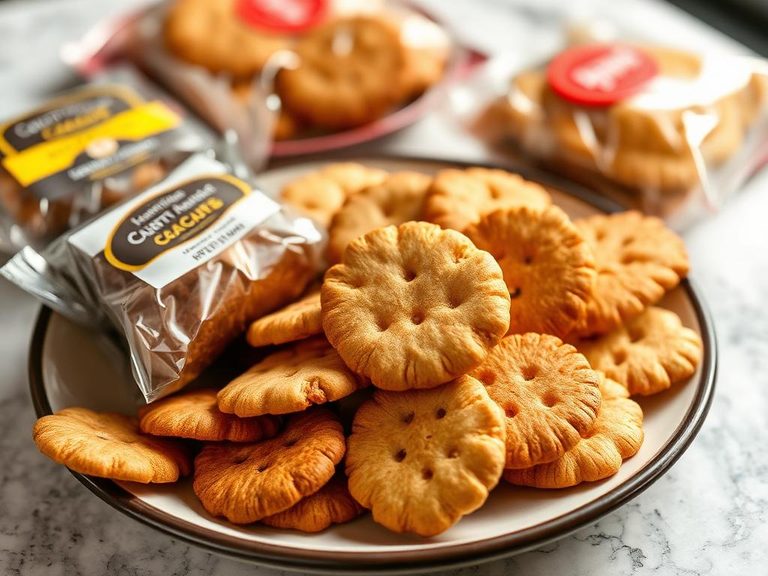
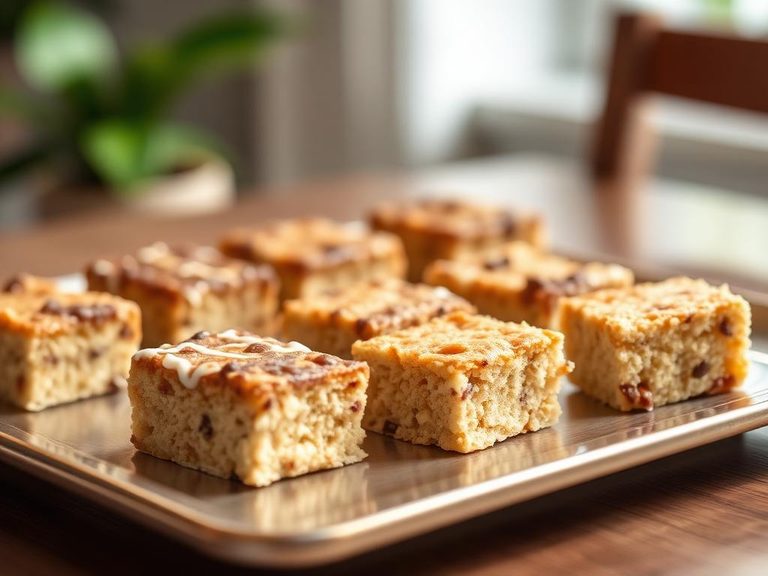
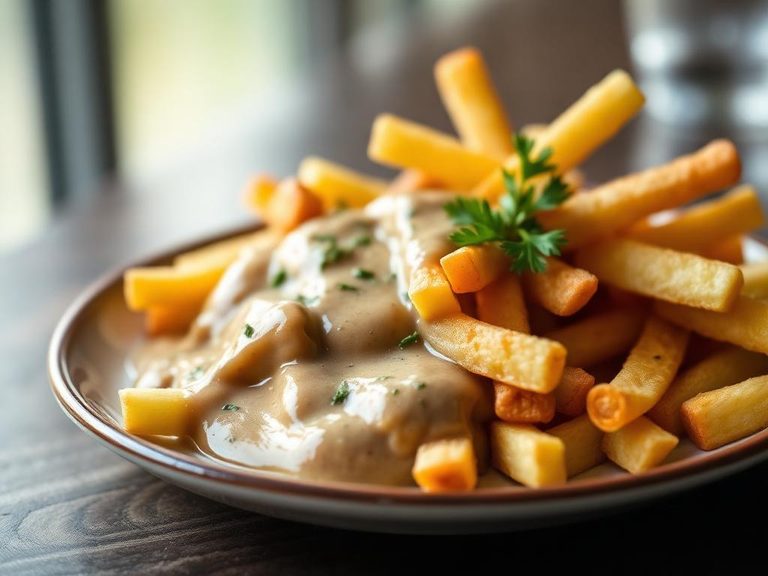
Packaged snack chips
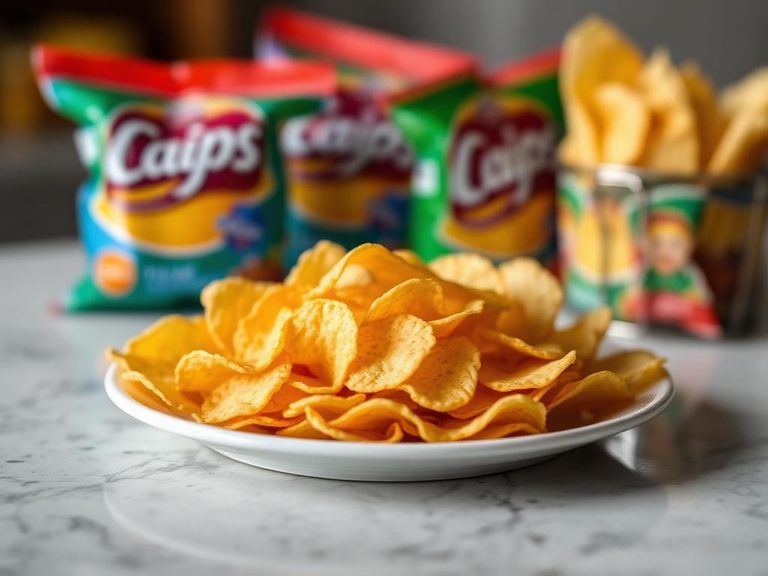
Packaged snack chips, most famously potato chips, are thin slices of potato or other vegetables fried or baked until crispy and then seasoned. They are a globally popular convenience food originating in the United States in the 19th century, with countless regional flavors and varieties now available worldwide.
🍳 View the full Packaged snack chips recipe →
🍽️ Nutrition at a glance
Chips are typically high in carbohydrates and fat, with a relatively low protein content. A standard 1-ounce (28g) serving provides around 150-160 calories, along with some sodium and small amounts of iron and potassium.
Nutrition breakdown
| Calories | 150 kcal |
| Protein | 2 g |
| Carbs | 15 g |
| Fat | 10 g |
| Fiber | 1 g |
| Sugar | 0 g |
| Sodium | 170 mg |
| Potassium | 350 mg |
| Iron | 0.5 mg |
| Vitamin C | 5 mg |
| Vitamin B6 | 0.1 mg |
| Niacin (B3) | 1.5 mg |
| Folate | 15 mcg |
| Magnesium | 15 mg |
| Phosphorus | 40 mg |
Per 1 oz (28 g) · estimated, varies by recipe
💡 What's interesting
The invention of potato chips is often attributed to a chef in Saratoga Springs, New York, in 1853, who created them as a novelty to appease a fussy customer. Nutritionally, while they offer quick energy, their processing can lead to the formation of acrylamide, a compound studied for its potential health impacts.