Packaged snack cakes
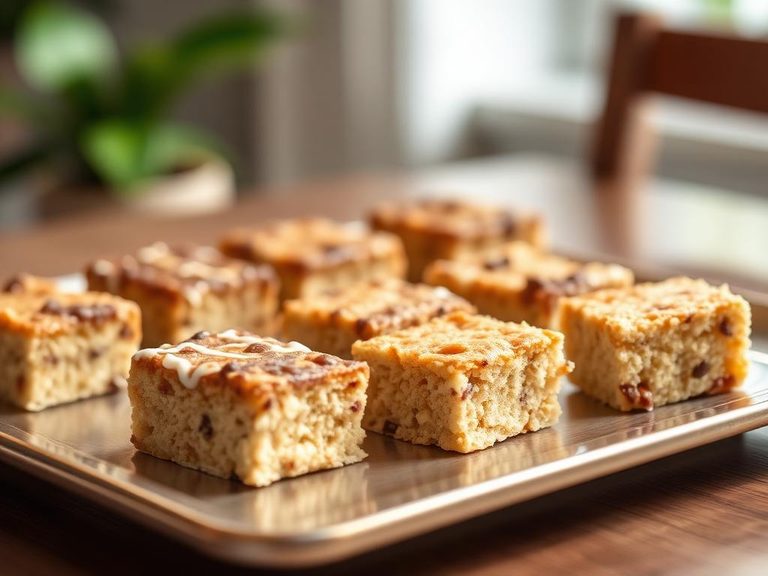
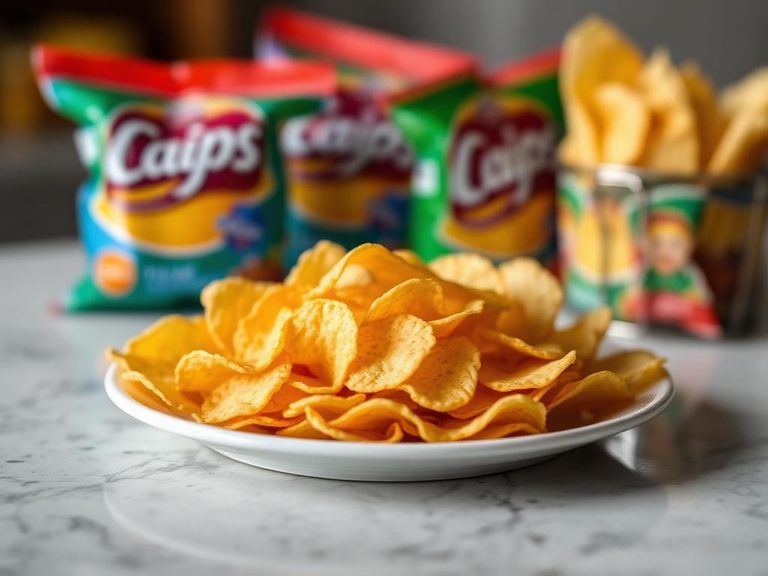
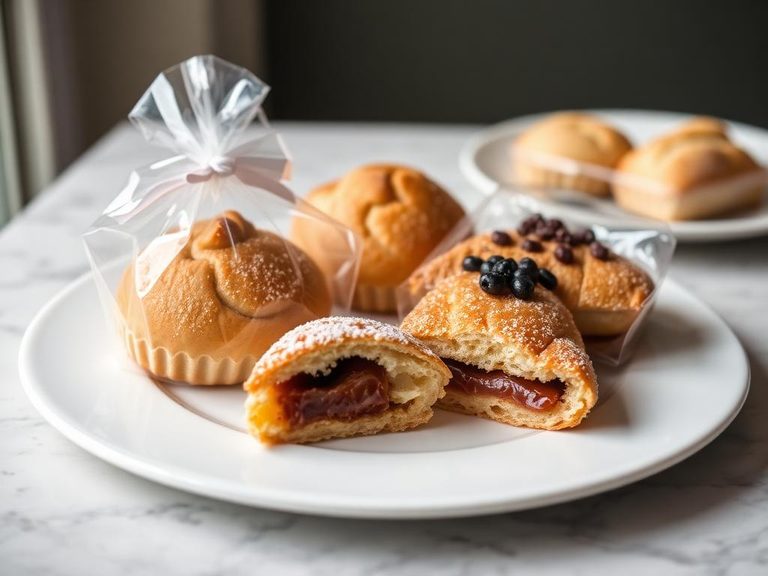
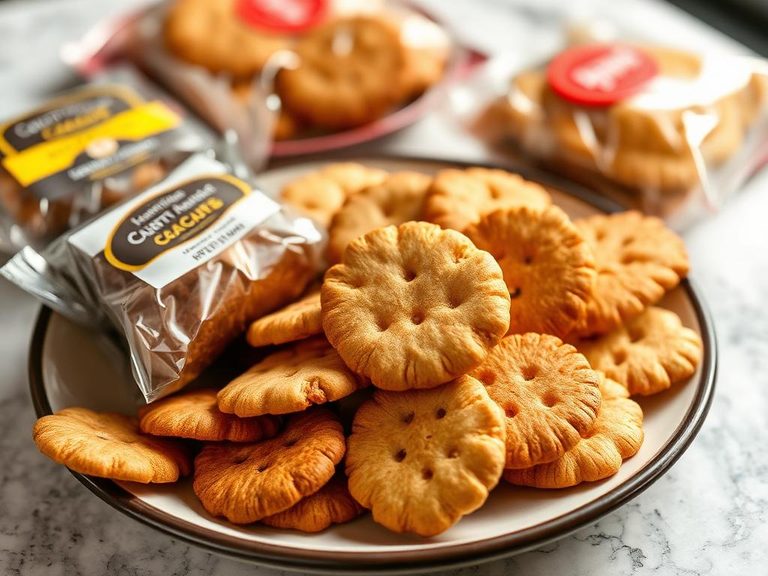
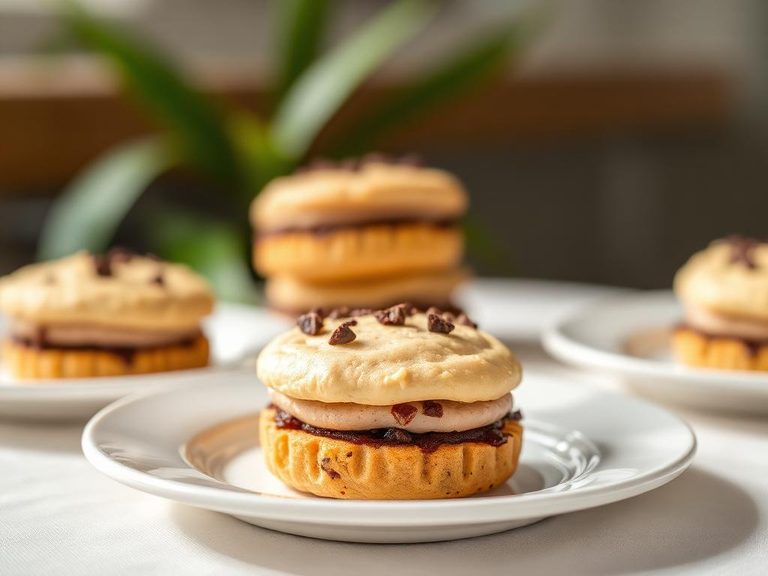
Packaged snack cakes are commercially produced, individually wrapped sweet baked goods designed for convenience and shelf stability. They typically feature a soft, sponge-like cake base made from refined flour, sugar, and vegetable oil, often combined with creamy fillings, chocolate coatings, or fruit-flavored jams. While originating in industrialized food systems, they are now a global phenomenon with countless regional variations.
🍽️ Nutrition at a glance
These snacks are primarily a source of quick energy from carbohydrates and fats, with minimal protein or fiber. A single serving generally provides a significant amount of added sugars and a modest calorie load, but offers very few essential vitamins or minerals.
Nutrition breakdown
| Calories | 210 kcal |
| Protein | 2 g |
| Carbs | 30 g |
| Fat | 9 g |
| Fiber | 0.5 g |
| Sugar | 18 g |
| Sodium | 160 mg |
| Iron | 1.2 mg |
| Thiamin (B1) | 0.15 mg |
| Niacin (B3) | 1.5 mg |
| Folate | 40 mcg |
| Calcium | 20 mg |
| Potassium | 60 mg |
Per 1 snack cake (50 g) · estimated, varies by recipe
💡 What's interesting
Culturally, they represent a triumph of food engineering, with a long shelf life and consistent taste that makes them a staple in lunchboxes, vending machines, and emergency kits worldwide. Nutritionally, they are a classic example of 'empty calories,' providing energy without substantial nutritional benefit.