Potato chips (crisps)

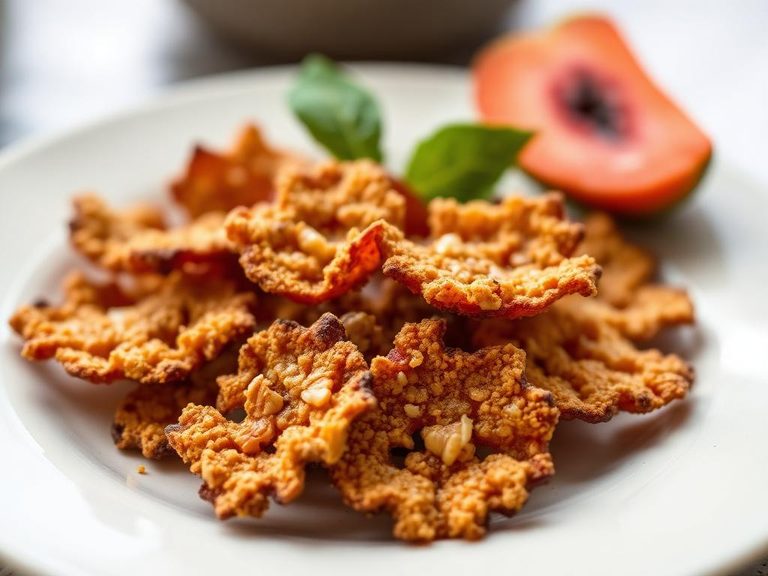
Potato chips, also known as crisps outside of North America, are thin slices of potato that have been deep-fried or baked until crunchy and then seasoned. The classic ingredients are simply potatoes, oil, and salt, though countless flavors now exist. This iconic snack is believed to have originated in the United States in the mid-19th century.
🍽️ Nutrition at a glance
Potato chips are a high-carbohydrate, high-fat snack with a relatively low protein content. A standard 1-ounce (about 15 chips) serving provides roughly 150-160 calories, with key nutrients including sodium and small amounts of potassium.
Nutrition breakdown
| Calories | 152 kcal |
| Protein | 1.5 g |
| Carbs | 15.4 g |
| Fat | 9.5 g |
| Fiber | 1.1 g |
| Sugar | 0.1 g |
| Sodium | 147 mg |
| Potassium | 356 mg |
| Vitamin C | 4.8 mg |
| Vitamin B6 | 0.14 mg |
| Niacin (B3) | 1.0 mg |
| Folate | 15 µg |
| Phosphorus | 46 mg |
| Magnesium | 16 mg |
| Iron | 0.4 mg |
Per 1 oz (28 g) · estimated, varies by recipe
💡 What's interesting
Culturally, potato chips are a global snack phenomenon with intense regional flavor preferences, from 'Salt & Vinegar' in the UK to 'Seaweed' in parts of Asia. Nutritionally, they are a classic example of a 'hyper-palatable' food, engineered with an ideal combination of salt, fat, and crunch that can make them hard to stop eating.