

Oil, industrial, soy, refined, for woks and light frying
Whole food · Fats and Oils

Photo: Wikipedia
This is a highly refined, neutral-flavored cooking oil derived from soybeans, engineered for high-heat stability. Its clean, light texture and high smoke point make it ideal for the rapid, intense heat of wok cooking and light frying, imparting no distinct taste of its own. Nutritionally, it is a pure, dense source of fat, delivering 884 calories per 100 grams with no protein, carbs, or fiber.
Calorie split: 0% protein · 0% carbs · 100% fat
↓ Full nutrition💚 Why it's loved
It's the unsung hero of the wok, enabling the coveted 'wok hei' (breath of the wok) without competing with the flavors of garlic, ginger, or fresh ingredients. Its versatility and affordability make it a staple for both home kitchens and street-food stalls across Asia.
⚠️ Watch-outs & how to enjoy it better
As a pure fat, it is extremely calorie-dense, and overconsumption can contribute to weight gain. Some refined oils are high in omega-6 fatty acids, which in excess, may promote inflammation if not balanced with omega-3s. To counteract this, use it sparingly for its intended high-heat purpose, and balance your diet with fatty fish, flaxseeds, or walnuts.
Key benefits
- High smoke point (~230°C/450°F) for stable, high-heat cooking
- Neutral flavor preserves the original taste of ingredients
- Cost-effective and widely available for everyday cooking
- Provides essential fatty acids and vitamin E
- Low in saturated fat compared to many animal fats
🍽️ Popular dishes
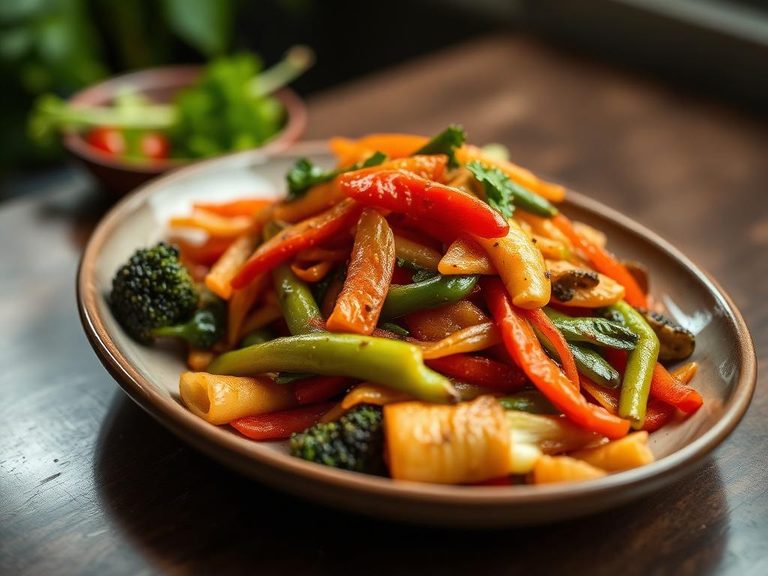
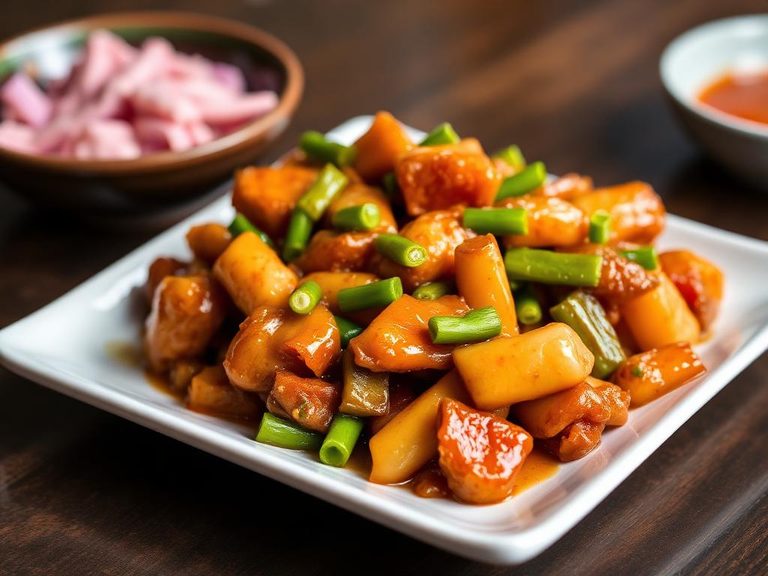
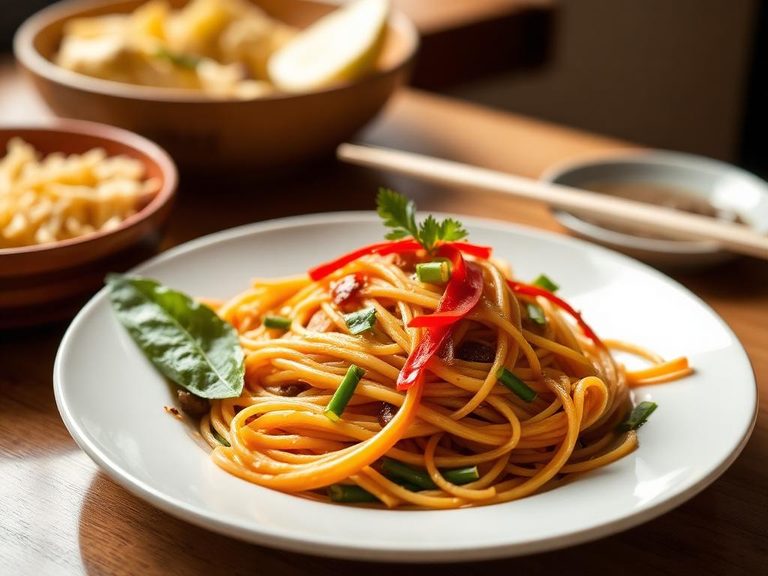
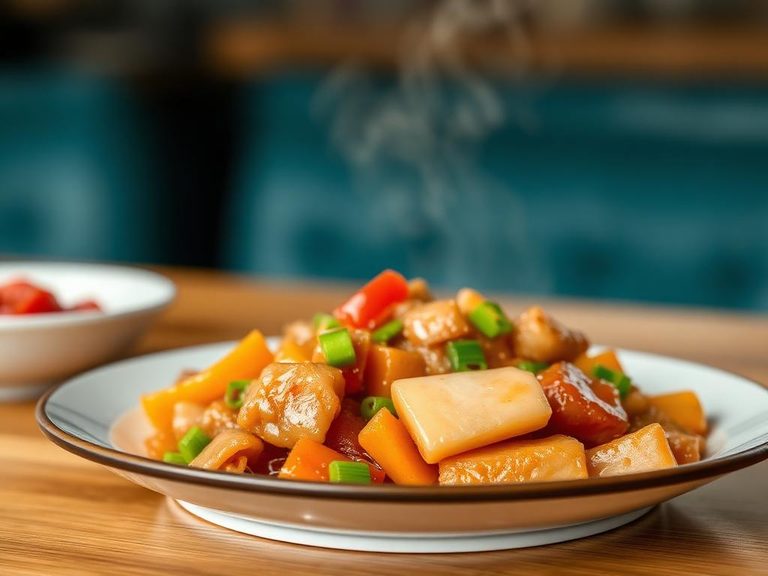
🌍 Where it's eaten
💡 Did you know?
The refining process for this type of oil often involves a 'degumming' step using phosphoric or citric acid, which removes compounds that would otherwise cause the oil to smoke and splatter prematurely.
Full nutrition (USDA data · scales with serving)
| Water | 0.00 g |
| Energy | 884 kcal |
| Energy | 3699 kj |
| Protein | 0.00 g |
| Total lipid (fat) | 100 g |
| Ash | 0.00 g |
| Carbohydrate, by difference | 0.00 g |
| Fiber, total dietary | 0.00 g |
| Total Sugars | 0.00 g |
| Calcium, Ca | 0.00 mg |
| Iron, Fe | 0.02 mg |
| Magnesium, Mg | 0.00 mg |
| Phosphorus, P | 0.00 mg |
| Potassium, K | 0.00 mg |
| Sodium, Na | 0.00 mg |
| Zinc, Zn | 0.00 mg |
| Copper, Cu | 0.00 mg |
| Selenium, Se | 0.00 ug |
| Vitamin C, total ascorbic acid | 0.00 mg |
| Thiamin | 0.00 mg |
| Riboflavin | 0.00 mg |
| Niacin | 0.00 mg |
| Pantothenic acid | 0.00 mg |
| Vitamin B-6 | 0.00 mg |
| Folate, total | 0.00 ug |
| Folic acid | 0.00 ug |
| Folate, food | 0.00 ug |
| Folate, DFE | 0.00 ug |
| Choline, total | 0.20 mg |
| Betaine | 0.00 mg |
| Vitamin B-12 | 0.00 ug |
| Vitamin B-12, added | 0.00 ug |
| Vitamin A, RAE | 0.00 ug |
| Retinol | 0.00 ug |
| Carotene, beta | 0.00 ug |
| Carotene, alpha | 0.00 ug |
| Cryptoxanthin, beta | 0.00 ug |
| Vitamin A, IU | 0.00 iu |
| Lycopene | 0.00 ug |
| Lutein + zeaxanthin | 0.00 ug |
| Vitamin E (alpha-tocopherol) | 8.2 mg |
| Vitamin E, added | 0.00 mg |
| Vitamin K (phylloquinone) | 184 ug |
| Alcohol, ethyl | 0.00 g |
| Caffeine | 0.00 mg |
| Theobromine | 0.00 mg |
Fat & fatty acid profile (per 100g)
| Fatty acids, total saturated | 15.3 g |
| SFA 4:0 | 0.00 g |
| SFA 6:0 | 0.00 g |
| SFA 8:0 | 0.00 g |
| SFA 10:0 | 0.00 g |
| SFA 12:0 | 0.00 g |
| SFA 14:0 | 0.09 g |
| SFA 15:0 | 0.00 g |
| SFA 16:0 | 10.4 g |
| SFA 17:0 | 0.10 g |
| SFA 18:0 | 4.0 g |
| SFA 20:0 | 0.34 g |
| SFA 22:0 | 0.35 g |
| Fatty acids, total monounsaturated | 21.7 g |
| MUFA 16:1 | 0.12 g |
| MUFA 16:1 c | 0.12 g |
| MUFA 18:1 | 21.5 g |
| MUFA 18:1 c | 21.5 g |
| MUFA 20:1 | 0.04 g |
| MUFA 22:1 | 0.00 g |
| Fatty acids, total polyunsaturated | 58.2 g |
| PUFA 18:2 | 51.3 g |
| PUFA 18:2 n-6 c,c | 51.2 g |
| PUFA 18:2 i | 0.12 g |
| PUFA 18:3 | 6.9 g |
| PUFA 18:3 n-3 c,c,c (ALA) | 6.9 g |
| PUFA 18:3i | 0.00 g |
| PUFA 18:4 | 0.00 g |
| PUFA 20:4 | 0.00 g |
| PUFA 20:5 n-3 (EPA) | 0.00 g |
| PUFA 22:5 n-3 (DPA) | 0.00 g |
| PUFA 22:6 n-3 (DHA) | 0.00 g |
| Fatty acids, total trans | 0.12 g |
| Fatty acids, total trans-monoenoic | 0.00 g |
| TFA 18:1 t | 0.00 g |
| Fatty acids, total trans-polyenoic | 0.12 g |
| Cholesterol | 0.00 mg |
| Phytosterols | 250 mg |
Amino acid profile (per 100g)
| Tryptophan | 0.00 g |
| Threonine | 0.00 g |
| Isoleucine | 0.00 g |
| Leucine | 0.00 g |
| Lysine | 0.00 g |
| Methionine | 0.00 g |
| Cystine | 0.00 g |
| Phenylalanine | 0.00 g |
| Tyrosine | 0.00 g |
| Valine | 0.00 g |
| Arginine | 0.00 g |
| Histidine | 0.00 g |
| Alanine | 0.00 g |
| Aspartic acid | 0.00 g |
| Glutamic acid | 0.00 g |
| Glycine | 0.00 g |
| Proline | 0.00 g |
| Serine | 0.00 g |
FAQ
What is the difference between this and regular soybean oil?
This oil is specifically refined to have a higher smoke point and more neutral flavor than standard soybean oil, making it better suited for the intense, direct heat of wok cooking and deep frying.
Can I use this oil for salad dressings?
While possible, it's not ideal. Its neutral flavor is designed for cooking, not for adding taste. For dressings, oils with more character like extra virgin olive oil or toasted sesame oil are preferred.
How should I store it?
Keep it in a cool, dark place like a pantry. Once opened, ensure the cap is tight to prevent oxidation. For long-term storage, refrigeration can help maintain freshness, though it may become cloudy.
Nutrient density (calculated · NRF9.3)
Nutrient Rich Foods index: beneficial nutrients (protein, fiber, vitamins, minerals) minus saturated fat, added sugar & sodium, per 100 kcal.
NRF9.3 index — Fulgoni, Keast & Drewnowski, 2009. Computed from USDA nutrients.
Weight-loss friendliness (composite index)
Energy density 8.84 kcal/g · 0% calories from protein · 0.0 g fiber · 0.0 g sugar per 100 g.
Composite of energy density (Rolls et al., 1999), protein & fiber satiety, minus sugar. A calculated heuristic — ranks satiety-per-calorie, not a clinical measure.
Dietary load (calculated from USDA values)
Potential renal acid load. Positive = acid-forming, negative = alkaline-forming.
Sodium:potassium per WHO potassium guidance. Computed from USDA nutrients.