

Oil, industrial, canola (partially hydrogenated) oil for deep fat frying
Whole food · Fats and Oils

Photo: Wikipedia
This is a highly refined, partially hydrogenated canola oil engineered for industrial deep-fat frying, prized for its neutral flavor and high thermal stability. It delivers a pure, liquid fat texture and is essentially a calorie-dense energy source, providing 884 kcal and 100g of fat per 100g with zero protein, carbs, or fiber. Its primary role is as a functional cooking medium rather than a standalone food.
Calorie split: 0% protein · 0% carbs · 100% fat
↓ Full nutrition💚 Why it's loved
It's beloved in commercial kitchens for its ability to produce consistently crisp, golden-brown fried foods without imparting a strong taste, making it a versatile workhorse for everything from french fries to doughnuts.
⚠️ Watch-outs & how to enjoy it better
The partial hydrogenation process can create trans fats, which are linked to increased cardiovascular risk. To counteract, consumers should limit intake, opt for non-hydrogenated oils (like regular canola or avocado oil) for home cooking, and balance meals with fiber-rich vegetables and lean proteins to mitigate any negative metabolic impact.
Key benefits
- High smoke point ideal for deep-frying
- Neutral flavor doesn't overpower food
- Cost-effective for commercial food production
- Long shelf life and stable under heat
- Provides essential fatty acids (in unprocessed form)
🍽️ Popular dishes
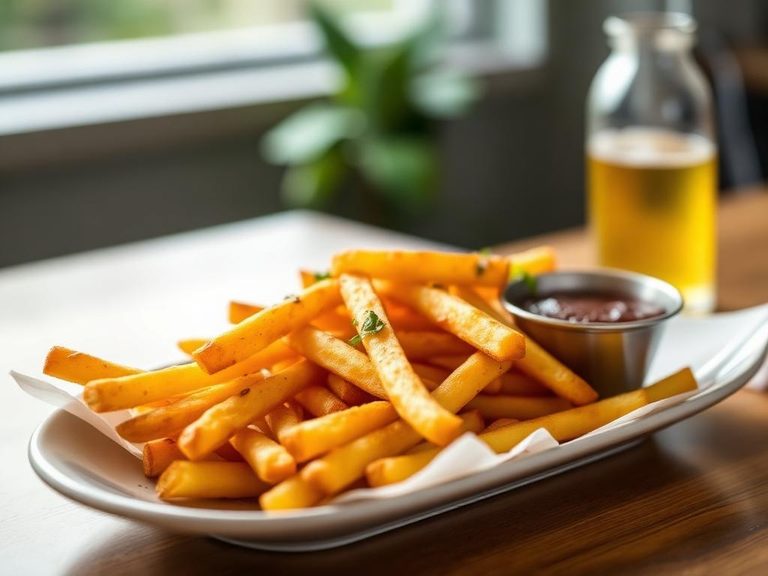



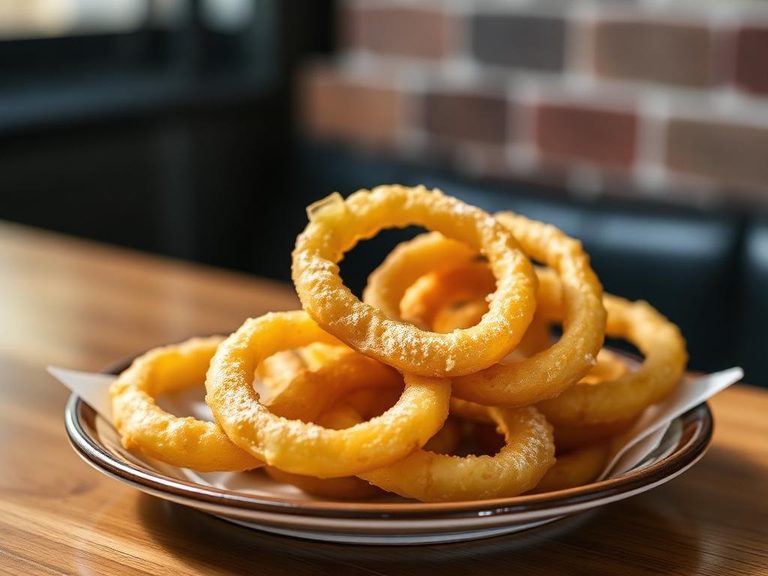

🌍 Where it's eaten
💡 Did you know?
Partially hydrogenated oils were once hailed as a 'healthier' alternative to animal fats, but their trans fat content led to a global regulatory crackdown, with many countries banning or phasing them out by the 2020s.
Full nutrition (USDA data · scales with serving)
| Water | 0.00 g |
| Energy | 884 kcal |
| Energy | 3699 kj |
| Protein | 0.00 g |
| Total lipid (fat) | 100 g |
| Ash | 0.00 g |
| Carbohydrate, by difference | 0.00 g |
| Fiber, total dietary | 0.00 g |
| Total Sugars | 0.00 g |
| Calcium, Ca | 0.00 mg |
| Iron, Fe | 0.00 mg |
| Magnesium, Mg | 0.00 mg |
| Phosphorus, P | 0.00 mg |
| Potassium, K | 0.00 mg |
| Sodium, Na | 0.00 mg |
| Zinc, Zn | 0.00 mg |
| Copper, Cu | 0.00 mg |
| Manganese, Mn | 0.00 mg |
| Selenium, Se | 0.00 ug |
| Vitamin C, total ascorbic acid | 0.00 mg |
| Thiamin | 0.00 mg |
| Riboflavin | 0.00 mg |
| Niacin | 0.00 mg |
| Pantothenic acid | 0.00 mg |
| Vitamin B-6 | 0.00 mg |
| Folate, total | 0.00 ug |
| Folic acid | 0.00 ug |
| Folate, food | 0.00 ug |
| Folate, DFE | 0.00 ug |
| Choline, total | 0.20 mg |
| Vitamin B-12 | 0.00 ug |
| Vitamin B-12, added | 0.00 ug |
| Vitamin A, RAE | 0.00 ug |
| Retinol | 0.00 ug |
| Carotene, beta | 0.00 ug |
| Carotene, alpha | 0.00 ug |
| Cryptoxanthin, beta | 0.00 ug |
| Vitamin A, IU | 0.00 iu |
| Lycopene | 0.00 ug |
| Lutein + zeaxanthin | 0.00 ug |
| Vitamin E (alpha-tocopherol) | 17.5 mg |
| Vitamin E, added | 0.00 mg |
| Vitamin K (phylloquinone) | 71.3 ug |
| Alcohol, ethyl | 0.00 g |
| Caffeine | 0.00 mg |
| Theobromine | 0.00 mg |
Fat & fatty acid profile (per 100g)
| Fatty acids, total saturated | 10.1 g |
| SFA 4:0 | 0.00 g |
| SFA 6:0 | 0.00 g |
| SFA 8:0 | 0.00 g |
| SFA 10:0 | 0.00 g |
| SFA 12:0 | 0.00 g |
| SFA 14:0 | 0.07 g |
| SFA 15:0 | 0.05 g |
| SFA 16:0 | 5.1 g |
| SFA 17:0 | 0.08 g |
| SFA 18:0 | 3.8 g |
| SFA 20:0 | 0.64 g |
| SFA 22:0 | 0.35 g |
| Fatty acids, total monounsaturated | 71.1 g |
| MUFA 16:1 | 0.22 g |
| MUFA 16:1 c | 0.22 g |
| MUFA 18:1 | 70.1 g |
| MUFA 18:1 c | 47.3 g |
| MUFA 20:1 | 0.78 g |
| MUFA 22:1 | 0.00 g |
| Fatty acids, total polyunsaturated | 14.0 g |
| PUFA 18:2 | 12.5 g |
| PUFA 18:2 n-6 c,c | 8.8 g |
| PUFA 18:2 i | 3.8 g |
| PUFA 18:3 | 1.5 g |
| PUFA 18:3 n-3 c,c,c (ALA) | 1.0 g |
| PUFA 18:3i | 0.47 g |
| PUFA 18:4 | 0.00 g |
| PUFA 20:4 | 0.00 g |
| PUFA 20:5 n-3 (EPA) | 0.00 g |
| PUFA 22:5 n-3 (DPA) | 0.00 g |
| PUFA 22:6 n-3 (DHA) | 0.00 g |
| Fatty acids, total trans | 27.0 g |
| Fatty acids, total trans-monoenoic | 22.8 g |
| TFA 18:1 t | 22.8 g |
| Fatty acids, total trans-polyenoic | 4.2 g |
| Cholesterol | 0.00 mg |
Amino acid profile (per 100g)
Estimated from Oil, safflower, salad or cooking, high oleic (primary safflower oil of commerce) — USDA does not publish this profile for Oil.
| Tryptophan | 0.00 g |
| Threonine | 0.00 g |
| Isoleucine | 0.00 g |
| Leucine | 0.00 g |
| Lysine | 0.00 g |
| Methionine | 0.00 g |
| Cystine | 0.00 g |
| Phenylalanine | 0.00 g |
| Tyrosine | 0.00 g |
| Valine | 0.00 g |
| Arginine | 0.00 g |
| Histidine | 0.00 g |
| Alanine | 0.00 g |
| Aspartic acid | 0.00 g |
| Glutamic acid | 0.00 g |
| Glycine | 0.00 g |
| Proline | 0.00 g |
| Serine | 0.00 g |
FAQ
What is the difference between partially hydrogenated and fully hydrogenated oil?
Partially hydrogenated oil contains trans fats, while fully hydrogenated oil is saturated and contains no trans fats, though it is very solid.
Is canola oil healthy?
Regular, non-hydrogenated canola oil is considered healthy due to its low saturated fat and high omega-3 content, but partially hydrogenated versions should be avoided due to trans fats.
Can I use this oil for baking?
While possible, it's not ideal for baking as it lacks flavor and may affect texture; neutral oils like vegetable or canola (non-hydrogenated) are better choices.
Why is it used in deep frying?
Its high smoke point and stability at high temperatures make it perfect for deep frying, as it doesn't break down easily and maintains food quality.
Nutrient density (calculated · NRF9.3)
Nutrient Rich Foods index: beneficial nutrients (protein, fiber, vitamins, minerals) minus saturated fat, added sugar & sodium, per 100 kcal.
NRF9.3 index — Fulgoni, Keast & Drewnowski, 2009. Computed from USDA nutrients.
Weight-loss friendliness (composite index)
Energy density 8.84 kcal/g · 0% calories from protein · 0.0 g fiber · 0.0 g sugar per 100 g.
Composite of energy density (Rolls et al., 1999), protein & fiber satiety, minus sugar. A calculated heuristic — ranks satiety-per-calorie, not a clinical measure.
Dietary load (calculated from USDA values)
Potential renal acid load. Positive = acid-forming, negative = alkaline-forming.
Sodium:potassium per WHO potassium guidance. Computed from USDA nutrients.