

Flour, wheat, all-purpose, enriched, unbleached
Whole food · Cereal Grains and Pasta
This is the workhorse of the home kitchen: a finely milled, creamy-white flour with a mild, slightly sweet wheat flavor and a soft, powdery texture. Nutritionally, it's a dense source of energy, delivering over 350 calories and a substantial 13 grams of protein per 100 grams. Its enrichment adds back key B vitamins and iron, making it a fortified staple.
Calorie split: 15% protein · 82% carbs · 4% fat
↓ Full nutrition💚 Why it's loved
People love it for its unparalleled versatility—it's the reliable foundation for everything from fluffy pancakes and tender cakes to chewy pizza dough and homemade pasta. Its mild taste and consistent texture make it a trusted, accessible ingredient for bakers of all skill levels.
⚠️ Watch-outs & how to enjoy it better
As a refined carbohydrate with minimal fiber, it can cause rapid blood-sugar spikes and lacks the sustained energy of whole grains. It's also a common allergen (wheat/gluten) and may contain phytates that reduce mineral absorption. To mitigate, pair it with protein (eggs, nuts) or healthy fats (avocado, olive oil), or blend it with whole-grain flours to boost fiber and slow digestion.
Key benefits
- High in energy-dense complex carbohydrates
- Good source of plant-based protein (13.1g per 100g)
- Enriched with iron and B vitamins like thiamin, riboflavin, and niacin
- Versatile base for countless baked goods and savory dishes
- Provides a neutral flavor that complements other ingredients
🍽️ Popular dishes


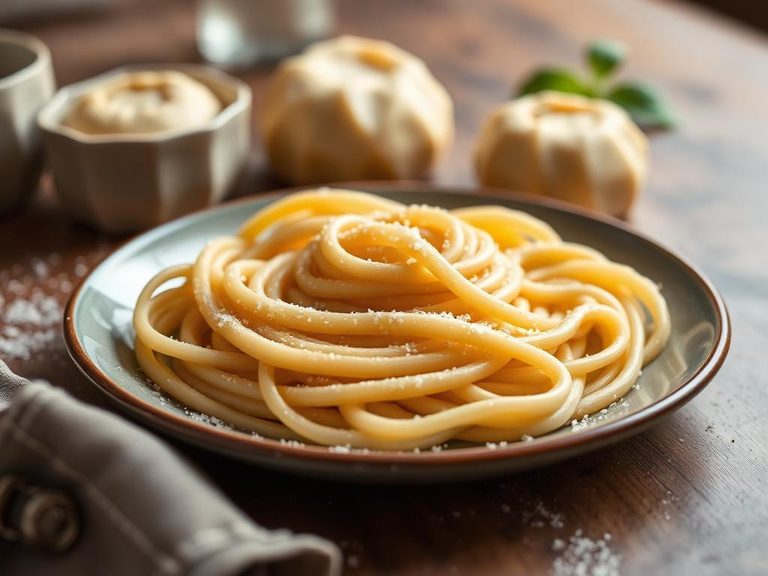
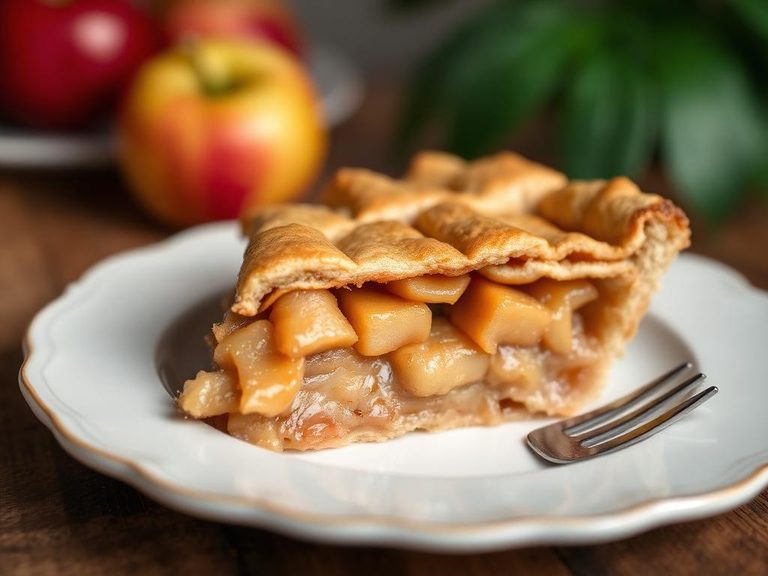


🌍 Where it's eaten
💡 Did you know?
The 'enriched' label is a direct result of U.S. government policy from the 1940s, mandated to replace nutrients lost during the modern milling process that strips the bran and germ.
Full nutrition (USDA data · scales with serving)
| Water | 11.7 g |
| Energy (Atwater General Factors) | 359 kcal |
| Energy (Atwater Specific Factors) | 367 kcal |
| Energy | 358 kcal |
| Energy | 1500 kj |
| Nitrogen | 2.1 g |
| Protein | 13.1 g |
| Total lipid (fat) | 1.5 g |
| Ash | 0.53 g |
| Carbohydrate, by difference | 73.2 g |
| Calcium, Ca | 21.0 mg |
| Iron, Fe | 5.4 mg |
| Magnesium, Mg | 33.3 mg |
| Phosphorus, P | 115 mg |
| Potassium, K | 135 mg |
| Sodium, Na | 4.0 mg |
| Zinc, Zn | 0.90 mg |
| Copper, Cu | 0.17 mg |
| Manganese, Mn | 0.88 mg |
| Selenium, Se | 14.2 ug |
| Molybdenum, Mo | 27.7 ug |
| Thiamin | 1.1 mg |
| Riboflavin | 0.47 mg |
| Niacin | 7.1 mg |
| Vitamin B-6 | 0.08 mg |
| Folate, total | 159 ug |
Fat & fatty acid profile (per 100g)
Estimated from Pasta, gluten-free, corn flour and quinoa flour, cooked, ANCIENT HARVEST — USDA does not publish this profile for Flour.
| Fatty acids, total saturated | 0.15 g |
| SFA 4:0 | 0.00 g |
| SFA 6:0 | 0.00 g |
| SFA 8:0 | 0.00 g |
| SFA 10:0 | 0.00 g |
| SFA 12:0 | 0.00 g |
| SFA 14:0 | 0.01 g |
| SFA 15:0 | 0.00 g |
| SFA 16:0 | 0.09 g |
| SFA 17:0 | 0.00 g |
| SFA 18:0 | 0.04 g |
| SFA 20:0 | 0.01 g |
| SFA 22:0 | 0.00 g |
| SFA 24:0 | 0.00 g |
| Fatty acids, total monounsaturated | 0.66 g |
| MUFA 14:1 | 0.00 g |
| MUFA 15:1 | 0.17 g |
| MUFA 16:1 | 0.00 g |
| MUFA 16:1 c | 0.00 g |
| MUFA 17:1 | 0.00 g |
| MUFA 18:1 | 0.48 g |
| MUFA 18:1 c | 0.47 g |
| MUFA 20:1 | 0.01 g |
| MUFA 22:1 | 0.00 g |
| MUFA 22:1 c | 0.00 g |
| MUFA 24:1 c | 0.00 g |
| Fatty acids, total polyunsaturated | 0.95 g |
| PUFA 18:2 | 0.91 g |
| PUFA 18:2 n-6 c,c | 0.91 g |
| PUFA 18:2 CLAs | 0.00 g |
| PUFA 18:3 | 0.03 g |
| PUFA 18:3 n-3 c,c,c (ALA) | 0.03 g |
| PUFA 18:3 n-6 c,c,c | 0.00 g |
| PUFA 18:3i | 0.00 g |
| PUFA 18:4 | 0.00 g |
| PUFA 20:2 n-6 c,c | 0.00 g |
| PUFA 20:3 | 0.00 g |
| PUFA 20:3 n-3 | 0.00 g |
| PUFA 20:3 n-6 | 0.00 g |
| PUFA 20:4 | 0.00 g |
| PUFA 20:5 n-3 (EPA) | 0.00 g |
| PUFA 22:4 | 0.00 g |
| PUFA 22:5 n-3 (DPA) | 0.00 g |
| PUFA 22:6 n-3 (DHA) | 0.00 g |
| Fatty acids, total trans | 0.01 g |
| Fatty acids, total trans-monoenoic | 0.00 g |
| TFA 16:1 t | 0.00 g |
| TFA 18:1 t | 0.00 g |
| TFA 22:1 t | 0.00 g |
| TFA 18:2 t not further defined | 0.00 g |
| Fatty acids, total trans-polyenoic | 0.00 g |
| Cholesterol | 0.00 mg |
Amino acid profile (per 100g)
Estimated from Pasta, gluten-free, corn flour and quinoa flour, cooked, ANCIENT HARVEST — USDA does not publish this profile for Flour.
| Tryptophan | 0.02 g |
| Threonine | 0.10 g |
| Isoleucine | 0.09 g |
| Leucine | 0.35 g |
| Lysine | 0.16 g |
| Methionine | 0.06 g |
| Cystine | 0.07 g |
| Phenylalanine | 0.15 g |
| Tyrosine | 0.12 g |
| Valine | 0.11 g |
| Arginine | 0.18 g |
| Histidine | 0.09 g |
| Alanine | 0.21 g |
| Aspartic acid | 0.19 g |
| Glutamic acid | 0.46 g |
| Glycine | 0.12 g |
| Proline | 0.29 g |
| Serine | 0.15 g |
| Hydroxyproline | 0.00 g |
FAQ
What's the difference between 'enriched' and 'unbleached'?
'Enriched' means vitamins (thiamin, riboflavin, niacin, folic acid) and iron are added back after milling. 'Unbleached' means the flour hasn't been treated with chemical whitening agents like benzoyl peroxide, giving it a slightly off-white color and often a marginally denser texture.
Can I substitute this for whole wheat flour 1:1?
Not directly. Whole wheat flour absorbs more liquid and has a heavier texture. A common starting point is to substitute 25-50% of the all-purpose flour with whole wheat in a recipe, and consider adding a bit more liquid or fat to maintain moisture.
Why does my flour sometimes have small brown specks?
Those are tiny bits of wheat germ or bran that weren't fully sifted out. It's a natural occurrence in unbleached flour and doesn't indicate spoilage; it's perfectly safe to use.
Nutrient density (calculated · NRF9.3)
Nutrient Rich Foods index: beneficial nutrients (protein, fiber, vitamins, minerals) minus saturated fat, added sugar & sodium, per 100 kcal.
NRF9.3 index — Fulgoni, Keast & Drewnowski, 2009. Computed from USDA nutrients.
Weight-loss friendliness (composite index)
Energy density 3.58 kcal/g · 15% calories from protein · 0.0 g fiber · 0.0 g sugar per 100 g.
Composite of energy density (Rolls et al., 1999), protein & fiber satiety, minus sugar. A calculated heuristic — ranks satiety-per-calorie, not a clinical measure.
Dietary load (calculated from USDA values)
Potential renal acid load. Positive = acid-forming, negative = alkaline-forming.
Sodium-to-potassium ratio: 0.03 (lower is better — aim for ≤ 1)
Sodium:potassium per WHO potassium guidance. Computed from USDA nutrients.