

Flour, quinoa
Whole food · Cereal Grains and Pasta

Photo: Wikipedia
Quinoa flour is a fine, pale powder milled from whole quinoa seeds, offering a mildly nutty, earthy flavor with a subtle, pleasant bitterness. Its texture is lighter than whole wheat but can be slightly gritty if not sifted, making it ideal for creating tender, protein-rich baked goods. Nutritionally, it's a powerhouse, delivering over 11g of complete protein per 100g, which is exceptionally high for a flour.
Calorie split: 12% protein · 72% carbs · 15% fat
↓ Full nutrition💚 Why it's loved
People love quinoa flour for its unique, nutty depth that adds complexity to both sweet and savory recipes without being overpowering. Its exceptional protein content and gluten-free nature make it a versatile staple for health-conscious cooks and those with dietary restrictions, bridging the gap between nutrition and culinary creativity.
⚠️ Watch-outs & how to enjoy it better
The distinct earthy, slightly bitter taste can be off-putting if used in high proportions, and its lack of gluten can lead to crumbly textures in baked goods. To counteract bitterness, toast the flour lightly before use. For texture, blend it with other flours (like oat or almond) and use binding agents like eggs, xanthan gum, or mashed banana to improve structure.
Key benefits
- Complete protein source containing all nine essential amino acids.
- Naturally gluten-free, suitable for celiac or gluten-sensitive diets.
- High in dietary fiber, promoting digestive health and satiety.
- Rich in minerals like magnesium, iron, and manganese.
- Has a low glycemic index compared to many refined flours.
🍽️ Popular dishes
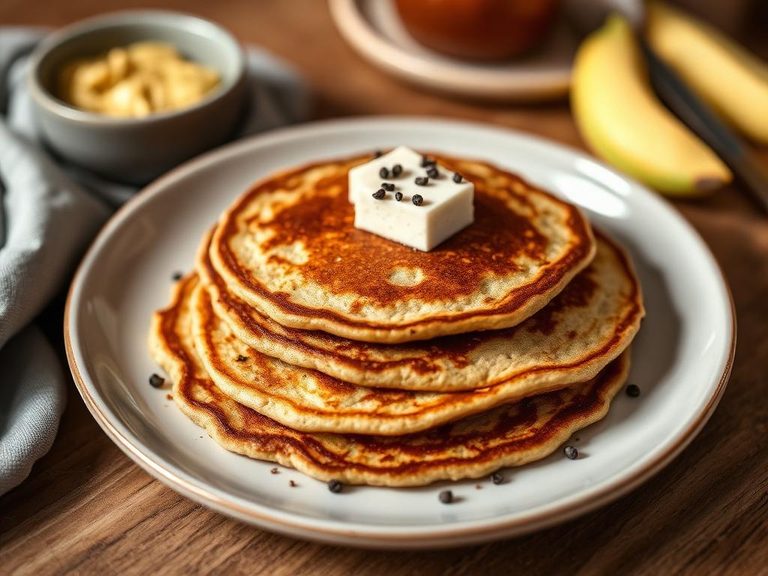
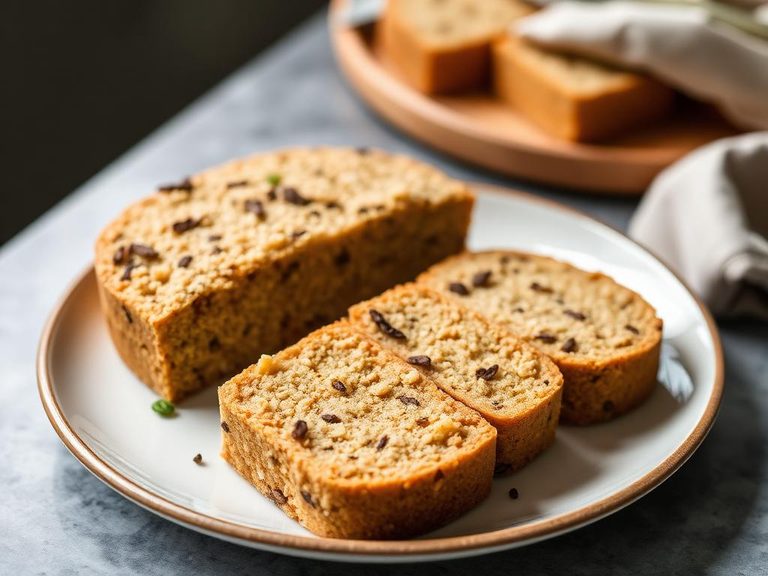
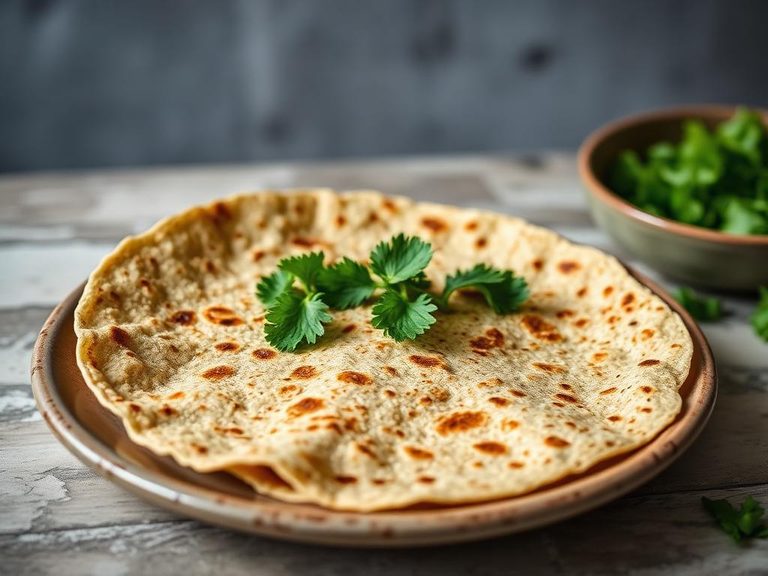
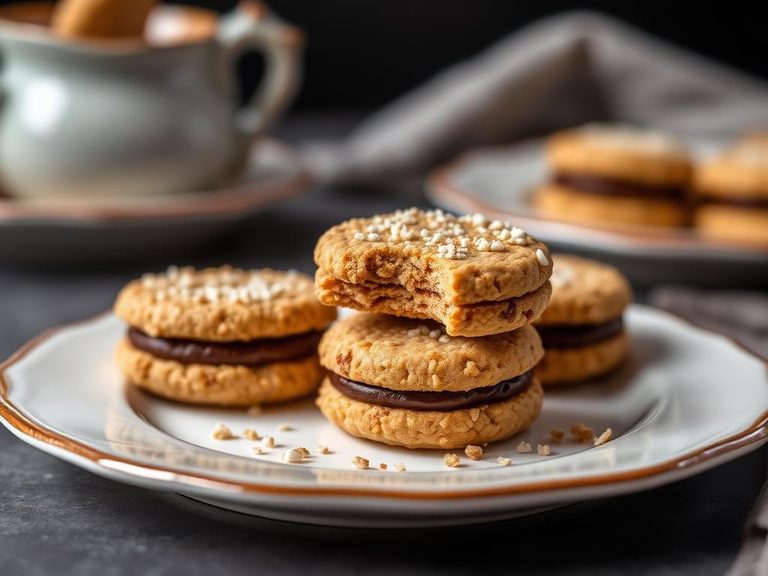
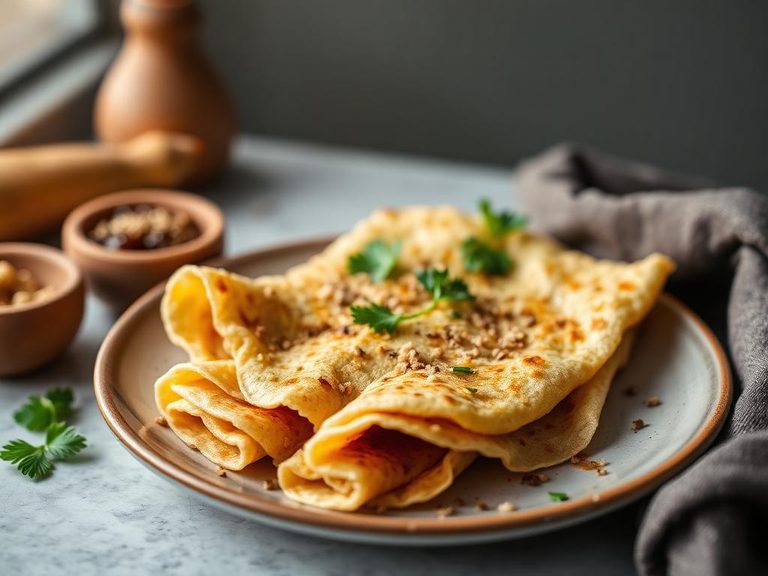
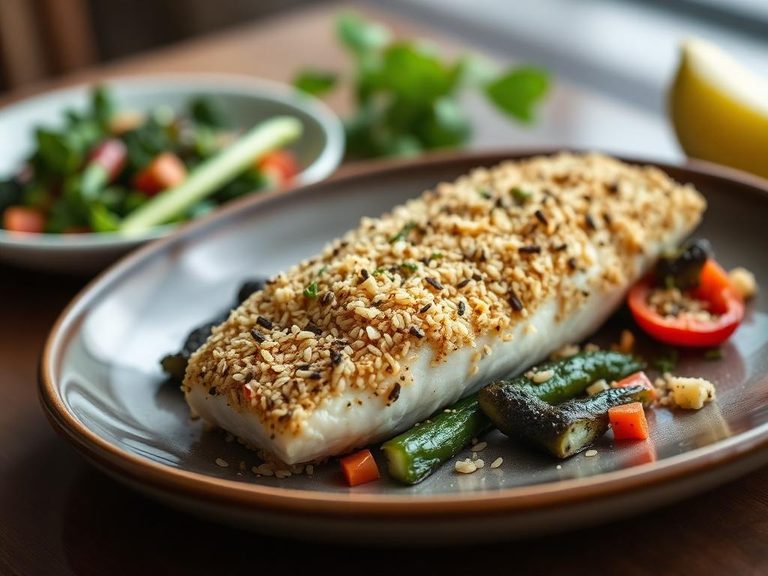
🌍 Where it's eaten
💡 Did you know?
Quinoa was so revered by the Inca Empire as the 'mother of all grains' that the Sapa Inca would ceremonially plant the first seeds each year using a golden spade.
Full nutrition (USDA data · scales with serving)
| Water | 10.0 g |
| Energy (Atwater General Factors) | 385 kcal |
| Energy (Atwater Specific Factors) | 378 kcal |
| Nitrogen | 2.0 g |
| Protein | 11.9 g |
| Total lipid (fat) | 6.6 g |
| Ash | 2.0 g |
| Carbohydrate, by difference | 69.5 g |
| Fiber, total dietary | 6.3 g |
| Total dietary fiber (AOAC 2011.25) | 7.0 g |
| High Molecular Weight Dietary Fiber (HMWDF) | 6.3 g |
| Low Molecular Weight Dietary Fiber (LMWDF) | 0.15 g |
| Beta-glucan | 0.00 g |
| Starch | 58.1 g |
| Calcium, Ca | 37.6 mg |
| Iron, Fe | 4.5 mg |
| Magnesium, Mg | 164 mg |
| Phosphorus, P | 369 mg |
| Potassium, K | 551 mg |
| Sodium, Na | 6.3 mg |
| Zinc, Zn | 2.8 mg |
| Copper, Cu | 0.48 mg |
| Manganese, Mn | 2.0 mg |
| Selenium, Se | 4.1 ug |
| Molybdenum, Mo | 17.6 ug |
| Thiamin | 0.34 mg |
| Riboflavin | 0.32 mg |
| Niacin | 1.2 mg |
| Vitamin B-6 | 0.22 mg |
| Biotin | 26.3 ug |
Fat & fatty acid profile (per 100g)
Estimated from Pasta, gluten-free, corn flour and quinoa flour, cooked, ANCIENT HARVEST — USDA does not publish this profile for Flour.
| Fatty acids, total saturated | 0.15 g |
| SFA 4:0 | 0.00 g |
| SFA 6:0 | 0.00 g |
| SFA 8:0 | 0.00 g |
| SFA 10:0 | 0.00 g |
| SFA 12:0 | 0.00 g |
| SFA 14:0 | 0.01 g |
| SFA 15:0 | 0.00 g |
| SFA 16:0 | 0.09 g |
| SFA 17:0 | 0.00 g |
| SFA 18:0 | 0.04 g |
| SFA 20:0 | 0.01 g |
| SFA 22:0 | 0.00 g |
| SFA 24:0 | 0.00 g |
| Fatty acids, total monounsaturated | 0.66 g |
| MUFA 14:1 | 0.00 g |
| MUFA 15:1 | 0.17 g |
| MUFA 16:1 | 0.00 g |
| MUFA 16:1 c | 0.00 g |
| MUFA 17:1 | 0.00 g |
| MUFA 18:1 | 0.48 g |
| MUFA 18:1 c | 0.47 g |
| MUFA 20:1 | 0.01 g |
| MUFA 22:1 | 0.00 g |
| MUFA 22:1 c | 0.00 g |
| MUFA 24:1 c | 0.00 g |
| Fatty acids, total polyunsaturated | 0.95 g |
| PUFA 18:2 | 0.91 g |
| PUFA 18:2 n-6 c,c | 0.91 g |
| PUFA 18:2 CLAs | 0.00 g |
| PUFA 18:3 | 0.03 g |
| PUFA 18:3 n-3 c,c,c (ALA) | 0.03 g |
| PUFA 18:3 n-6 c,c,c | 0.00 g |
| PUFA 18:3i | 0.00 g |
| PUFA 18:4 | 0.00 g |
| PUFA 20:2 n-6 c,c | 0.00 g |
| PUFA 20:3 | 0.00 g |
| PUFA 20:3 n-3 | 0.00 g |
| PUFA 20:3 n-6 | 0.00 g |
| PUFA 20:4 | 0.00 g |
| PUFA 20:5 n-3 (EPA) | 0.00 g |
| PUFA 22:4 | 0.00 g |
| PUFA 22:5 n-3 (DPA) | 0.00 g |
| PUFA 22:6 n-3 (DHA) | 0.00 g |
| Fatty acids, total trans | 0.01 g |
| Fatty acids, total trans-monoenoic | 0.00 g |
| TFA 16:1 t | 0.00 g |
| TFA 18:1 t | 0.00 g |
| TFA 22:1 t | 0.00 g |
| TFA 18:2 t not further defined | 0.00 g |
| Fatty acids, total trans-polyenoic | 0.00 g |
| Cholesterol | 0.00 mg |
Amino acid profile (per 100g)
Estimated from Pasta, gluten-free, corn flour and quinoa flour, cooked, ANCIENT HARVEST — USDA does not publish this profile for Flour.
| Tryptophan | 0.02 g |
| Threonine | 0.10 g |
| Isoleucine | 0.09 g |
| Leucine | 0.35 g |
| Lysine | 0.16 g |
| Methionine | 0.06 g |
| Cystine | 0.07 g |
| Phenylalanine | 0.15 g |
| Tyrosine | 0.12 g |
| Valine | 0.11 g |
| Arginine | 0.18 g |
| Histidine | 0.09 g |
| Alanine | 0.21 g |
| Aspartic acid | 0.19 g |
| Glutamic acid | 0.46 g |
| Glycine | 0.12 g |
| Proline | 0.29 g |
| Serine | 0.15 g |
| Hydroxyproline | 0.00 g |
FAQ
Can I substitute quinoa flour 1:1 for all-purpose flour?
Not typically. Its lack of gluten and different absorption rate mean it's best used in blends (e.g., 25-50% quinoa flour with other GF flours) or in recipes specifically designed for it, like pancakes or flatbreads.
How do I store quinoa flour?
Due to its healthy fats, it can go rancid. Store it in an airtight container in the refrigerator or freezer for up to 6 months to preserve freshness.
Does it need to be cooked before eating?
No, it's safe to eat raw, but it's most commonly used in cooked applications like baking, pancakes, or as a thickener. Toasting it in a dry pan for a few minutes enhances its nutty flavor.
Nutrient density (calculated · NRF9.3)
Nutrient Rich Foods index: beneficial nutrients (protein, fiber, vitamins, minerals) minus saturated fat, added sugar & sodium, per 100 kcal.
NRF9.3 index — Fulgoni, Keast & Drewnowski, 2009. Computed from USDA nutrients.
Weight-loss friendliness (composite index)
Energy density 3.85 kcal/g · 12% calories from protein · 6.3 g fiber · 0.0 g sugar per 100 g.
Composite of energy density (Rolls et al., 1999), protein & fiber satiety, minus sugar. A calculated heuristic — ranks satiety-per-calorie, not a clinical measure.
Dietary load (calculated from USDA values)
Potential renal acid load. Positive = acid-forming, negative = alkaline-forming.
Sodium-to-potassium ratio: 0.01 (lower is better — aim for ≤ 1)
Sodium:potassium per WHO potassium guidance. Computed from USDA nutrients.