

Beef, New Zealand, imported, subcutaneous fat, raw
Whole food · Beef Products

Photo: Wikipedia
This is the pure, white subcutaneous fat trimmed from the surface of New Zealand beef, prized for its firm, waxy texture and clean, rich flavor. When rendered, it transforms into a clear, high-smoke-point tallow with a subtle, savory depth. Nutritionally, it is almost 100% fat, providing a dense source of energy and essential fatty acids.
Calorie split: 5% protein · 0% carbs · 95% fat
↓ Full nutrition💚 Why it's loved
People love it for its ability to impart a deep, savory richness and unparalleled mouthfeel to dishes, from flaky pastry crusts to succulent roasts. Its versatility as a cooking fat and flavor enhancer makes it a staple in traditional kitchens.
⚠️ Watch-outs & how to enjoy it better
Due to its very high saturated fat and calorie content, it should be consumed in moderation, especially by those monitoring heart health or calorie intake. To counteract this, use it sparingly as a flavoring agent rather than a primary fat, and pair dishes containing it with high-fiber vegetables or lean proteins to balance the meal.
Key benefits
- Excellent source of energy-dense calories
- High in saturated and monounsaturated fats for cooking stability
- Contains fat-soluble vitamins like Vitamin E
- Provides a clean, high-smoke-point cooking medium
- Traditional ingredient for flavor and mouthfeel in many cuisines
🍽️ Popular dishes
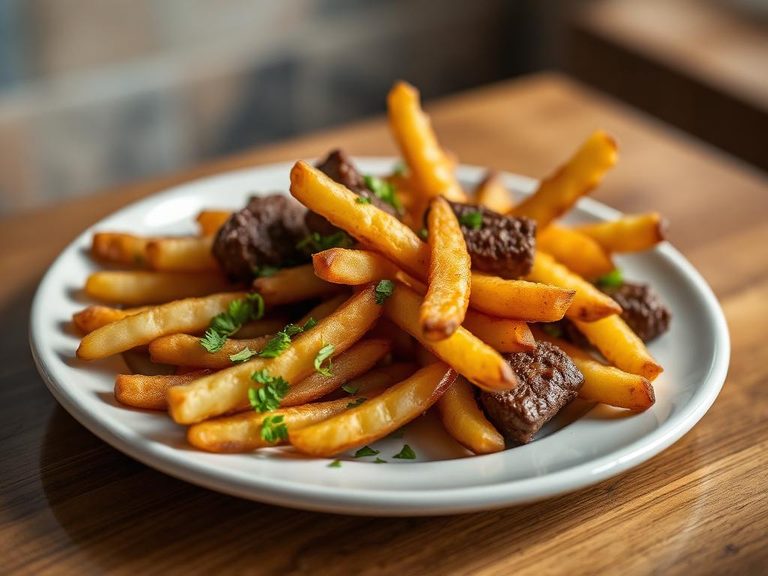
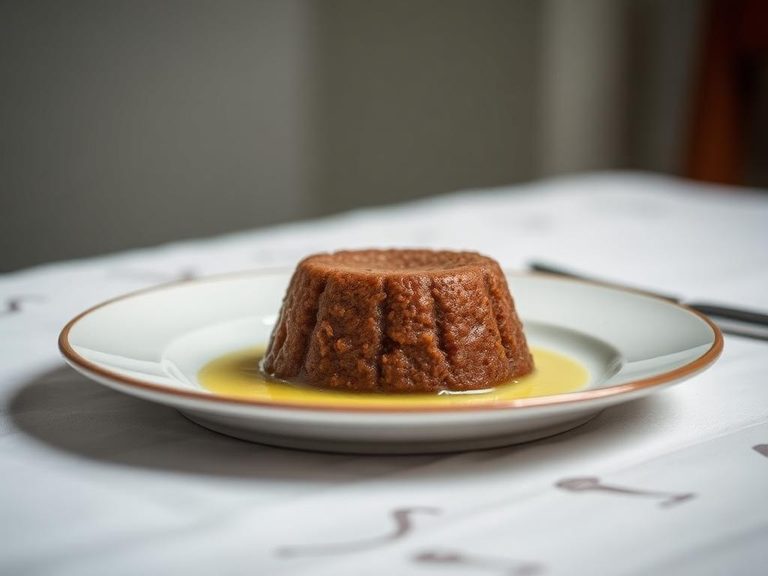
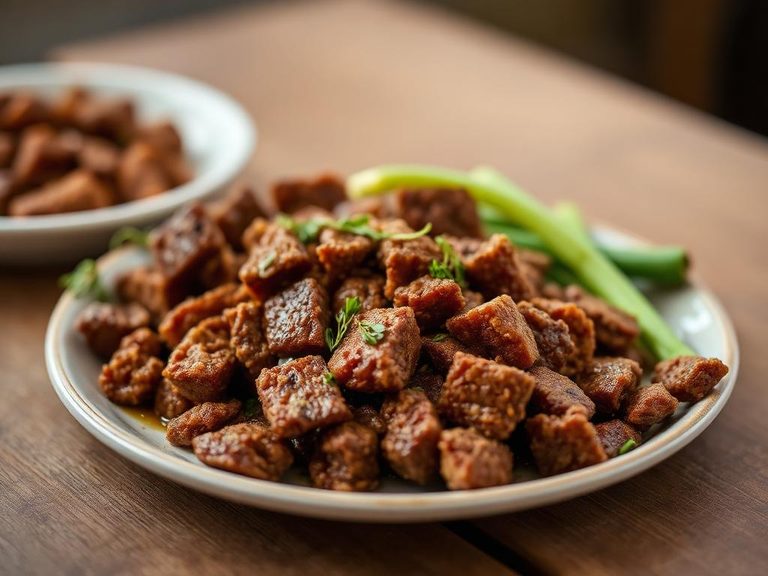
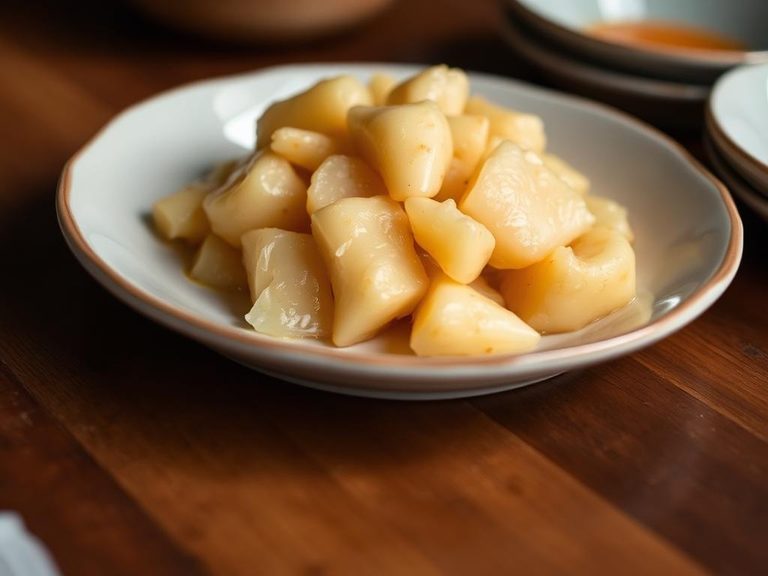
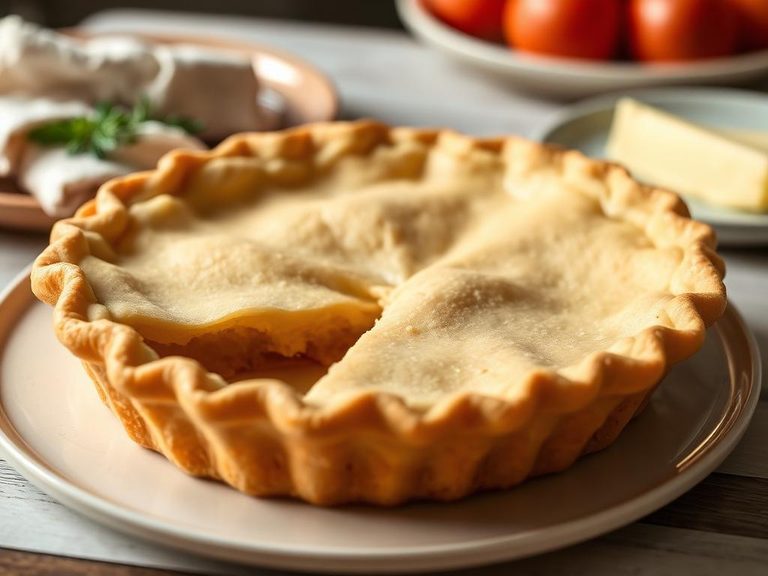
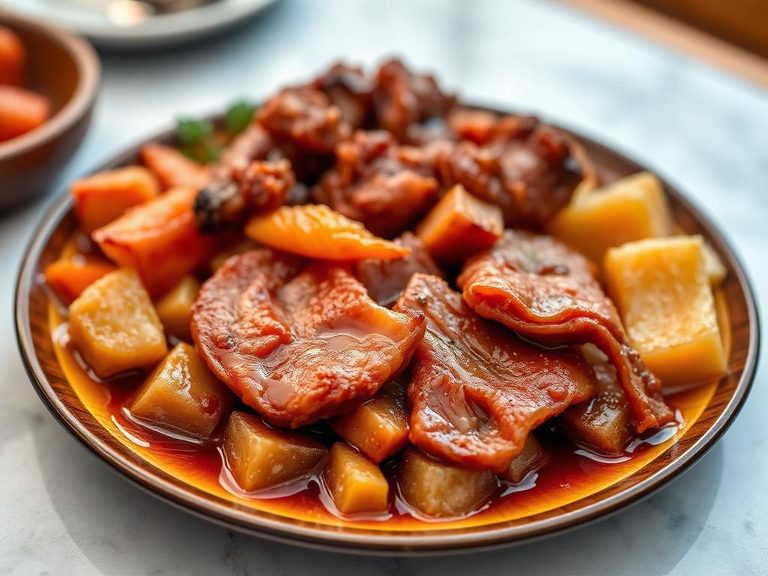
🌍 Where it's eaten
💡 Did you know?
New Zealand beef fat is often considered exceptionally clean and high-quality due to the country's grass-fed cattle farming practices.
Full nutrition (USDA data · scales with serving)
| Water | 19.9 g |
| Energy | 685 kcal |
| Energy | 2868 kj |
| Protein | 8.5 g |
| Total lipid (fat) | 72.4 g |
| Ash | 0.10 g |
| Carbohydrate, by difference | 0.00 g |
| Fiber, total dietary | 0.00 g |
| Total Sugars | 0.00 g |
| Calcium, Ca | 20.0 mg |
| Iron, Fe | 0.38 mg |
| Magnesium, Mg | 5.0 mg |
| Phosphorus, P | 51.0 mg |
| Potassium, K | 93.0 mg |
| Sodium, Na | 26.0 mg |
| Zinc, Zn | 0.36 mg |
| Copper, Cu | 0.01 mg |
| Manganese, Mn | 0.00 mg |
| Selenium, Se | 1.8 ug |
| Vitamin C, total ascorbic acid | 0.00 mg |
| Thiamin | 0.13 mg |
| Riboflavin | 0.03 mg |
| Niacin | 0.74 mg |
| Pantothenic acid | 0.09 mg |
| Vitamin B-6 | 0.05 mg |
| Vitamin B-12 | 0.16 ug |
| Vitamin B-12, added | 0.00 ug |
| Carotene, beta | 0.00 ug |
| Carotene, alpha | 0.00 ug |
| Cryptoxanthin, beta | 0.00 ug |
| Lycopene | 0.00 ug |
| Lutein + zeaxanthin | 0.00 ug |
| Vitamin D (D2 + D3), International Units | 11.0 iu |
| Vitamin D (D2 + D3) | 0.30 ug |
| Vitamin D3 (cholecalciferol) | 0.30 ug |
| Alcohol, ethyl | 0.00 g |
| Caffeine | 0.00 mg |
| Theobromine | 0.00 mg |
Fat & fatty acid profile (per 100g)
| Fatty acids, total saturated | 31.5 g |
| SFA 4:0 | 0.00 g |
| SFA 6:0 | 0.00 g |
| SFA 8:0 | 0.00 g |
| SFA 10:0 | 0.03 g |
| SFA 12:0 | 0.05 g |
| SFA 14:0 | 2.0 g |
| SFA 16:0 | 14.9 g |
| SFA 17:0 | 1.1 g |
| SFA 18:0 | 13.3 g |
| SFA 20:0 | 0.10 g |
| SFA 22:0 | 0.05 g |
| SFA 24:0 | 0.00 g |
| Fatty acids, total monounsaturated | 24.7 g |
| MUFA 14:1 | 0.40 g |
| MUFA 15:1 | 0.00 g |
| MUFA 16:1 | 1.9 g |
| MUFA 16:1 c | 1.8 g |
| MUFA 17:1 | 0.00 g |
| MUFA 18:1 | 22.3 g |
| MUFA 18:1 c | 19.8 g |
| MUFA 20:1 | 0.04 g |
| MUFA 22:1 | 0.00 g |
| MUFA 22:1 c | 0.00 g |
| MUFA 24:1 c | 0.00 g |
| Fatty acids, total polyunsaturated | 1.7 g |
| PUFA 18:2 | 1.1 g |
| PUFA 18:2 n-6 c,c | 0.44 g |
| PUFA 18:2 CLAs | 0.66 g |
| PUFA 18:3 | 0.51 g |
| PUFA 18:3 n-3 c,c,c (ALA) | 0.51 g |
| PUFA 18:3 n-6 c,c,c | 0.00 g |
| PUFA 18:4 | 0.00 g |
| PUFA 20:2 n-6 c,c | 0.00 g |
| PUFA 20:3 | 0.00 g |
| PUFA 20:3 n-3 | 0.00 g |
| PUFA 20:3 n-6 | 0.00 g |
| PUFA 20:4 | 0.00 g |
| PUFA 20:4 n-6 | 0.00 g |
| PUFA 20:5 n-3 (EPA) | 0.00 g |
| PUFA 22:5 n-3 (DPA) | 0.03 g |
| PUFA 22:6 n-3 (DHA) | 0.00 g |
| Fatty acids, total trans | 2.7 g |
| Fatty acids, total trans-monoenoic | 2.7 g |
| TFA 16:1 t | 0.08 g |
| TFA 18:1 t | 2.6 g |
| TFA 18:2 t,t | 0.04 g |
| Fatty acids, total trans-polyenoic | 0.04 g |
| Cholesterol | 64.0 mg |
Amino acid profile (per 100g)
| Tryptophan | 0.09 g |
| Threonine | 0.31 g |
| Isoleucine | 0.35 g |
| Leucine | 0.64 g |
| Lysine | 0.67 g |
| Methionine | 0.28 g |
| Phenylalanine | 0.33 g |
| Tyrosine | 0.29 g |
| Valine | 0.38 g |
| Arginine | 0.56 g |
| Histidine | 0.31 g |
| Alanine | 0.44 g |
| Glutamic acid | 1.2 g |
| Glycine | 0.46 g |
| Proline | 0.27 g |
| Serine | 0.30 g |
FAQ
What is the difference between beef fat and tallow?
Beef fat is the raw, solid fat trimmed from the animal. Tallow is the rendered, purified product made by slowly melting and straining that fat, resulting in a stable, shelf-stable cooking fat.
Is beef tallow good for high-heat cooking?
Yes, rendered beef tallow has a high smoke point (around 400°F / 204°C), making it excellent for frying, searing, and roasting without burning easily.
How should I store raw beef fat?
Keep it tightly wrapped in the refrigerator for a few days or freeze it for longer-term storage (several months). Render it promptly for best preservation.
Nutrient density (calculated · NRF9.3)
Nutrient Rich Foods index: beneficial nutrients (protein, fiber, vitamins, minerals) minus saturated fat, added sugar & sodium, per 100 kcal.
NRF9.3 index — Fulgoni, Keast & Drewnowski, 2009. Computed from USDA nutrients.
Weight-loss friendliness (composite index)
Energy density 6.85 kcal/g · 5% calories from protein · 0.0 g fiber · 0.0 g sugar per 100 g.
Composite of energy density (Rolls et al., 1999), protein & fiber satiety, minus sugar. A calculated heuristic — ranks satiety-per-calorie, not a clinical measure.
Dietary load (calculated from USDA values)
Potential renal acid load. Positive = acid-forming, negative = alkaline-forming.
Sodium-to-potassium ratio: 0.28 (lower is better — aim for ≤ 1)
Sodium:potassium per WHO potassium guidance. Computed from USDA nutrients.