

Beef, loin, top sirloin cap steak, boneless, separable lean and fat, trimmed to 1/8" fat, select, cooked, grilled
Whole food · Beef Products

Photo: Wikipedia
This is a premium cut from the top of the sirloin, known for its robust, beefy flavor and a satisfyingly firm yet tender chew when grilled. The 1/8-inch fat cap renders during cooking, basting the lean meat and creating a delicious, caramelized crust. It's a protein powerhouse with minimal carbohydrates, delivering a hefty 25.5g of protein per 100g serving.
Calorie split: 41% protein · 1% carbs · 58% fat
↓ Full nutrition💚 Why it's loved
People adore its deep, concentrated beef flavor that stands up to high-heat grilling, and its versatility—it's equally at home in a simple steak dinner, sliced for tacos, or diced into a hearty stew. The balance of a flavorful lean with just enough fat for juiciness makes it a reliable crowd-pleaser.
⚠️ Watch-outs & how to enjoy it better
As a red meat, it should be consumed in moderation by those monitoring saturated fat intake. The grilling process can create heterocyclic amines (HCAs) at very high temperatures. To counteract this, marinate the steak with acidic ingredients like citrus or vinegar, and avoid charring by using medium heat and flipping frequently. Pairing it with fiber-rich vegetables like broccoli or a side salad can also help balance the meal.
Key benefits
- Excellent source of complete protein for muscle maintenance.
- Rich in heme iron, which is highly absorbable.
- Provides zinc, crucial for immune function.
- Contains B vitamins, especially B12, for energy metabolism.
- Low in carbohydrates, fitting for low-carb diets.
🍽️ Popular dishes
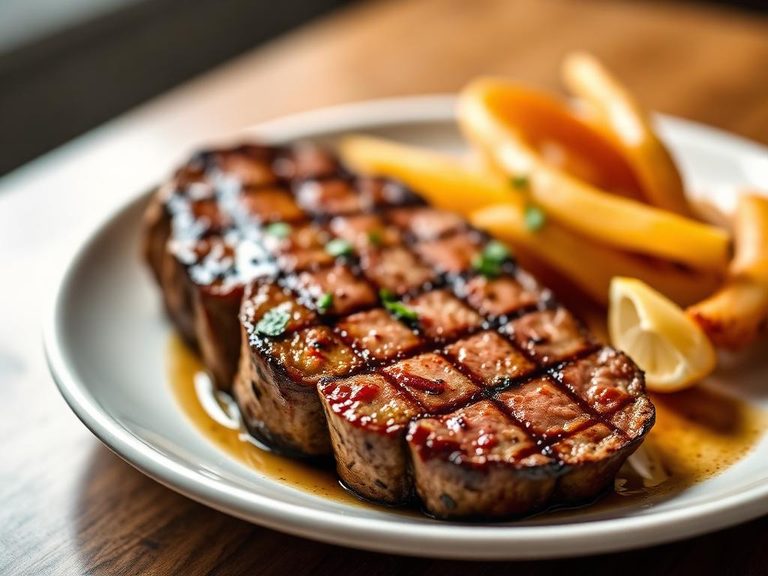
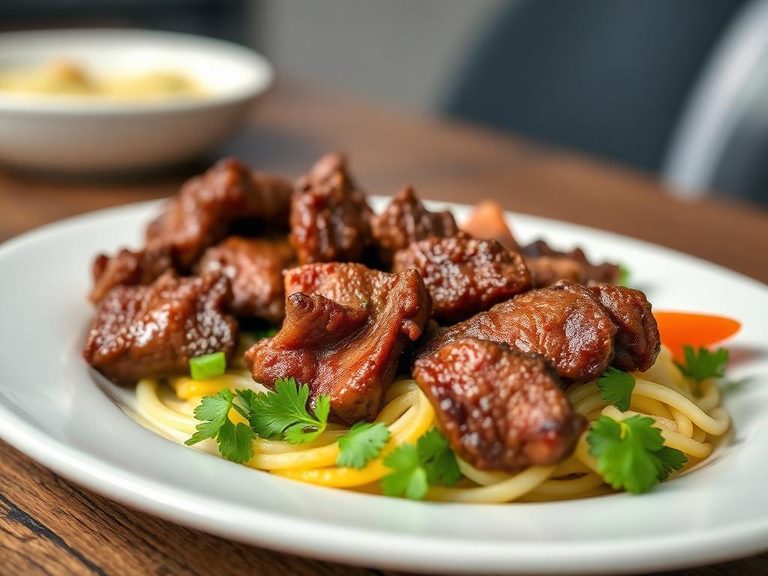
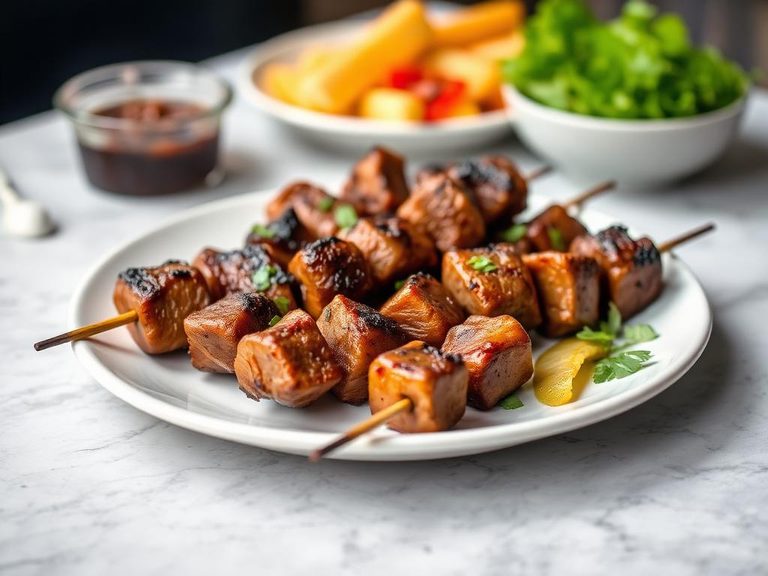
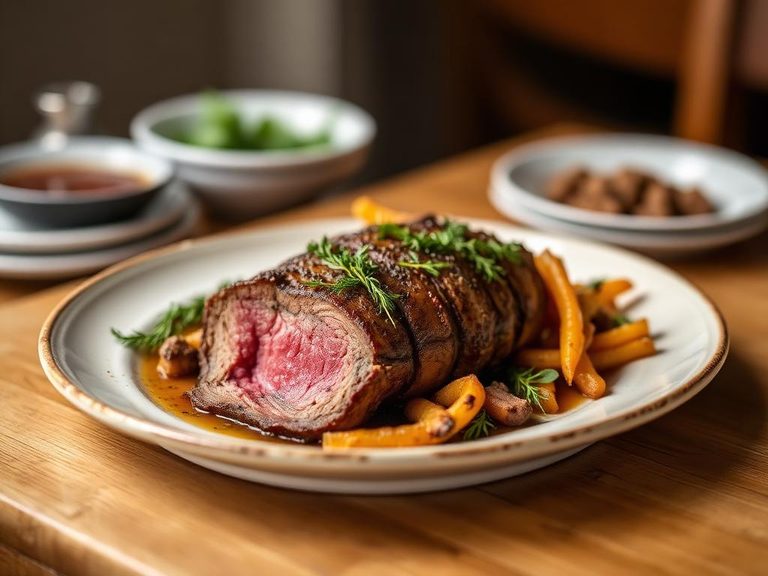
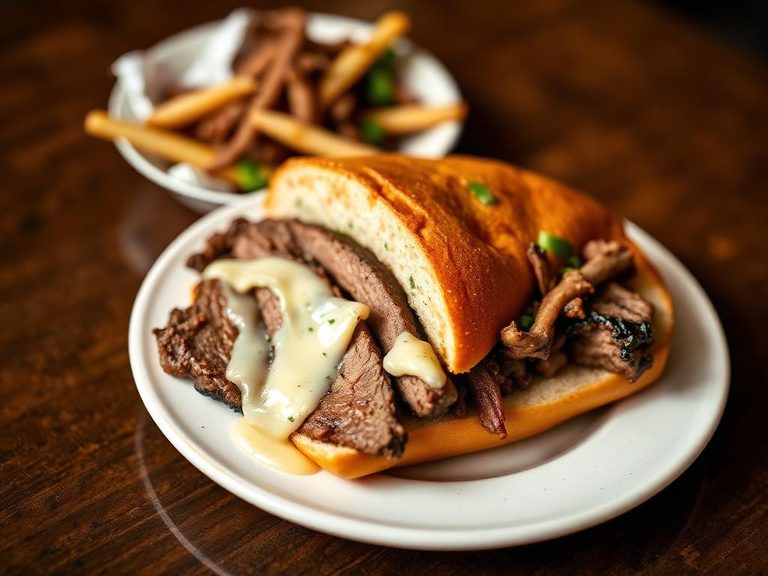
🌍 Where it's eaten
💡 Did you know?
The 'cap' in sirloin cap refers to a distinct muscle called the *spinalis dorsi*, which is often considered the most flavorful part of the entire sirloin and is sometimes separated and sold as a separate, premium cut called the 'ribeye cap' or 'deckle'.
Full nutrition (USDA data · scales with serving)
| Water | 56.9 g |
| Energy | 249 kcal |
| Energy | 1040 kj |
| Protein | 25.5 g |
| Total lipid (fat) | 16.1 g |
| Ash | 1.1 g |
| Carbohydrate, by difference | 0.40 g |
| Fiber, total dietary | 0.00 g |
| Total Sugars | 0.00 g |
| Calcium, Ca | 6.0 mg |
| Iron, Fe | 3.2 mg |
| Magnesium, Mg | 24.0 mg |
| Phosphorus, P | 217 mg |
| Potassium, K | 342 mg |
| Sodium, Na | 78.0 mg |
| Zinc, Zn | 9.9 mg |
| Copper, Cu | 0.13 mg |
| Selenium, Se | 36.5 ug |
| Vitamin C, total ascorbic acid | 0.00 mg |
| Thiamin | 0.08 mg |
| Riboflavin | 0.39 mg |
| Niacin | 4.1 mg |
| Vitamin B-6 | 0.41 mg |
| Folate, total | 6.0 ug |
| Folic acid | 0.00 ug |
| Folate, food | 6.0 ug |
| Folate, DFE | 6.0 ug |
| Vitamin B-12 | 2.7 ug |
| Vitamin B-12, added | 0.00 ug |
| Vitamin A, RAE | 8.0 ug |
| Retinol | 8.0 ug |
| Carotene, beta | 0.00 ug |
| Carotene, alpha | 0.00 ug |
| Cryptoxanthin, beta | 0.00 ug |
| Vitamin A, IU | 26.0 iu |
| Lycopene | 0.00 ug |
| Lutein + zeaxanthin | 0.00 ug |
| Vitamin D (D2 + D3), International Units | 6.0 iu |
| Vitamin D (D2 + D3) | 0.10 ug |
| Vitamin D3 (cholecalciferol) | 0.10 ug |
| Vitamin K (phylloquinone) | 1.6 ug |
| Alcohol, ethyl | 0.00 g |
| Caffeine | 0.00 mg |
| Theobromine | 0.00 mg |
Fat & fatty acid profile (per 100g)
| Fatty acids, total saturated | 5.7 g |
| SFA 4:0 | 0.00 g |
| SFA 6:0 | 0.00 g |
| SFA 8:0 | 0.00 g |
| SFA 10:0 | 0.01 g |
| SFA 12:0 | 0.01 g |
| SFA 14:0 | 0.36 g |
| SFA 16:0 | 3.3 g |
| SFA 17:0 | 0.17 g |
| SFA 18:0 | 1.8 g |
| SFA 20:0 | 0.01 g |
| SFA 24:0 | 0.01 g |
| Fatty acids, total monounsaturated | 8.1 g |
| MUFA 14:1 | 0.13 g |
| MUFA 16:1 | 0.51 g |
| MUFA 17:1 | 0.17 g |
| MUFA 18:1 | 7.3 g |
| MUFA 18:1 c | 6.5 g |
| MUFA 20:1 | 0.03 g |
| MUFA 22:1 | 0.00 g |
| Fatty acids, total polyunsaturated | 0.60 g |
| PUFA 18:2 | 0.51 g |
| PUFA 18:2 n-6 c,c | 0.43 g |
| PUFA 18:2 CLAs | 0.08 g |
| PUFA 18:3 | 0.03 g |
| PUFA 18:3 n-6 c,c,c | 0.03 g |
| PUFA 18:4 | 0.00 g |
| PUFA 20:2 n-6 c,c | 0.00 g |
| PUFA 20:4 | 0.05 g |
| PUFA 20:5 n-3 (EPA) | 0.00 g |
| PUFA 22:5 n-3 (DPA) | 0.01 g |
| PUFA 22:6 n-3 (DHA) | 0.00 g |
| Fatty acids, total trans | 0.73 g |
| Fatty acids, total trans-monoenoic | 0.73 g |
| TFA 18:1 t | 0.73 g |
| Cholesterol | 85.0 mg |
Amino acid profile (per 100g)
| Tryptophan | 0.29 g |
| Threonine | 1.2 g |
| Isoleucine | 1.2 g |
| Leucine | 2.3 g |
| Lysine | 2.5 g |
| Methionine | 0.70 g |
| Cystine | 0.27 g |
| Phenylalanine | 1.0 g |
| Tyrosine | 0.98 g |
| Valine | 1.3 g |
| Arginine | 1.8 g |
| Histidine | 1.00 g |
| Alanine | 1.6 g |
| Aspartic acid | 2.5 g |
| Glutamic acid | 4.3 g |
| Glycine | 1.3 g |
| Proline | 1.2 g |
| Serine | 1.1 g |
| Hydroxyproline | 0.17 g |
FAQ
What's the difference between top sirloin cap and a regular sirloin steak?
The top sirloin cap (also called picanha in Brazilian cuisine) is a specific, triangular muscle sitting on top of the sirloin primal. It's generally more tender and flavorful than the main sirloin muscle, with a signature fat cap that is often left on for cooking.
Is this cut good for stir-fries?
Yes, but preparation is key. Slice it thinly against the grain to maximize tenderness. Since it's a lean cut, a quick, high-heat stir-fry works best to prevent it from becoming tough. Marinating it first can also help tenderize it.
How do I prevent it from being tough when grilling?
Don't overcook it—aim for medium-rare to medium (130-145°F internal temp). Let it rest for 5-10 minutes after grilling to allow the juices to redistribute. Also, ensure your grill is properly preheated for a good sear, which locks in moisture.
Nutrient density (calculated · NRF9.3)
Nutrient Rich Foods index: beneficial nutrients (protein, fiber, vitamins, minerals) minus saturated fat, added sugar & sodium, per 100 kcal.
NRF9.3 index — Fulgoni, Keast & Drewnowski, 2009. Computed from USDA nutrients.
Weight-loss friendliness (composite index)
Energy density 2.49 kcal/g · 41% calories from protein · 0.0 g fiber · 0.0 g sugar per 100 g.
Composite of energy density (Rolls et al., 1999), protein & fiber satiety, minus sugar. A calculated heuristic — ranks satiety-per-calorie, not a clinical measure.
Dietary load (calculated from USDA values)
Potential renal acid load. Positive = acid-forming, negative = alkaline-forming.
Sodium-to-potassium ratio: 0.23 (lower is better — aim for ≤ 1)
Sodium:potassium per WHO potassium guidance. Computed from USDA nutrients.