

Alcoholic beverage, beer, regular, all
Whole food · Beverages

Photo: Wikipedia
Regular beer is a fermented alcoholic beverage with a golden to amber hue, a crisp, effervescent texture, and a balanced flavor profile ranging from malty-sweet to hoppy-bitter. Nutritionally, it is a moderate source of carbohydrates (3.55g per 100g) and provides a modest 43 kcal, with negligible protein and no fat, fiber, or sugar.
Calorie split: 11% protein · 89% carbs · 0% fat
↓ Full nutrition💚 Why it's loved
People love beer for its refreshing, complex flavors that pair well with a vast array of foods, from salty pretzels to rich cheeses. Its deep cultural roots in social gatherings, festivals, and traditions worldwide make it a centerpiece of camaraderie and celebration.
⚠️ Watch-outs & how to enjoy it better
Its alcohol content can impair judgment and contribute to excess calorie intake, and its carbohydrate load may cause blood-sugar spikes in sensitive individuals. To counteract, practice strict portion control (e.g., one 355ml bottle), pair with protein or fat-rich snacks to slow absorption, and ensure you drink water alongside it.
Key benefits
- Source of dietary silicon, which may support bone health
- Contains antioxidants like polyphenols from hops and barley
- May contribute to hydration when consumed in moderation
- Provides small amounts of B vitamins (B6, B12, niacin)
- Social lubricant that can reduce stress in moderate settings
🍽️ Popular dishes
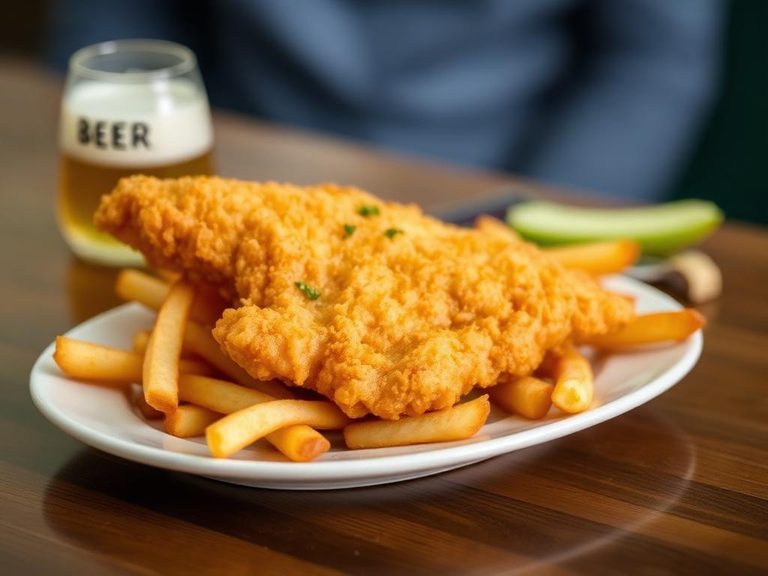
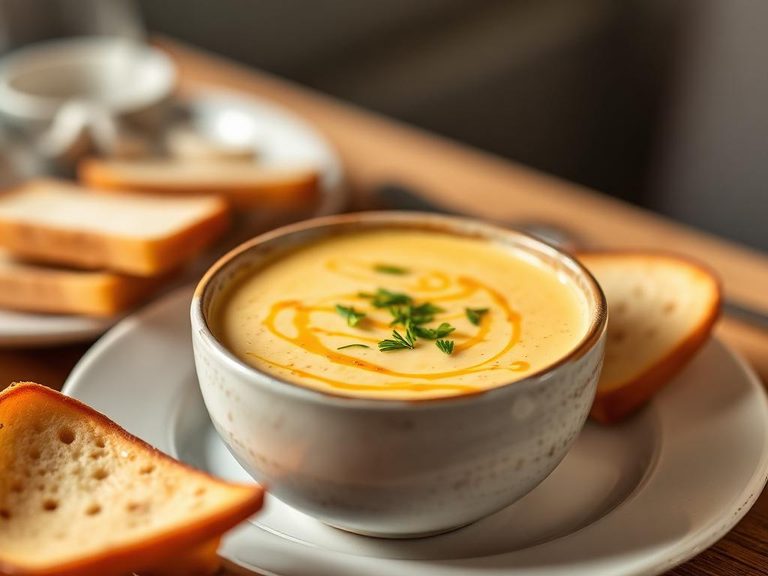
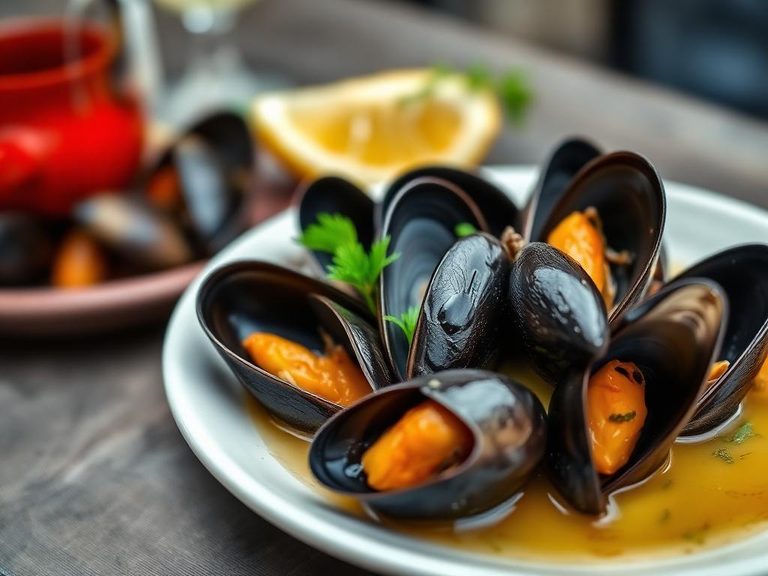
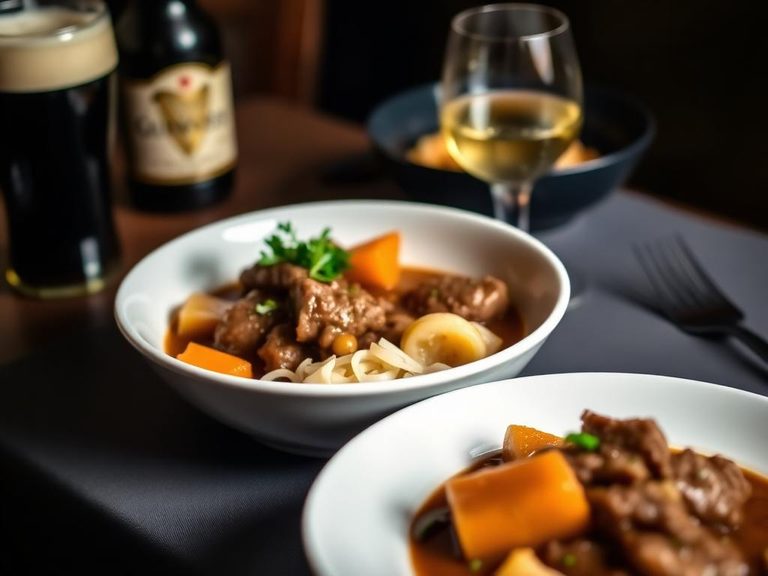
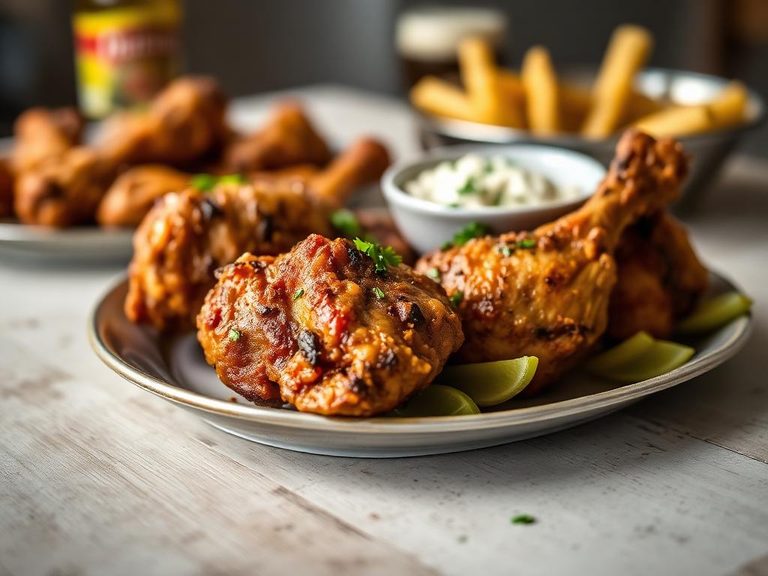
🌍 Where it's eaten
💡 Did you know?
The foam on a beer, called the 'head,' is created by proteins and helps trap volatile aroma compounds, enhancing the drinking experience.
Full nutrition (USDA data · scales with serving)
| Water | 92.0 g |
| Energy | 43.0 kcal |
| Energy | 181 kj |
| Protein | 0.46 g |
| Total lipid (fat) | 0.00 g |
| Ash | 0.16 g |
| Carbohydrate, by difference | 3.5 g |
| Fiber, total dietary | 0.00 g |
| Total Sugars | 0.00 g |
| Sucrose | 0.00 g |
| Glucose | 0.00 g |
| Fructose | 0.00 g |
| Lactose | 0.00 g |
| Maltose | 0.00 g |
| Galactose | 0.00 g |
| Starch | 0.00 g |
| Calcium, Ca | 4.0 mg |
| Iron, Fe | 0.02 mg |
| Magnesium, Mg | 6.0 mg |
| Phosphorus, P | 14.0 mg |
| Potassium, K | 27.0 mg |
| Sodium, Na | 4.0 mg |
| Zinc, Zn | 0.01 mg |
| Copper, Cu | 0.01 mg |
| Manganese, Mn | 0.01 mg |
| Selenium, Se | 0.60 ug |
| Fluoride, F | 44.2 ug |
| Vitamin C, total ascorbic acid | 0.00 mg |
| Thiamin | 0.01 mg |
| Riboflavin | 0.03 mg |
| Niacin | 0.51 mg |
| Pantothenic acid | 0.04 mg |
| Vitamin B-6 | 0.05 mg |
| Folate, total | 6.0 ug |
| Folic acid | 0.00 ug |
| Folate, food | 6.0 ug |
| Folate, DFE | 6.0 ug |
| Choline, total | 10.1 mg |
| Vitamin B-12 | 0.02 ug |
| Vitamin B-12, added | 0.00 ug |
| Vitamin A, RAE | 0.00 ug |
| Retinol | 0.00 ug |
| Carotene, beta | 0.00 ug |
| Carotene, alpha | 0.00 ug |
| Cryptoxanthin, beta | 0.00 ug |
| Vitamin A, IU | 0.00 iu |
| Lycopene | 0.00 ug |
| Lutein + zeaxanthin | 0.00 ug |
| Vitamin E (alpha-tocopherol) | 0.00 mg |
| Vitamin E, added | 0.00 mg |
| Tocopherol, beta | 0.00 mg |
| Tocopherol, gamma | 0.00 mg |
| Tocopherol, delta | 0.00 mg |
| Vitamin D (D2 + D3), International Units | 0.00 iu |
| Vitamin D (D2 + D3) | 0.00 ug |
| Vitamin K (phylloquinone) | 0.00 ug |
| Vitamin K (Dihydrophylloquinone) | 0.00 ug |
| Alcohol, ethyl | 3.9 g |
| Caffeine | 0.00 mg |
| Theobromine | 0.00 mg |
Fat & fatty acid profile (per 100g)
| Fatty acids, total saturated | 0.00 g |
| SFA 4:0 | 0.00 g |
| SFA 6:0 | 0.00 g |
| SFA 8:0 | 0.00 g |
| SFA 10:0 | 0.00 g |
| SFA 12:0 | 0.00 g |
| SFA 14:0 | 0.00 g |
| SFA 16:0 | 0.00 g |
| SFA 18:0 | 0.00 g |
| Fatty acids, total monounsaturated | 0.00 g |
| MUFA 16:1 | 0.00 g |
| MUFA 18:1 | 0.00 g |
| MUFA 20:1 | 0.00 g |
| MUFA 22:1 | 0.00 g |
| Fatty acids, total polyunsaturated | 0.00 g |
| PUFA 18:2 | 0.00 g |
| PUFA 18:3 | 0.00 g |
| PUFA 18:4 | 0.00 g |
| PUFA 20:4 | 0.00 g |
| PUFA 20:5 n-3 (EPA) | 0.00 g |
| PUFA 22:5 n-3 (DPA) | 0.00 g |
| PUFA 22:6 n-3 (DHA) | 0.00 g |
| Fatty acids, total trans | 0.00 g |
| Cholesterol | 0.00 mg |
Amino acid profile (per 100g)
| Tryptophan | 0.00 g |
| Threonine | 0.00 g |
| Isoleucine | 0.00 g |
| Leucine | 0.00 g |
| Lysine | 0.00 g |
| Methionine | 0.00 g |
| Cystine | 0.00 g |
| Phenylalanine | 0.00 g |
| Tyrosine | 0.00 g |
| Valine | 0.00 g |
| Arginine | 0.00 g |
| Histidine | 0.00 g |
| Alanine | 0.01 g |
| Aspartic acid | 0.02 g |
| Glutamic acid | 0.05 g |
| Glycine | 0.01 g |
| Proline | 0.04 g |
| Serine | 0.00 g |
FAQ
Does beer have more calories than wine?
Generally, a standard 355ml beer (about 150 kcal) has slightly fewer calories than a 150ml glass of wine (about 125 kcal), but this varies widely by beer style. Light beers can have as few as 90-100 kcal per bottle.
Is beer gluten-free?
Traditional beer is made from barley or wheat, which contain gluten. However, there are many certified gluten-free beers made from sorghum, rice, or other grains.
Can beer be part of a healthy diet?
In moderation (up to one drink per day for women, two for men), it can fit into a balanced diet. Its key is mindful consumption, accounting for its calories and alcohol content.
Nutrient density (calculated · NRF9.3)
Nutrient Rich Foods index: beneficial nutrients (protein, fiber, vitamins, minerals) minus saturated fat, added sugar & sodium, per 100 kcal.
NRF9.3 index — Fulgoni, Keast & Drewnowski, 2009. Computed from USDA nutrients.
Weight-loss friendliness (composite index)
Energy density 0.43 kcal/g · 4% calories from protein · 0.0 g fiber · 0.0 g sugar per 100 g.
Composite of energy density (Rolls et al., 1999), protein & fiber satiety, minus sugar. A calculated heuristic — ranks satiety-per-calorie, not a clinical measure.
Dietary load (calculated from USDA values)
Potential renal acid load. Positive = acid-forming, negative = alkaline-forming.
Sodium-to-potassium ratio: 0.15 (lower is better — aim for ≤ 1)
Sodium:potassium per WHO potassium guidance. Computed from USDA nutrients.