

Lamb, New Zealand, imported, tunnel-boned leg, chump off, shank off, separable lean and fat, raw
Whole food · Lamb, Veal, and Game Products

Photo: Wikipedia
This is a lean, tunnel-boned cut of New Zealand lamb leg, prized for its mild, slightly sweet flavor and tender, fine-grained texture when cooked properly. With an impressive 20.93g of protein per 100g and only 4.09g of fat, it's a powerhouse of lean nutrition, offering a clean, robust taste without excessive richness. Its raw state showcases a deep, ruby-red color, promising a succulent and flavorful result when roasted, grilled, or braised.
Calorie split: 69% protein · 0% carbs · 31% fat
↓ Full nutrition💚 Why it's loved
People love this cut for its balance of tenderness and robust, clean lamb flavor, which isn't overly gamey. Its versatility makes it a star in everything from a simple Sunday roast to elegant, thinly sliced dishes, connecting deeply with culinary traditions from the Mediterranean to the Middle East.
⚠️ Watch-outs & how to enjoy it better
While lean, lamb can be high in saturated fat, so those monitoring cholesterol or heart health should practice portion control. To counteract this, pair it with fiber-rich vegetables like roasted root vegetables or a fresh, acidic salad to balance the meal and aid digestion.
Key benefits
- Excellent source of high-quality protein for muscle maintenance and repair.
- Low in fat and calories, making it suitable for lean protein-focused diets.
- Rich in essential nutrients like iron, zinc, and B vitamins (especially B12).
- The tunnel-boned preparation ensures even cooking and easy carving.
- New Zealand lamb is often grass-fed, which can enhance its nutrient profile.
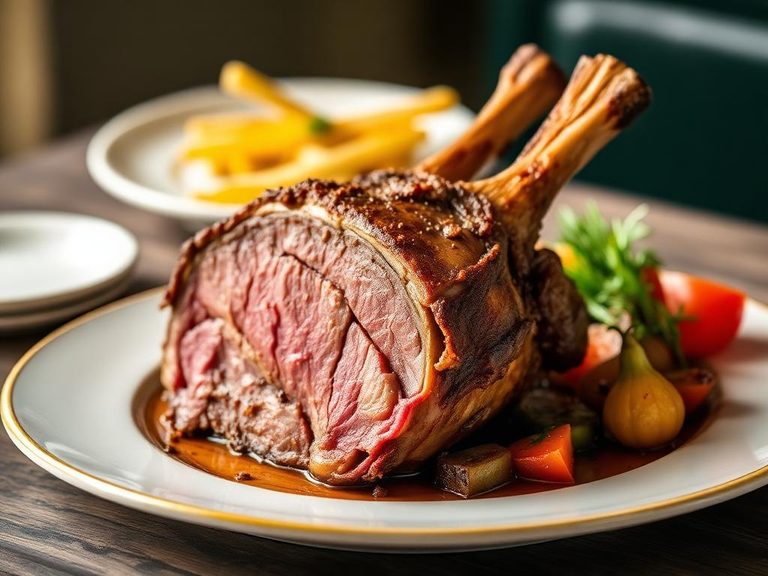
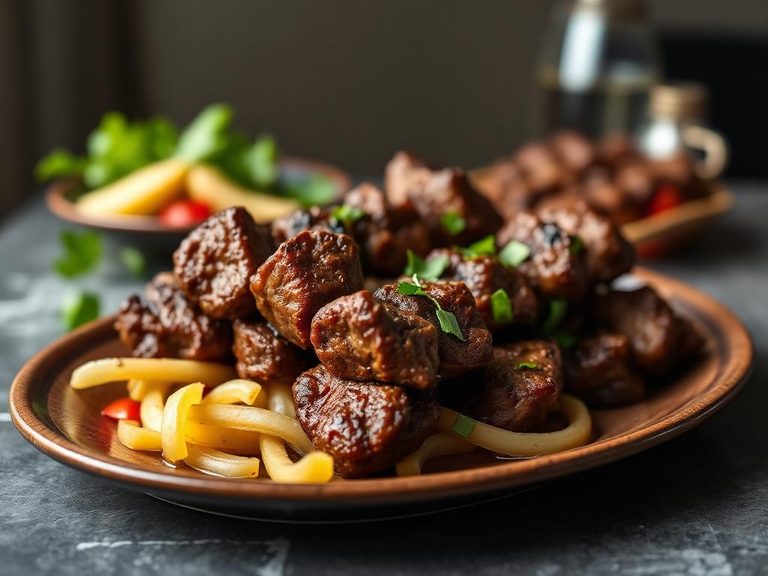
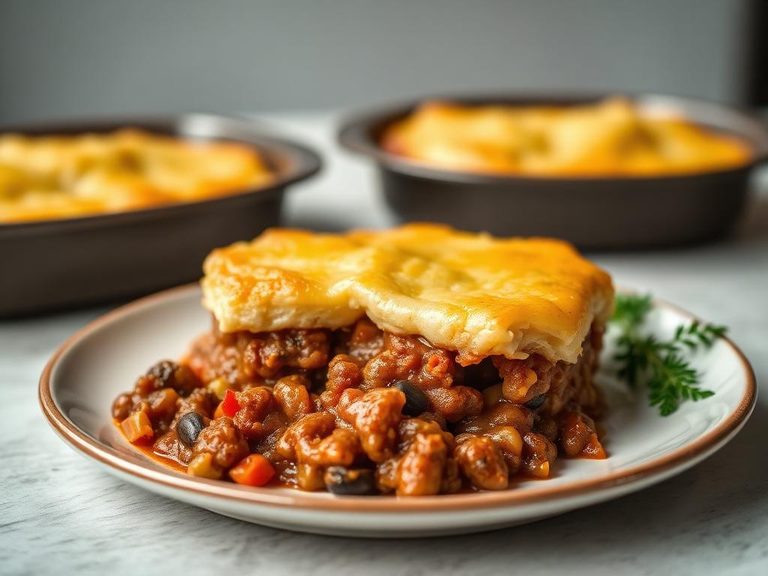
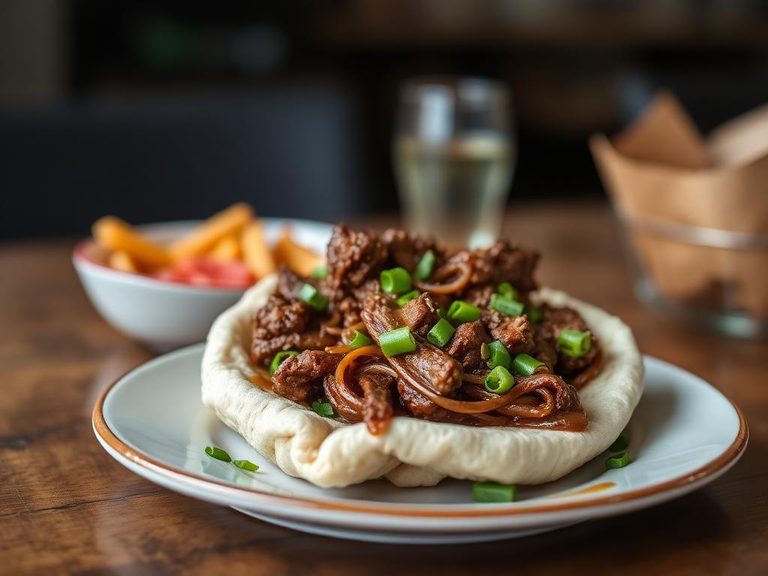
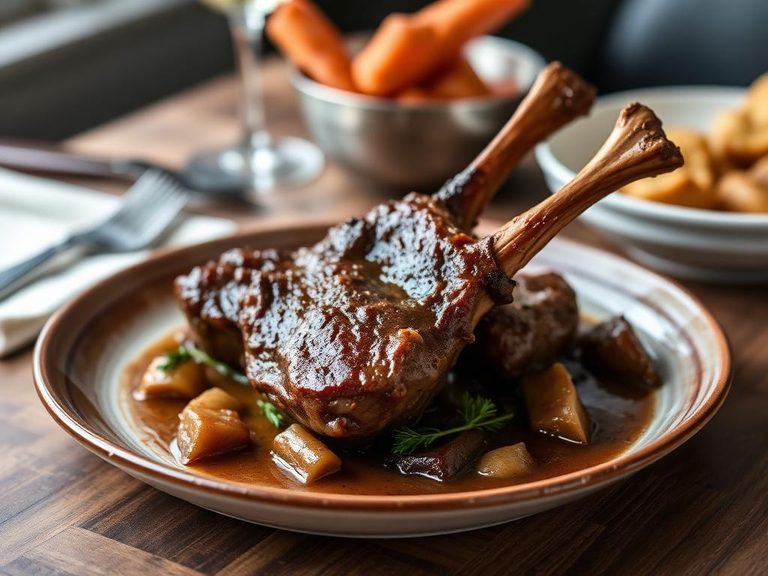
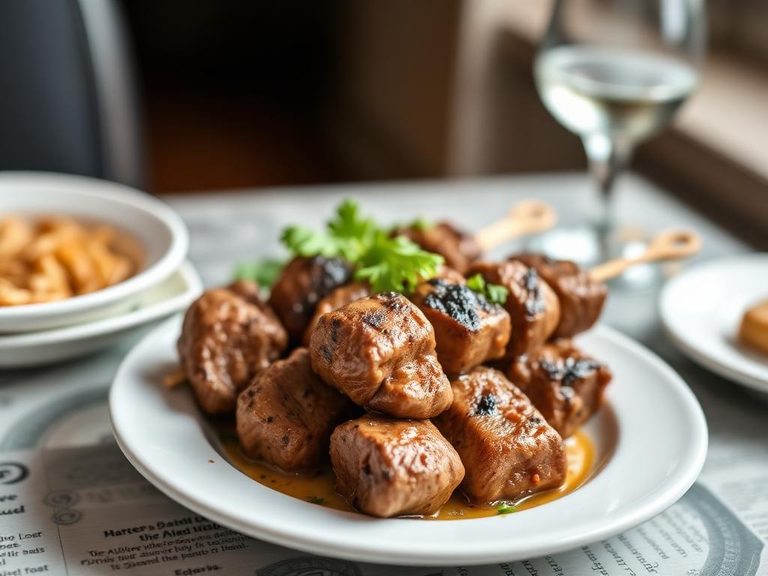
🍽️ Popular dishes
🌍 Where it's eaten
💡 Did you know?
New Zealand lamb is so renowned for its quality that it's a major export, with the country's sheep population historically outnumbering its human population by about 7 to 1.
Full nutrition (USDA data · scales with serving)
| Water | 74.4 g |
| Energy | 121 kcal |
| Energy | 504 kj |
| Protein | 20.9 g |
| Total lipid (fat) | 4.1 g |
| Ash | 1.1 g |
| Carbohydrate, by difference | 0.00 g |
| Calcium, Ca | 4.0 mg |
| Iron, Fe | 1.4 mg |
| Magnesium, Mg | 24.0 mg |
| Phosphorus, P | 197 mg |
| Potassium, K | 344 mg |
| Sodium, Na | 60.0 mg |
| Zinc, Zn | 3.3 mg |
| Copper, Cu | 0.12 mg |
| Manganese, Mn | 0.01 mg |
| Selenium, Se | 3.6 ug |
| Thiamin | 0.14 mg |
| Riboflavin | 0.20 mg |
| Niacin | 5.2 mg |
| Pantothenic acid | 0.68 mg |
| Vitamin B-6 | 0.23 mg |
| Vitamin B-12 | 1.9 ug |
| Vitamin A, RAE | 3.0 ug |
| Retinol | 3.0 ug |
| Vitamin A, IU | 11.0 iu |
| Vitamin E (alpha-tocopherol) | 0.30 mg |
| Vitamin D (D2 + D3), International Units | 0.00 iu |
| Vitamin D (D2 + D3) | 0.00 ug |
| Vitamin D3 (cholecalciferol) | 0.00 ug |
Fat & fatty acid profile (per 100g)
| Fatty acids, total saturated | 1.4 g |
| SFA 6:0 | 0.01 g |
| SFA 8:0 | 0.00 g |
| SFA 10:0 | 0.01 g |
| SFA 12:0 | 0.01 g |
| SFA 14:0 | 0.08 g |
| SFA 16:0 | 0.65 g |
| SFA 17:0 | 0.06 g |
| SFA 18:0 | 0.56 g |
| SFA 20:0 | 0.00 g |
| SFA 22:0 | 0.01 g |
| SFA 24:0 | 0.00 g |
| Fatty acids, total monounsaturated | 1.3 g |
| MUFA 14:1 | 0.00 g |
| MUFA 15:1 | 0.00 g |
| MUFA 16:1 | 0.05 g |
| MUFA 16:1 c | 0.04 g |
| MUFA 17:1 | 0.00 g |
| MUFA 18:1 | 1.2 g |
| MUFA 18:1 c | 1.1 g |
| MUFA 20:1 | 0.00 g |
| MUFA 22:1 | 0.00 g |
| MUFA 22:1 c | 0.00 g |
| MUFA 24:1 c | 0.00 g |
| Fatty acids, total polyunsaturated | 0.33 g |
| PUFA 18:2 | 0.16 g |
| PUFA 18:2 n-6 c,c | 0.11 g |
| PUFA 18:2 CLAs | 0.05 g |
| PUFA 18:3 | 0.09 g |
| PUFA 18:3 n-3 c,c,c (ALA) | 0.09 g |
| PUFA 18:3 n-6 c,c,c | 0.00 g |
| PUFA 20:2 n-6 c,c | 0.00 g |
| PUFA 20:3 | 0.01 g |
| PUFA 20:3 n-3 | 0.00 g |
| PUFA 20:3 n-6 | 0.01 g |
| PUFA 20:4 | 0.02 g |
| PUFA 20:4 n-6 | 0.02 g |
| PUFA 20:5 n-3 (EPA) | 0.03 g |
| PUFA 22:5 n-3 (DPA) | 0.02 g |
| PUFA 22:6 n-3 (DHA) | 0.01 g |
| Fatty acids, total trans | 0.11 g |
| Fatty acids, total trans-monoenoic | 0.11 g |
| TFA 16:1 t | 0.01 g |
| TFA 18:1 t | 0.11 g |
| TFA 18:2 t,t | 0.00 g |
| Fatty acids, total trans-polyenoic | 0.00 g |
| Cholesterol | 64.0 mg |
Amino acid profile (per 100g)
| Tryptophan | 0.20 g |
| Threonine | 0.88 g |
| Isoleucine | 0.83 g |
| Leucine | 1.4 g |
| Lysine | 1.6 g |
| Methionine | 0.60 g |
| Cystine | 0.24 g |
| Phenylalanine | 0.73 g |
| Tyrosine | 0.64 g |
| Valine | 0.94 g |
| Arginine | 1.2 g |
| Histidine | 0.39 g |
| Alanine | 0.92 g |
| Glutamic acid | 2.6 g |
| Glycine | 0.79 g |
| Proline | 0.59 g |
| Serine | 0.63 g |
FAQ
What's the difference between tunnel-boned and regular bone-in leg of lamb?
Tunnel-boning removes the femur bone from the center of the leg while keeping the meat intact, creating a more uniform shape for even cooking and easier slicing, whereas a regular bone-in leg retains the bone for added flavor during roasting.
How should I store raw lamb before cooking?
Store it in the coldest part of your refrigerator (below 40°F/4°C) for 1-2 days, or freeze it for up to 6 months. Always keep it in a sealed container to prevent cross-contamination.
Is New Zealand lamb grass-fed?
Yes, most New Zealand lamb is grass-fed year-round due to the country's climate, which can result in a leaner meat with a slightly different flavor profile compared to grain-fed lamb.
What's the best way to cook this cut to keep it tender?
For lean cuts like this, avoid overcooking. Roast at a moderate temperature (around 325°F/160°C) to an internal temperature of 145°F (63°C) for medium-rare, then rest it for 10-15 minutes before carving to retain juices.
Nutrient density (calculated · NRF9.3)
Nutrient Rich Foods index: beneficial nutrients (protein, fiber, vitamins, minerals) minus saturated fat, added sugar & sodium, per 100 kcal.
NRF9.3 index — Fulgoni, Keast & Drewnowski, 2009. Computed from USDA nutrients.
Weight-loss friendliness (composite index)
Energy density 1.21 kcal/g · 69% calories from protein · 0.0 g fiber · 0.0 g sugar per 100 g.
Composite of energy density (Rolls et al., 1999), protein & fiber satiety, minus sugar. A calculated heuristic — ranks satiety-per-calorie, not a clinical measure.
Dietary load (calculated from USDA values)
Potential renal acid load. Positive = acid-forming, negative = alkaline-forming.
Sodium-to-potassium ratio: 0.17 (lower is better — aim for ≤ 1)
Sodium:potassium per WHO potassium guidance. Computed from USDA nutrients.