

Bread, wheat, sprouted
Whole food · Baked Products
Sprouted wheat bread is a dense, hearty loaf made from whole wheat berries that have been allowed to germinate before milling. Its texture is chewier and slightly nuttier than standard whole wheat, with a subtle, earthy sweetness that deepens with toasting. Nutritionally, it stands out for its high protein content (over 13g per 100g) and significant fiber, making it a more nutrient-dense choice than many conventional breads.
Calorie split: 28% protein · 72% carbs · 0% fat
↓ Full nutrition💚 Why it's loved
People love its robust, nutty flavor and satisfying chew, which holds up well to hearty toppings and toasting. It's prized as a versatile, nutrient-packed staple that bridges the gap between a simple sandwich and a more substantial, wholesome meal.
⚠️ Watch-outs & how to enjoy it better
Despite its benefits, its dense texture can be too heavy for some, and its strong flavor may not suit all palates. As a wheat product, it's a common allergen for those with celiac disease or gluten sensitivity; pairing it with healthy fats (like avocado) and protein (like eggs) can help mitigate blood sugar spikes and improve satiety.
Key benefits
- Higher protein content than standard wheat bread
- Increased bioavailability of minerals like iron and zinc due to sprouting
- Rich in dietary fiber (5.3g per 100g) for digestive health
- Lower glycemic index compared to non-sprouted wheat bread
- Contains more B-vitamins and antioxidants than regular whole wheat
🍽️ Popular dishes
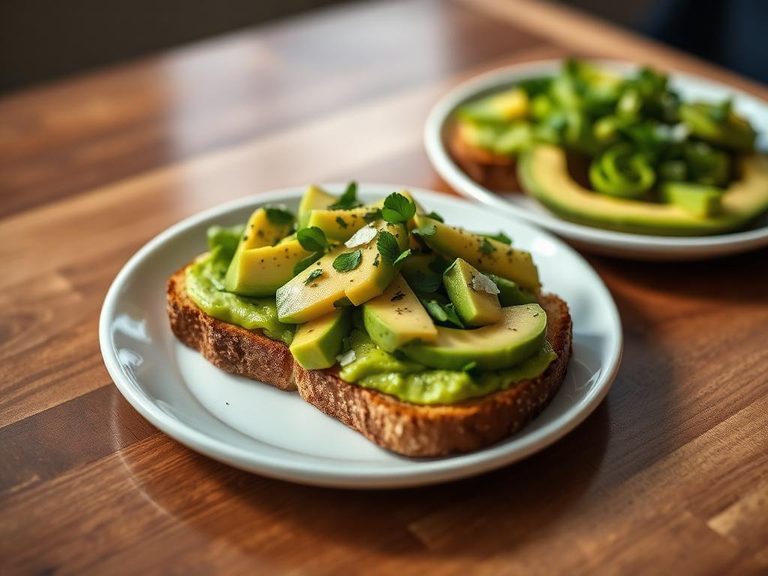
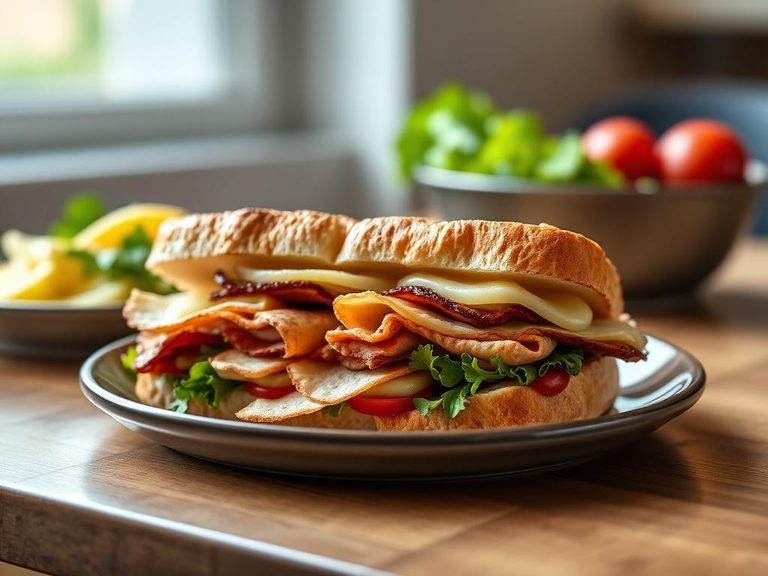

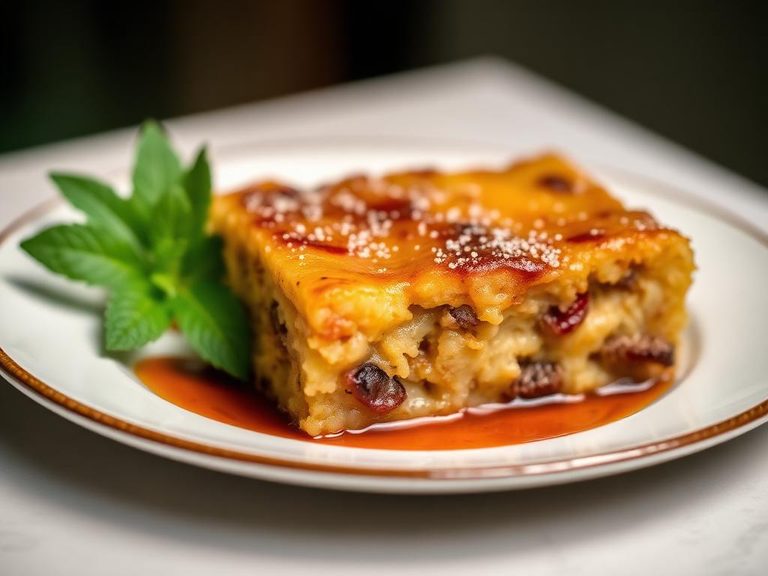
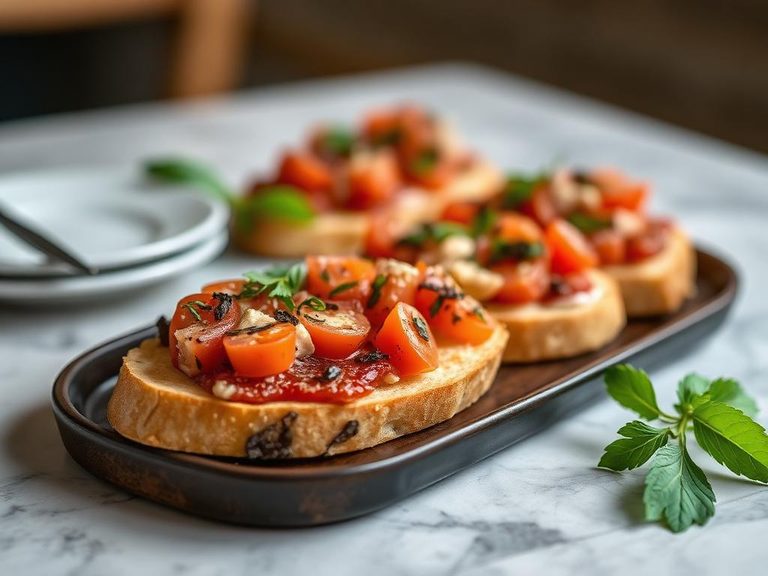
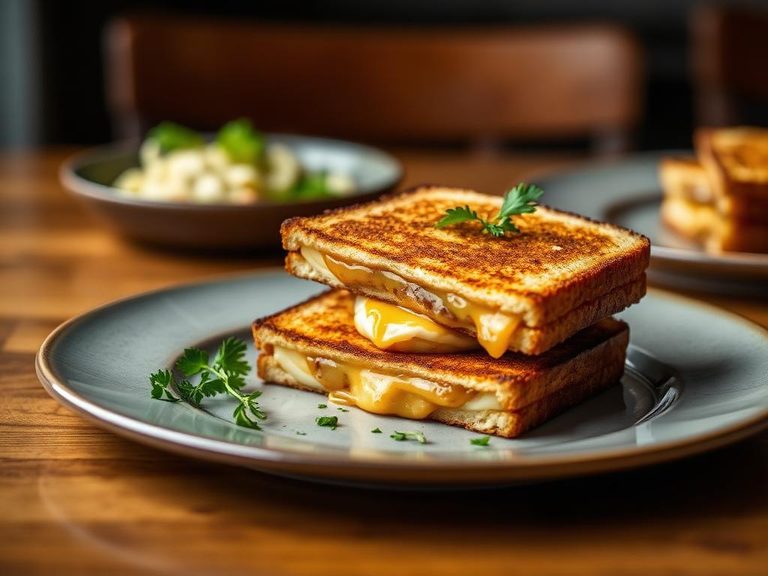
🌍 Where it's eaten
💡 Did you know?
The sprouting process can increase the vitamin C content of wheat, which is otherwise very low in unsprouted grains.
Full nutrition (USDA data · scales with serving)
| Water | 50.9 g |
| Energy | 188 kcal |
| Energy | 787 kj |
| Protein | 13.2 g |
| Total lipid (fat) | 0.00 g |
| Ash | 2.1 g |
| Carbohydrate, by difference | 33.9 g |
| Fiber, total dietary | 5.3 g |
| Total Sugars | 2.6 g |
| Calcium, Ca | 0.00 mg |
| Iron, Fe | 1.9 mg |
| Magnesium, Mg | 66.0 mg |
| Phosphorus, P | 176 mg |
| Potassium, K | 198 mg |
| Sodium, Na | 474 mg |
| Zinc, Zn | 1.3 mg |
| Copper, Cu | 0.21 mg |
| Selenium, Se | 30.0 ug |
| Vitamin C, total ascorbic acid | 0.00 mg |
| Thiamin | 0.23 mg |
| Riboflavin | 0.08 mg |
| Niacin | 2.3 mg |
| Vitamin B-6 | 0.19 mg |
| Folate, total | 0.00 ug |
| Folic acid | 0.00 ug |
| Folate, food | 0.00 ug |
| Folate, DFE | 0.00 ug |
| Choline, total | 14.9 mg |
| Vitamin B-12 | 0.00 ug |
| Vitamin B-12, added | 0.00 ug |
| Vitamin A, RAE | 0.00 ug |
| Retinol | 0.00 ug |
| Carotene, beta | 3.0 ug |
| Carotene, alpha | 0.00 ug |
| Cryptoxanthin, beta | 0.00 ug |
| Vitamin A, IU | 4.0 iu |
| Lycopene | 0.00 ug |
| Lutein + zeaxanthin | 104 ug |
| Vitamin E (alpha-tocopherol) | 0.34 mg |
| Vitamin E, added | 0.00 mg |
| Vitamin D (D2 + D3), International Units | 0.00 iu |
| Vitamin D (D2 + D3) | 0.00 ug |
| Vitamin K (phylloquinone) | 1.1 ug |
| Alcohol, ethyl | 0.00 g |
| Caffeine | 0.00 mg |
| Theobromine | 0.00 mg |
Fat & fatty acid profile (per 100g)
| Fatty acids, total saturated | 0.00 g |
| SFA 4:0 | 0.00 g |
| SFA 6:0 | 0.00 g |
| SFA 8:0 | 0.00 g |
| SFA 10:0 | 0.00 g |
| SFA 12:0 | 0.00 g |
| SFA 14:0 | 0.00 g |
| SFA 15:0 | 0.00 g |
| SFA 16:0 | 0.00 g |
| SFA 17:0 | 0.00 g |
| SFA 18:0 | 0.00 g |
| SFA 20:0 | 0.00 g |
| SFA 22:0 | 0.00 g |
| SFA 24:0 | 0.00 g |
| Fatty acids, total monounsaturated | 0.00 g |
| MUFA 14:1 | 0.00 g |
| MUFA 15:1 | 0.00 g |
| MUFA 16:1 | 0.00 g |
| MUFA 17:1 | 0.00 g |
| MUFA 18:1 | 0.00 g |
| MUFA 20:1 | 0.00 g |
| MUFA 22:1 | 0.00 g |
| MUFA 24:1 c | 0.00 g |
| Fatty acids, total polyunsaturated | 0.00 g |
| PUFA 18:2 | 0.00 g |
| PUFA 18:3 | 0.00 g |
| PUFA 18:4 | 0.00 g |
| PUFA 20:2 n-6 c,c | 0.00 g |
| PUFA 20:3 | 0.00 g |
| PUFA 20:4 | 0.00 g |
| PUFA 20:5 n-3 (EPA) | 0.00 g |
| PUFA 21:5 | 0.00 g |
| PUFA 22:4 | 0.00 g |
| PUFA 22:5 n-3 (DPA) | 0.00 g |
| PUFA 22:6 n-3 (DHA) | 0.00 g |
| Fatty acids, total trans | 0.00 g |
| Cholesterol | 0.00 mg |
Amino acid profile (per 100g)
Estimated from Bread, salvadoran sweet cheese (quesadilla salvadorena) — USDA does not publish this profile for Bread.
| Tryptophan | 0.07 g |
| Threonine | 0.21 g |
| Isoleucine | 0.30 g |
| Leucine | 0.65 g |
| Lysine | 0.50 g |
| Methionine | 0.28 g |
| Cystine | 0.06 g |
| Phenylalanine | 0.37 g |
| Tyrosine | 0.23 g |
| Valine | 0.43 g |
| Arginine | 0.25 g |
| Histidine | 0.15 g |
| Alanine | 0.36 g |
| Aspartic acid | 0.59 g |
| Glutamic acid | 1.3 g |
| Glycine | 0.20 g |
| Proline | 0.83 g |
| Serine | 0.45 g |
| Hydroxyproline | 0.00 g |
FAQ
Is sprouted wheat bread gluten-free?
No, sprouted wheat bread is made from wheat and contains gluten. It is not suitable for people with celiac disease or gluten sensitivity.
How does sprouting change the bread's nutrition?
Sprouting breaks down some starches into sugars, increases certain vitamins (like B vitamins), and makes minerals like iron and zinc more absorbable by the body.
Does it taste different from regular whole wheat bread?
Yes, it typically has a nuttier, slightly sweeter flavor and a denser, chewier texture compared to standard whole wheat bread.
Nutrient density (calculated · NRF9.3)
Nutrient Rich Foods index: beneficial nutrients (protein, fiber, vitamins, minerals) minus saturated fat, added sugar & sodium, per 100 kcal.
NRF9.3 index — Fulgoni, Keast & Drewnowski, 2009. Computed from USDA nutrients.
Weight-loss friendliness (composite index)
Energy density 1.88 kcal/g · 28% calories from protein · 5.3 g fiber · 2.6 g sugar per 100 g.
Composite of energy density (Rolls et al., 1999), protein & fiber satiety, minus sugar. A calculated heuristic — ranks satiety-per-calorie, not a clinical measure.
Dietary load (calculated from USDA values)
Potential renal acid load. Positive = acid-forming, negative = alkaline-forming.
Sodium-to-potassium ratio: 2.39 (lower is better — aim for ≤ 1)
Sodium:potassium per WHO potassium guidance. Computed from USDA nutrients.