

Beef, ribeye petite roast, boneless, separable lean only, trimmed to 0" fat, select, cooked, roasted
Whole food · Beef Products

Photo: Wikipedia
This is a lean, boneless cut from the rib section, roasted to a juicy, tender finish with a deep, beefy flavor and a fine-grained texture. Its standout nutritional feature is its exceptional protein density—over 28 grams per 100g—with virtually no carbohydrates, sugar, or fiber. With only 5.65g of fat, it's a remarkably lean red meat option for those prioritizing high-quality protein.
Calorie split: 69% protein · 0% carbs · 31% fat
↓ Full nutrition💚 Why it's loved
People love it for its robust, pure beef flavor and reliable tenderness when roasted properly. Its versatility makes it a centerpiece for both simple weeknight dinners and elegant holiday meals, easily paired with a wide range of sauces and sides.
⚠️ Watch-outs & how to enjoy it better
As a red meat, it is high in saturated fat and cholesterol, which some individuals may need to moderate for heart health. To counteract this, practice portion control (stick to a 3-4 oz serving) and pair it with fiber-rich vegetables like roasted Brussels sprouts or a leafy salad to aid digestion and balance the meal.
Key benefits
- Excellent source of complete protein for muscle maintenance and growth
- Very low in carbohydrates, making it suitable for ketogenic and low-carb diets
- Rich in essential nutrients like iron, zinc, and B vitamins (especially B12)
- Leaner than many other beef cuts, offering a high protein-to-fat ratio
- Provides conjugated linoleic acid (CLA), a naturally occurring fatty acid
🍽️ Popular dishes
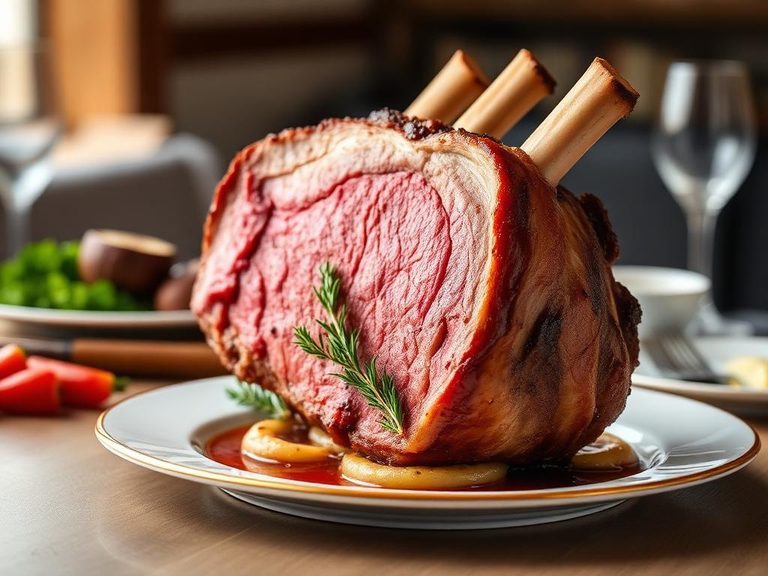
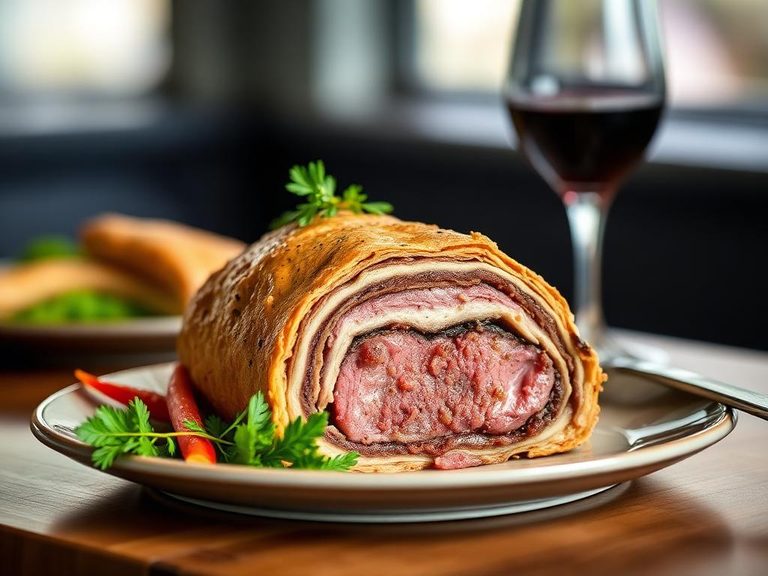
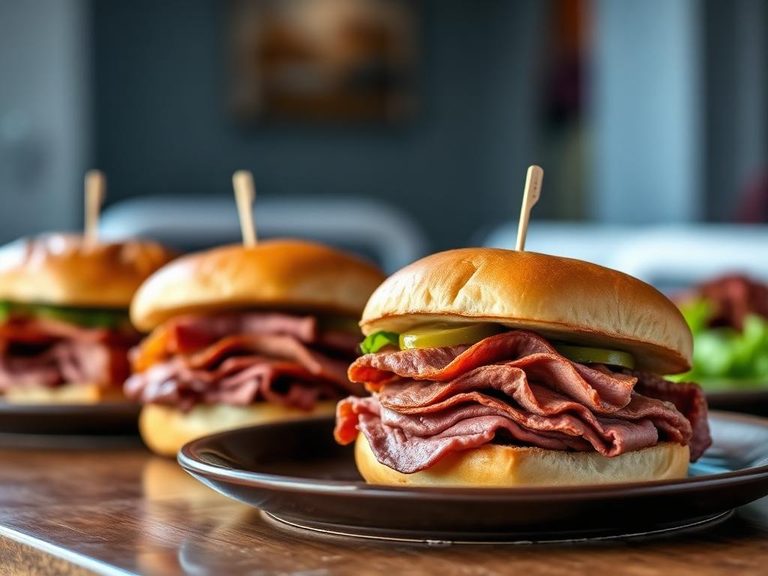
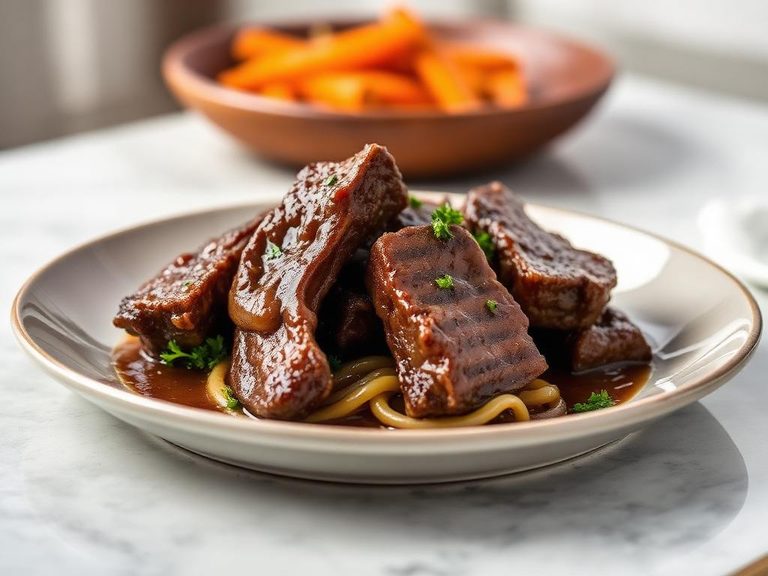
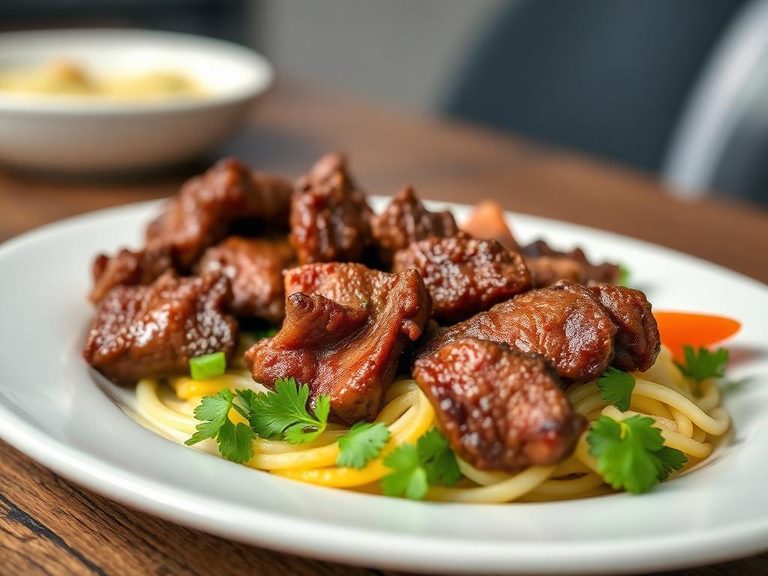
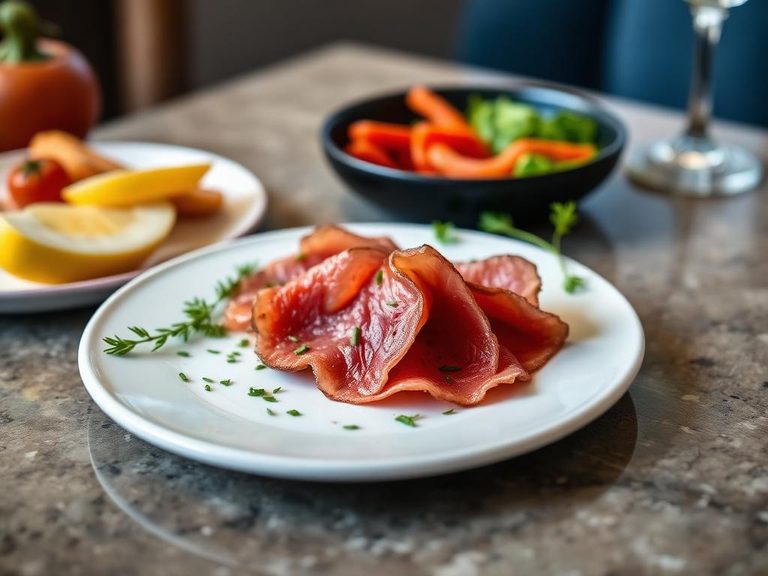
🌍 Where it's eaten
💡 Did you know?
The 'petite roast' designation typically refers to a smaller, more compact roast weighing between 1.5 to 2.5 pounds, designed for faster, more even cooking for smaller households.
Full nutrition (USDA data · scales with serving)
| Water | 65.0 g |
| Energy | 164 kcal |
| Energy | 688 kj |
| Protein | 28.4 g |
| Total lipid (fat) | 5.7 g |
| Ash | 1.1 g |
| Carbohydrate, by difference | 0.00 g |
| Fiber, total dietary | 0.00 g |
| Total Sugars | 0.00 g |
| Calcium, Ca | 6.0 mg |
| Iron, Fe | 3.5 mg |
| Magnesium, Mg | 26.0 mg |
| Phosphorus, P | 236 mg |
| Potassium, K | 372 mg |
| Sodium, Na | 84.0 mg |
| Zinc, Zn | 10.7 mg |
| Copper, Cu | 0.14 mg |
| Selenium, Se | 38.5 ug |
| Vitamin C, total ascorbic acid | 0.00 mg |
| Thiamin | 0.09 mg |
| Riboflavin | 0.43 mg |
| Niacin | 4.6 mg |
| Vitamin B-6 | 0.46 mg |
| Folate, total | 7.0 ug |
| Folic acid | 0.00 ug |
| Folate, food | 7.0 ug |
| Folate, DFE | 7.0 ug |
| Vitamin B-12 | 4.4 ug |
| Vitamin B-12, added | 0.00 ug |
| Vitamin A, RAE | 2.0 ug |
| Retinol | 2.0 ug |
| Carotene, beta | 0.00 ug |
| Carotene, alpha | 0.00 ug |
| Cryptoxanthin, beta | 0.00 ug |
| Vitamin A, IU | 7.0 iu |
| Lycopene | 0.00 ug |
| Lutein + zeaxanthin | 0.00 ug |
| Vitamin D (D2 + D3), International Units | 3.0 iu |
| Vitamin D (D2 + D3) | 0.10 ug |
| Vitamin D3 (cholecalciferol) | 0.10 ug |
| Vitamin K (phylloquinone) | 1.6 ug |
| Alcohol, ethyl | 0.00 g |
| Caffeine | 0.00 mg |
| Theobromine | 0.00 mg |
Fat & fatty acid profile (per 100g)
| Fatty acids, total saturated | 1.9 g |
| SFA 4:0 | 0.00 g |
| SFA 6:0 | 0.00 g |
| SFA 8:0 | 0.00 g |
| SFA 10:0 | 0.00 g |
| SFA 12:0 | 0.00 g |
| SFA 14:0 | 0.14 g |
| SFA 16:0 | 1.1 g |
| SFA 17:0 | 0.08 g |
| SFA 18:0 | 0.53 g |
| SFA 20:0 | 0.00 g |
| SFA 24:0 | 0.01 g |
| Fatty acids, total monounsaturated | 2.5 g |
| MUFA 14:1 | 0.02 g |
| MUFA 16:1 | 0.13 g |
| MUFA 17:1 | 0.03 g |
| MUFA 18:1 | 2.3 g |
| MUFA 18:1 c | 2.0 g |
| MUFA 20:1 | 0.01 g |
| MUFA 22:1 | 0.00 g |
| Fatty acids, total polyunsaturated | 0.19 g |
| PUFA 18:2 | 0.15 g |
| PUFA 18:2 n-6 c,c | 0.14 g |
| PUFA 18:2 CLAs | 0.01 g |
| PUFA 18:3 | 0.01 g |
| PUFA 18:3 n-6 c,c,c | 0.01 g |
| PUFA 18:4 | 0.00 g |
| PUFA 20:2 n-6 c,c | 0.00 g |
| PUFA 20:4 | 0.03 g |
| PUFA 20:5 n-3 (EPA) | 0.00 g |
| PUFA 22:5 n-3 (DPA) | 0.01 g |
| PUFA 22:6 n-3 (DHA) | 0.00 g |
| Fatty acids, total trans | 0.28 g |
| Fatty acids, total trans-monoenoic | 0.28 g |
| TFA 18:1 t | 0.28 g |
| Cholesterol | 89.0 mg |
Amino acid profile (per 100g)
| Tryptophan | 0.37 g |
| Threonine | 1.6 g |
| Isoleucine | 1.6 g |
| Leucine | 2.9 g |
| Lysine | 3.3 g |
| Methionine | 0.90 g |
| Cystine | 0.34 g |
| Phenylalanine | 1.3 g |
| Tyrosine | 1.3 g |
| Valine | 1.7 g |
| Arginine | 2.3 g |
| Histidine | 1.3 g |
| Alanine | 2.0 g |
| Aspartic acid | 3.3 g |
| Glutamic acid | 5.5 g |
| Glycine | 1.5 g |
| Proline | 1.4 g |
| Serine | 1.4 g |
| Hydroxyproline | 0.14 g |
FAQ
What is the best internal temperature for a juicy ribeye petite roast?
For a juicy, medium-rare result, aim for an internal temperature of 130-135°F (54-57°C) before resting. Remember, the temperature will rise about 5-10 degrees during the rest period.
How does this cut differ from a regular ribeye steak?
This is a boneless roast from the same rib section as a ribeye steak. It's meant to be cooked whole and sliced, offering the same rich marbling and flavor but in a format ideal for roasting and serving a group.
Is this cut suitable for slow cooking or braising?
While it can be braised, its lean nature means it's best suited for dry-heat methods like roasting or grilling to preserve tenderness. Slow cooking is better for fattier, more collagen-rich cuts.
Nutrient density (calculated · NRF9.3)
Nutrient Rich Foods index: beneficial nutrients (protein, fiber, vitamins, minerals) minus saturated fat, added sugar & sodium, per 100 kcal.
NRF9.3 index — Fulgoni, Keast & Drewnowski, 2009. Computed from USDA nutrients.
Weight-loss friendliness (composite index)
Energy density 1.64 kcal/g · 69% calories from protein · 0.0 g fiber · 0.0 g sugar per 100 g.
Composite of energy density (Rolls et al., 1999), protein & fiber satiety, minus sugar. A calculated heuristic — ranks satiety-per-calorie, not a clinical measure.
Dietary load (calculated from USDA values)
Potential renal acid load. Positive = acid-forming, negative = alkaline-forming.
Sodium-to-potassium ratio: 0.23 (lower is better — aim for ≤ 1)
Sodium:potassium per WHO potassium guidance. Computed from USDA nutrients.