

Beef, rib, back ribs, bone-in, separable lean only, trimmed to 0" fat, all grades, raw
Whole food · Beef Products
This is a lean, bone-in cut from the back of the cow, prized for its clean, beefy flavor and firm, meaty texture that holds up beautifully to slow cooking. With virtually no fat and a high protein content, it's a powerhouse for muscle maintenance. The bone adds richness to broths and sauces, making it a versatile kitchen staple.
Calorie split: 32% protein · 1% carbs · 67% fat
↓ Full nutrition💚 Why it's loved
People love it for its pure, robust beef taste and the satisfying, substantial texture it gets from slow braising or grilling. It's a cultural cornerstone in dishes from American barbecue to Korean grilling, symbolizing hearty, communal eating.
⚠️ Watch-outs & how to enjoy it better
As a red meat, it should be consumed in moderation by those monitoring saturated fat or cholesterol intake. To counteract, pair it with fiber-rich vegetables and use lean cooking methods like braising, where excess fat can be skimmed off. For those watching sodium, use low-sodium seasonings and broths.
Key benefits
- Excellent source of high-quality protein for muscle repair.
- Very low in carbohydrates and sugars.
- Bone-in cut adds minerals like calcium and collagen to cooking liquids.
- Lean cut provides beef flavor with minimal added fat.
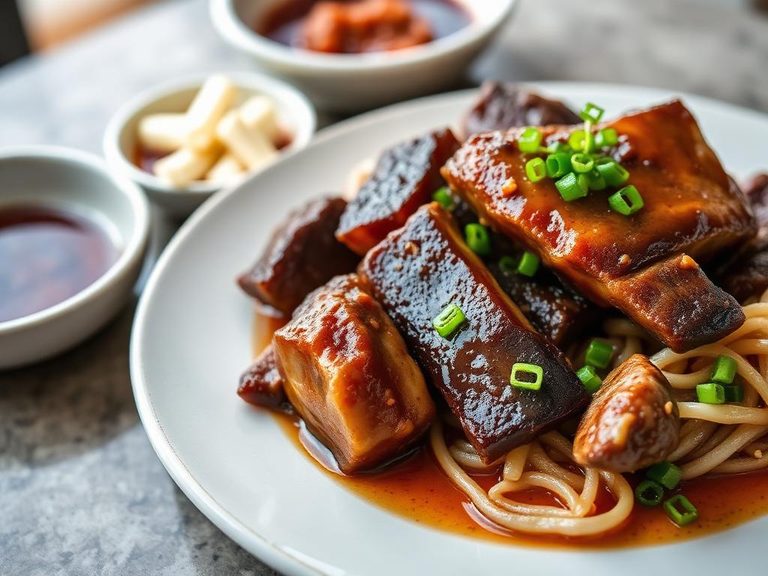
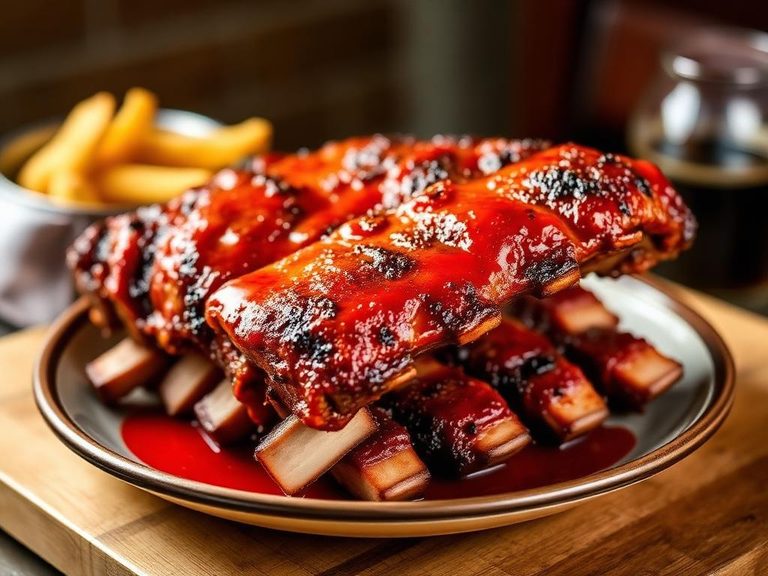
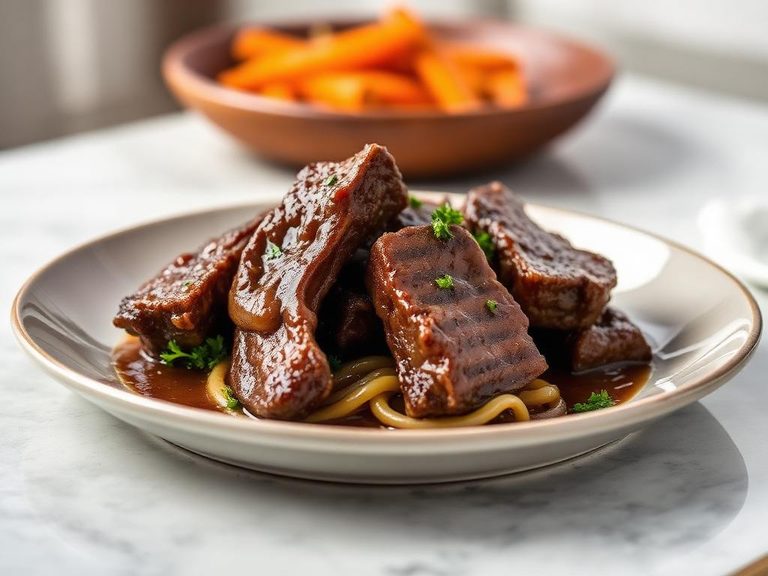
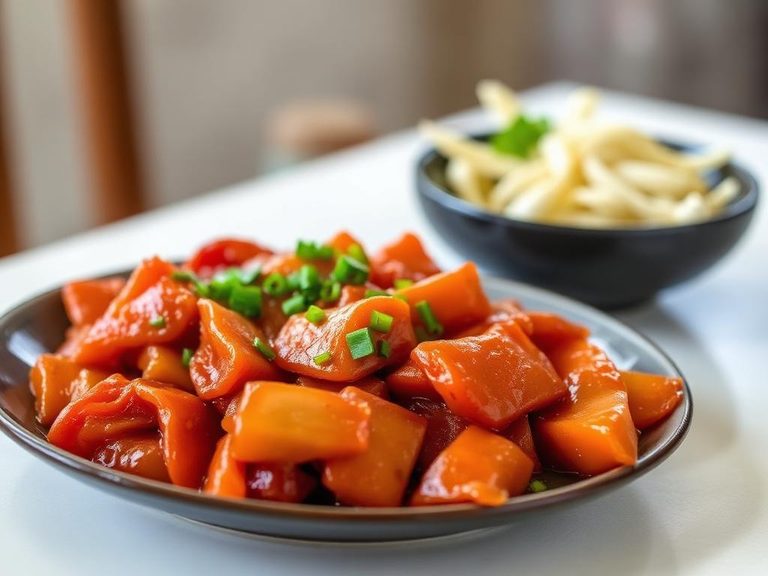
🍽️ Popular dishes
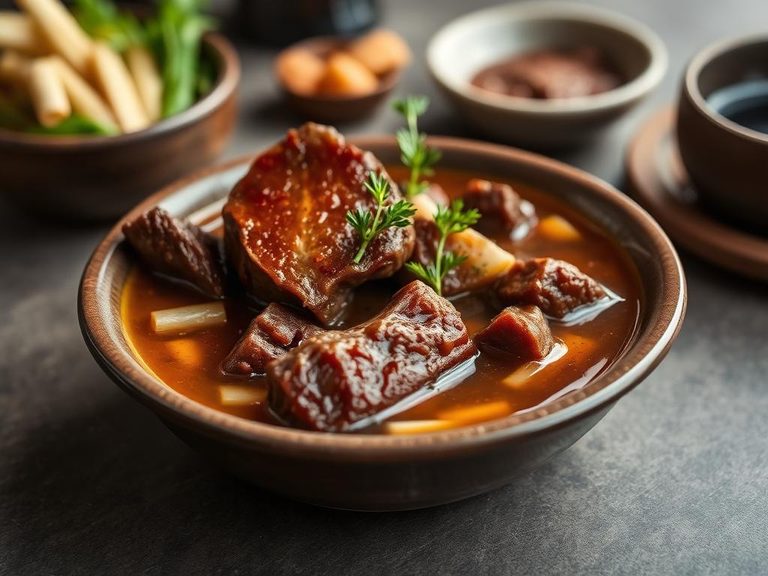
🌍 Where it's eaten
💡 Did you know?
The 'back ribs' are actually the rib bones left attached to the meat after the prime rib roast has been cut away, meaning this flavorful cut is a direct byproduct of butchering a more premium steak.
Full nutrition (USDA data · scales with serving)
| Water | 61.7 g |
| Energy | 239 kcal |
| Energy | 1002 kj |
| Protein | 19.1 g |
| Total lipid (fat) | 17.9 g |
| Ash | 0.82 g |
| Carbohydrate, by difference | 0.46 g |
| Fiber, total dietary | 0.00 g |
| Total Sugars | 0.00 g |
| Calcium, Ca | 9.0 mg |
| Iron, Fe | 1.8 mg |
| Magnesium, Mg | 20.0 mg |
| Phosphorus, P | 143 mg |
| Potassium, K | 258 mg |
| Sodium, Na | 60.0 mg |
| Zinc, Zn | 4.6 mg |
| Copper, Cu | 0.07 mg |
| Selenium, Se | 19.8 ug |
| Vitamin C, total ascorbic acid | 0.00 mg |
| Thiamin | 0.09 mg |
| Riboflavin | 0.24 mg |
| Niacin | 4.6 mg |
| Vitamin B-6 | 0.44 mg |
| Folate, total | 3.0 ug |
| Folic acid | 0.00 ug |
| Folate, food | 3.0 ug |
| Folate, DFE | 3.0 ug |
| Vitamin B-12 | 1.8 ug |
| Vitamin B-12, added | 0.00 ug |
| Carotene, beta | 0.00 ug |
| Carotene, alpha | 0.00 ug |
| Cryptoxanthin, beta | 0.00 ug |
| Lycopene | 0.00 ug |
| Lutein + zeaxanthin | 0.00 ug |
| Vitamin E (alpha-tocopherol) | 0.08 mg |
| Vitamin E, added | 0.00 mg |
| Alcohol, ethyl | 0.00 g |
| Caffeine | 0.00 mg |
| Theobromine | 0.00 mg |
Fat & fatty acid profile (per 100g)
| Fatty acids, total saturated | 7.1 g |
| SFA 4:0 | 0.00 g |
| SFA 6:0 | 0.00 g |
| SFA 8:0 | 0.00 g |
| SFA 10:0 | 0.01 g |
| SFA 12:0 | 0.01 g |
| SFA 14:0 | 0.45 g |
| SFA 15:0 | 0.09 g |
| SFA 16:0 | 3.8 g |
| SFA 17:0 | 0.23 g |
| SFA 18:0 | 2.4 g |
| SFA 20:0 | 0.01 g |
| SFA 24:0 | 0.01 g |
| Fatty acids, total monounsaturated | 8.1 g |
| MUFA 14:1 | 0.10 g |
| MUFA 15:1 | 0.05 g |
| MUFA 16:1 | 0.52 g |
| MUFA 16:1 c | 0.49 g |
| MUFA 17:1 | 0.15 g |
| MUFA 18:1 | 7.2 g |
| MUFA 18:1 c | 6.3 g |
| MUFA 20:1 | 0.03 g |
| MUFA 22:1 | 0.00 g |
| Fatty acids, total polyunsaturated | 0.70 g |
| PUFA 18:2 | 0.59 g |
| PUFA 18:2 n-6 c,c | 0.51 g |
| PUFA 18:2 CLAs | 0.06 g |
| PUFA 18:3 | 0.03 g |
| PUFA 18:3 n-3 c,c,c (ALA) | 0.03 g |
| PUFA 18:4 | 0.00 g |
| PUFA 20:2 n-6 c,c | 0.00 g |
| PUFA 20:3 | 0.02 g |
| PUFA 20:3 n-6 | 0.02 g |
| PUFA 20:4 | 0.05 g |
| PUFA 20:5 n-3 (EPA) | 0.00 g |
| PUFA 22:5 n-3 (DPA) | 0.01 g |
| PUFA 22:6 n-3 (DHA) | 0.00 g |
| Fatty acids, total trans | 0.97 g |
| Fatty acids, total trans-monoenoic | 0.96 g |
| TFA 16:1 t | 0.03 g |
| TFA 18:1 t | 0.93 g |
| TFA 18:2 t not further defined | 0.01 g |
| Fatty acids, total trans-polyenoic | 0.01 g |
| Cholesterol | 70.0 mg |
Amino acid profile (per 100g)
Estimated from Beef, variety meats and by-products, mechanically separated beef, raw — USDA does not publish this profile for Beef.
| Tryptophan | 0.17 g |
| Threonine | 0.47 g |
| Isoleucine | 0.58 g |
| Leucine | 1.2 g |
| Lysine | 1.2 g |
| Methionine | 0.43 g |
| Cystine | 0.23 g |
| Phenylalanine | 0.64 g |
| Tyrosine | 0.38 g |
| Valine | 0.92 g |
| Arginine | 1.2 g |
| Histidine | 0.44 g |
| Alanine | 1.0 g |
| Aspartic acid | 1.3 g |
| Glutamic acid | 2.1 g |
| Glycine | 1.2 g |
| Proline | 0.92 g |
| Serine | 0.57 g |
FAQ
What's the difference between back ribs and short ribs?
Back ribs come from the rib section near the spine and are typically leaner with meat between the bones. Short ribs come from the chuck or plate section and have a thicker, fattier layer of meat on top of the bone, making them richer.
How should I cook this lean cut to avoid toughness?
Low and slow is key. Braising, stewing, or slow-roasting breaks down connective tissue and makes the meat tender. High-heat, quick cooking like grilling is best for marinated or thinner cuts.
Is this cut suitable for a low-fat diet?
Yes, as the 'separable lean only, trimmed to 0' fat specification indicates, it is an exceptionally lean red meat option when prepared without added fats.
Nutrient density (calculated · NRF9.3)
Nutrient Rich Foods index: beneficial nutrients (protein, fiber, vitamins, minerals) minus saturated fat, added sugar & sodium, per 100 kcal.
NRF9.3 index — Fulgoni, Keast & Drewnowski, 2009. Computed from USDA nutrients.
Weight-loss friendliness (composite index)
Energy density 2.39 kcal/g · 32% calories from protein · 0.0 g fiber · 0.0 g sugar per 100 g.
Composite of energy density (Rolls et al., 1999), protein & fiber satiety, minus sugar. A calculated heuristic — ranks satiety-per-calorie, not a clinical measure.
Dietary load (calculated from USDA values)
Potential renal acid load. Positive = acid-forming, negative = alkaline-forming.
Sodium-to-potassium ratio: 0.23 (lower is better — aim for ≤ 1)
Sodium:potassium per WHO potassium guidance. Computed from USDA nutrients.