Cheese, neufchatel
Whole food · Dairy and Egg Products

Photo: Wikipedia
Neufchâtel is a soft, fresh cheese with a slightly grainy texture and a mild, tangy flavor often compared to cream cheese but lighter. Originating from Normandy, France, it's typically lower in fat and calories than its American cream cheese counterpart. Its nutritional profile is dominated by fat, providing about 23g per 100g, with a modest 9g of protein.
💚 Why it's loved
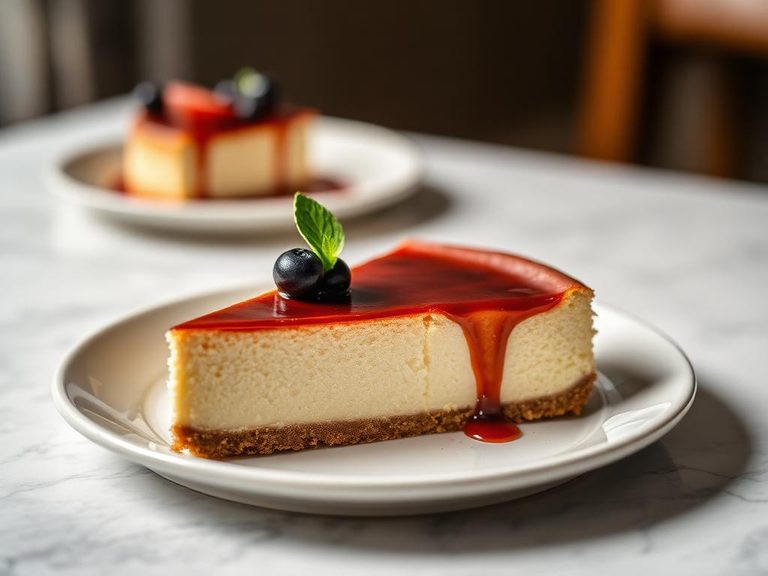
People love Neufchâtel for its delicate, milky flavor and smooth, spreadable texture that's less dense than cream cheese. It's a staple in French cuisine and a beloved ingredient for everything from baguette spreads to cheesecake fillings.
⚠️ Watch-outs & how to enjoy it better
As a dairy product, it's a common allergen and contains lactose, which some may find difficult to digest. Its high fat content, while flavorful, means it should be enjoyed in moderation, especially by those monitoring saturated fat intake. Pair it with fiber-rich vegetables or whole-grain crackers to balance the meal and slow fat absorption.
Key benefits
- Good source of protein for muscle maintenance
- Provides calcium for bone health
- Lower in fat and calories than many soft cheeses
- Contains phosphorus and vitamin A
- Versatile in both sweet and savory applications
🍽️ Popular dishes
🌍 Where it's eaten
💡 Did you know?
The cheese's iconic heart shape is a legend: it's said that a young Norman woman in the 6th century carved each loaf into a heart to win the affection of a passing knight.
Full nutrition (scales with serving)
| Water | 63.1 g |
| Energy | 253 kcal |
| Energy | 1059 kj |
| Protein | 9.2 g |
| Total lipid (fat) | 22.8 g |
| Ash | 1.4 g |
| Carbohydrate, by difference | 3.6 g |
| Fiber, total dietary | 0.00 g |
| Total Sugars | 3.2 g |
| Sucrose | 0.00 g |
| Glucose | 0.00 g |
| Fructose | 0.00 g |
| Lactose | 3.2 g |
| Maltose | 0.00 g |
| Galactose | 0.00 g |
| Starch | 0.50 g |
| Calcium, Ca | 117 mg |
| Iron, Fe | 0.13 mg |
| Magnesium, Mg | 10.0 mg |
| Phosphorus, P | 138 mg |
| Potassium, K | 152 mg |
| Sodium, Na | 334 mg |
| Zinc, Zn | 0.82 mg |
| Copper, Cu | 0.03 mg |
| Manganese, Mn | 0.01 mg |
| Selenium, Se | 3.0 ug |
| Vitamin C, total ascorbic acid | 0.00 mg |
| Thiamin | 0.02 mg |
| Riboflavin | 0.15 mg |
| Niacin | 0.21 mg |
| Pantothenic acid | 0.57 mg |
| Vitamin B-6 | 0.04 mg |
| Folate, total | 14.0 ug |
| Folic acid | 0.00 ug |
| Folate, food | 14.0 ug |
| Folate, DFE | 14.0 ug |
| Vitamin B-12 | 0.30 ug |
| Vitamin A, RAE | 241 ug |
| Retinol | 239 ug |
| Carotene, beta | 27.0 ug |
| Carotene, alpha | 0.00 ug |
| Cryptoxanthin, beta | 0.00 ug |
| Vitamin A, IU | 841 iu |
| Lycopene | 0.00 ug |
| Vitamin E (alpha-tocopherol) | 0.40 mg |
| Tocopherol, beta | 0.00 mg |
| Tocopherol, gamma | 0.03 mg |
| Tocopherol, delta | 0.00 mg |
| Tocotrienol, alpha | 0.00 mg |
| Tocotrienol, beta | 0.00 mg |
| Tocotrienol, gamma | 0.00 mg |
| Tocotrienol, delta | 0.00 mg |
| Vitamin K (phylloquinone) | 1.7 ug |
| Vitamin K (Dihydrophylloquinone) | 0.00 ug |
| Vitamin K (Menaquinone-4) | 9.3 ug |
Fat & fatty acid profile (per 100g)
| Fatty acids, total saturated | 12.8 g |
| SFA 4:0 | 0.61 g |
| SFA 6:0 | 0.21 g |
| SFA 8:0 | 0.24 g |
| SFA 10:0 | 0.55 g |
| SFA 12:0 | 0.61 g |
| SFA 14:0 | 2.0 g |
| SFA 15:0 | 0.21 g |
| SFA 16:0 | 5.6 g |
| SFA 17:0 | 0.12 g |
| SFA 18:0 | 2.6 g |
| SFA 20:0 | 0.03 g |
| SFA 22:0 | 0.00 g |
| Fatty acids, total monounsaturated | 5.8 g |
| MUFA 14:1 | 0.16 g |
| MUFA 15:1 | 0.00 g |
| MUFA 16:1 | 0.30 g |
| MUFA 17:1 | 0.00 g |
| MUFA 18:1 | 5.3 g |
| MUFA 20:1 | 0.00 g |
| Fatty acids, total polyunsaturated | 0.97 g |
| PUFA 18:2 | 0.70 g |
| PUFA 18:3 | 0.12 g |
| PUFA 18:3 n-3 c,c,c (ALA) | 0.12 g |
| PUFA 18:3 n-6 c,c,c | 0.00 g |
| PUFA 20:2 n-6 c,c | 0.00 g |
| PUFA 20:3 | 0.00 g |
| PUFA 20:4 | 0.04 g |
| Cholesterol | 74.0 mg |
Amino acid profile (per 100g)
| Tryptophan | 0.11 g |
| Threonine | 0.36 g |
| Isoleucine | 0.50 g |
| Leucine | 1.0 g |
| Lysine | 0.88 g |
| Methionine | 0.29 g |
| Cystine | 0.06 g |
| Phenylalanine | 0.45 g |
| Tyrosine | 0.47 g |
| Valine | 0.61 g |
| Arginine | 0.36 g |
| Histidine | 0.27 g |
| Alanine | 0.28 g |
| Aspartic acid | 0.79 g |
| Glutamic acid | 2.0 g |
| Glycine | 0.22 g |
| Proline | 1.0 g |
| Serine | 0.58 g |
| Hydroxyproline | 0.00 g |
FAQ
What's the difference between Neufchâtel and cream cheese?
Neufchâtel is a French fresh cheese with a slightly grainier texture and a tangier, less rich flavor. It's traditionally lower in fat (around 20-25% vs. 33% for cream cheese), though American versions can vary.
Can I substitute Neufchâtel for cream cheese in recipes?
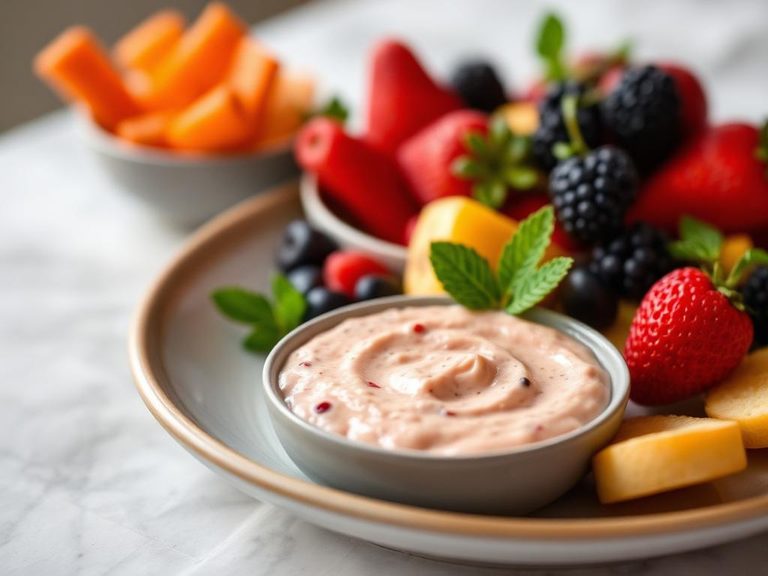
Yes, it's a common 1:1 substitute, especially in dips, spreads, and frostings. The result will be slightly lighter and tangier. For baking, like cheesecake, it may yield a softer texture.
How should I store Neufchâtel cheese?
Keep it tightly wrapped in its original packaging or rewrap in plastic. Store in the coldest part of the refrigerator, not the door. It's best used within a week of opening.