

Rice, white, long-grain, precooked or instant, enriched, prepared
Whole food · Cereal Grains and Pasta
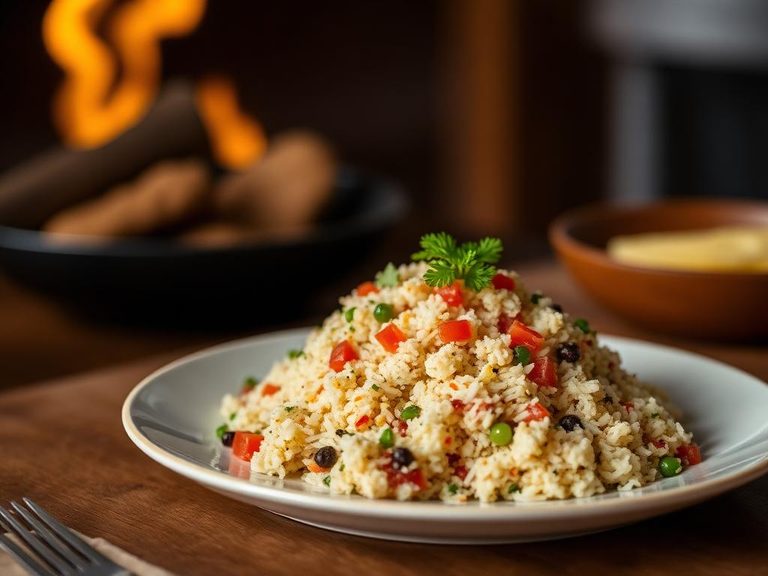
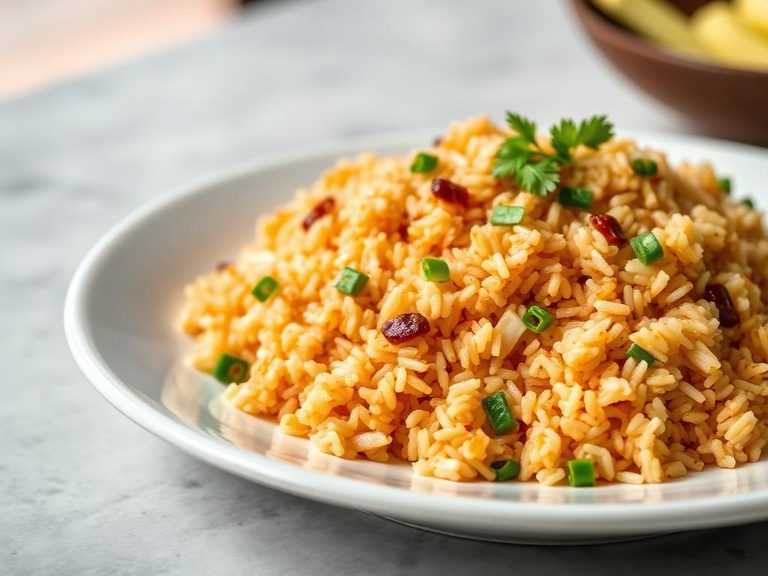
This is the ultimate kitchen shortcut: fluffy, distinct grains of long-grain white rice, pre-cooked and dehydrated for lightning-fast preparation. It offers a clean, mild, starchy flavor and a light, slightly chewy texture that absorbs sauces and seasonings beautifully. Nutritionally, it's a quick source of energy-dense carbohydrates with a modest protein boost from enrichment.
Calorie split: 7% protein · 89% carbs · 4% fat
↓ Full nutrition💚 Why it's loved
People adore its unparalleled convenience for busy weeknights, dorm rooms, or camping trips, delivering a satisfying, comforting base without the 20-minute wait of traditional rice. Its ability to perfectly soak up the flavors of stir-fries, curries, and gravies makes it a versatile canvas for countless meals.
⚠️ Watch-outs & how to enjoy it better
Its high glycemic index can cause rapid blood sugar spikes, making it less ideal for those managing diabetes or seeking sustained energy. To counteract this, pair it with a source of protein (like beans or chicken) and healthy fat (like avocado or olive oil) to slow digestion, or opt for a smaller portion mixed with higher-fiber grains or vegetables.
Key benefits
- Ready in under 5 minutes with just boiling water.
- Enriched with iron and B vitamins like thiamin and niacin.
- Provides quick, easily digestible energy from complex carbs.
- Lightweight and shelf-stable for emergency or camping supplies.
- Its neutral flavor pairs with virtually any cuisine.
🍽️ Popular dishes
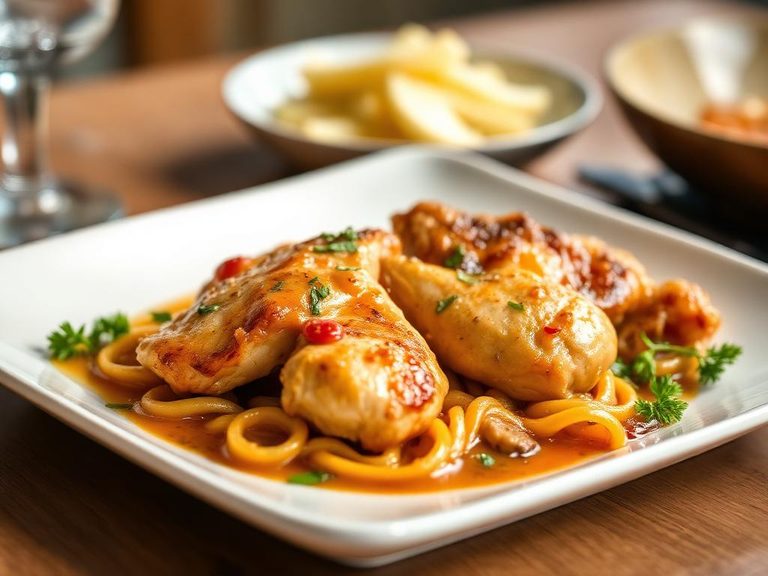
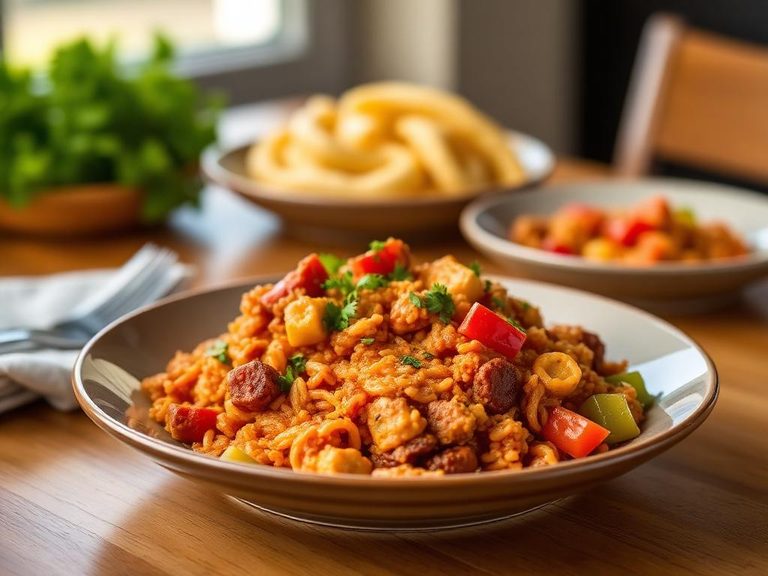
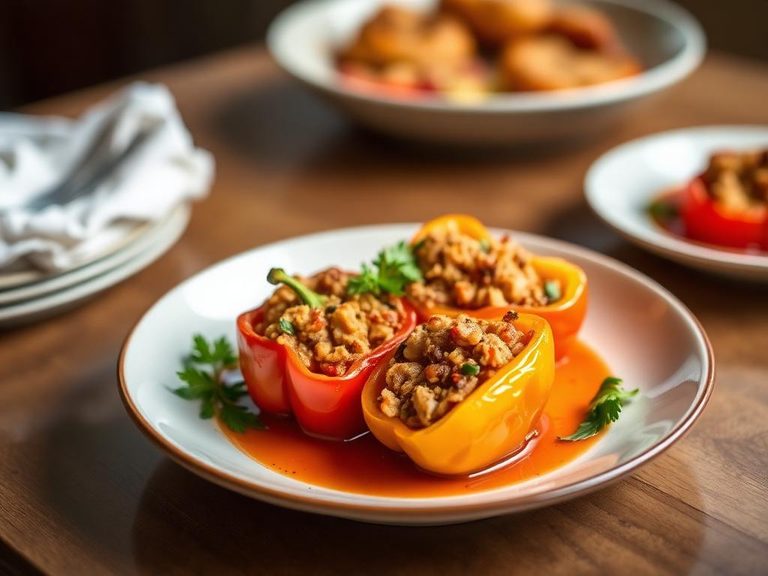
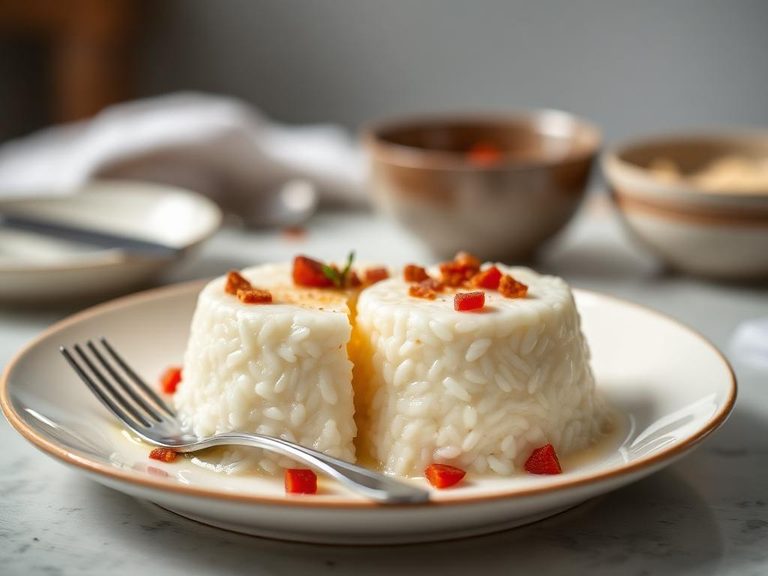
🌍 Where it's eaten
💡 Did you know?
The 'instant' process involves parboiling, then rapidly drying the rice so much that it can rehydrate in minutes—a technique perfected for military rations during World War II.
Full nutrition (USDA data · scales with serving)
| Water | 70.3 g |
| Energy | 124 kcal |
| Energy | 518 kj |
| Protein | 2.2 g |
| Total lipid (fat) | 0.50 g |
| Ash | 0.22 g |
| Carbohydrate, by difference | 26.8 g |
| Fiber, total dietary | 0.60 g |
| Total Sugars | 0.00 g |
| Sucrose | 0.00 g |
| Glucose | 0.00 g |
| Fructose | 0.00 g |
| Lactose | 0.00 g |
| Maltose | 0.00 g |
| Starch | 26.3 g |
| Calcium, Ca | 8.0 mg |
| Iron, Fe | 1.8 mg |
| Magnesium, Mg | 5.0 mg |
| Phosphorus, P | 37.0 mg |
| Potassium, K | 9.0 mg |
| Sodium, Na | 4.0 mg |
| Zinc, Zn | 0.49 mg |
| Copper, Cu | 0.04 mg |
| Manganese, Mn | 0.34 mg |
| Selenium, Se | 4.8 ug |
| Vitamin C, total ascorbic acid | 0.00 mg |
| Thiamin | 0.07 mg |
| Riboflavin | 0.01 mg |
| Niacin | 1.7 mg |
| Pantothenic acid | 0.06 mg |
| Vitamin B-6 | 0.05 mg |
| Folate, total | 70.0 ug |
| Folic acid | 69.0 ug |
| Folate, food | 1.0 ug |
| Folate, DFE | 118 ug |
| Choline, total | 2.1 mg |
| Vitamin B-12 | 0.00 ug |
| Vitamin B-12, added | 0.00 ug |
| Vitamin A, RAE | 0.00 ug |
| Retinol | 0.00 ug |
| Carotene, beta | 0.00 ug |
| Carotene, alpha | 0.00 ug |
| Cryptoxanthin, beta | 0.00 ug |
| Vitamin A, IU | 0.00 iu |
| Lycopene | 0.00 ug |
| Lutein + zeaxanthin | 0.00 ug |
| Vitamin E (alpha-tocopherol) | 0.01 mg |
| Vitamin E, added | 0.00 mg |
| Vitamin D (D2 + D3), International Units | 0.00 iu |
| Vitamin D (D2 + D3) | 0.00 ug |
| Vitamin K (phylloquinone) | 0.00 ug |
| Alcohol, ethyl | 0.00 g |
| Caffeine | 0.00 mg |
| Theobromine | 0.00 mg |
Fat & fatty acid profile (per 100g)
| Fatty acids, total saturated | 0.02 g |
| SFA 4:0 | 0.00 g |
| SFA 6:0 | 0.00 g |
| SFA 8:0 | 0.00 g |
| SFA 10:0 | 0.00 g |
| SFA 12:0 | 0.00 g |
| SFA 14:0 | 0.00 g |
| SFA 15:0 | 0.00 g |
| SFA 16:0 | 0.02 g |
| SFA 17:0 | 0.00 g |
| SFA 18:0 | 0.00 g |
| SFA 20:0 | 0.00 g |
| SFA 22:0 | 0.00 g |
| SFA 24:0 | 0.00 g |
| Fatty acids, total monounsaturated | 0.07 g |
| MUFA 14:1 | 0.00 g |
| MUFA 16:1 | 0.00 g |
| MUFA 18:1 | 0.07 g |
| MUFA 20:1 | 0.00 g |
| MUFA 22:1 | 0.00 g |
| Fatty acids, total polyunsaturated | 0.02 g |
| PUFA 18:2 | 0.02 g |
| PUFA 18:3 | 0.00 g |
| PUFA 18:4 | 0.00 g |
| PUFA 20:4 | 0.00 g |
| PUFA 20:5 n-3 (EPA) | 0.00 g |
| PUFA 22:5 n-3 (DPA) | 0.00 g |
| PUFA 22:6 n-3 (DHA) | 0.00 g |
| Cholesterol | 0.00 mg |
Amino acid profile (per 100g)
| Tryptophan | 0.03 g |
| Threonine | 0.08 g |
| Isoleucine | 0.10 g |
| Leucine | 0.19 g |
| Lysine | 0.06 g |
| Methionine | 0.05 g |
| Cystine | 0.04 g |
| Phenylalanine | 0.12 g |
| Tyrosine | 0.07 g |
| Valine | 0.14 g |
| Arginine | 0.19 g |
| Histidine | 0.05 g |
| Alanine | 0.13 g |
| Aspartic acid | 0.23 g |
| Glutamic acid | 0.41 g |
| Glycine | 0.10 g |
| Proline | 0.14 g |
| Serine | 0.11 g |
FAQ
Why is it called 'enriched'?
During processing, the bran and germ are removed, stripping away nutrients. 'Enriched' means manufacturers add back key vitamins and minerals, primarily iron and B vitamins (thiamin, niacin, folic acid), that were lost.
How does it differ from regular long-grain white rice?
It's fully cooked and then dehydrated during manufacturing. This pre-cooking breaks down the starch structure, allowing it to rehydrate and become tender with just a brief soak in hot water, unlike raw rice which requires sustained boiling.
Can I use it in a rice cooker?
It's not recommended. The cooking time and water ratio are designed for stovetop or microwave rehydration. Using a rice cooker will likely overcook it into a mushy, porridge-like consistency.
Nutrient density (calculated · NRF9.3)
Nutrient Rich Foods index: beneficial nutrients (protein, fiber, vitamins, minerals) minus saturated fat, added sugar & sodium, per 100 kcal.
NRF9.3 index — Fulgoni, Keast & Drewnowski, 2009. Computed from USDA nutrients.
Weight-loss friendliness (composite index)
Energy density 1.24 kcal/g · 7% calories from protein · 0.6 g fiber · 0.0 g sugar per 100 g.
Composite of energy density (Rolls et al., 1999), protein & fiber satiety, minus sugar. A calculated heuristic — ranks satiety-per-calorie, not a clinical measure.
Dietary load (calculated from USDA values)
Potential renal acid load. Positive = acid-forming, negative = alkaline-forming.
Sodium-to-potassium ratio: 0.44 (lower is better — aim for ≤ 1)
Sodium:potassium per WHO potassium guidance. Computed from USDA nutrients.