

Peas, green, raw
Whole food · Vegetables and Vegetable Products
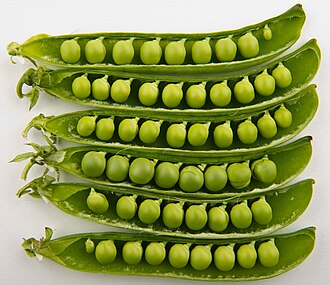
Photo: Wikipedia
Raw green peas are small, vibrant emerald orbs with a crisp, snappy texture and a sweet, grassy flavor that bursts with freshness. Nutritionally, they are a standout for their high fiber and plant-based protein content relative to their low calorie count, making them a powerhouse of satiety.
Calorie split: 26% protein · 70% carbs · 4% fat
↓ Full nutrition💚 Why it's loved
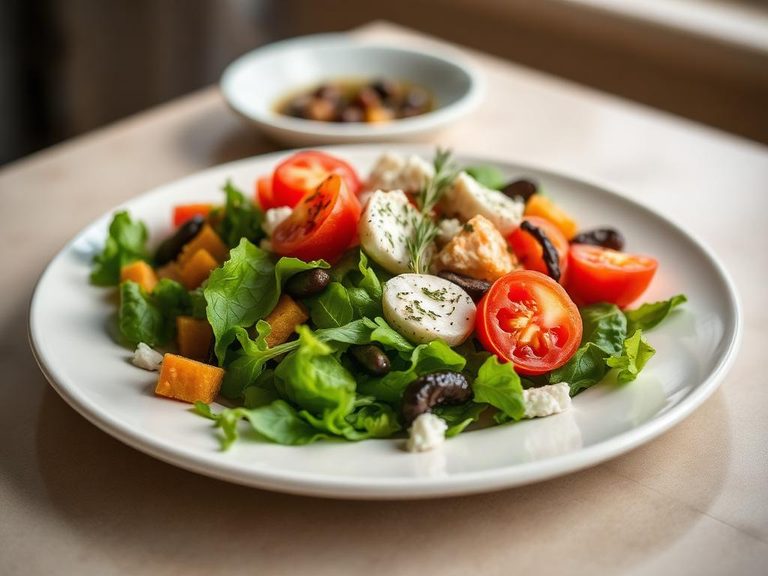
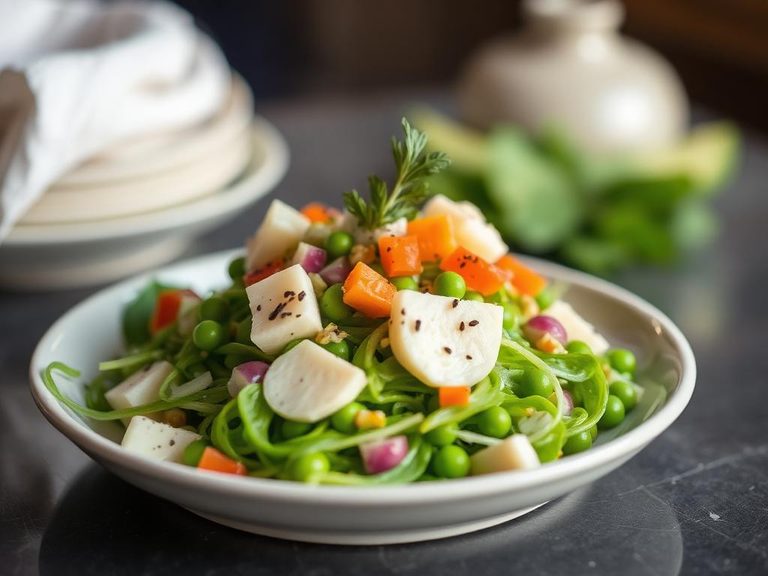
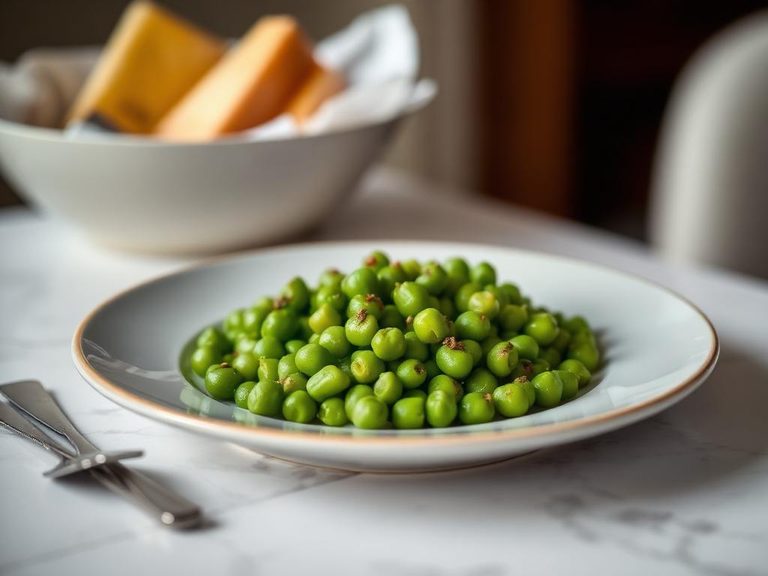
People love raw peas for their addictive, sweet crunch and versatility—they elevate salads, add texture to grain bowls, and can be eaten straight from the pod as a wholesome snack. Their vibrant color and fresh taste are synonymous with the arrival of spring.
⚠️ Watch-outs & how to enjoy it better
For some, raw peas can cause gas or bloating due to their high fiber and oligosaccharide content. To counteract this, start with smaller portions, chew thoroughly, or lightly steam them to break down some of the complex sugars. Individuals on blood sugar management plans should note their moderate carbohydrate content and pair them with a healthy fat or protein source.
Key benefits
- Excellent source of dietary fiber for digestive health
- Rich in plant-based protein for muscle maintenance
- Low in fat and calories, supporting weight management
- Contains vitamins C and K, and folate
- Provides antioxidants like lutein and zeaxanthin
🍽️ Popular dishes
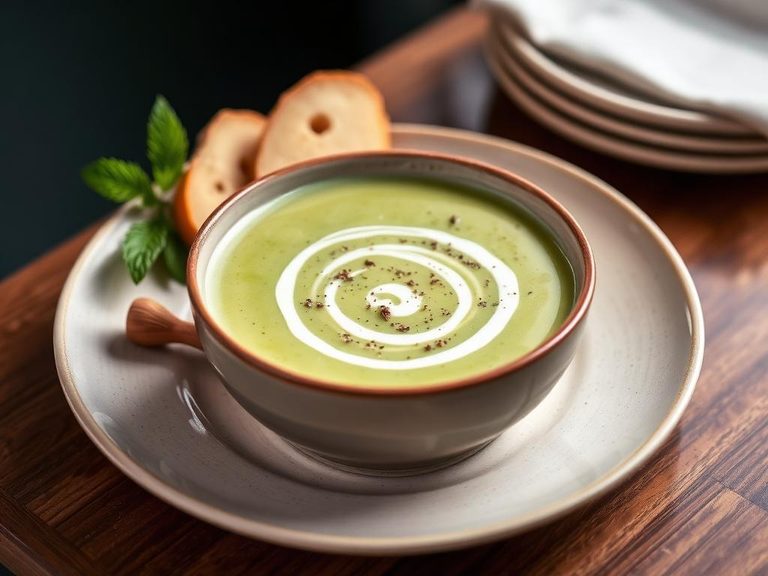
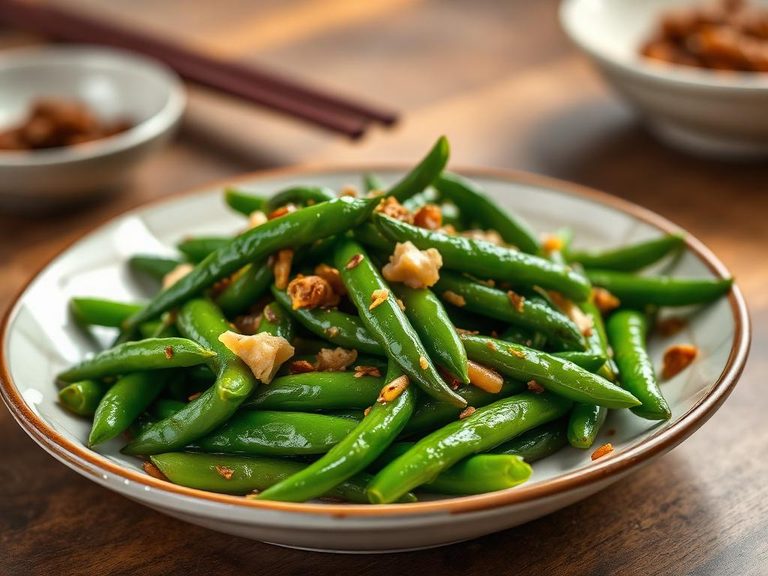

🌍 Where it's eaten
💡 Did you know?
The tiny, undeveloped peas inside a snow pea pod are considered a delicacy in some cuisines and are often more sweet and tender than the mature peas.
Full nutrition (USDA data · scales with serving)
| Water | 78.9 g |
| Energy | 81.0 kcal |
| Energy | 339 kj |
| Protein | 5.4 g |
| Total lipid (fat) | 0.40 g |
| Ash | 0.87 g |
| Carbohydrate, by difference | 14.4 g |
| Fiber, total dietary | 5.7 g |
| Total Sugars | 5.7 g |
| Sucrose | 5.0 g |
| Glucose | 0.12 g |
| Fructose | 0.39 g |
| Lactose | 0.00 g |
| Maltose | 0.17 g |
| Galactose | 0.00 g |
| Calcium, Ca | 25.0 mg |
| Iron, Fe | 1.5 mg |
| Magnesium, Mg | 33.0 mg |
| Phosphorus, P | 108 mg |
| Potassium, K | 244 mg |
| Sodium, Na | 5.0 mg |
| Zinc, Zn | 1.2 mg |
| Copper, Cu | 0.18 mg |
| Manganese, Mn | 0.41 mg |
| Selenium, Se | 1.8 ug |
| Vitamin C, total ascorbic acid | 40.0 mg |
| Thiamin | 0.27 mg |
| Riboflavin | 0.13 mg |
| Niacin | 2.1 mg |
| Pantothenic acid | 0.10 mg |
| Vitamin B-6 | 0.17 mg |
| Folate, total | 65.0 ug |
| Folic acid | 0.00 ug |
| Folate, food | 65.0 ug |
| Folate, DFE | 65.0 ug |
| Choline, total | 28.4 mg |
| Betaine | 0.20 mg |
| Vitamin B-12 | 0.00 ug |
| Vitamin B-12, added | 0.00 ug |
| Vitamin A, RAE | 38.0 ug |
| Retinol | 0.00 ug |
| Carotene, beta | 449 ug |
| Carotene, alpha | 21.0 ug |
| Cryptoxanthin, beta | 0.00 ug |
| Vitamin A, IU | 765 iu |
| Lycopene | 0.00 ug |
| Lutein + zeaxanthin | 2477 ug |
| Vitamin E (alpha-tocopherol) | 0.13 mg |
| Vitamin E, added | 0.00 mg |
| Tocopherol, beta | 0.00 mg |
| Tocopherol, gamma | 0.95 mg |
| Tocopherol, delta | 0.02 mg |
| Vitamin D (D2 + D3), International Units | 0.00 iu |
| Vitamin D (D2 + D3) | 0.00 ug |
| Vitamin K (phylloquinone) | 24.8 ug |
| Alcohol, ethyl | 0.00 g |
| Caffeine | 0.00 mg |
| Theobromine | 0.00 mg |
Fat & fatty acid profile (per 100g)
| Fatty acids, total saturated | 0.07 g |
| SFA 4:0 | 0.00 g |
| SFA 6:0 | 0.00 g |
| SFA 8:0 | 0.00 g |
| SFA 10:0 | 0.00 g |
| SFA 12:0 | 0.00 g |
| SFA 14:0 | 0.00 g |
| SFA 16:0 | 0.06 g |
| SFA 18:0 | 0.01 g |
| Fatty acids, total monounsaturated | 0.04 g |
| MUFA 16:1 | 0.00 g |
| MUFA 18:1 | 0.04 g |
| MUFA 20:1 | 0.00 g |
| MUFA 22:1 | 0.00 g |
| Fatty acids, total polyunsaturated | 0.19 g |
| PUFA 18:2 | 0.15 g |
| PUFA 18:3 | 0.04 g |
| PUFA 18:4 | 0.00 g |
| PUFA 20:4 | 0.00 g |
| PUFA 20:5 n-3 (EPA) | 0.00 g |
| PUFA 22:5 n-3 (DPA) | 0.00 g |
| PUFA 22:6 n-3 (DHA) | 0.00 g |
| Fatty acids, total trans | 0.00 g |
| Cholesterol | 0.00 mg |
Amino acid profile (per 100g)
| Tryptophan | 0.04 g |
| Threonine | 0.20 g |
| Isoleucine | 0.20 g |
| Leucine | 0.32 g |
| Lysine | 0.32 g |
| Methionine | 0.08 g |
| Cystine | 0.03 g |
| Phenylalanine | 0.20 g |
| Tyrosine | 0.11 g |
| Valine | 0.23 g |
| Arginine | 0.43 g |
| Histidine | 0.11 g |
| Alanine | 0.24 g |
| Aspartic acid | 0.50 g |
| Glutamic acid | 0.74 g |
| Glycine | 0.18 g |
| Proline | 0.17 g |
| Serine | 0.18 g |
FAQ
Are raw peas safe to eat?
Yes, raw green peas are completely safe and nutritious. They are commonly eaten fresh in salads or as a snack. Ensure they are fresh and washed.
How do I store fresh peas?
For maximum sweetness and crunch, store unwashed peas in their pods in a perforated plastic bag in the refrigerator crisper drawer and use within 2-3 days. They lose sugar rapidly after picking.
What's the difference between green peas and snow peas?
Green peas (garden peas) are spherical and shelled from a thick, inedible pod. Snow peas have flat, edible pods with small, underdeveloped peas inside. Sugar snap peas are a cross, with a thicker edible pod and plumper peas.
Nutrient density (calculated · NRF9.3)
Nutrient Rich Foods index: beneficial nutrients (protein, fiber, vitamins, minerals) minus saturated fat, added sugar & sodium, per 100 kcal.
NRF9.3 index — Fulgoni, Keast & Drewnowski, 2009. Computed from USDA nutrients.
Weight-loss friendliness (composite index)
Energy density 0.81 kcal/g · 27% calories from protein · 5.7 g fiber · 5.7 g sugar per 100 g.
Composite of energy density (Rolls et al., 1999), protein & fiber satiety, minus sugar. A calculated heuristic — ranks satiety-per-calorie, not a clinical measure.
Dietary load (calculated from USDA values)
Potential renal acid load. Positive = acid-forming, negative = alkaline-forming.
Sodium-to-potassium ratio: 0.02 (lower is better — aim for ≤ 1)
Sodium:potassium per WHO potassium guidance. Computed from USDA nutrients.