

Orange juice, chilled, includes from concentrate, with added calcium and vitamins A, D, E
Whole food · Fruits and Fruit Juices
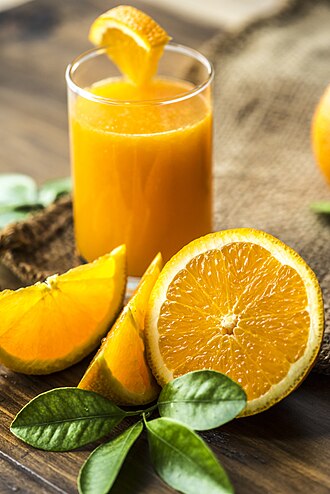
Photo: Wikipedia
This is a chilled, reconstituted orange juice fortified with calcium and vitamins A, D, and E. It offers the classic sweet-tart citrus flavor and smooth, refreshing texture of orange juice, with a nutritional profile enhanced by added micronutrients. A 100g serving provides a quick energy boost from its natural sugars while contributing to daily vitamin and mineral intake.
Calorie split: 5% protein · 92% carbs · 2% fat
↓ Full nutrition💚 Why it's loved
People love it for its bright, sunny flavor that is both sweet and tangy, making it a universally appealing breakfast staple. Its versatility extends from a standalone drink to a base for smoothies, cocktails, and marinades.
⚠️ Watch-outs & how to enjoy it better
The high natural sugar content (8.31g per 100g) can cause rapid blood-sugar spikes, especially for those with insulin sensitivity. To counteract this, pair it with a source of protein or healthy fat (like eggs or nuts) to slow sugar absorption, and practice portion control by limiting intake to a small glass.
Key benefits
- Excellent source of Vitamin C for immune support.
- Fortified with Calcium for bone health.
- Provides Vitamin D, often lacking in diets.
- Contains Vitamin E, an antioxidant.
- Offers quick, natural energy from fruit sugars.
🍽️ Popular dishes


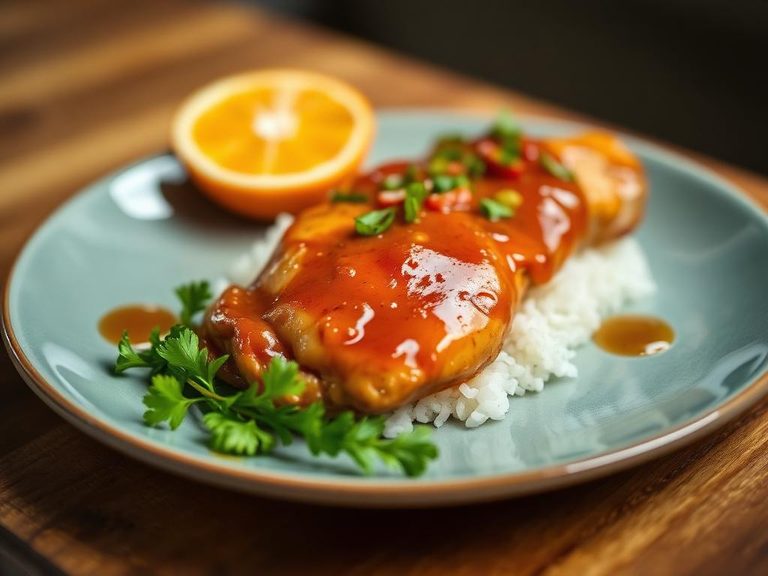
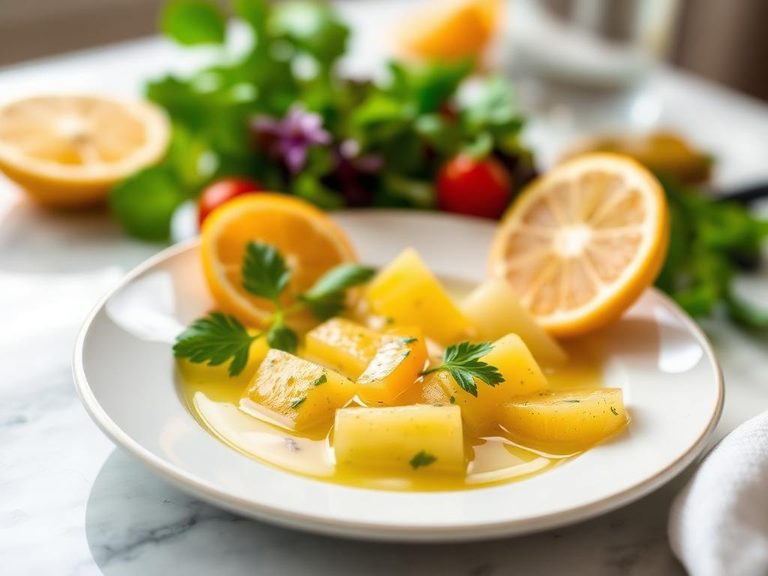
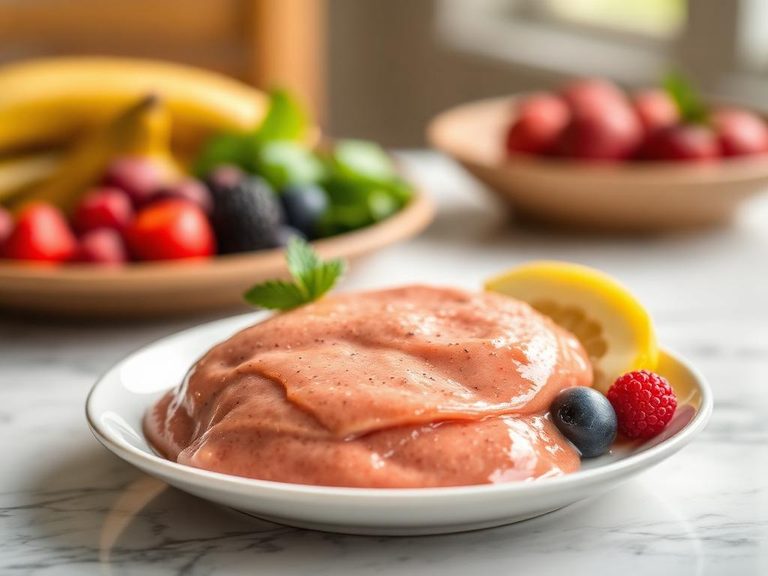
🌍 Where it's eaten
💡 Did you know?
The process of making 'from concentrate' involves evaporating the water from fresh juice to ship it more efficiently, then adding the water back at the destination plant before fortification.
Full nutrition (USDA data · scales with serving)
| Water | 87.2 g |
| Energy | 49.0 kcal |
| Energy | 203 kj |
| Protein | 0.68 g |
| Total lipid (fat) | 0.12 g |
| Ash | 0.43 g |
| Carbohydrate, by difference | 11.5 g |
| Fiber, total dietary | 0.30 g |
| Total Sugars | 8.3 g |
| Sucrose | 4.0 g |
| Glucose | 2.1 g |
| Fructose | 2.2 g |
| Lactose | 0.00 g |
| Maltose | 0.00 g |
| Galactose | 0.00 g |
| Calcium, Ca | 146 mg |
| Iron, Fe | 0.13 mg |
| Magnesium, Mg | 11.0 mg |
| Phosphorus, P | 17.0 mg |
| Potassium, K | 178 mg |
| Sodium, Na | 2.0 mg |
| Zinc, Zn | 0.07 mg |
| Copper, Cu | 0.04 mg |
| Manganese, Mn | 0.02 mg |
| Selenium, Se | 0.10 ug |
| Vitamin C, total ascorbic acid | 33.6 mg |
| Thiamin | 0.05 mg |
| Riboflavin | 0.04 mg |
| Niacin | 0.28 mg |
| Pantothenic acid | 0.20 mg |
| Vitamin B-6 | 0.08 mg |
| Folate, total | 19.0 ug |
| Folic acid | 0.00 ug |
| Folate, food | 19.0 ug |
| Folate, DFE | 19.0 ug |
| Choline, total | 6.2 mg |
| Betaine | 0.20 mg |
| Vitamin B-12 | 0.00 ug |
| Vitamin B-12, added | 0.00 ug |
| Vitamin A, RAE | 114 ug |
| Retinol | 112 ug |
| Carotene, beta | 8.0 ug |
| Carotene, alpha | 8.0 ug |
| Cryptoxanthin, beta | 27.0 ug |
| Vitamin A, IU | 417 iu |
| Lycopene | 0.00 ug |
| Lutein + zeaxanthin | 27.0 ug |
| Vitamin E (alpha-tocopherol) | 1.1 mg |
| Vitamin E, added | 1.1 mg |
| Vitamin D (D2 + D3), International Units | 42.0 iu |
| Vitamin D (D2 + D3) | 1.0 ug |
| Vitamin K (phylloquinone) | 0.00 ug |
| Vitamin K (Dihydrophylloquinone) | 0.00 ug |
| Alcohol, ethyl | 0.00 g |
| Caffeine | 0.00 mg |
| Theobromine | 0.00 mg |
Fat & fatty acid profile (per 100g)
| Fatty acids, total saturated | 0.01 g |
| SFA 4:0 | 0.00 g |
| SFA 6:0 | 0.00 g |
| SFA 8:0 | 0.00 g |
| SFA 10:0 | 0.00 g |
| SFA 12:0 | 0.00 g |
| SFA 14:0 | 0.00 g |
| SFA 16:0 | 0.01 g |
| SFA 18:0 | 0.00 g |
| Fatty acids, total monounsaturated | 0.02 g |
| MUFA 16:1 | 0.00 g |
| MUFA 18:1 | 0.02 g |
| MUFA 20:1 | 0.00 g |
| MUFA 22:1 | 0.00 g |
| Fatty acids, total polyunsaturated | 0.03 g |
| PUFA 18:2 | 0.02 g |
| PUFA 18:3 | 0.01 g |
| PUFA 18:4 | 0.00 g |
| PUFA 20:4 | 0.00 g |
| PUFA 20:5 n-3 (EPA) | 0.00 g |
| PUFA 22:5 n-3 (DPA) | 0.00 g |
| PUFA 22:6 n-3 (DHA) | 0.00 g |
| Fatty acids, total trans | 0.00 g |
| Cholesterol | 0.00 mg |
Amino acid profile (per 100g)
| Tryptophan | 0.00 g |
| Threonine | 0.01 g |
| Isoleucine | 0.00 g |
| Leucine | 0.01 g |
| Lysine | 0.02 g |
| Methionine | 0.00 g |
| Cystine | 0.00 g |
| Phenylalanine | 0.01 g |
| Tyrosine | 0.00 g |
| Valine | 0.01 g |
| Arginine | 0.08 g |
| Histidine | 0.00 g |
| Alanine | 0.02 g |
| Aspartic acid | 0.11 g |
| Glutamic acid | 0.04 g |
| Glycine | 0.01 g |
| Proline | 0.08 g |
| Serine | 0.02 g |
FAQ
Why is calcium added to orange juice?
Calcium is added as a nutritional fortification to make the juice a more complete beverage, especially for those who may not consume enough dairy. The vitamin D is often added alongside it to aid calcium absorption.
Is this juice as healthy as freshly squeezed?
While it provides key vitamins, the concentration process can reduce some heat-sensitive nutrients like vitamin C. However, fortification adds back specific nutrients, making it a different, but still valuable, nutritional choice.
What does 'from concentrate' mean?
It means the juice was heated to remove water for easier and cheaper transport, then reconstituted with water at a bottling facility near the market. This differs from 'not from concentrate' juice, which is pasteurized and bottled without the evaporation step.
Nutrient density (calculated · NRF9.3)
Nutrient Rich Foods index: beneficial nutrients (protein, fiber, vitamins, minerals) minus saturated fat, added sugar & sodium, per 100 kcal.
NRF9.3 index — Fulgoni, Keast & Drewnowski, 2009. Computed from USDA nutrients.
Weight-loss friendliness (composite index)
Energy density 0.49 kcal/g · 6% calories from protein · 0.3 g fiber · 8.3 g sugar per 100 g.
Composite of energy density (Rolls et al., 1999), protein & fiber satiety, minus sugar. A calculated heuristic — ranks satiety-per-calorie, not a clinical measure.
Dietary load (calculated from USDA values)
Potential renal acid load. Positive = acid-forming, negative = alkaline-forming.
Sodium-to-potassium ratio: 0.01 (lower is better — aim for ≤ 1)
Sodium:potassium per WHO potassium guidance. Computed from USDA nutrients.