

Lard
Whole food · Fats and Oils

Photo: Wikipedia
Lard is rendered pig fat, prized for its clean, savory flavor and exceptionally smooth, creamy texture when solid. It is a pure, calorie-dense fat source, providing 902 kcal and 100g of fat per 100g, with no protein, carbs, or fiber. Its high smoke point and ability to create flaky, tender pastries make it a traditional cornerstone of both savory and sweet cooking.
Calorie split: 0% protein · 0% carbs · 100% fat
↓ Full nutrition💚 Why it's loved
People love lard for its rich, savory flavor that deepens without overpowering other ingredients, and its unparalleled ability to create tender, flaky textures in baking. It holds deep cultural significance in many cuisines as a traditional, versatile cooking fat.
⚠️ Watch-outs & how to enjoy it better
As a pure animal fat, it is very high in saturated fat and calories, which warrants moderation for those managing heart health or weight. To counteract, use it sparingly as a flavor enhancer rather than the primary fat, and balance meals with lean proteins, fiber-rich vegetables, and complex carbohydrates.
Key benefits
- High in monounsaturated fats, similar to olive oil.
- Contains vitamin D, a rare natural source in fats.
- Provides a high, stable smoke point for frying.
- Creates unparalleled flakiness in pie crusts and biscuits.
- Enhances the savory depth of slow-cooked dishes.
🍽️ Popular dishes
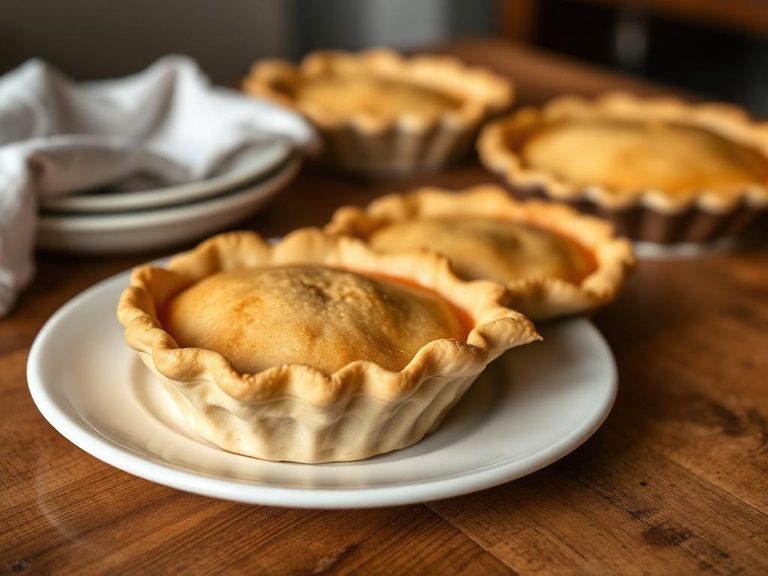
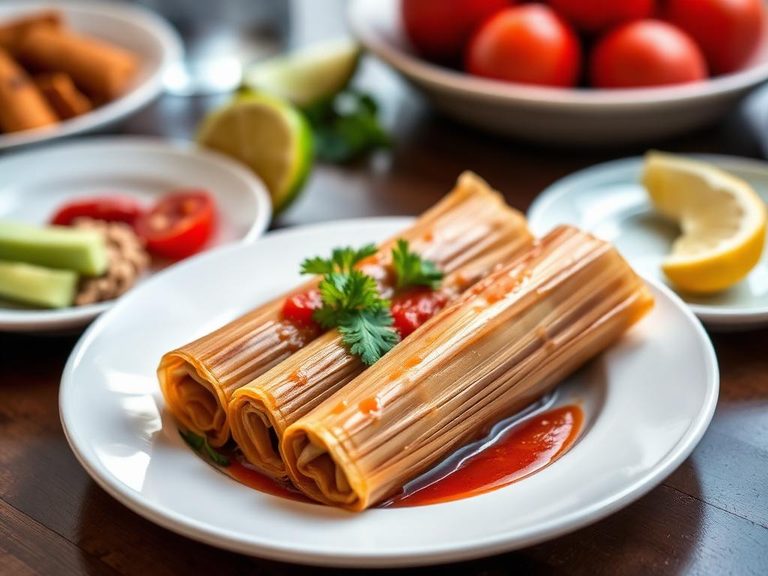
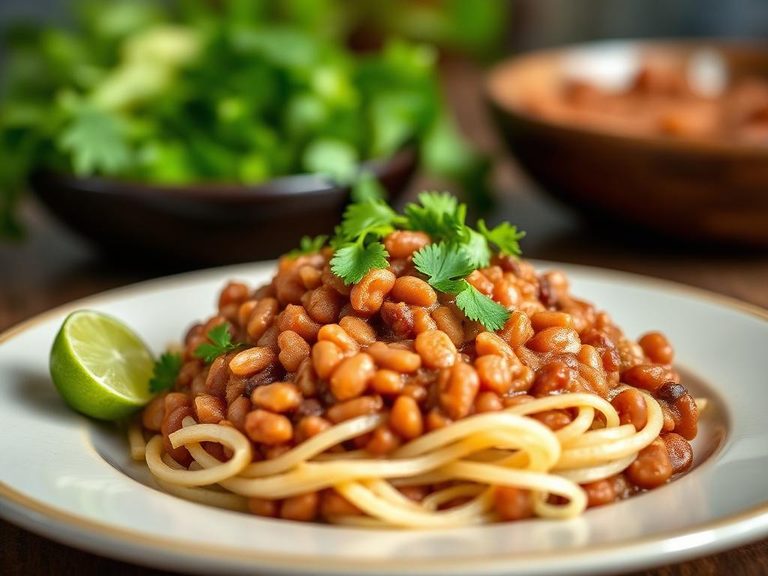


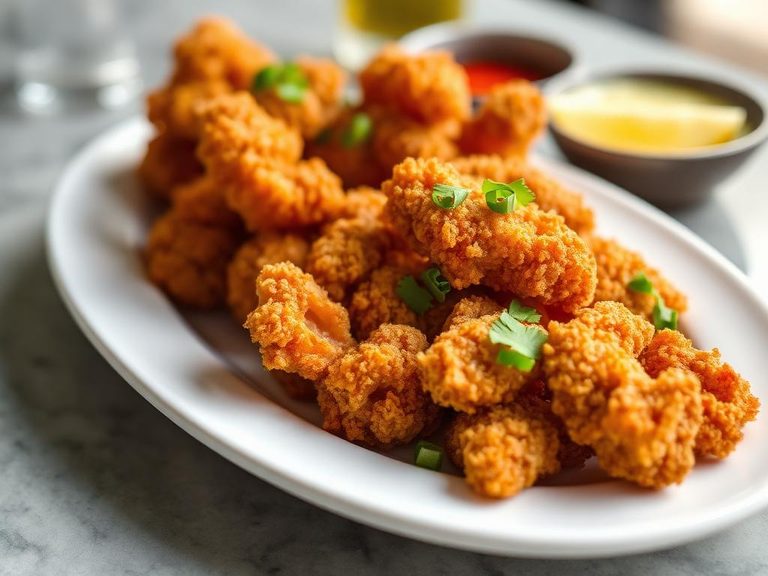
🌍 Where it's eaten
💡 Did you know?
Before the 20th century, lard was so essential it was a common form of payment; the phrase 'bring home the bacon' originated from the prize of a side of lard at medieval English fairs.
Full nutrition (USDA data · scales with serving)
| Water | 0.00 g |
| Energy | 902 kcal |
| Energy | 3774 kj |
| Protein | 0.00 g |
| Total lipid (fat) | 100 g |
| Ash | 0.00 g |
| Carbohydrate, by difference | 0.00 g |
| Fiber, total dietary | 0.00 g |
| Total Sugars | 0.00 g |
| Calcium, Ca | 0.00 mg |
| Iron, Fe | 0.00 mg |
| Magnesium, Mg | 0.00 mg |
| Phosphorus, P | 0.00 mg |
| Potassium, K | 0.00 mg |
| Sodium, Na | 0.00 mg |
| Zinc, Zn | 0.11 mg |
| Copper, Cu | 0.00 mg |
| Manganese, Mn | 0.00 mg |
| Selenium, Se | 0.20 ug |
| Vitamin C, total ascorbic acid | 0.00 mg |
| Thiamin | 0.00 mg |
| Riboflavin | 0.00 mg |
| Niacin | 0.00 mg |
| Pantothenic acid | 0.00 mg |
| Vitamin B-6 | 0.00 mg |
| Folate, total | 0.00 ug |
| Folic acid | 0.00 ug |
| Folate, food | 0.00 ug |
| Folate, DFE | 0.00 ug |
| Choline, total | 49.7 mg |
| Vitamin B-12 | 0.00 ug |
| Vitamin B-12, added | 0.00 ug |
| Vitamin A, RAE | 0.00 ug |
| Retinol | 0.00 ug |
| Carotene, beta | 0.00 ug |
| Carotene, alpha | 0.00 ug |
| Cryptoxanthin, beta | 0.00 ug |
| Vitamin A, IU | 0.00 iu |
| Lycopene | 0.00 ug |
| Lutein + zeaxanthin | 0.00 ug |
| Vitamin E (alpha-tocopherol) | 0.60 mg |
| Vitamin E, added | 0.00 mg |
| Tocopherol, beta | 0.00 mg |
| Tocopherol, gamma | 0.00 mg |
| Tocopherol, delta | 0.00 mg |
| Tocotrienol, alpha | 0.00 mg |
| Tocotrienol, beta | 0.00 mg |
| Tocotrienol, gamma | 0.00 mg |
| Tocotrienol, delta | 0.00 mg |
| Vitamin D (D2 + D3), International Units | 102 iu |
| Vitamin D (D2 + D3) | 2.5 ug |
| Vitamin D3 (cholecalciferol) | 2.5 ug |
| Vitamin K (phylloquinone) | 0.00 ug |
| Alcohol, ethyl | 0.00 g |
| Caffeine | 0.00 mg |
| Theobromine | 0.00 mg |
Fat & fatty acid profile (per 100g)
| Fatty acids, total saturated | 39.2 g |
| SFA 4:0 | 0.00 g |
| SFA 6:0 | 0.00 g |
| SFA 8:0 | 0.00 g |
| SFA 10:0 | 0.10 g |
| SFA 12:0 | 0.20 g |
| SFA 14:0 | 1.3 g |
| SFA 16:0 | 23.8 g |
| SFA 18:0 | 13.5 g |
| Fatty acids, total monounsaturated | 45.1 g |
| MUFA 16:1 | 2.7 g |
| MUFA 18:1 | 41.2 g |
| MUFA 20:1 | 1.0 g |
| MUFA 22:1 | 0.00 g |
| Fatty acids, total polyunsaturated | 11.2 g |
| PUFA 18:2 | 10.2 g |
| PUFA 18:3 | 1.0 g |
| PUFA 18:4 | 0.00 g |
| PUFA 20:4 | 0.00 g |
| PUFA 20:5 n-3 (EPA) | 0.00 g |
| PUFA 22:5 n-3 (DPA) | 0.00 g |
| PUFA 22:6 n-3 (DHA) | 0.00 g |
| Cholesterol | 95.0 mg |
| Phytosterols | 0.00 mg |
Amino acid profile (per 100g)
| Tryptophan | 0.00 g |
| Threonine | 0.00 g |
| Isoleucine | 0.00 g |
| Leucine | 0.00 g |
| Lysine | 0.00 g |
| Methionine | 0.00 g |
| Cystine | 0.00 g |
| Phenylalanine | 0.00 g |
| Tyrosine | 0.00 g |
| Valine | 0.00 g |
| Arginine | 0.00 g |
| Histidine | 0.00 g |
| Alanine | 0.00 g |
| Aspartic acid | 0.00 g |
| Glutamic acid | 0.00 g |
| Glycine | 0.00 g |
| Proline | 0.00 g |
| Serine | 0.00 g |
FAQ
What is the difference between lard and shortening?
Lard is rendered animal (pig) fat with a distinct savory flavor, while shortening is a hydrogenated vegetable oil that is solid, flavorless, and often contains trans fats. Lard creates a more tender, flaky texture in baking.
Is lard the same as bacon grease?
No. Bacon grease is the rendered fat left after cooking bacon, which has a strong, smoky, salty flavor. Lard is rendered from fresh, unsmoked pork fat and has a much cleaner, neutral taste.
How should I store lard?
For short-term use, store it in an airtight container in the refrigerator for up to 6 months. For long-term storage, freeze it for up to a year. Always use a clean utensil to prevent contamination.
Nutrient density (calculated · NRF9.3)
Nutrient Rich Foods index: beneficial nutrients (protein, fiber, vitamins, minerals) minus saturated fat, added sugar & sodium, per 100 kcal.
NRF9.3 index — Fulgoni, Keast & Drewnowski, 2009. Computed from USDA nutrients.
Weight-loss friendliness (composite index)
Energy density 9.02 kcal/g · 0% calories from protein · 0.0 g fiber · 0.0 g sugar per 100 g.
Composite of energy density (Rolls et al., 1999), protein & fiber satiety, minus sugar. A calculated heuristic — ranks satiety-per-calorie, not a clinical measure.
Dietary load (calculated from USDA values)
Potential renal acid load. Positive = acid-forming, negative = alkaline-forming.
Sodium:potassium per WHO potassium guidance. Computed from USDA nutrients.