

Lamb, Australian, imported, fresh, seam fat, cooked
Whole food · Lamb, Veal, and Game Products

Photo: Wikipedia
This is cooked, seam fat from Australian lamb, prized for its incredibly rich, buttery, and almost unctuous flavor. The texture is soft and melting, providing a luxurious mouthfeel that is distinct from lean muscle meat. Nutritionally, it is an extremely energy-dense food, composed almost entirely of fat with a moderate amount of protein.
Calorie split: 10% protein · 1% carbs · 89% fat
↓ Full nutrition💚 Why it's loved
People love it for its unparalleled ability to add profound depth, richness, and a silky texture to dishes. It is a cornerstone of traditional cooking in many cultures, where rendering it into flavorful drippings or tallow is a valued culinary skill.
⚠️ Watch-outs & how to enjoy it better
Its very high fat content makes it extremely calorie-dense, requiring strict portion control for those managing weight. Individuals with specific fat metabolism disorders or gallbladder issues should exercise caution. To counteract this, use it sparingly as a flavor enhancer rather than a main component, and balance meals with abundant fibrous vegetables.
Key benefits
- Excellent source of dietary fat for energy and satiety.
- Provides high-quality protein per serving.
- Rich in fat-soluble vitamins like Vitamin E.
- Contains conjugated linoleic acid (CLA), a naturally occurring fatty acid.
- A traditional ingredient for enhancing flavor in cooking.
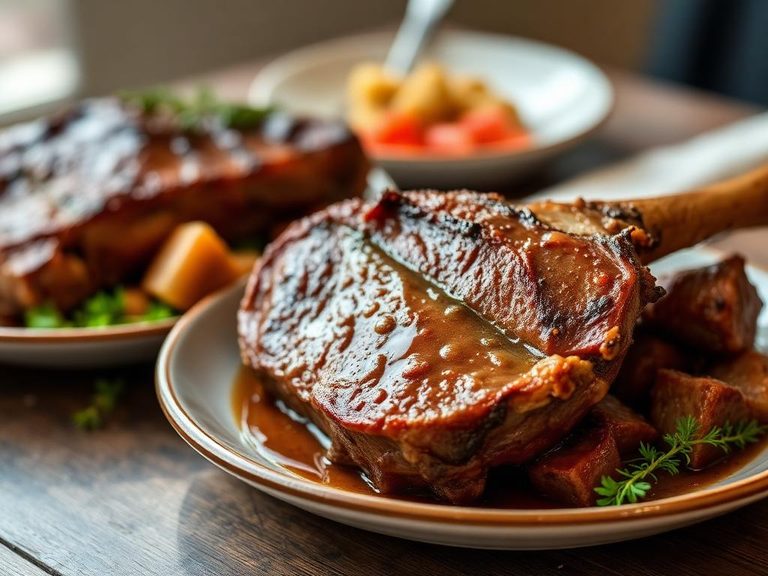
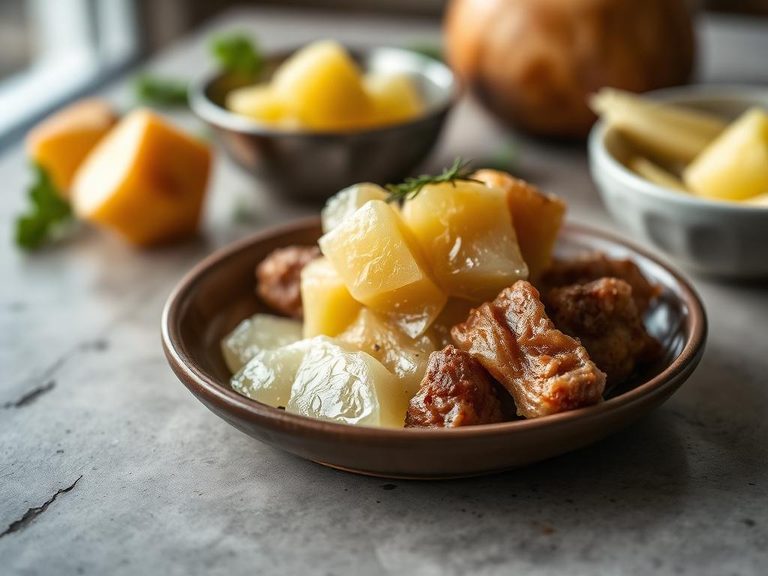
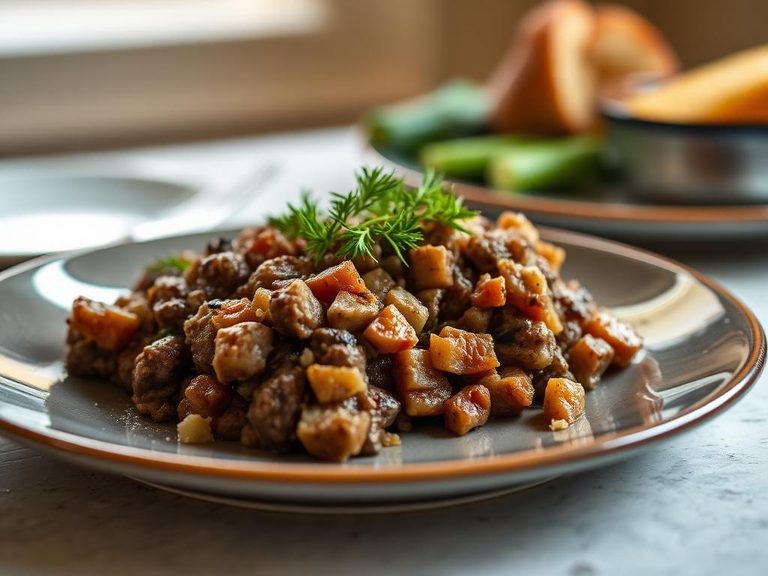
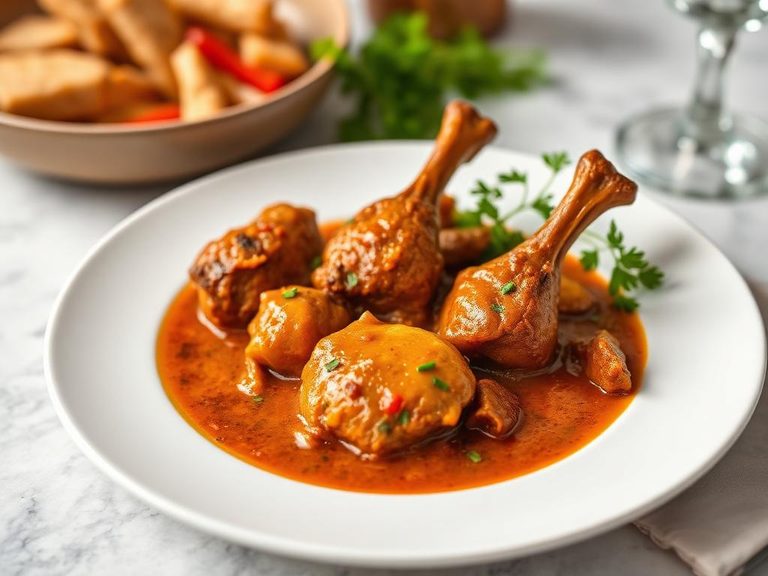
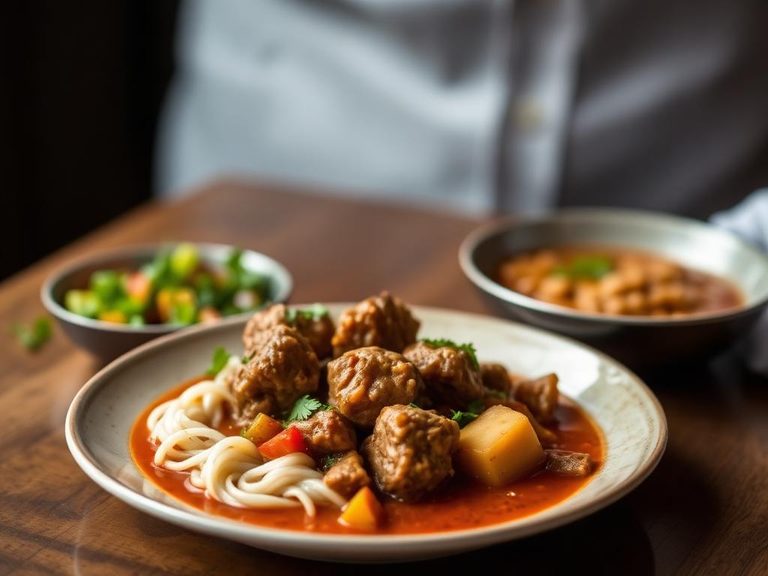
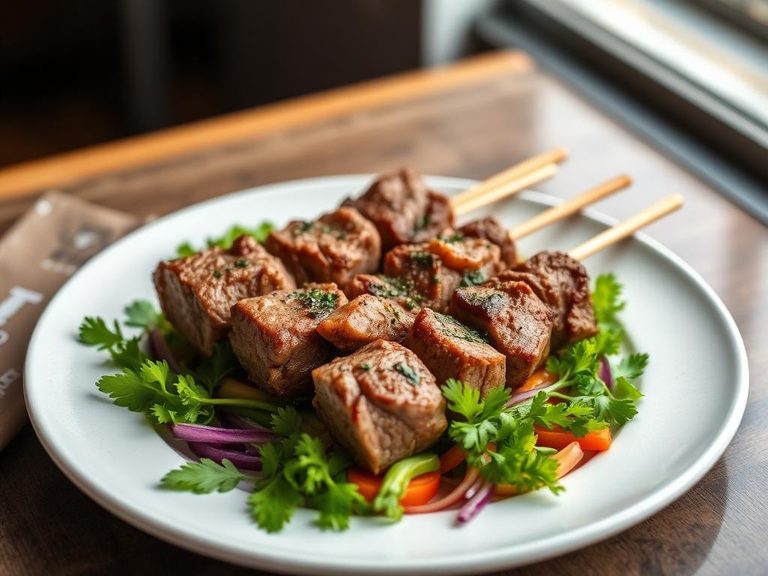
🍽️ Popular dishes
🌍 Where it's eaten
💡 Did you know?
Rendered lamb fat, known as tallow, has a high smoke point and was historically used as a cooking oil and even as a fuel for lamps and candles.
Full nutrition (USDA data · scales with serving)
| Water | 29.3 g |
| Energy | 554 kcal |
| Energy | 2318 kj |
| Protein | 13.8 g |
| Total lipid (fat) | 54.7 g |
| Ash | 0.67 g |
| Carbohydrate, by difference | 1.6 g |
| Fiber, total dietary | 0.00 g |
| Total Sugars | 0.00 g |
| Calcium, Ca | 8.0 mg |
| Iron, Fe | 1.4 mg |
| Magnesium, Mg | 12.0 mg |
| Phosphorus, P | 112 mg |
| Potassium, K | 164 mg |
| Sodium, Na | 53.0 mg |
| Zinc, Zn | 1.8 mg |
| Copper, Cu | 0.06 mg |
| Manganese, Mn | 0.00 mg |
| Selenium, Se | 6.2 ug |
| Vitamin C, total ascorbic acid | 0.00 mg |
| Thiamin | 0.07 mg |
| Riboflavin | 0.20 mg |
| Niacin | 3.6 mg |
| Pantothenic acid | 0.47 mg |
| Vitamin B-6 | 0.23 mg |
| Carotene, beta | 0.00 ug |
| Carotene, alpha | 0.00 ug |
| Cryptoxanthin, beta | 0.00 ug |
| Lycopene | 0.00 ug |
| Lutein + zeaxanthin | 0.00 ug |
| Vitamin D (D2 + D3), International Units | 0.00 iu |
| Vitamin D (D2 + D3) | 0.00 ug |
| Vitamin D2 (ergocalciferol) | 0.00 ug |
| Vitamin D3 (cholecalciferol) | 0.00 ug |
| Alcohol, ethyl | 0.00 g |
| Caffeine | 0.00 mg |
| Theobromine | 0.00 mg |
Fat & fatty acid profile (per 100g)
| Fatty acids, total saturated | 28.6 g |
| SFA 4:0 | 0.00 g |
| SFA 6:0 | 0.00 g |
| SFA 8:0 | 0.00 g |
| SFA 10:0 | 0.08 g |
| SFA 12:0 | 0.13 g |
| SFA 14:0 | 1.9 g |
| SFA 15:0 | 0.41 g |
| SFA 16:0 | 12.3 g |
| SFA 17:0 | 0.93 g |
| SFA 18:0 | 12.7 g |
| SFA 20:0 | 0.11 g |
| SFA 22:0 | 0.03 g |
| SFA 24:0 | 0.00 g |
| Fatty acids, total monounsaturated | 21.2 g |
| MUFA 14:1 | 0.05 g |
| MUFA 15:1 | 0.00 g |
| MUFA 16:1 | 0.60 g |
| MUFA 17:1 | 0.00 g |
| MUFA 18:1 | 20.5 g |
| MUFA 18:1 c | 17.0 g |
| MUFA 20:1 | 0.04 g |
| MUFA 22:1 | 0.00 g |
| MUFA 22:1 c | 0.00 g |
| Fatty acids, total polyunsaturated | 3.3 g |
| PUFA 18:2 | 2.6 g |
| PUFA 18:2 n-6 c,c | 0.93 g |
| PUFA 18:2 CLAs | 0.74 g |
| PUFA 18:3 | 0.60 g |
| PUFA 18:3 n-3 c,c,c (ALA) | 0.58 g |
| PUFA 18:3 n-6 c,c,c | 0.01 g |
| PUFA 18:4 | 0.00 g |
| PUFA 20:2 n-6 c,c | 0.01 g |
| PUFA 20:3 | 0.00 g |
| PUFA 20:4 | 0.04 g |
| PUFA 20:5 n-3 (EPA) | 0.02 g |
| PUFA 22:5 n-3 (DPA) | 0.08 g |
| PUFA 22:6 n-3 (DHA) | 0.02 g |
| Fatty acids, total trans | 4.4 g |
| Fatty acids, total trans-monoenoic | 3.5 g |
| TFA 18:1 t | 3.5 g |
| TFA 18:2 t not further defined | 0.90 g |
| Fatty acids, total trans-polyenoic | 0.90 g |
| Cholesterol | 110 mg |
Amino acid profile (per 100g)
| Tryptophan | 0.14 g |
| Threonine | 0.56 g |
| Isoleucine | 0.57 g |
| Leucine | 0.99 g |
| Lysine | 1.1 g |
| Methionine | 0.33 g |
| Cystine | 0.14 g |
| Phenylalanine | 0.51 g |
| Tyrosine | 0.43 g |
| Valine | 0.62 g |
| Arginine | 0.82 g |
| Histidine | 0.36 g |
| Alanine | 0.79 g |
| Aspartic acid | 1.1 g |
| Glutamic acid | 1.8 g |
| Glycine | 0.73 g |
| Proline | 0.58 g |
| Serine | 0.49 g |
FAQ
Is this the same as lamb tallow?
Not exactly. Seam fat is the raw, solid fat as it comes from the carcass. Tallow is the rendered (melted and purified) form of that fat, which is then solid at room temperature.
How is it typically used in cooking?
It is often rendered down to create flavorful drippings for roasting vegetables or searing meat. The rendered fat can also be used for deep-frying or incorporated into pastry doughs for a flaky texture.
Why specify 'Australian' and 'seam fat'?
Australian lamb is known for its quality and grass-fed characteristics. 'Seam fat' refers to the fat located between muscle groups, which is often considered more flavorful and of a better texture than other fat deposits on the animal.
Nutrient density (calculated · NRF9.3)
Nutrient Rich Foods index: beneficial nutrients (protein, fiber, vitamins, minerals) minus saturated fat, added sugar & sodium, per 100 kcal.
NRF9.3 index — Fulgoni, Keast & Drewnowski, 2009. Computed from USDA nutrients.
Weight-loss friendliness (composite index)
Energy density 5.54 kcal/g · 10% calories from protein · 0.0 g fiber · 0.0 g sugar per 100 g.
Composite of energy density (Rolls et al., 1999), protein & fiber satiety, minus sugar. A calculated heuristic — ranks satiety-per-calorie, not a clinical measure.
Dietary load (calculated from USDA values)
Potential renal acid load. Positive = acid-forming, negative = alkaline-forming.
Sodium-to-potassium ratio: 0.32 (lower is better — aim for ≤ 1)
Sodium:potassium per WHO potassium guidance. Computed from USDA nutrients.