Haggis
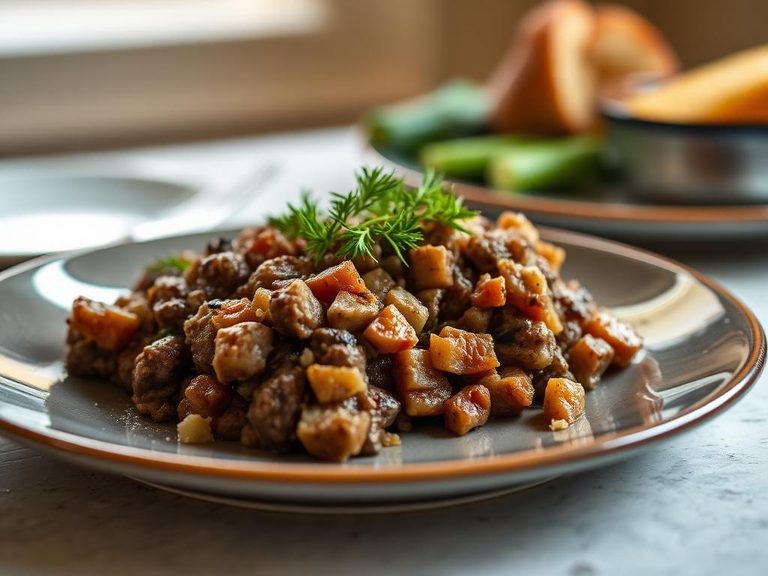
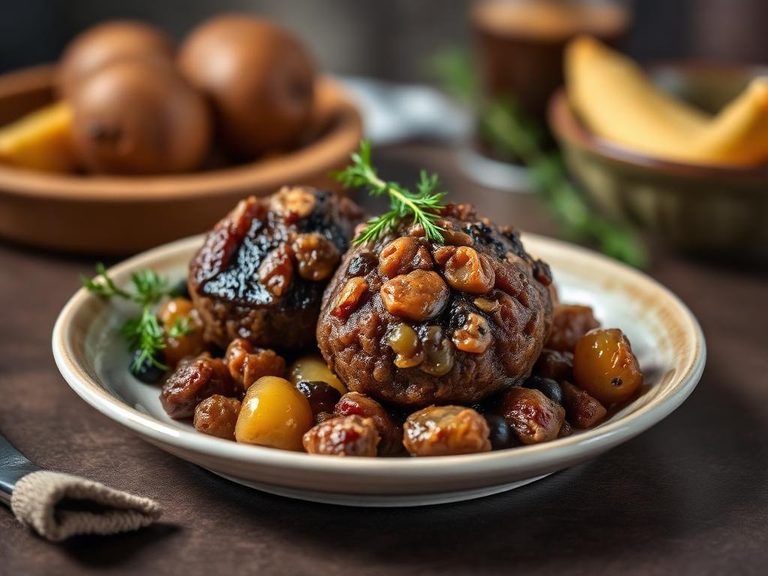
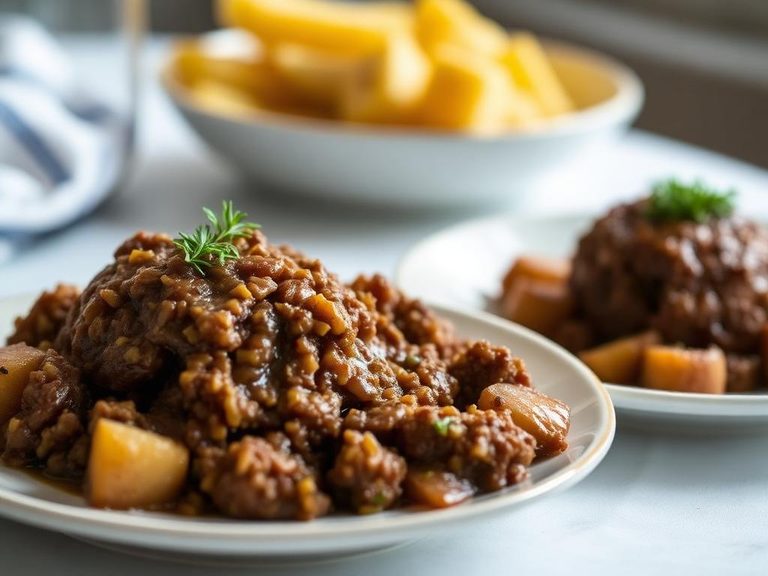
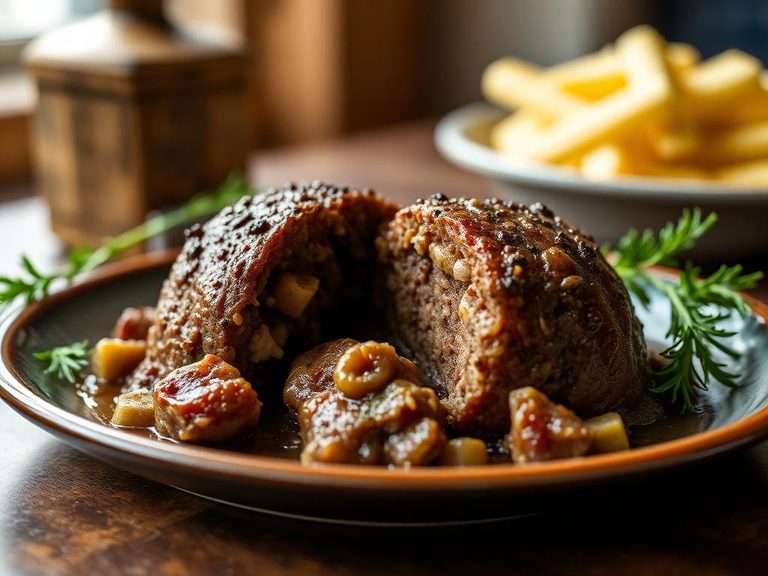
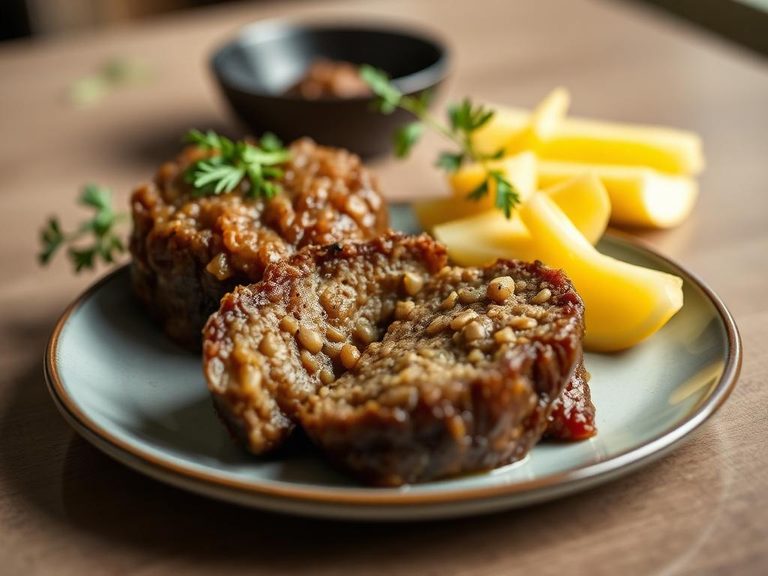
Haggis is a traditional Scottish dish made from sheep's pluck (heart, liver, and lungs) combined with oatmeal, onions, suet, spices, and salt. It is traditionally encased in the animal's stomach and simmered for several hours until the oats absorb the savory juices. It is most famously served as the centerpiece of a Burns Supper on January 25th.
🍽️ Nutrition at a glance
Haggis is a nutrient-dense, high-protein and high-fat food, providing a significant amount of energy in a single serving. It is also an excellent source of essential minerals like iron and zinc, as well as B vitamins, particularly B12.
Nutrition breakdown
| Calories | 530 kcal |
| Protein | 28 g |
| Carbs | 18 g |
| Fat | 38 g |
| Fiber | 3 g |
| Sugar | 1 g |
| Sodium | 1100 mg |
| Iron | 6.5 mg |
| Zinc | 5.5 mg |
| Vitamin B12 | 15 mcg |
| Vitamin B6 | 0.8 mg |
| Phosphorus | 450 mg |
| Selenium | 30 mcg |
| Copper | 0.6 mg |
| Niacin (B3) | 10 mg |
Per 1 cup (240 g) · estimated, varies by recipe
💡 What's interesting
Haggis is famously known as the 'Great Chieftain o' the pudding-race' in a poem by Robert Burns, and it is traditionally eaten during Burns Night celebrations. Nutritionally, it is unique as it utilizes organ meats, which are often more nutrient-rich than muscle meats, and oats, providing a distinct balance of protein, fat, and complex carbohydrates.