

Bread, gluten-free, whole grain, made with tapioca starch and brown rice flour
Whole food · Baked Products
This is a hearty, whole-grain gluten-free bread that uses brown rice flour as its flavorful base and tapioca starch to create a surprisingly tender, springy crumb. It has a mild, slightly nutty taste with a satisfying chew, often with a golden-brown crust. Nutritionally, it's a solid source of fiber and provides a decent protein boost for a gluten-free loaf.
Calorie split: 9% protein · 63% carbs · 27% fat
↓ Full nutrition💚 Why it's loved
People love it for its remarkable ability to mimic the texture of traditional wheat bread, avoiding the crumbly or gritty feel of some gluten-free alternatives. Its mild flavor makes it incredibly versatile for everything from morning toast with avocado to hearty sandwiches.
⚠️ Watch-outs & how to enjoy it better
Like many gluten-free breads, it can have a higher glycemic index and may cause quicker blood-sugar spikes for some. It's also often lower in protein and higher in carbohydrates than whole-wheat bread. To counteract this, always pair it with a protein (like eggs, nut butter, or cheese) and a healthy fat (like avocado or olive oil) to slow digestion and improve satiety.
Key benefits
- Naturally gluten-free, safe for celiac disease or gluten sensitivity.
- Whole-grain brown rice flour provides B vitamins and minerals like magnesium.
- Good source of dietary fiber (4.9g per 100g) for digestive health.
- Offers a more balanced carbohydrate profile than refined white gluten-free breads.
- Tapioca starch adds a pleasant chew without overpowering the grain flavor.
🍽️ Popular dishes
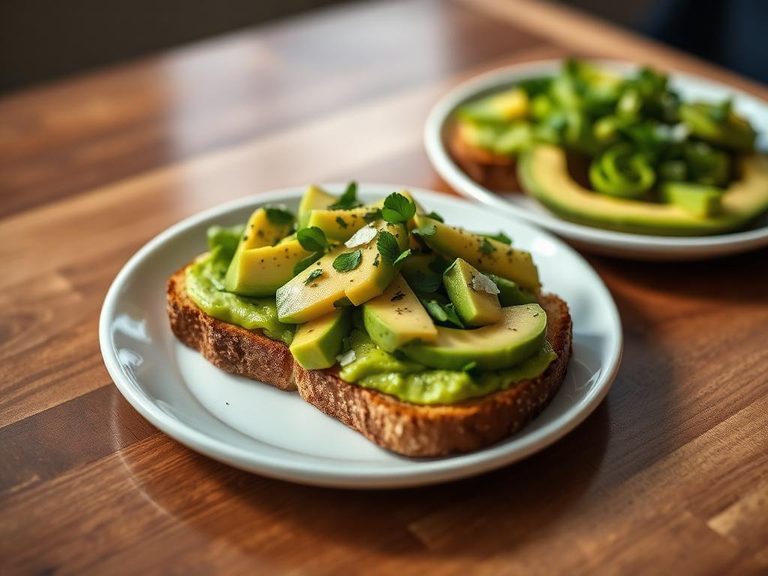


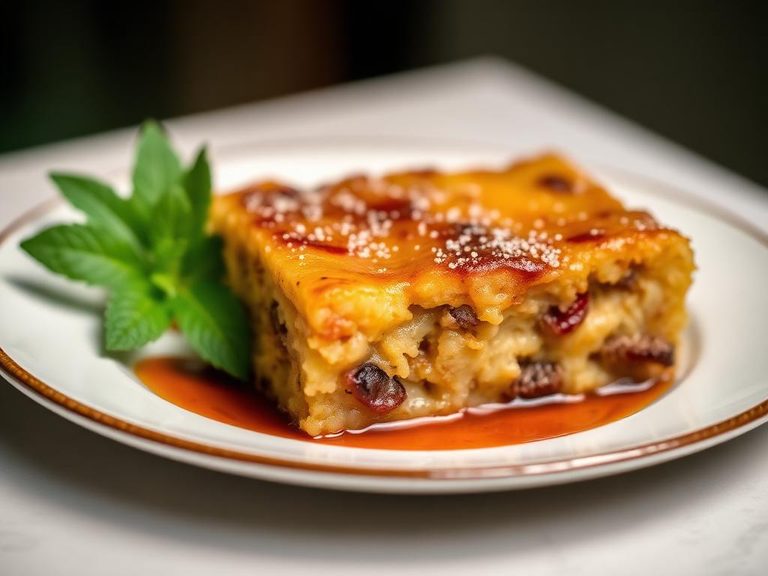
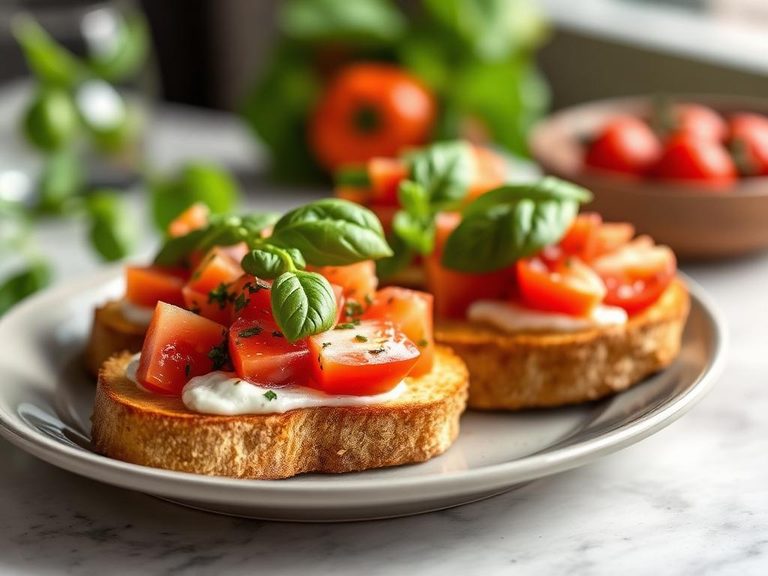
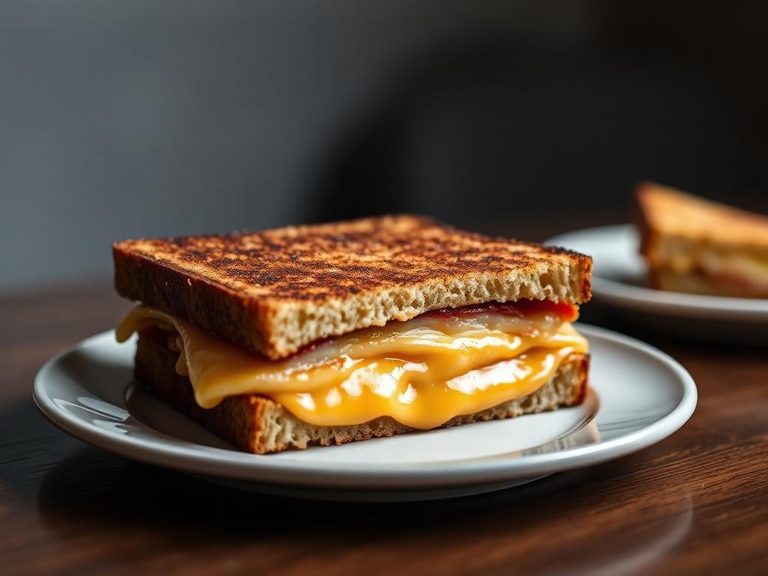
🌍 Where it's eaten
💡 Did you know?
Tapioca starch, derived from cassava root, is the secret weapon here—it gelatinizes when heated, creating the elastic, moist texture that gluten would normally provide, preventing the bread from being dry and crumbly.
Full nutrition (USDA data · scales with serving)
| Water | 32.4 g |
| Energy | 309 kcal |
| Energy | 1295 kj |
| Protein | 7.3 g |
| Total lipid (fat) | 9.3 g |
| Ash | 2.0 g |
| Carbohydrate, by difference | 49.1 g |
| Fiber, total dietary | 4.9 g |
| Total Sugars | 9.8 g |
| Sucrose | 0.00 g |
| Glucose | 1.6 g |
| Fructose | 1.4 g |
| Lactose | 0.00 g |
| Maltose | 6.8 g |
| Galactose | 0.00 g |
| Starch | 32.5 g |
| Calcium, Ca | 60.0 mg |
| Iron, Fe | 0.76 mg |
| Magnesium, Mg | 31.0 mg |
| Phosphorus, P | 77.0 mg |
| Potassium, K | 123 mg |
| Sodium, Na | 510 mg |
| Zinc, Zn | 0.58 mg |
| Copper, Cu | 0.07 mg |
| Manganese, Mn | 0.51 mg |
| Thiamin | 0.18 mg |
| Riboflavin | 0.32 mg |
| Niacin | 1.4 mg |
| Vitamin B-6 | 0.09 mg |
Fat & fatty acid profile (per 100g)
| Fatty acids, total saturated | 0.27 g |
| SFA 4:0 | 0.00 g |
| SFA 6:0 | 0.00 g |
| SFA 8:0 | 0.00 g |
| SFA 10:0 | 0.00 g |
| SFA 12:0 | 0.00 g |
| SFA 14:0 | 0.01 g |
| SFA 15:0 | 0.00 g |
| SFA 16:0 | 0.00 g |
| SFA 17:0 | 0.01 g |
| SFA 18:0 | 0.16 g |
| SFA 20:0 | 0.05 g |
| SFA 22:0 | 0.02 g |
| SFA 24:0 | 0.01 g |
| Fatty acids, total monounsaturated | 5.4 g |
| MUFA 14:1 | 0.00 g |
| MUFA 15:1 | 0.43 g |
| MUFA 16:1 | 0.03 g |
| MUFA 16:1 c | 0.03 g |
| MUFA 17:1 | 0.01 g |
| MUFA 18:1 | 4.8 g |
| MUFA 18:1 c | 4.8 g |
| MUFA 20:1 | 0.12 g |
| MUFA 22:1 | 0.00 g |
| MUFA 22:1 c | 0.00 g |
| MUFA 24:1 c | 0.01 g |
| Fatty acids, total polyunsaturated | 2.4 g |
| PUFA 18:2 | 1.6 g |
| PUFA 18:2 n-6 c,c | 1.6 g |
| PUFA 18:2 CLAs | 0.01 g |
| PUFA 18:3 | 0.83 g |
| PUFA 18:3 n-3 c,c,c (ALA) | 0.80 g |
| PUFA 18:3 n-6 c,c,c | 0.04 g |
| PUFA 18:3i | 0.00 g |
| PUFA 18:4 | 0.00 g |
| PUFA 20:2 n-6 c,c | 0.01 g |
| PUFA 20:3 | 0.00 g |
| PUFA 20:3 n-3 | 0.00 g |
| PUFA 20:3 n-6 | 0.00 g |
| PUFA 20:4 | 0.00 g |
| PUFA 20:5 n-3 (EPA) | 0.00 g |
| PUFA 22:4 | 0.00 g |
| PUFA 22:5 n-3 (DPA) | 0.00 g |
| PUFA 22:6 n-3 (DHA) | 0.00 g |
| Fatty acids, total trans | 0.02 g |
| Fatty acids, total trans-monoenoic | 0.01 g |
| TFA 16:1 t | 0.00 g |
| TFA 18:1 t | 0.01 g |
| TFA 22:1 t | 0.00 g |
| TFA 18:2 t not further defined | 0.01 g |
| Fatty acids, total trans-polyenoic | 0.01 g |
Amino acid profile (per 100g)
Estimated from Bread, salvadoran sweet cheese (quesadilla salvadorena) — USDA does not publish this profile for Bread.
| Tryptophan | 0.07 g |
| Threonine | 0.21 g |
| Isoleucine | 0.30 g |
| Leucine | 0.65 g |
| Lysine | 0.50 g |
| Methionine | 0.28 g |
| Cystine | 0.06 g |
| Phenylalanine | 0.37 g |
| Tyrosine | 0.23 g |
| Valine | 0.43 g |
| Arginine | 0.25 g |
| Histidine | 0.15 g |
| Alanine | 0.36 g |
| Aspartic acid | 0.59 g |
| Glutamic acid | 1.3 g |
| Glycine | 0.20 g |
| Proline | 0.83 g |
| Serine | 0.45 g |
| Hydroxyproline | 0.00 g |
FAQ
Why does this bread sometimes have a gummy texture?
The gummy or overly chewy texture can result from too much tapioca starch or improper baking. A balanced recipe and ensuring it's baked through (internal temp ~205°F/96°C) helps achieve the ideal tender crumb.
Can I toast this bread?
Yes, and toasting is highly recommended! It enhances the nutty flavor of the brown rice flour, improves the texture, and creates a crispier surface that holds toppings better.
How does its nutrition compare to regular whole-wheat bread?
Per 100g, it typically has more carbs and less protein than whole-wheat bread. However, it's a good whole-grain, gluten-free option and provides more fiber than many white gluten-free breads.
Nutrient density (calculated · NRF9.3)
Nutrient Rich Foods index: beneficial nutrients (protein, fiber, vitamins, minerals) minus saturated fat, added sugar & sodium, per 100 kcal.
NRF9.3 index — Fulgoni, Keast & Drewnowski, 2009. Computed from USDA nutrients.
Weight-loss friendliness (composite index)
Energy density 3.09 kcal/g · 9% calories from protein · 4.9 g fiber · 9.8 g sugar per 100 g.
Composite of energy density (Rolls et al., 1999), protein & fiber satiety, minus sugar. A calculated heuristic — ranks satiety-per-calorie, not a clinical measure.
Dietary load (calculated from USDA values)
Potential renal acid load. Positive = acid-forming, negative = alkaline-forming.
Sodium-to-potassium ratio: 4.15 (lower is better — aim for ≤ 1)
Sodium:potassium per WHO potassium guidance. Computed from USDA nutrients.