

Alaska Pollock, raw
Whole food · Finfish and Shellfish Products
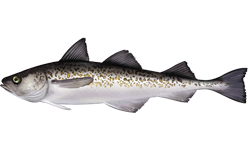
Photo: Wikipedia
Alaska Pollock is a lean, mild white fish prized for its delicate, flaky texture and clean, slightly sweet flavor that readily absorbs seasonings. With an exceptionally high protein-to-calorie ratio (17.33g protein for just 78 kcal per 100g), it's a powerhouse of lean nutrition. Its neutral profile makes it a versatile canvas for everything from crispy fried fillets to subtle poached dishes.
Calorie split: 88% protein · 0% carbs · 11% fat
↓ Full nutrition💚 Why it's loved
People love Alaska Pollock for its incredibly mild, non-fishy taste and its ability to take on the flavors of sauces, spices, and batters. It's a staple in global comfort food, from Japanese tempura to American fish sticks, making it a family-friendly and culturally versatile protein.
⚠️ Watch-outs & how to enjoy it better
As a very lean fish, it can become dry and rubbery if overcooked, which is a common pitfall. Those with a fish allergy must avoid it entirely. To counteract dryness, cook it quickly using moist methods like steaming, poaching, or baking with a sauce, or pan-sear it briefly and finish with a flavorful glaze.
Key benefits
- Extremely high in lean protein for muscle maintenance and satiety.
- Very low in fat and carbohydrates, making it ideal for weight management.
- A good source of essential minerals like selenium and phosphorus.
- Naturally low in calories, supporting a calorie-controlled diet.
🍽️ Popular dishes
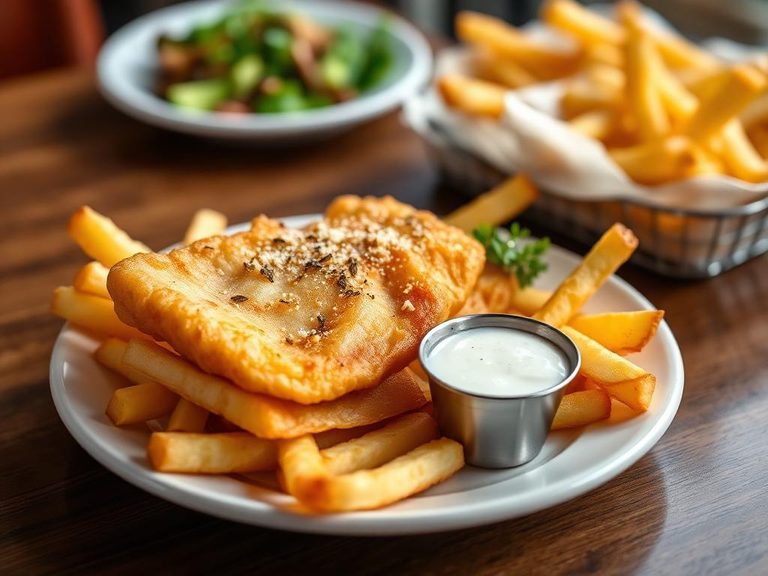
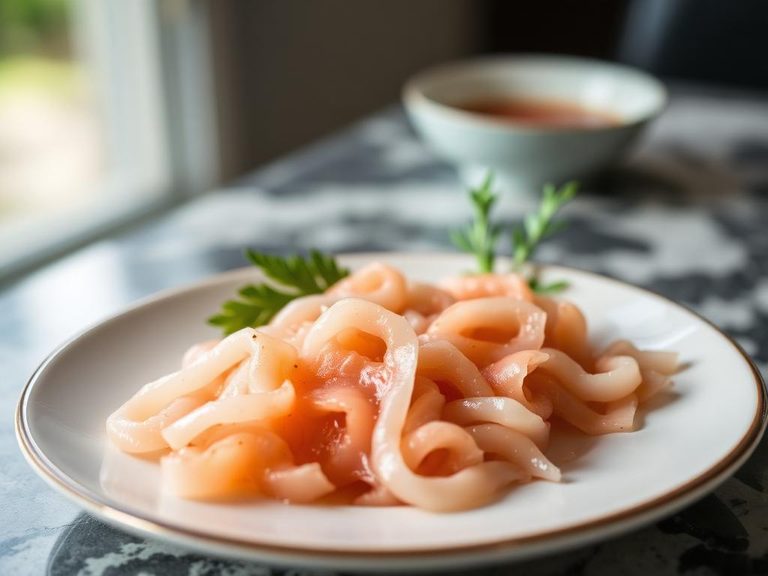
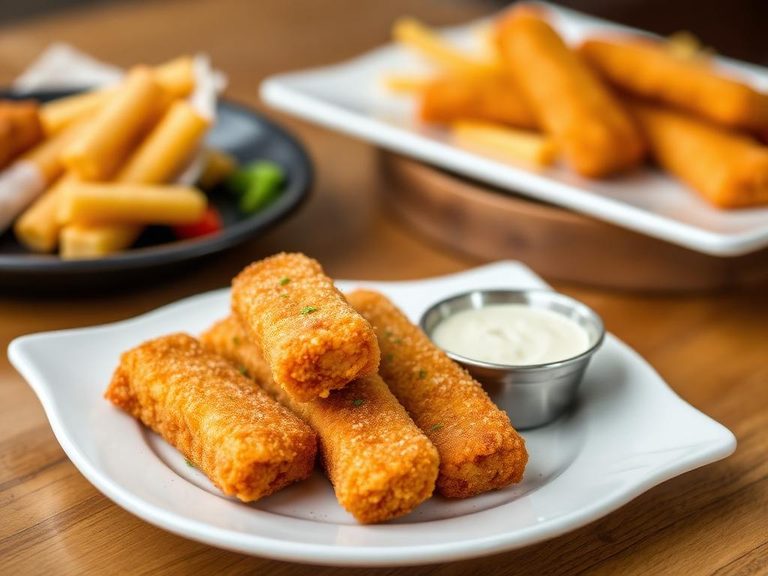
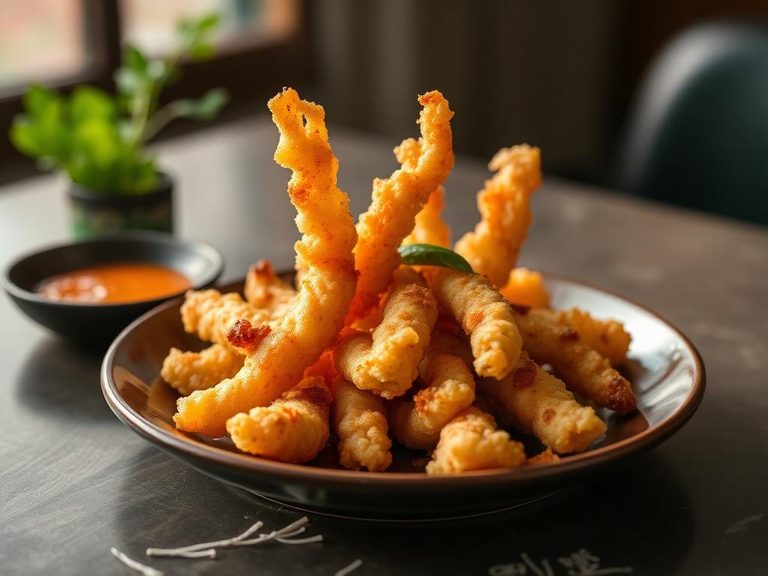
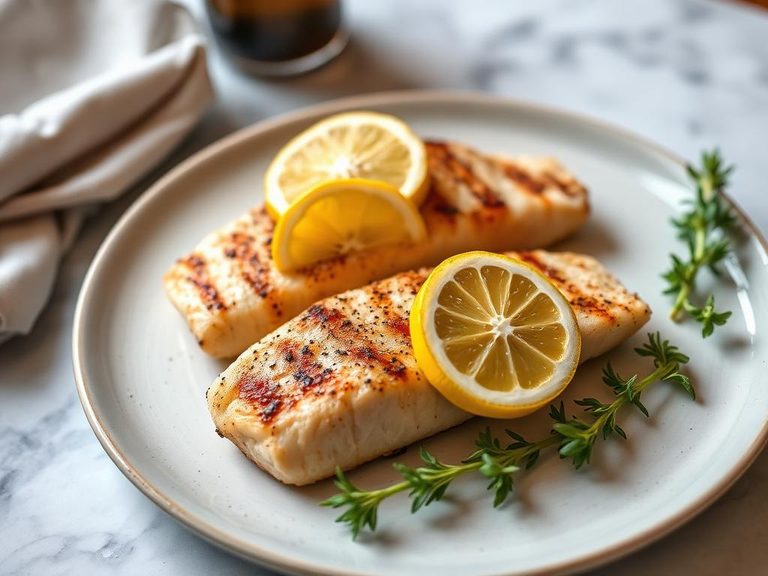
🌍 Where it's eaten
💡 Did you know?
Alaska Pollock is the primary fish used to make surimi, the processed fish paste that is shaped and flavored to create imitation crab meat, a global staple in sushi and seafood salads.
Full nutrition (USDA data · scales with serving)
| Water | 80.4 g |
| Energy (Atwater General Factors) | 78.5 kcal |
| Protein | 17.3 g |
| Total lipid (fat) | 0.99 g |
| Ash | 1.2 g |
| Carbohydrate, by difference | 0.06 g |
| Fiber, total dietary | 0.00 g |
| Sucrose | 0.00 g |
| Glucose | 0.00 g |
| Fructose | 0.00 g |
| Lactose | 0.00 g |
| Maltose | 0.00 g |
| Starch | 0.00 g |
| Calcium, Ca | 40.4 mg |
| Iron, Fe | 0.24 mg |
| Magnesium, Mg | 22.8 mg |
| Phosphorus, P | 223 mg |
| Potassium, K | 353 mg |
| Sodium, Na | 115 mg |
| Zinc, Zn | 0.43 mg |
| Copper, Cu | 0.10 mg |
| Manganese, Mn | 0.00 mg |
| Iodine, I | 186 ug |
| Selenium, Se | 27.0 ug |
| Thiamin | 0.09 mg |
| Riboflavin | 0.10 mg |
| Niacin | 1.5 mg |
| Pantothenic acid | 0.25 mg |
| Vitamin B-6 | 0.12 mg |
| Folate, total | 9.6 ug |
| Vitamin B-12 | 1.8 ug |
| Vitamin A, RAE | 2.6 ug |
| Retinol | 2.6 ug |
| Carotene, beta | 0.00 ug |
| Vitamin E | 0.23 mg |
| Vitamin D (D2 + D3), International Units | 0.00 iu |
| Vitamin D (D2 + D3) | 0.00 ug |
| Vitamin D2 (ergocalciferol) | 0.00 ug |
| Vitamin D3 (cholecalciferol) | 0.00 ug |
Fat & fatty acid profile (per 100g)
| Fatty acids, total saturated | 0.24 g |
| SFA 8:0 | 0.00 g |
| SFA 10:0 | 0.00 g |
| SFA 11:0 | 0.00 g |
| SFA 12:0 | 0.00 g |
| SFA 13:0 | 0.00 g |
| SFA 14:0 | 0.03 g |
| SFA 15:0 | 0.00 g |
| SFA 16:0 | 0.17 g |
| SFA 17:0 | 0.00 g |
| SFA 18:0 | 0.04 g |
| SFA 20:0 | 0.00 g |
| SFA 22:0 | 0.00 g |
| SFA 24:0 | 0.00 g |
| Fatty acids, total monounsaturated | 0.15 g |
| MUFA 14:1 | 0.00 g |
| MUFA 15:1 | 0.00 g |
| MUFA 16:1 | 0.03 g |
| MUFA 17:1 | 0.00 g |
| MUFA 18:1 | 0.07 g |
| MUFA 18:1 c | 0.13 g |
| MUFA 18:1-11 c (18:1c n-7) | 0.06 g |
| MUFA 20:1 | 0.02 g |
| MUFA 22:1 | 0.00 g |
| MUFA 24:1 c | 0.00 g |
| Fatty acids, total polyunsaturated | 0.46 g |
| PUFA 18:2 | 0.01 g |
| PUFA 18:3 | 0.00 g |
| PUFA 18:3 n-6 c,c,c | 0.00 g |
| PUFA 18:4 | 0.01 g |
| PUFA 20:2 c | 0.00 g |
| PUFA 20:3 n-3 | 0.00 g |
| PUFA 20:3 n-6 | 0.00 g |
| PUFA 20:4c | 0.01 g |
| PUFA 20:4 n-3 | 0.00 g |
| PUFA 20:4 n-6 | 0.01 g |
| PUFA 20:5 n-3 (EPA) | 0.17 g |
| PUFA 22:2 | 0.00 g |
| PUFA 22:5 n-3 (DPA) | 0.01 g |
| PUFA 22:6 n-3 (DHA) | 0.24 g |
| Fatty acids, total trans | 0.01 g |
| Cholesterol | 60.0 mg |
Amino acid profile (per 100g)
| Tryptophan | 0.14 g |
| Threonine | 0.51 g |
| Isoleucine | 0.56 g |
| Leucine | 1.0 g |
| Lysine | 1.3 g |
| Methionine | 0.42 g |
| Cystine | 0.16 g |
| Phenylalanine | 0.50 g |
| Tyrosine | 0.46 g |
| Valine | 0.61 g |
| Arginine | 0.80 g |
| Histidine | 0.25 g |
| Alanine | 0.83 g |
| Aspartic acid | 1.5 g |
| Glutamic acid | 2.1 g |
| Glycine | 0.70 g |
| Proline | 0.46 g |
| Serine | 0.57 g |
FAQ
Is Alaska Pollock the same as cod?
No, they are different species. Alaska Pollock (Gadus chalcogrammus) is in the cod family but is generally smaller, milder, and less expensive than Atlantic or Pacific cod. It's often used in processed products like fish sticks and surimi.
How do I prevent Alaska Pollock from drying out?
Avoid overcooking. It cooks quickly. Use moist-heat methods like poaching, steaming, or baking in a sauce. For pan-searing, cook for just 2-3 minutes per side over medium-high heat until just opaque.
Is it a sustainable choice?
Sustainability varies by fishery. Look for Alaska Pollock certified by the Marine Stewardship Council (MSC) or sourced from well-managed Alaskan fisheries, which are generally considered among the most sustainable in the world.
Nutrient density (calculated · NRF9.3)
Nutrient Rich Foods index: beneficial nutrients (protein, fiber, vitamins, minerals) minus saturated fat, added sugar & sodium, per 100 kcal.
NRF9.3 index — Fulgoni, Keast & Drewnowski, 2009. Computed from USDA nutrients.
Weight-loss friendliness (composite index)
Energy density 0.78 kcal/g · 88% calories from protein · 0.0 g fiber · 0.0 g sugar per 100 g.
Composite of energy density (Rolls et al., 1999), protein & fiber satiety, minus sugar. A calculated heuristic — ranks satiety-per-calorie, not a clinical measure.
Dietary load (calculated from USDA values)
Potential renal acid load. Positive = acid-forming, negative = alkaline-forming.
Sodium-to-potassium ratio: 0.33 (lower is better — aim for ≤ 1)
Sodium:potassium per WHO potassium guidance. Computed from USDA nutrients.