Shortening, industrial, soy (partially hydrogenated ) for baking and confections
Whole food · Fats and Oils

Photo: Wikipedia
This is a solid, shelf-stable fat derived from soybean oil through partial hydrogenation, engineered for high-performance baking and confectionery. It is completely flavorless and odorless, offering a neutral, waxy, and plastic texture that creates exceptionally flaky pastries and stable frostings. Nutritionally, it is 100% fat, delivering a dense 884 kcal per 100g with zero protein, carbohydrates, or fiber.
💚 Why it's loved
Bakers and confectioners love it because it is a reliable, neutral fat that produces a tender, melt-in-the-mouth crumb without altering the flavor profile of the final product. Its plasticity makes it easy to cream, cut into flour, or whip into a stable, fluffy frosting that holds its shape in warm environments.
⚠️ Watch-outs & how to enjoy it better
This product is high in calories and contains trans fats from the partial hydrogenation process, which can negatively impact heart health and should be consumed in moderation. To mitigate this, use it sparingly in recipes and pair it with fiber-rich ingredients or healthier fats like butter or olive oil when possible, or opt for non-hydrogenated alternatives for home baking.
Key benefits
- Creates a superior, flaky texture in pie crusts and biscuits
- Provides exceptional shelf stability and resistance to rancidity
- Offers a completely neutral flavor that does not compete with other ingredients
- Remains solid at room temperature, ideal for decorative frostings
- Has a high smoke point suitable for commercial frying applications
🍽️ Popular dishes
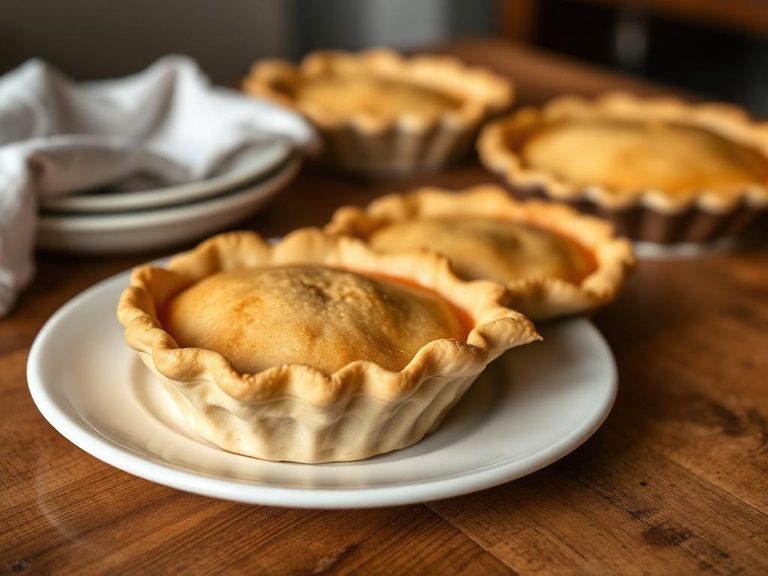
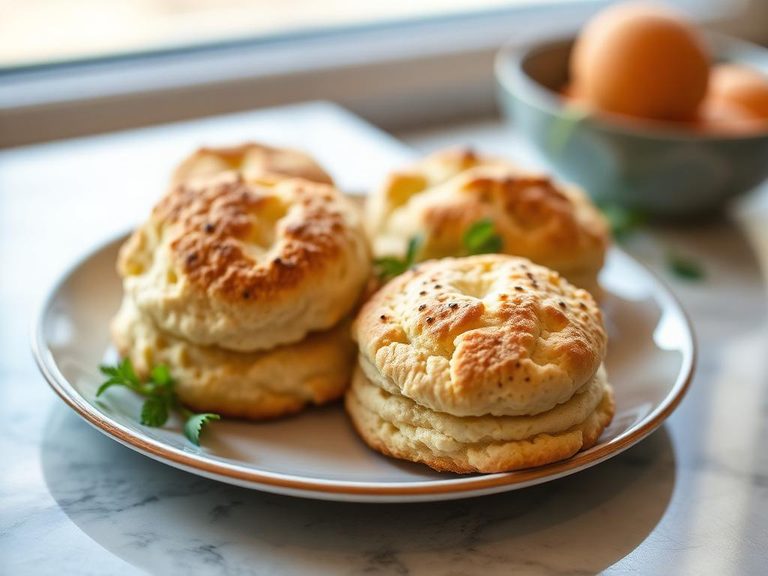
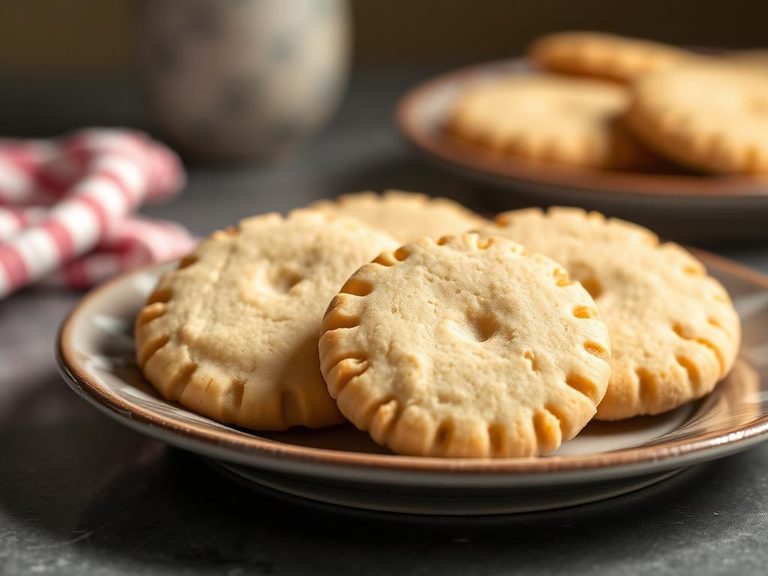
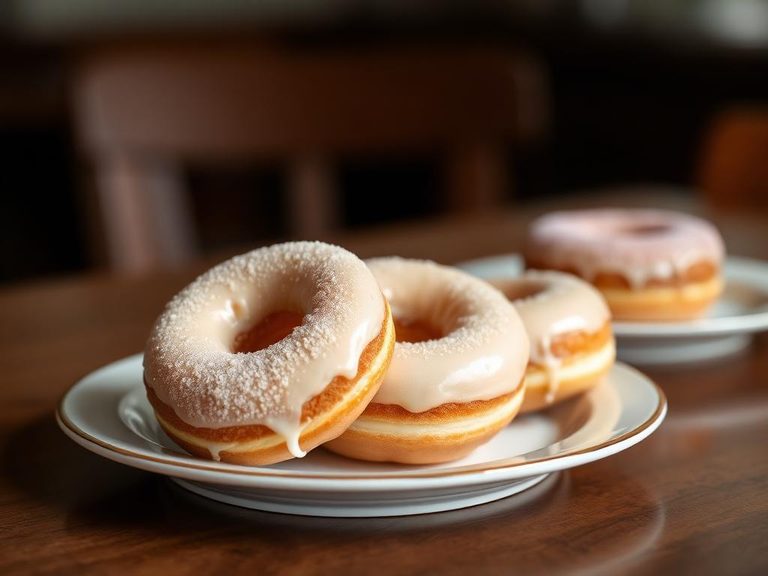
🌍 Where it's eaten
💡 Did you know?
The invention of partially hydrogenated shortening in the early 20th century revolutionized the baking industry by providing a cheaper, more consistent alternative to lard, but it later became the subject of major health regulations due to its trans fat content.
Full nutrition (scales with serving)
| Water | 0.00 g |
| Energy | 884 kcal |
| Energy | 3699 kj |
| Protein | 0.00 g |
| Total lipid (fat) | 100 g |
| Ash | 0.00 g |
| Carbohydrate, by difference | 0.00 g |
| Fiber, total dietary | 0.00 g |
| Total Sugars | 0.00 g |
| Calcium, Ca | 0.00 mg |
| Iron, Fe | 0.00 mg |
| Magnesium, Mg | 0.00 mg |
| Phosphorus, P | 0.00 mg |
| Potassium, K | 0.00 mg |
| Sodium, Na | 0.00 mg |
| Zinc, Zn | 0.00 mg |
| Copper, Cu | 0.00 mg |
| Selenium, Se | 0.00 ug |
| Vitamin C, total ascorbic acid | 0.00 mg |
| Thiamin | 0.00 mg |
| Riboflavin | 0.00 mg |
| Niacin | 0.00 mg |
| Pantothenic acid | 0.00 mg |
| Vitamin B-6 | 0.00 mg |
| Folate, total | 0.00 ug |
| Folic acid | 0.00 ug |
| Folate, food | 0.00 ug |
| Folate, DFE | 0.00 ug |
| Choline, total | 0.20 mg |
| Vitamin B-12 | 0.00 ug |
| Vitamin B-12, added | 0.00 ug |
| Vitamin A, RAE | 0.00 ug |
| Retinol | 0.00 ug |
| Carotene, beta | 0.00 ug |
| Carotene, alpha | 0.00 ug |
| Cryptoxanthin, beta | 0.00 ug |
| Vitamin A, IU | 0.00 iu |
| Lycopene | 0.00 ug |
| Lutein + zeaxanthin | 0.00 ug |
| Vitamin E (alpha-tocopherol) | 6.1 mg |
| Vitamin E, added | 0.00 mg |
| Tocopherol, beta | 0.44 mg |
| Tocopherol, gamma | 32.3 mg |
| Tocopherol, delta | 15.4 mg |
| Vitamin K (phylloquinone) | 43.0 ug |
| Alcohol, ethyl | 0.00 g |
| Caffeine | 0.00 mg |
| Theobromine | 0.00 mg |
Fat & fatty acid profile (per 100g)
| Fatty acids, total saturated | 18.8 g |
| SFA 4:0 | 0.00 g |
| SFA 6:0 | 0.00 g |
| SFA 8:0 | 0.00 g |
| SFA 10:0 | 0.00 g |
| SFA 12:0 | 0.00 g |
| SFA 14:0 | 0.09 g |
| SFA 15:0 | 0.00 g |
| SFA 16:0 | 10.6 g |
| SFA 17:0 | 0.11 g |
| SFA 18:0 | 7.3 g |
| SFA 20:0 | 0.32 g |
| SFA 22:0 | 0.35 g |
| Fatty acids, total monounsaturated | 71.0 g |
| MUFA 16:1 | 0.06 g |
| MUFA 16:1 c | 0.06 g |
| MUFA 18:1 | 71.0 g |
| MUFA 18:1 c | 30.8 g |
| MUFA 20:1 | 0.00 g |
| MUFA 22:1 | 0.00 g |
| Fatty acids, total polyunsaturated | 5.4 g |
| PUFA 18:2 | 5.0 g |
| PUFA 18:2 n-6 c,c | 2.7 g |
| PUFA 18:2 i | 2.3 g |
| PUFA 18:3 | 0.00 g |
| PUFA 18:3 n-3 c,c,c (ALA) | 0.00 g |
| PUFA 18:3i | 0.40 g |
| PUFA 18:4 | 0.00 g |
| PUFA 20:4 | 0.00 g |
| PUFA 20:5 n-3 (EPA) | 0.00 g |
| PUFA 22:5 n-3 (DPA) | 0.00 g |
| PUFA 22:6 n-3 (DHA) | 0.00 g |
| Fatty acids, total trans | 42.9 g |
| Fatty acids, total trans-monoenoic | 40.1 g |
| TFA 18:1 t | 40.1 g |
| Fatty acids, total trans-polyenoic | 2.7 g |
| Cholesterol | 0.00 mg |
| Phytosterols | 200 mg |
Amino acid profile (per 100g)
| Tryptophan | 0.00 g |
| Threonine | 0.00 g |
| Isoleucine | 0.00 g |
| Leucine | 0.00 g |
| Lysine | 0.00 g |
| Methionine | 0.00 g |
| Cystine | 0.00 g |
| Phenylalanine | 0.00 g |
| Tyrosine | 0.00 g |
| Valine | 0.00 g |
| Arginine | 0.00 g |
| Histidine | 0.00 g |
| Alanine | 0.00 g |
| Aspartic acid | 0.00 g |
| Glutamic acid | 0.00 g |
| Glycine | 0.00 g |
| Proline | 0.00 g |
| Serine | 0.00 g |
FAQ
What is the difference between shortening and butter?
Shortening is 100% fat and has no water or milk solids, making it more stable and better for creating flaky textures, while butter contains about 80% fat and 15% water, adding flavor but potentially making baked goods less tender.
Can I use shortening for frying?
Yes, shortening has a high smoke point and is often used for deep frying, but it may contain trans fats, so it's best used in moderation or replaced with healthier oils for home cooking.
Is shortening suitable for vegan baking?
Yes, most shortening is plant-based and vegan, making it a popular substitute for butter in vegan recipes, but always check the label for any added animal-derived ingredients.
How should I store shortening?
Store shortening in a cool, dry place away from light and heat to prevent rancidity; it can also be refrigerated or frozen to extend its shelf life.