Basil, fresh
Whole food · Spices and Herbs

Photo: Wikipedia
Fresh basil is a vibrant, aromatic herb with tender, glossy leaves that release a sweet, peppery, and slightly clove-like fragrance when bruised. Its flavor is bright and complex, with notes of anise and mint, making it a cornerstone of summer cuisine. Nutritionally, it's remarkably low in calories but provides a surprising amount of protein and fiber per 100g, along with notable levels of vitamin K and antioxidants.
💚 Why it's loved
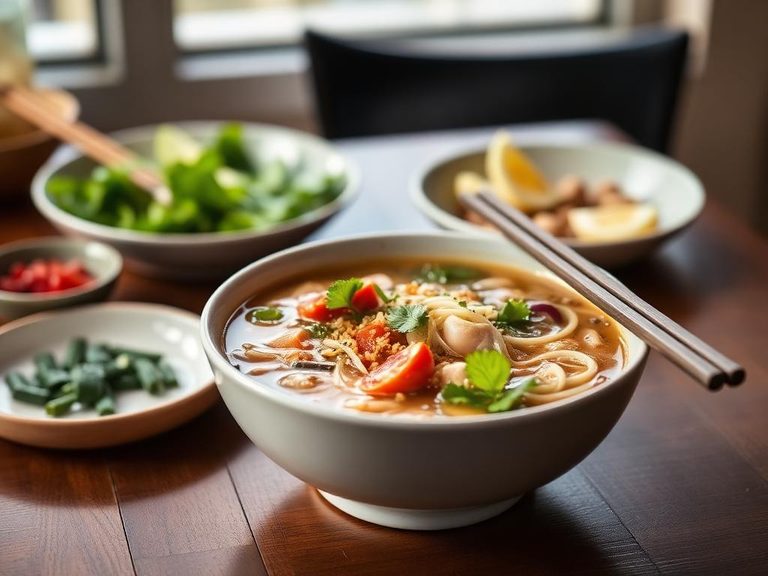
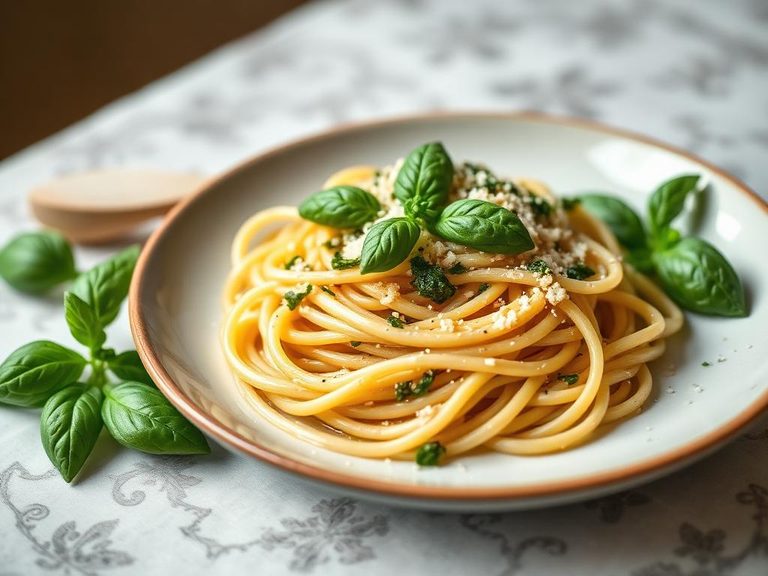
People adore basil for its irreplaceable, intoxicating aroma that defines the essence of summer gardens and kitchens. Its versatility allows it to bridge sweet and savory worlds, from pasta sauces to fruit salads, and it's deeply embedded in cultural traditions from Italian pesto to Thai curries.
⚠️ Watch-outs & how to enjoy it better
Basil is highly perishable and can turn black quickly when exposed to cold, making storage tricky. Some individuals may experience mild digestive discomfort if consumed in very large quantities. To preserve it, store stems in a glass of water at room temperature, or blanch and freeze leaves in oil for long-term use.
Key benefits
- Rich in vitamin K, essential for blood clotting and bone health.
- Contains antioxidants like flavonoids and polyphenols that combat oxidative stress.
- Provides a good source of dietary fiber relative to its calorie count.
- May have anti-inflammatory properties due to compounds like eugenol.
- Adds significant flavor without adding sodium, sugar, or fat.
🍽️ Popular dishes
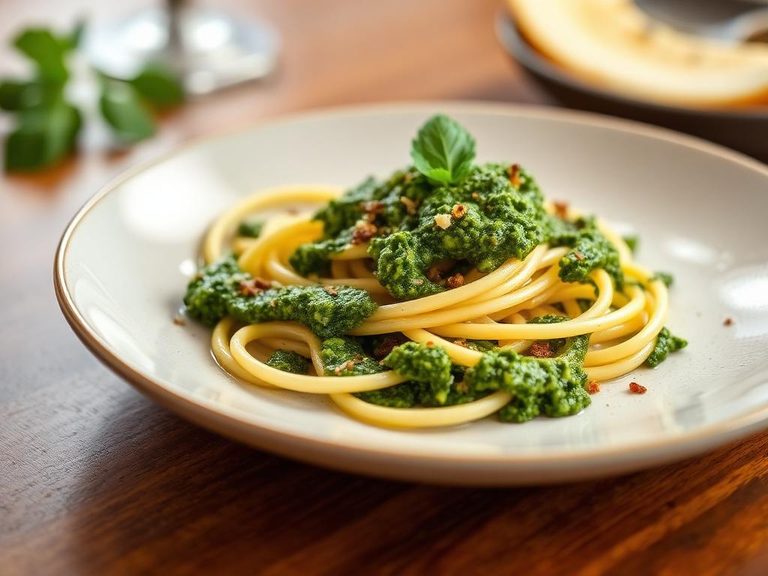
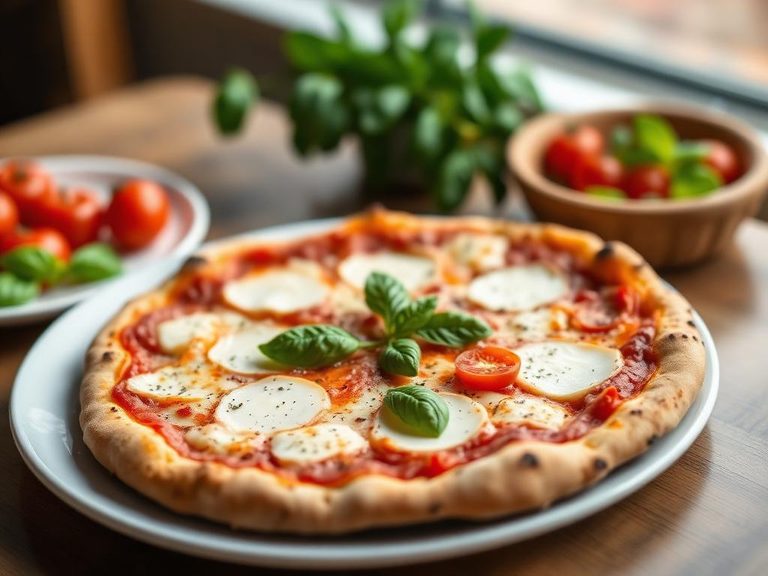
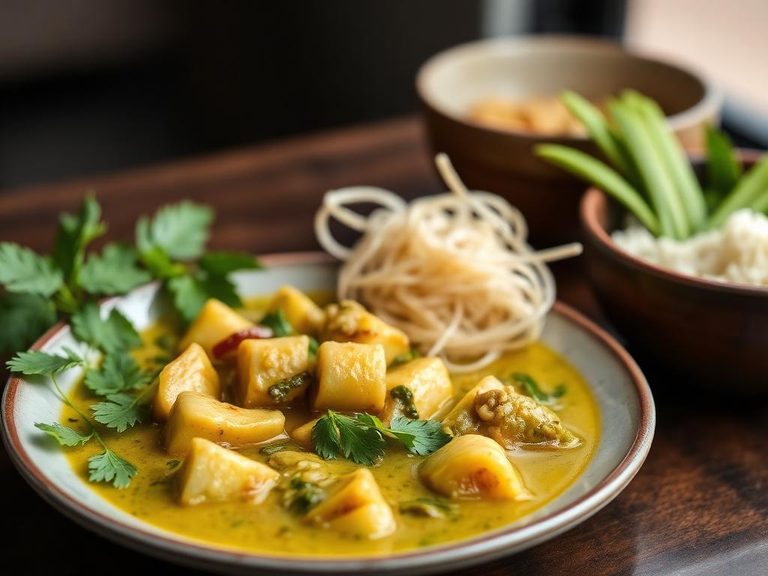
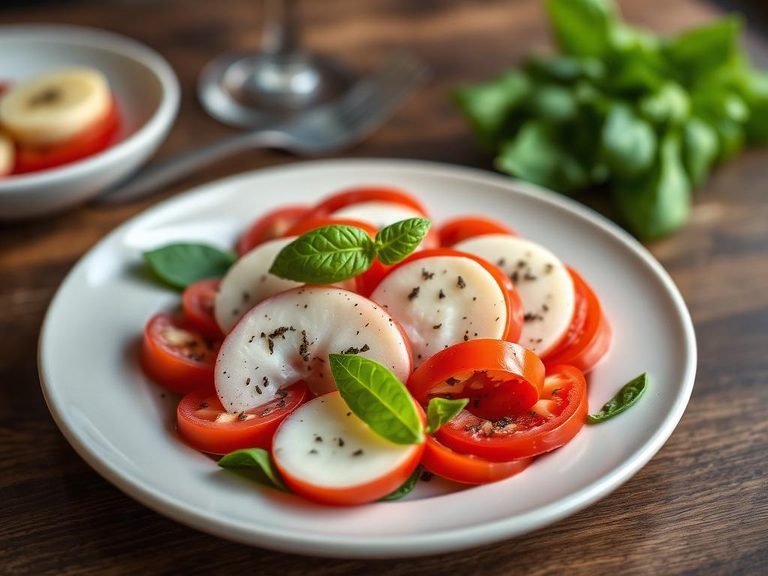
🌍 Where it's eaten
💡 Did you know?
The name 'basil' comes from the Greek word 'basilikón,' meaning 'royal' or 'kingly plant,' reflecting its historic status as a revered herb.
Full nutrition (scales with serving)
| Water | 92.1 g |
| Energy | 23.0 kcal |
| Energy | 94.0 kj |
| Protein | 3.1 g |
| Total lipid (fat) | 0.64 g |
| Ash | 1.5 g |
| Carbohydrate, by difference | 2.6 g |
| Fiber, total dietary | 1.6 g |
| Total Sugars | 0.30 g |
| Sucrose | 0.00 g |
| Glucose | 0.02 g |
| Fructose | 0.02 g |
| Lactose | 0.00 g |
| Maltose | 0.00 g |
| Galactose | 0.27 g |
| Calcium, Ca | 177 mg |
| Iron, Fe | 3.2 mg |
| Magnesium, Mg | 64.0 mg |
| Phosphorus, P | 56.0 mg |
| Potassium, K | 295 mg |
| Sodium, Na | 4.0 mg |
| Zinc, Zn | 0.81 mg |
| Copper, Cu | 0.39 mg |
| Manganese, Mn | 1.1 mg |
| Selenium, Se | 0.30 ug |
| Vitamin C, total ascorbic acid | 18.0 mg |
| Thiamin | 0.03 mg |
| Riboflavin | 0.08 mg |
| Niacin | 0.90 mg |
| Pantothenic acid | 0.21 mg |
| Vitamin B-6 | 0.15 mg |
| Folate, total | 68.0 ug |
| Folic acid | 0.00 ug |
| Folate, food | 68.0 ug |
| Folate, DFE | 68.0 ug |
| Choline, total | 11.4 mg |
| Betaine | 0.40 mg |
| Vitamin B-12 | 0.00 ug |
| Vitamin B-12, added | 0.00 ug |
| Vitamin A, RAE | 264 ug |
| Retinol | 0.00 ug |
| Carotene, beta | 3142 ug |
| Carotene, alpha | 0.00 ug |
| Cryptoxanthin, beta | 46.0 ug |
| Vitamin A, IU | 5275 iu |
| Lycopene | 0.00 ug |
| Lutein + zeaxanthin | 5650 ug |
| Vitamin E (alpha-tocopherol) | 0.80 mg |
| Vitamin E, added | 0.00 mg |
| Tocopherol, beta | 0.00 mg |
| Tocopherol, gamma | 0.16 mg |
| Tocopherol, delta | 0.00 mg |
| Tocotrienol, alpha | 0.00 mg |
| Tocotrienol, beta | 0.00 mg |
| Tocotrienol, gamma | 0.00 mg |
| Tocotrienol, delta | 0.00 mg |
| Vitamin D (D2 + D3), International Units | 0.00 iu |
| Vitamin D (D2 + D3) | 0.00 ug |
| Vitamin K (phylloquinone) | 415 ug |
| Vitamin K (Dihydrophylloquinone) | 0.00 ug |
| Alcohol, ethyl | 0.00 g |
| Caffeine | 0.00 mg |
| Theobromine | 0.00 mg |
Fat & fatty acid profile (per 100g)
| Fatty acids, total saturated | 0.04 g |
| SFA 4:0 | 0.00 g |
| SFA 6:0 | 0.00 g |
| SFA 8:0 | 0.00 g |
| SFA 10:0 | 0.00 g |
| SFA 12:0 | 0.00 g |
| SFA 14:0 | 0.00 g |
| SFA 16:0 | 0.04 g |
| SFA 18:0 | 0.01 g |
| Fatty acids, total monounsaturated | 0.09 g |
| MUFA 16:1 | 0.00 g |
| MUFA 18:1 | 0.09 g |
| MUFA 20:1 | 0.00 g |
| MUFA 22:1 | 0.00 g |
| Fatty acids, total polyunsaturated | 0.39 g |
| PUFA 18:2 | 0.07 g |
| PUFA 18:3 | 0.32 g |
| PUFA 18:4 | 0.00 g |
| PUFA 20:4 | 0.00 g |
| PUFA 20:5 n-3 (EPA) | 0.00 g |
| PUFA 22:5 n-3 (DPA) | 0.00 g |
| PUFA 22:6 n-3 (DHA) | 0.00 g |
| Fatty acids, total trans | 0.00 g |
| Cholesterol | 0.00 mg |
Amino acid profile (per 100g)
| Tryptophan | 0.04 g |
| Threonine | 0.10 g |
| Isoleucine | 0.10 g |
| Leucine | 0.19 g |
| Lysine | 0.11 g |
| Methionine | 0.04 g |
| Cystine | 0.03 g |
| Phenylalanine | 0.13 g |
| Tyrosine | 0.08 g |
| Valine | 0.13 g |
| Arginine | 0.12 g |
| Histidine | 0.05 g |
| Alanine | 0.13 g |
| Aspartic acid | 0.30 g |
| Glutamic acid | 0.28 g |
| Glycine | 0.12 g |
| Proline | 0.10 g |
| Serine | 0.10 g |
FAQ
Why does my fresh basil turn black in the fridge?
Basil is sensitive to cold. Refrigeration damages its cell structure, causing leaves to blacken. It's best stored at room temperature with stems in a glass of water, covered loosely with a plastic bag.
Can I use dried basil instead of fresh?
While possible, dried basil has a much more concentrated, hay-like flavor and lacks the bright, aromatic top notes of fresh. It's best used in long-cooked dishes, while fresh basil should be added at the end of cooking or as a garnish.
What's the best way to preserve a large harvest of basil?
The most effective method is to make pesto (blending with oil, nuts, and cheese) and freezing it in ice cube trays. You can also freeze whole leaves between parchment paper in a freezer bag, though they will wilt upon thawing.