Kale, raw
Whole food · Vegetables and Vegetable Products

Photo: Wikipedia
Kale is a leafy green cruciferous vegetable with a robust, earthy flavor and a texture that ranges from tender in young leaves to hearty and slightly chewy in mature ones. A nutritional powerhouse, it delivers an exceptional amount of vitamins K, A, and C for very few calories. Its signature peppery bite and sturdy structure make it a standout in both raw and cooked preparations.
💚 Why it's loved
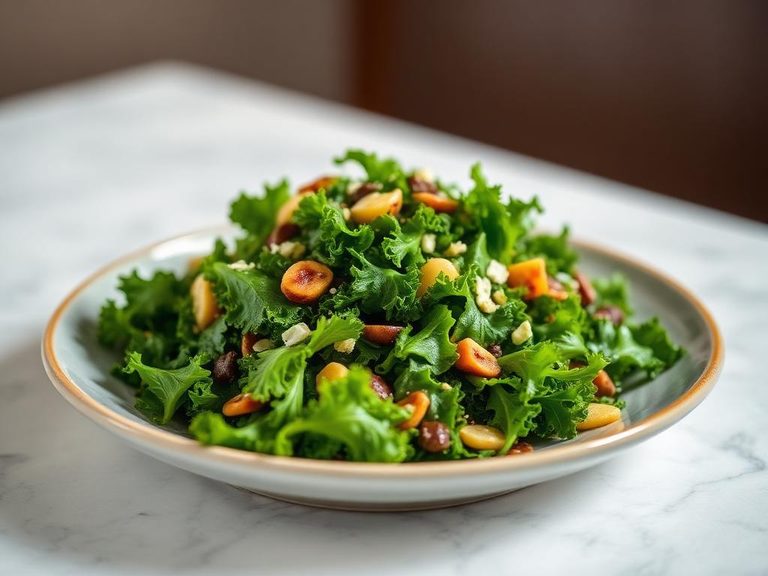
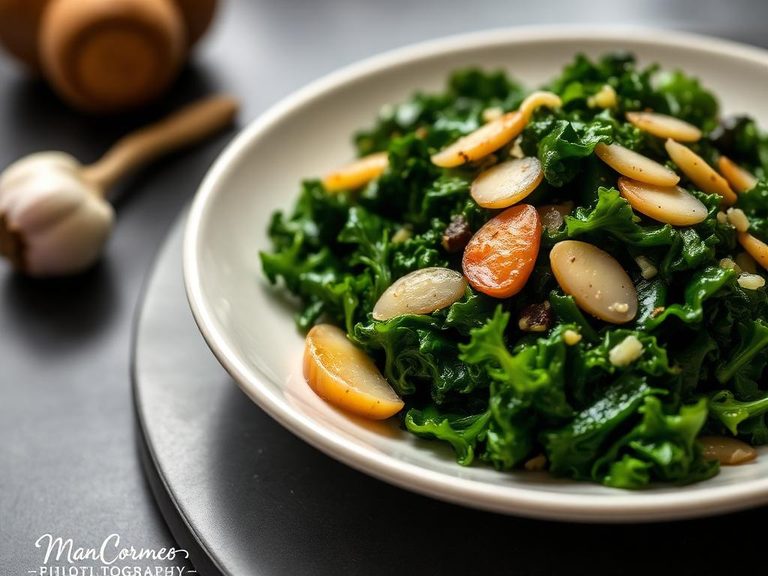
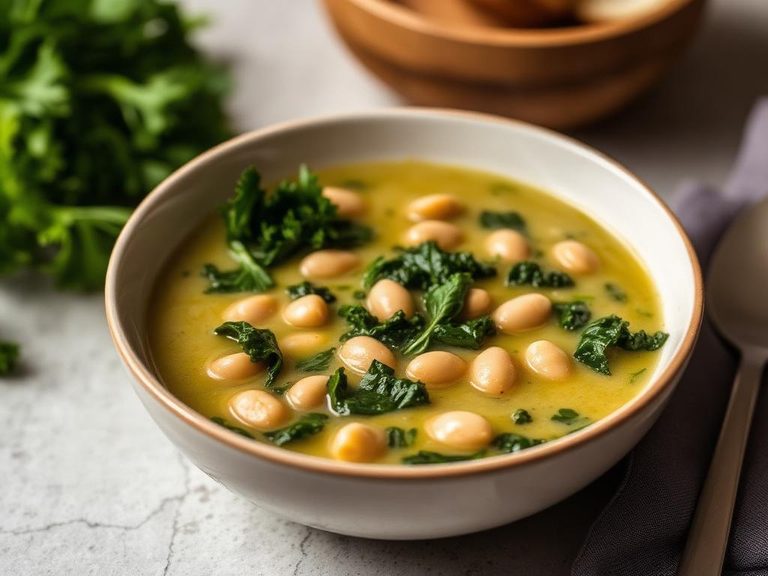
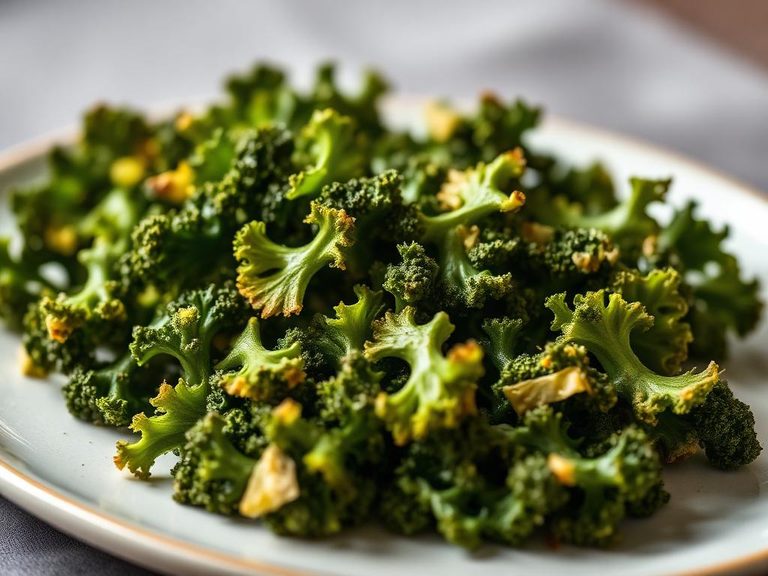
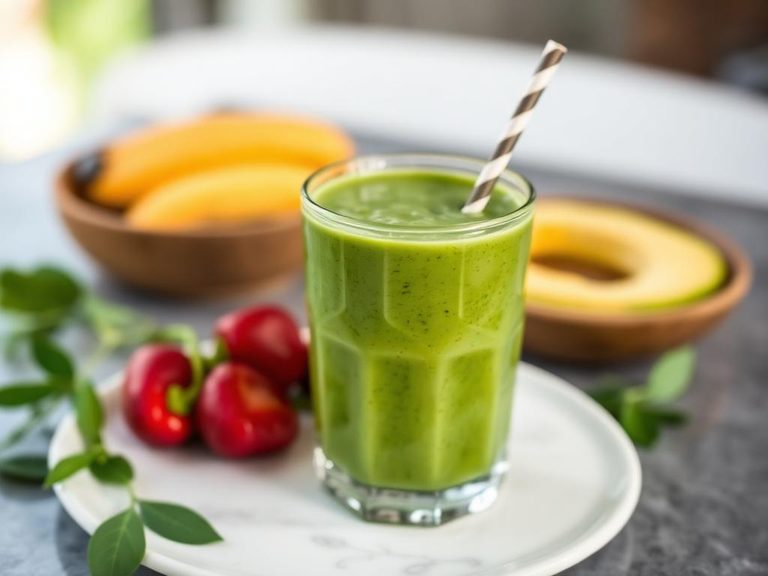
People love kale for its bold, peppery flavor that stands up to hearty dressings and bold seasonings, making it a satisfying base for salads and smoothies. Its incredible versatility—from crispy baked chips to tender braised greens—has cemented its status as a modern superfood staple.
⚠️ Watch-outs & how to enjoy it better
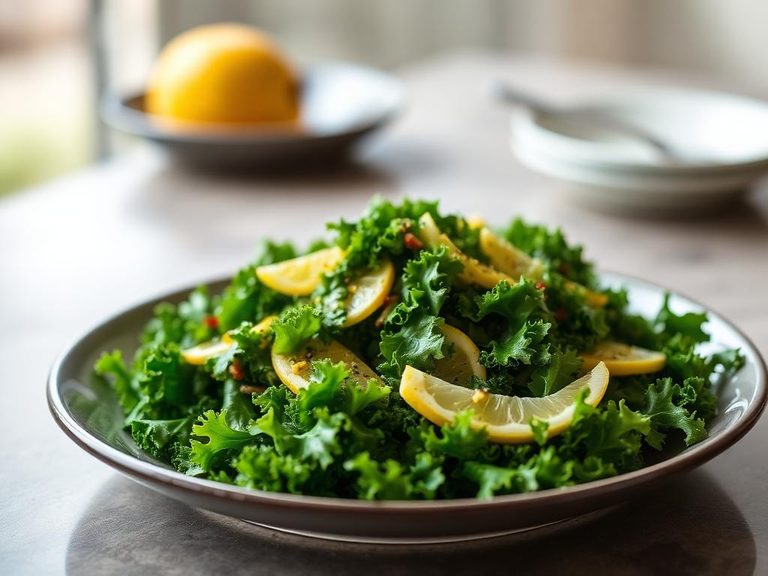
Raw kale can be tough and bitter for some, especially those sensitive to its strong flavor or high fiber content. Its high vitamin K content requires caution for individuals on blood-thinning medications. To counteract bitterness in salads, massage the leaves with a bit of acid (like lemon juice) or oil to soften the texture and mellow the flavor.
Key benefits
- Exceptionally high in vitamin K, crucial for bone health.
- Rich in antioxidants like lutein and zeaxanthin for eye health.
- Provides a good source of vitamin C and A in a low-calorie package.
- Contains glucosinolates, compounds studied for their potential protective properties.
- High fiber content supports digestive health and satiety.
🍽️ Popular dishes
🌍 Where it's eaten
💡 Did you know?
The word 'kale' comes from the Scots word 'kail' or 'cale', which was a term for cabbage or a cabbage-based broth, reflecting its deep-rooted history in Northern European cuisine.
Full nutrition (scales with serving)
| Water | 89.6 g |
| Energy | 35.0 kcal |
| Energy | 148 kj |
| Protein | 2.9 g |
| Total lipid (fat) | 1.5 g |
| Ash | 1.5 g |
| Carbohydrate, by difference | 4.4 g |
| Fiber, total dietary | 4.1 g |
| Total Sugars | 0.99 g |
| Sucrose | 0.18 g |
| Glucose | 0.40 g |
| Fructose | 0.41 g |
| Lactose | 0.00 g |
| Maltose | 0.00 g |
| Galactose | 0.00 g |
| Calcium, Ca | 254 mg |
| Iron, Fe | 1.6 mg |
| Magnesium, Mg | 33.0 mg |
| Phosphorus, P | 55.0 mg |
| Potassium, K | 348 mg |
| Sodium, Na | 53.0 mg |
| Zinc, Zn | 0.39 mg |
| Copper, Cu | 0.05 mg |
| Manganese, Mn | 0.92 mg |
| Selenium, Se | 0.90 ug |
| Vitamin C, total ascorbic acid | 93.4 mg |
| Thiamin | 0.11 mg |
| Riboflavin | 0.35 mg |
| Niacin | 1.2 mg |
| Pantothenic acid | 0.37 mg |
| Vitamin B-6 | 0.15 mg |
| Folate, total | 62.0 ug |
| Folic acid | 0.00 ug |
| Folate, food | 62.0 ug |
| Folate, DFE | 62.0 ug |
| Choline, total | 0.50 mg |
| Betaine | 0.30 mg |
| Vitamin B-12 | 0.00 ug |
| Vitamin B-12, added | 0.00 ug |
| Vitamin A, RAE | 241 ug |
| Retinol | 0.00 ug |
| Carotene, beta | 2873 ug |
| Carotene, alpha | 0.00 ug |
| Cryptoxanthin, beta | 27.0 ug |
| Vitamin A, IU | 4812 iu |
| Lycopene | 0.00 ug |
| Lutein + zeaxanthin | 6261 ug |
| Vitamin E (alpha-tocopherol) | 0.66 mg |
| Vitamin E, added | 0.00 mg |
| Tocopherol, beta | 0.00 mg |
| Tocopherol, gamma | 0.14 mg |
| Tocopherol, delta | 0.00 mg |
| Tocotrienol, alpha | 0.00 mg |
| Tocotrienol, beta | 0.00 mg |
| Tocotrienol, gamma | 0.00 mg |
| Tocotrienol, delta | 0.00 mg |
| Vitamin D (D2 + D3), International Units | 0.00 iu |
| Vitamin D (D2 + D3) | 0.00 ug |
| Vitamin K (phylloquinone) | 390 ug |
| Vitamin K (Dihydrophylloquinone) | 0.00 ug |
| Vitamin K (Menaquinone-4) | 0.00 ug |
| Alcohol, ethyl | 0.00 g |
| Caffeine | 0.00 mg |
| Theobromine | 0.00 mg |
Fat & fatty acid profile (per 100g)
| Fatty acids, total saturated | 0.18 g |
| SFA 4:0 | 0.00 g |
| SFA 6:0 | 0.00 g |
| SFA 8:0 | 0.00 g |
| SFA 10:0 | 0.00 g |
| SFA 12:0 | 0.01 g |
| SFA 14:0 | 0.01 g |
| SFA 16:0 | 0.16 g |
| SFA 18:0 | 0.01 g |
| Fatty acids, total monounsaturated | 0.10 g |
| MUFA 16:1 | 0.00 g |
| MUFA 18:1 | 0.10 g |
| MUFA 20:1 | 0.00 g |
| MUFA 22:1 | 0.00 g |
| Fatty acids, total polyunsaturated | 0.67 g |
| PUFA 18:2 | 0.29 g |
| PUFA 18:3 | 0.38 g |
| PUFA 18:4 | 0.00 g |
| PUFA 20:4 | 0.00 g |
| PUFA 20:5 n-3 (EPA) | 0.00 g |
| PUFA 22:5 n-3 (DPA) | 0.00 g |
| PUFA 22:6 n-3 (DHA) | 0.00 g |
| Fatty acids, total trans | 0.00 g |
| Cholesterol | 0.00 mg |
Amino acid profile (per 100g)
| Tryptophan | 0.04 g |
| Threonine | 0.13 g |
| Isoleucine | 0.17 g |
| Leucine | 0.20 g |
| Lysine | 0.17 g |
| Methionine | 0.03 g |
| Cystine | 0.04 g |
| Phenylalanine | 0.15 g |
| Tyrosine | 0.10 g |
| Valine | 0.16 g |
| Arginine | 0.16 g |
| Histidine | 0.17 g |
| Alanine | 0.15 g |
| Aspartic acid | 0.26 g |
| Glutamic acid | 0.33 g |
| Glycine | 0.14 g |
| Proline | 0.17 g |
| Serine | 0.12 g |
FAQ
How do I reduce the bitterness of raw kale?
Massage the chopped kale with a small amount of olive oil or your dressing for 2-3 minutes until it darkens and softens. Adding an acidic component like lemon juice also helps balance the flavor.
Is kale better raw or cooked?
Both have benefits. Raw kale retains more heat-sensitive vitamins like vitamin C. Cooking, especially steaming or sautéing, can increase the bioavailability of some antioxidants and make the kale easier to digest for some people.
What is the difference between curly kale and lacinato kale?
Curly kale has ruffled, bright green leaves and a more pronounced bitter, peppery flavor. Lacinato (or dinosaur) kale has flatter, darker blue-green leaves with a slightly sweeter, more delicate flavor and a more tender texture when cooked.