Yogurt, Greek, strawberry, nonfat
Whole food · Dairy and Egg Products
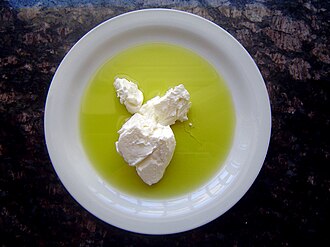
Photo: Wikipedia
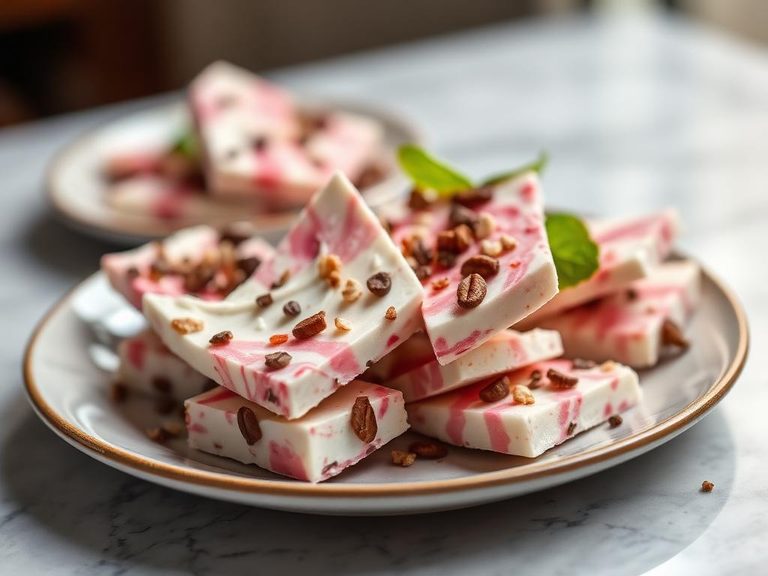
Nonfat Greek yogurt with strawberry is a thick, creamy, and protein-packed strained yogurt, swirled with a sweet strawberry fruit preparation. Its texture is notably dense and velvety compared to regular yogurt, offering a tangy base balanced by fruity sweetness. With over 8g of protein per 100g and virtually no fat, it's a nutritional powerhouse for muscle support and satiety.
💚 Why it's loved
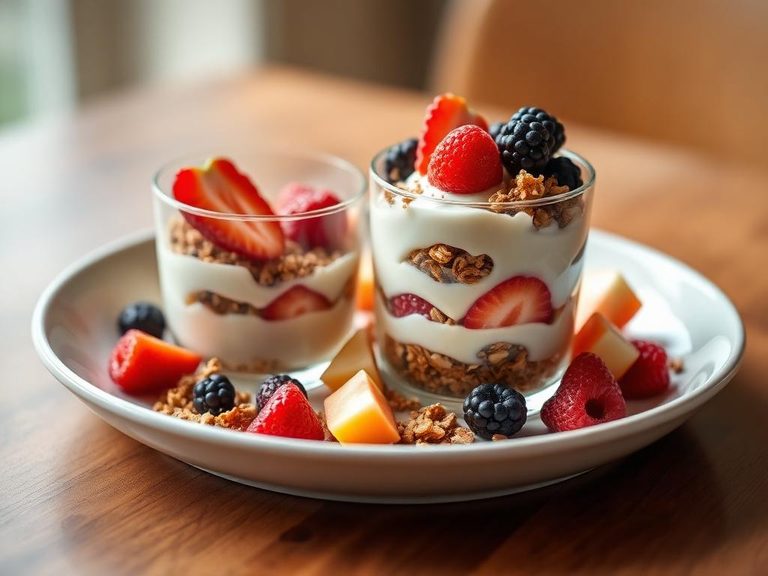
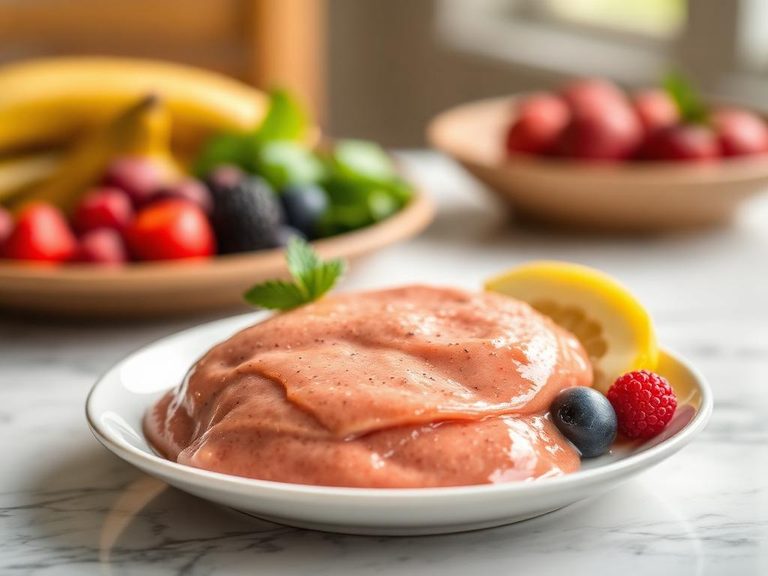
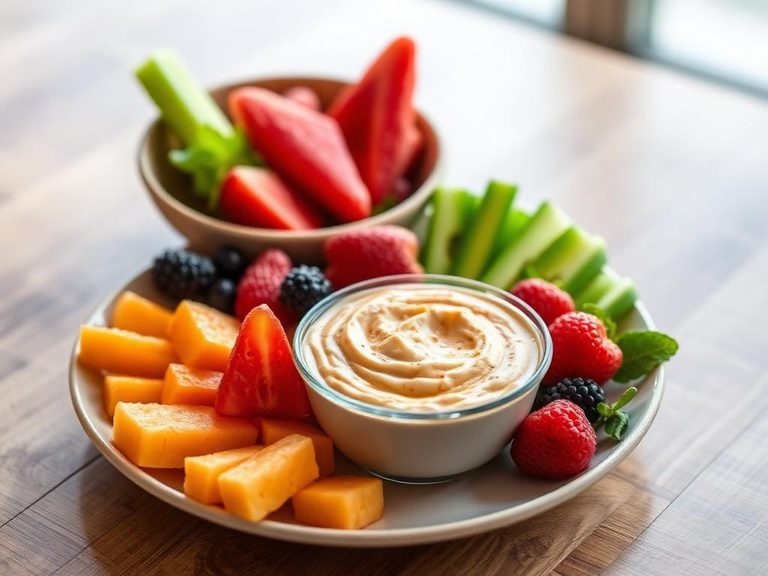
People love it for the perfect marriage of creamy, tangy yogurt and sweet strawberry flavor, making healthy eating feel indulgent. It's incredibly versatile—eaten plain, as a dip, in smoothies, or as a protein-rich topping for granola and fruit.
⚠️ Watch-outs & how to enjoy it better
The added sugar in the strawberry preparation can contribute to blood sugar spikes, making it less ideal for strict low-sugar diets. Those with dairy allergies or severe lactose intolerance should avoid it. To counteract sugar impact, pair it with extra fiber (like nuts or chia seeds) or choose a plain version and add fresh berries yourself.
Key benefits
- Excellent source of complete protein for muscle maintenance.
- Very low in fat, supporting calorie-conscious diets.
- Contains probiotics for gut health from live cultures.
- Provides calcium for bone health.
- Offers a convenient, high-protein snack or meal component.
🍽️ Popular dishes


🌍 Where it's eaten
💡 Did you know?
Greek yogurt isn't actually a specific Greek product; the straining technique is ancient, but the modern commercial 'Greek' style was largely popularized in the U.S. by brands like Fage in the 1990s.
Full nutrition (scales with serving)
| Water | 79.0 g |
| Energy (Atwater General Factors) | 82.0 kcal |
| Energy (Atwater Specific Factors) | 83.0 kcal |
| Energy | 83.0 kcal |
| Energy | 347 kj |
| Protein | 8.1 g |
| Total lipid (fat) | 0.15 g |
| Total fat (NLEA) | 0.15 g |
| Ash | 0.59 g |
| Carbohydrate, by difference | 12.2 g |
| Carbohydrate, by summation | 12.0 g |
| Fiber, total dietary | 0.60 g |
| Sugars, Total | 11.5 g |
| Sucrose | 5.6 g |
| Glucose | 0.84 g |
| Fructose | 2.1 g |
| Lactose | 2.5 g |
| Maltose | 0.00 g |
| Galactose | 0.52 g |
| Starch | 0.00 g |
| Calcium, Ca | 97.0 mg |
| Iron, Fe | 0.09 mg |
| Magnesium, Mg | 10.4 mg |
| Phosphorus, P | 113 mg |
| Potassium, K | 133 mg |
| Sodium, Na | 32.0 mg |
| Zinc, Zn | 0.46 mg |
| Copper, Cu | 0.02 mg |
| Manganese, Mn | 0.03 mg |
| Selenium, Se | 9.8 ug |
| Vitamin C, total ascorbic acid | 0.20 mg |
| Riboflavin | 0.25 mg |
| Niacin | 0.21 mg |
| Pantothenic acid | 0.36 mg |
| Vitamin B-6 | 0.05 mg |
| Folate, total | 20.0 ug |
| Vitamin B-12 | 0.45 ug |
| Vitamin A, RAE | 0.00 ug |
| Carotene, beta | 2.0 ug |
| Carotene, alpha | 0.00 ug |
| Cryptoxanthin, beta | 0.00 ug |
| Lycopene | 0.00 ug |
| Lutein + zeaxanthin | 4.0 ug |
| Vitamin D (D2 + D3), International Units | 40.0 iu |
| Vitamin D (D2 + D3) | 1.0 ug |
| Vitamin D2 (ergocalciferol) | 0.00 ug |
| Vitamin D3 (cholecalciferol) | 1.0 ug |
| Fatty acids, total saturated | 0.10 g |
| SFA 4:0 | 0.01 g |
| SFA 6:0 | 0.00 g |
| SFA 8:0 | 0.00 g |
| SFA 10:0 | 0.02 g |
| SFA 11:0 | 0.00 g |
| SFA 12:0 | 0.01 g |
| SFA 14:0 | 0.01 g |
| SFA 15:0 | 0.00 g |
| SFA 16:0 | 0.04 g |
| SFA 17:0 | 0.00 g |
| SFA 18:0 | 0.02 g |
| SFA 20:0 | 0.00 g |
| SFA 22:0 | 0.00 g |
| SFA 24:0 | 0.00 g |
| Fatty acids, total monounsaturated | 0.03 g |
| MUFA 14:1 c | 0.00 g |
| MUFA 15:1 | 0.00 g |
| MUFA 16:1 c | 0.00 g |
| MUFA 17:1 | 0.00 g |
| MUFA 17:1 c | 0.00 g |
| MUFA 18:1 c | 0.03 g |
| MUFA 20:1 | 0.00 g |
| MUFA 20:1 c | 0.00 g |
| MUFA 22:1 c | 0.00 g |
| MUFA 24:1 c | 0.00 g |
| Fatty acids, total polyunsaturated | 0.02 g |
| PUFA 18:2 c | 0.01 g |
| PUFA 18:2 n-6 c,c | 0.01 g |
| PUFA 18:2 CLAs | 0.00 g |
| PUFA 18:3 c | 0.01 g |
| PUFA 18:3 n-3 c,c,c (ALA) | 0.01 g |
| PUFA 18:3 n-6 c,c,c | 0.00 g |
| PUFA 18:3i | 0.00 g |
| PUFA 18:4 | 0.00 g |
| PUFA 20:2 c | 0.00 g |
| PUFA 20:2 n-6 c,c | 0.00 g |
| PUFA 20:3 c | 0.00 g |
| PUFA 20:3 n-3 | 0.00 g |
| PUFA 20:3 n-6 | 0.00 g |
| PUFA 20:3 n-9 | 0.00 g |
| PUFA 20:4 | 0.00 g |
| PUFA 20:4c | 0.00 g |
| PUFA 20:5c | 0.00 g |
| PUFA 20:5 n-3 (EPA) | 0.00 g |
| PUFA 22:2 | 0.00 g |
| PUFA 22:5 c | 0.00 g |
| PUFA 22:4 | 0.00 g |
| PUFA 22:5 n-3 (DPA) | 0.00 g |
| PUFA 22:6 c | 0.00 g |
| PUFA 22:6 n-3 (DHA) | 0.00 g |
| Fatty acids, total trans | 0.00 g |
| Fatty acids, total trans-monoenoic | 0.00 g |
| TFA 16:1 t | 0.00 g |
| TFA 18:1 t | 0.00 g |
| TFA 22:1 t | 0.00 g |
| Fatty acids, total trans-dienoic | 0.00 g |
| TFA 18:2 t not further defined | 0.00 g |
| Cholesterol | 4.0 mg |
FAQ
What's the difference between Greek yogurt and regular yogurt?
Greek yogurt is strained to remove most of the liquid whey, resulting in a thicker, creamier texture and a higher concentration of protein and lower lactose content compared to regular, unstrained yogurt.
Is nonfat Greek yogurt as nutritious as full-fat?
Nonfat versions retain the high protein and calcium but lack the fat-soluble vitamins and beneficial fatty acids found in full-fat dairy. The choice depends on your overall dietary fat intake and personal health goals.
Can I use this in cooking and baking?
Absolutely! It's a fantastic substitute for sour cream, mayonnaise, or oil in many recipes to add moisture, creaminess, and a protein boost while reducing fat content. It works well in marinades, dressings, and baked goods like muffins.