

Nuts, hazelnuts or filberts, blanched
Whole food · Nut and Seed Products

Photo: Wikipedia
Blanched hazelnuts are whole, skinless kernels prized for their delicate, buttery crunch and subtly sweet, woody flavor. Nutritionally, they are a powerhouse of healthy monounsaturated fats (61g per 100g) and provide a solid 13.7g of protein, making them a dense, satisfying energy source.
Calorie split: 8% protein · 10% carbs · 82% fat
↓ Full nutrition💚 Why it's loved
People adore hazelnuts for their rich, aromatic flavor that intensifies when toasted, making them a cornerstone of confectionery and baking. Their versatility allows them to be enjoyed raw, roasted, or as a butter, blending seamlessly into both sweet and savory dishes.
⚠️ Watch-outs & how to enjoy it better
As a tree nut, hazelnuts are a common allergen and can trigger serious reactions in sensitive individuals. Their high fat and calorie density (629 kcal per 100g) means portion control is essential to avoid excess calorie intake, and they can be difficult to digest for some, potentially causing bloating.
Key benefits
- Excellent source of monounsaturated fats, which support heart health.
- Provides 11g of dietary fiber per 100g, aiding digestion and satiety.
- Rich in vitamin E, a potent antioxidant that protects cells from oxidative stress.
- Contains manganese and copper, essential minerals for bone health and energy metabolism.
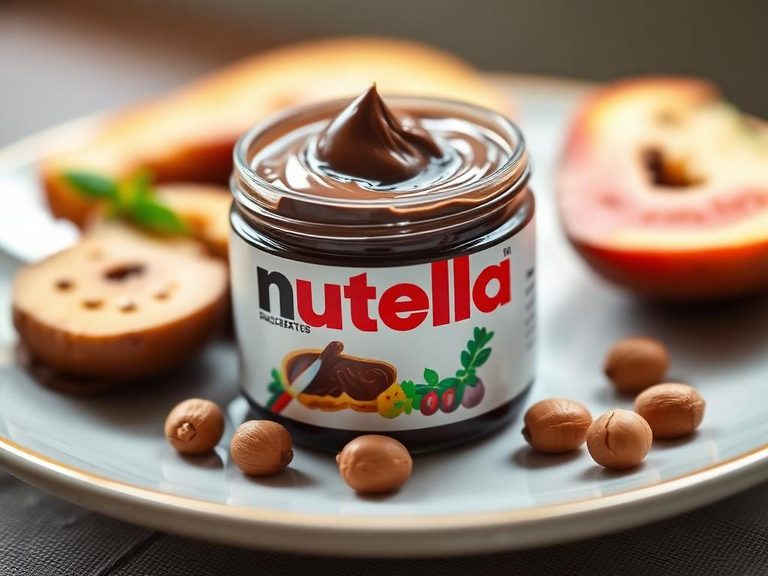
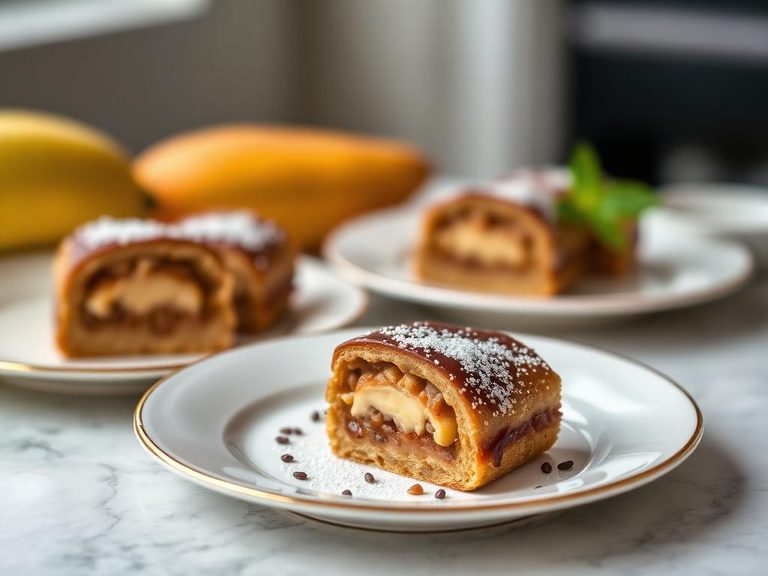
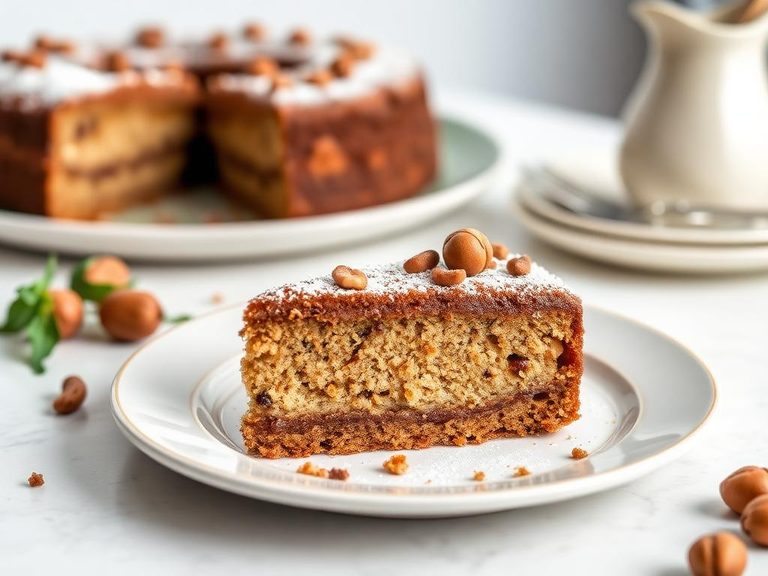
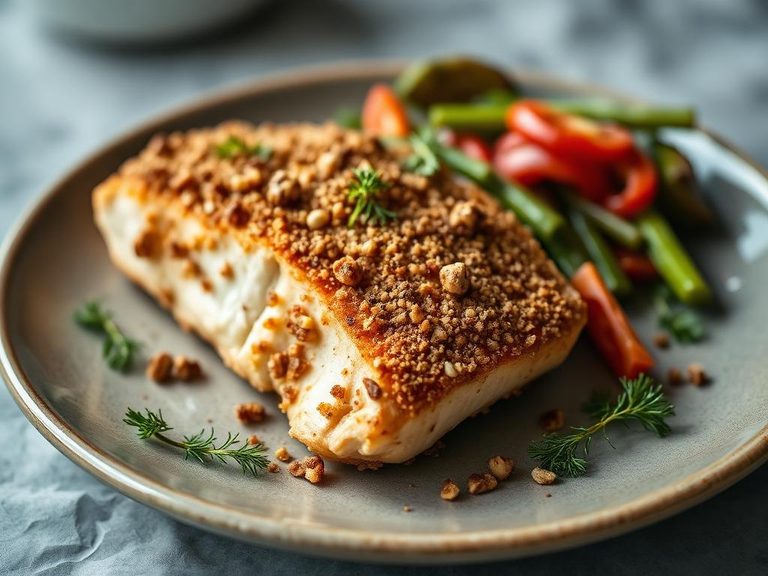
🍽️ Popular dishes

🌍 Where it's eaten
💡 Did you know?
The world's largest producer of hazelnuts is Turkey, which accounts for over 70% of global supply, with the majority grown in the Black Sea region.
Full nutrition (USDA data · scales with serving)
| Water | 5.8 g |
| Energy | 629 kcal |
| Energy | 2630 kj |
| Protein | 13.7 g |
| Total lipid (fat) | 61.1 g |
| Ash | 2.4 g |
| Carbohydrate, by difference | 17.0 g |
| Fiber, total dietary | 11.0 g |
| Total Sugars | 3.5 g |
| Sucrose | 3.4 g |
| Glucose | 0.07 g |
| Fructose | 0.07 g |
| Lactose | 0.00 g |
| Maltose | 0.00 g |
| Starch | 0.93 g |
| Calcium, Ca | 149 mg |
| Iron, Fe | 3.3 mg |
| Magnesium, Mg | 160 mg |
| Phosphorus, P | 310 mg |
| Potassium, K | 658 mg |
| Sodium, Na | 0.00 mg |
| Zinc, Zn | 2.2 mg |
| Copper, Cu | 1.6 mg |
| Manganese, Mn | 12.7 mg |
| Selenium, Se | 4.1 ug |
| Vitamin C, total ascorbic acid | 2.0 mg |
| Thiamin | 0.47 mg |
| Riboflavin | 0.11 mg |
| Niacin | 1.6 mg |
| Pantothenic acid | 0.81 mg |
| Vitamin B-6 | 0.58 mg |
| Folate, total | 78.0 ug |
| Folic acid | 0.00 ug |
| Folate, food | 78.0 ug |
| Folate, DFE | 78.0 ug |
| Vitamin B-12 | 0.00 ug |
| Vitamin A, RAE | 2.0 ug |
| Retinol | 0.00 ug |
| Carotene, beta | 23.0 ug |
| Carotene, alpha | 2.0 ug |
| Vitamin A, IU | 40.0 iu |
| Vitamin E (alpha-tocopherol) | 17.5 mg |
| Tocopherol, beta | 0.35 mg |
| Tocopherol, gamma | 2.1 mg |
| Tocopherol, delta | 0.14 mg |
| Vitamin D (D2 + D3), International Units | 0.00 iu |
| Vitamin D (D2 + D3) | 0.00 ug |
| Alcohol, ethyl | 0.00 g |
Fat & fatty acid profile (per 100g)
| Fatty acids, total saturated | 4.7 g |
| SFA 8:0 | 0.00 g |
| SFA 10:0 | 0.00 g |
| SFA 12:0 | 0.00 g |
| SFA 13:0 | 0.00 g |
| SFA 14:0 | 0.00 g |
| SFA 15:0 | 0.00 g |
| SFA 16:0 | 3.2 g |
| SFA 17:0 | 0.00 g |
| SFA 18:0 | 1.4 g |
| SFA 20:0 | 0.06 g |
| SFA 22:0 | 0.00 g |
| SFA 24:0 | 0.00 g |
| Fatty acids, total monounsaturated | 48.2 g |
| MUFA 14:1 | 0.00 g |
| MUFA 16:1 | 0.12 g |
| MUFA 18:1 | 48.0 g |
| MUFA 20:1 | 0.12 g |
| MUFA 22:1 | 0.00 g |
| MUFA 24:1 c | 0.00 g |
| Fatty acids, total polyunsaturated | 5.6 g |
| PUFA 18:2 | 5.5 g |
| PUFA 18:3 | 0.06 g |
| PUFA 20:2 n-6 c,c | 0.00 g |
| PUFA 20:3 | 0.00 g |
| PUFA 20:4 | 0.00 g |
| PUFA 20:5 n-3 (EPA) | 0.00 g |
| PUFA 22:5 n-3 (DPA) | 0.00 g |
| PUFA 22:6 n-3 (DHA) | 0.00 g |
| Cholesterol | 0.00 mg |
| Phytosterols | 116 mg |
| Stigmasterol | 1.0 mg |
| Campesterol | 7.0 mg |
| Beta-sitosterol | 108 mg |
Amino acid profile (per 100g)
| Tryptophan | 0.18 g |
| Threonine | 0.46 g |
| Isoleucine | 0.50 g |
| Leucine | 0.97 g |
| Lysine | 0.39 g |
| Methionine | 0.20 g |
| Cystine | 0.25 g |
| Phenylalanine | 0.61 g |
| Tyrosine | 0.33 g |
| Valine | 0.64 g |
| Arginine | 2.0 g |
| Histidine | 0.40 g |
| Alanine | 0.67 g |
| Aspartic acid | 1.5 g |
| Glutamic acid | 3.4 g |
| Glycine | 0.66 g |
| Proline | 0.51 g |
| Serine | 0.67 g |
FAQ
What is the difference between blanched and unblanched hazelnuts?
Blanched hazelnuts have had their papery brown skin removed, usually by steaming or roasting, revealing a pale, smooth kernel. Unblanched hazelnuts retain the skin, which has a slightly bitter taste and a more rustic texture.
How should I store blanched hazelnuts to keep them fresh?
Store them in an airtight container in a cool, dark place for up to 3 months, or in the freezer for up to a year. Their high fat content makes them prone to rancidity if exposed to heat, light, or air.
Are blanched hazelnuts suitable for a low-carb diet?
Yes, they are relatively low in net carbs (about 6g per 100g after subtracting fiber), making them a good fit for low-carb and ketogenic diets, especially when consumed in moderation.
Nutrient density (calculated · NRF9.3)
Nutrient Rich Foods index: beneficial nutrients (protein, fiber, vitamins, minerals) minus saturated fat, added sugar & sodium, per 100 kcal.
NRF9.3 index — Fulgoni, Keast & Drewnowski, 2009. Computed from USDA nutrients.
Weight-loss friendliness (composite index)
Energy density 6.29 kcal/g · 9% calories from protein · 11.0 g fiber · 3.5 g sugar per 100 g.
Composite of energy density (Rolls et al., 1999), protein & fiber satiety, minus sugar. A calculated heuristic — ranks satiety-per-calorie, not a clinical measure.
Dietary load (calculated from USDA values)
Potential renal acid load. Positive = acid-forming, negative = alkaline-forming.
Sodium-to-potassium ratio: 0.00 (lower is better — aim for ≤ 1)
Sodium:potassium per WHO potassium guidance. Computed from USDA nutrients.