

Flour, rice, glutinous
Whole food · Cereal Grains and Pasta
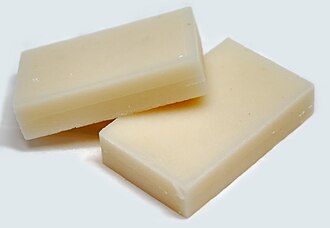
Photo: Wikipedia
Glutinous rice flour, also known as sweet rice flour, is a fine, powdery starch ground from short-grain sticky rice. It is prized for its uniquely chewy, elastic, and slightly sticky texture when cooked, which is distinct from the crumbly texture of regular wheat flour. Nutritionally, it is a dense source of energy, providing 358 kcal and over 80g of carbohydrates per 100g, with minimal protein and almost no fat.
Calorie split: 7% protein · 90% carbs · 3% fat
↓ Full nutrition💚 Why it's loved
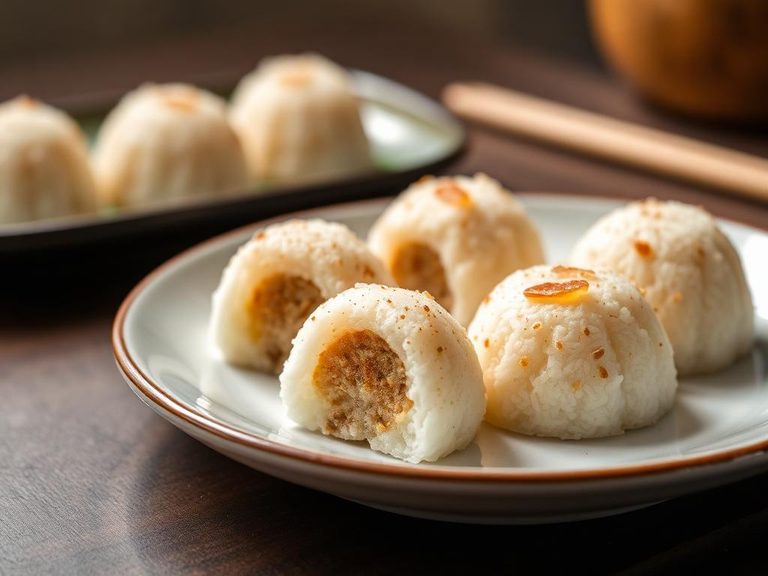
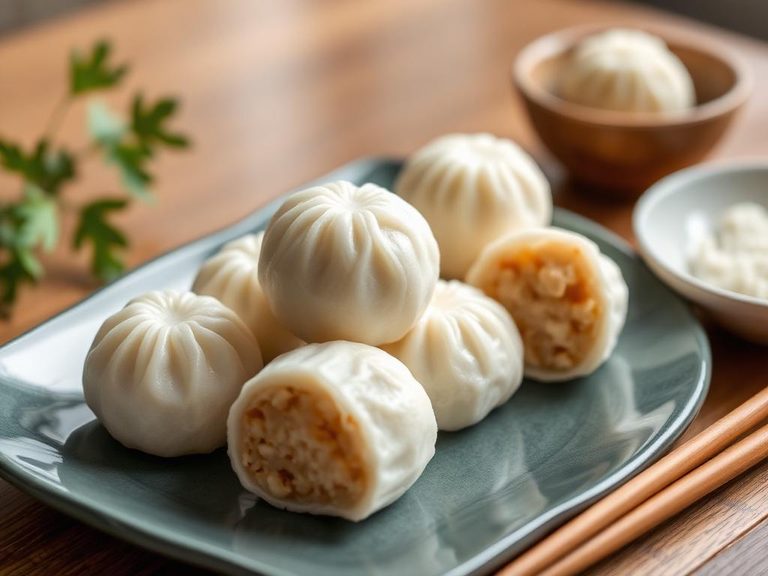
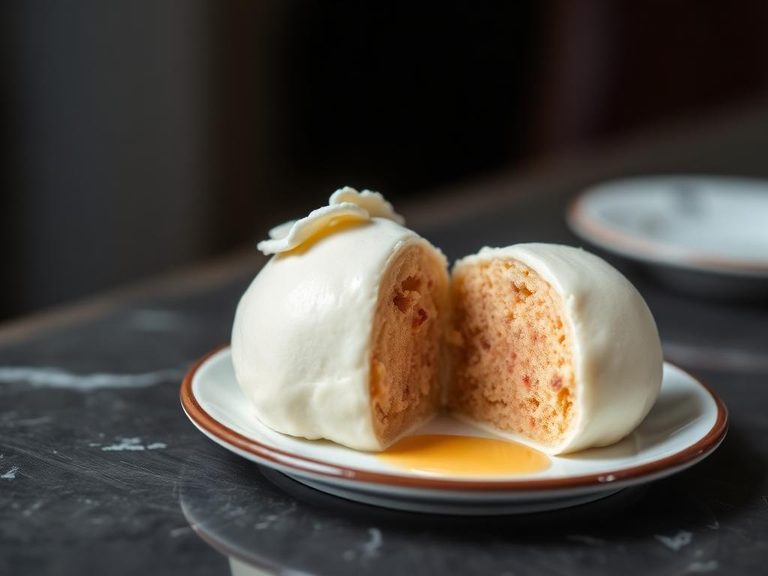
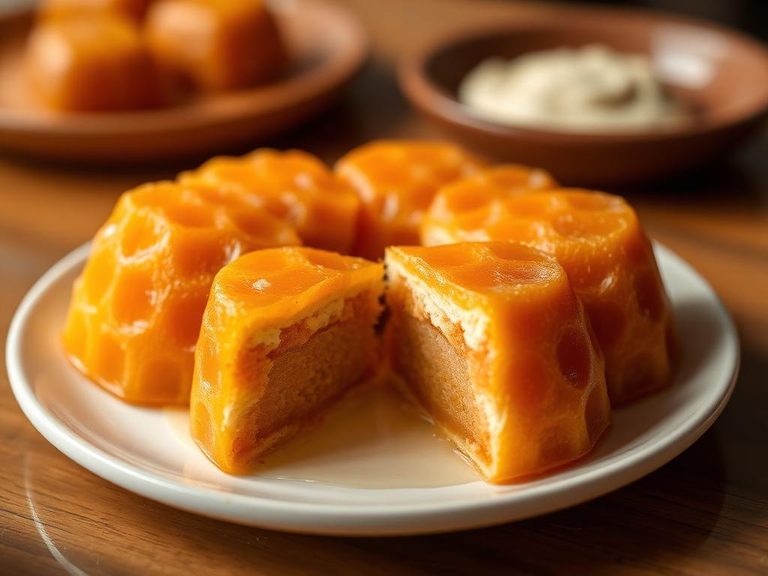
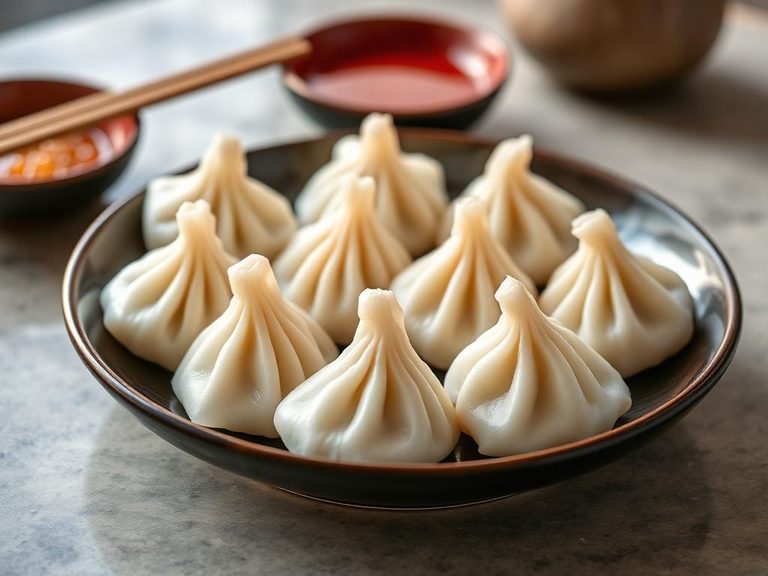
People love it for its unparalleled ability to create the signature chewy, bouncy texture in beloved Asian sweets and snacks like mochi and tangyuan. Its versatility allows it to be used in both desserts and savory dishes, making it a cornerstone of many cultural cuisines.
⚠️ Watch-outs & how to enjoy it better
Its high glycemic index can cause rapid blood sugar spikes, making it a concern for those managing diabetes or insulin resistance. It is also a common allergen for those with rice allergies. To counteract this, pair it with protein and healthy fats (like coconut milk or nuts) to slow digestion, and practice strict portion control.
Key benefits
- Provides a quick and dense source of energy from complex carbohydrates.
- Naturally gluten-free, making it a staple for celiac or gluten-sensitive diets.
- Creates a uniquely chewy, elastic, and soft texture in both sweet and savory dishes.
- Acts as a versatile thickener and binder in soups, sauces, and fillings.
- Has a neutral, mild flavor that readily absorbs other flavors and aromas.
🍽️ Popular dishes
🌍 Where it's eaten
💡 Did you know?
The 'glutinous' in its name refers to its glue-like, sticky texture when cooked, not to the presence of gluten (the protein found in wheat, barley, and rye).
Full nutrition (USDA data · scales with serving)
| Water | 11.8 g |
| Energy (Atwater General Factors) | 358 kcal |
| Energy (Atwater Specific Factors) | 368 kcal |
| Energy | 358 kcal |
| Energy | 1500 kj |
| Nitrogen | 1.1 g |
| Protein | 6.7 g |
| Total lipid (fat) | 1.2 g |
| Ash | 0.22 g |
| Carbohydrate, by difference | 80.1 g |
| Calcium, Ca | 10.0 mg |
| Iron, Fe | 0.34 mg |
| Magnesium, Mg | 21.2 mg |
| Phosphorus, P | 63.0 mg |
| Potassium, K | 80.0 mg |
| Sodium, Na | 6.0 mg |
| Zinc, Zn | 1.3 mg |
| Copper, Cu | 0.17 mg |
| Manganese, Mn | 0.99 mg |
| Selenium, Se | 2.0 ug |
| Molybdenum, Mo | 40.7 ug |
| Thiamin | 0.05 mg |
| Riboflavin | 0.00 mg |
| Niacin | 1.1 mg |
| Vitamin B-6 | 0.04 mg |
Fat & fatty acid profile (per 100g)
Estimated from Pasta, gluten-free, corn flour and quinoa flour, cooked, ANCIENT HARVEST — USDA does not publish this profile for Flour.
| Fatty acids, total saturated | 0.15 g |
| SFA 4:0 | 0.00 g |
| SFA 6:0 | 0.00 g |
| SFA 8:0 | 0.00 g |
| SFA 10:0 | 0.00 g |
| SFA 12:0 | 0.00 g |
| SFA 14:0 | 0.01 g |
| SFA 15:0 | 0.00 g |
| SFA 16:0 | 0.09 g |
| SFA 17:0 | 0.00 g |
| SFA 18:0 | 0.04 g |
| SFA 20:0 | 0.01 g |
| SFA 22:0 | 0.00 g |
| SFA 24:0 | 0.00 g |
| Fatty acids, total monounsaturated | 0.66 g |
| MUFA 14:1 | 0.00 g |
| MUFA 15:1 | 0.17 g |
| MUFA 16:1 | 0.00 g |
| MUFA 16:1 c | 0.00 g |
| MUFA 17:1 | 0.00 g |
| MUFA 18:1 | 0.48 g |
| MUFA 18:1 c | 0.47 g |
| MUFA 20:1 | 0.01 g |
| MUFA 22:1 | 0.00 g |
| MUFA 22:1 c | 0.00 g |
| MUFA 24:1 c | 0.00 g |
| Fatty acids, total polyunsaturated | 0.95 g |
| PUFA 18:2 | 0.91 g |
| PUFA 18:2 n-6 c,c | 0.91 g |
| PUFA 18:2 CLAs | 0.00 g |
| PUFA 18:3 | 0.03 g |
| PUFA 18:3 n-3 c,c,c (ALA) | 0.03 g |
| PUFA 18:3 n-6 c,c,c | 0.00 g |
| PUFA 18:3i | 0.00 g |
| PUFA 18:4 | 0.00 g |
| PUFA 20:2 n-6 c,c | 0.00 g |
| PUFA 20:3 | 0.00 g |
| PUFA 20:3 n-3 | 0.00 g |
| PUFA 20:3 n-6 | 0.00 g |
| PUFA 20:4 | 0.00 g |
| PUFA 20:5 n-3 (EPA) | 0.00 g |
| PUFA 22:4 | 0.00 g |
| PUFA 22:5 n-3 (DPA) | 0.00 g |
| PUFA 22:6 n-3 (DHA) | 0.00 g |
| Fatty acids, total trans | 0.01 g |
| Fatty acids, total trans-monoenoic | 0.00 g |
| TFA 16:1 t | 0.00 g |
| TFA 18:1 t | 0.00 g |
| TFA 22:1 t | 0.00 g |
| TFA 18:2 t not further defined | 0.00 g |
| Fatty acids, total trans-polyenoic | 0.00 g |
| Cholesterol | 0.00 mg |
Amino acid profile (per 100g)
Estimated from Pasta, gluten-free, corn flour and quinoa flour, cooked, ANCIENT HARVEST — USDA does not publish this profile for Flour.
| Tryptophan | 0.02 g |
| Threonine | 0.10 g |
| Isoleucine | 0.09 g |
| Leucine | 0.35 g |
| Lysine | 0.16 g |
| Methionine | 0.06 g |
| Cystine | 0.07 g |
| Phenylalanine | 0.15 g |
| Tyrosine | 0.12 g |
| Valine | 0.11 g |
| Arginine | 0.18 g |
| Histidine | 0.09 g |
| Alanine | 0.21 g |
| Aspartic acid | 0.19 g |
| Glutamic acid | 0.46 g |
| Glycine | 0.12 g |
| Proline | 0.29 g |
| Serine | 0.15 g |
| Hydroxyproline | 0.00 g |
FAQ
Is glutinous rice flour the same as regular rice flour?
No. Glutinous rice flour is made from short-grain sticky rice and creates a chewy, elastic texture. Regular rice flour is made from long-grain rice and produces a crumblier, less sticky result.
Can I substitute glutinous rice flour for all-purpose flour in baking?
Not directly. It lacks gluten and behaves very differently, resulting in a dense, chewy, and often sticky product. It is best used in recipes specifically designed for it, like mochi or certain dumplings.
What is the best way to store glutinous rice flour?
Store it in an airtight container in a cool, dry place like a pantry for up to a year, or in the refrigerator or freezer for longer shelf life to prevent rancidity.
Nutrient density (calculated · NRF9.3)
Nutrient Rich Foods index: beneficial nutrients (protein, fiber, vitamins, minerals) minus saturated fat, added sugar & sodium, per 100 kcal.
NRF9.3 index — Fulgoni, Keast & Drewnowski, 2009. Computed from USDA nutrients.
Weight-loss friendliness (composite index)
Energy density 3.58 kcal/g · 7% calories from protein · 0.0 g fiber · 0.0 g sugar per 100 g.
Composite of energy density (Rolls et al., 1999), protein & fiber satiety, minus sugar. A calculated heuristic — ranks satiety-per-calorie, not a clinical measure.
Dietary load (calculated from USDA values)
Potential renal acid load. Positive = acid-forming, negative = alkaline-forming.
Sodium-to-potassium ratio: 0.07 (lower is better — aim for ≤ 1)
Sodium:potassium per WHO potassium guidance. Computed from USDA nutrients.