Shiratamako
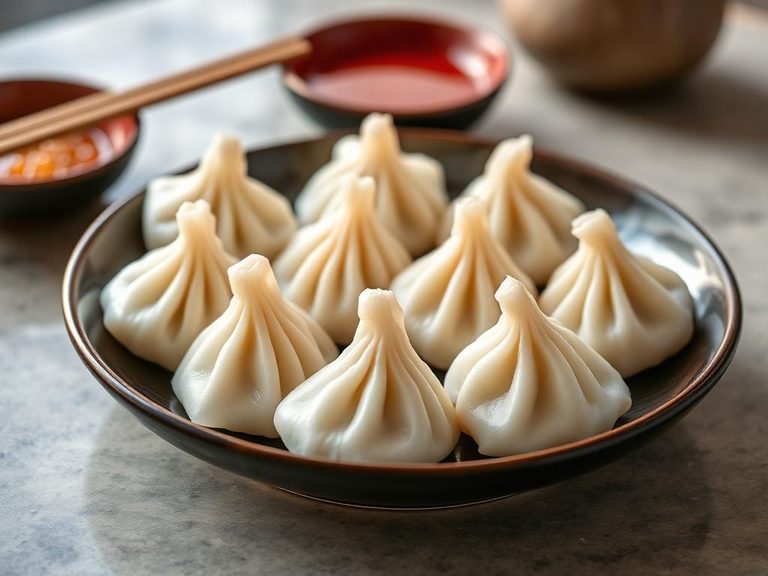
Shiratamako are soft, chewy dumplings made from glutinous rice flour, known for their distinctive bouncy texture and sweet, mild flavor. They are a popular ingredient in Japanese desserts, often served in soups, with sweet bean paste, or in warm broths. Originating from Japan, they are a staple in both traditional and modern confectionery.
🍳 View the full Shiratamako recipe →
🍽️ Nutrition at a glance
Shiratamako is high in carbohydrates, primarily from the rice flour, providing quick energy but minimal protein or fat. A typical serving of about 100 grams contains roughly 150-200 calories, with key nutrients including small amounts of iron and B vitamins.
Nutrition breakdown
| Calories | 210 kcal |
| Protein | 3 g |
| Carbs | 48 g |
| Fat | 0 g |
| Fiber | 0.5 g |
| Sugar | 0 g |
| Sodium | 5 mg |
| Iron | 0.5 mg |
| Thiamin (B1) | 0.1 mg |
| Niacin (B3) | 1.5 mg |
| Folate | 10 mcg |
| Magnesium | 15 mg |
| Phosphorus | 40 mg |
| Manganese | 0.3 mg |
| Selenium | 2 mcg |
Per 8 pieces (120 g) · estimated, varies by recipe
💡 What's interesting
Culturally, shiratamako is a beloved treat during Japanese festivals and New Year celebrations, symbolizing good luck and togetherness. Its unique texture comes from the use of mochiko (glutinous rice flour), which creates a delightful chewiness that sets it apart from other rice-based foods.