

Beef, loin, top sirloin cap steak, boneless, separable lean only, trimmed to 1/8" fat, all grades, cooked, grilled
Whole food · Beef Products

Photo: Wikipedia
A top sirloin cap steak is a lean, flavorful cut from the hindquarter of the cow, prized for its robust beefy taste and a satisfying, slightly firm yet tender texture when grilled. Nutritionally, it's a protein powerhouse, delivering over 28 grams of protein per 100g with minimal fat and virtually no carbohydrates, making it an excellent choice for muscle maintenance and low-carb diets.
Calorie split: 62% protein · 2% carbs · 36% fat
↓ Full nutrition💚 Why it's loved
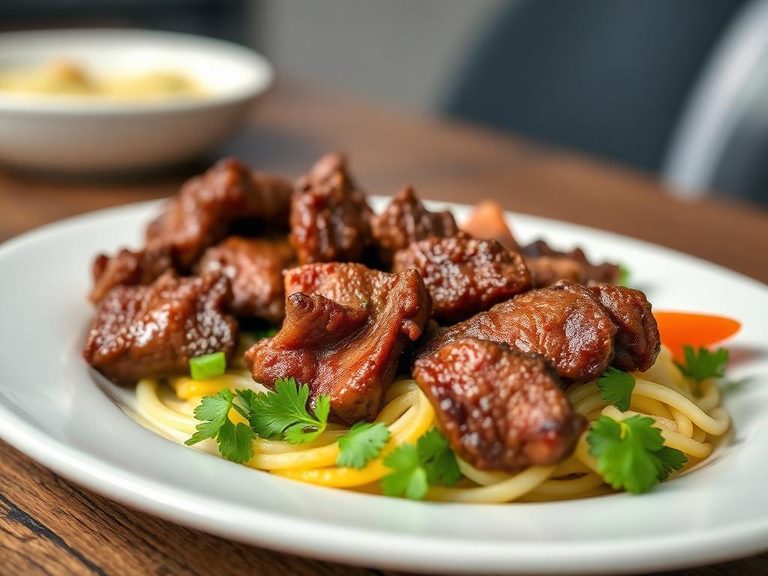
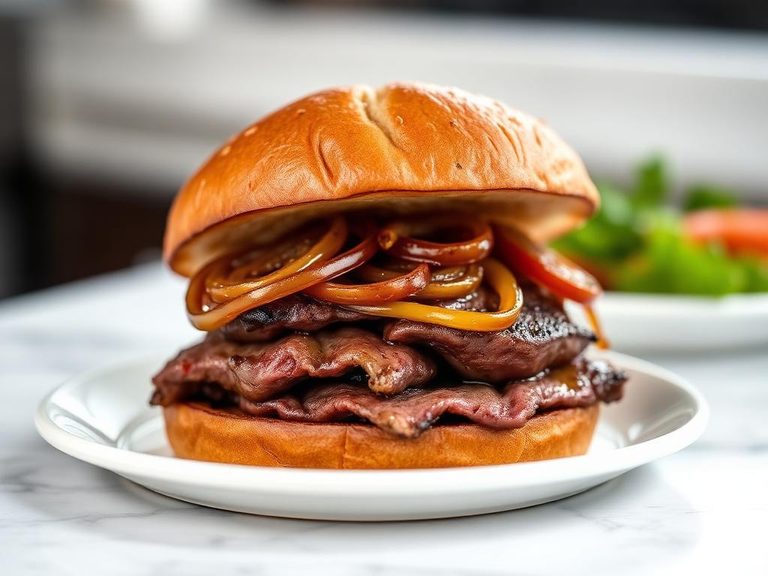
People love this cut for its deep, savory flavor and satisfying chew, which stands up beautifully to grilling without needing heavy sauces. It's also celebrated for its versatility, easily transitioning from a simple grilled steak to a centerpiece in salads, sandwiches, or stir-fries.
⚠️ Watch-outs & how to enjoy it better
Because it's a lean cut, overcooking can make it tough and dry, which is a common complaint. To counteract this, use a meat thermometer to cook to medium-rare or medium, and consider marinating briefly or slicing against the grain after resting to maximize tenderness.
Key benefits
- Excellent source of high-quality protein for muscle repair and satiety
- Very low in carbohydrates, suitable for ketogenic and low-carb diets
- Provides essential minerals like iron and zinc for immune function
- Contains B vitamins, particularly B12, crucial for nerve health and energy metabolism
- Lean cut with relatively low fat content compared to other steaks
🍽️ Popular dishes
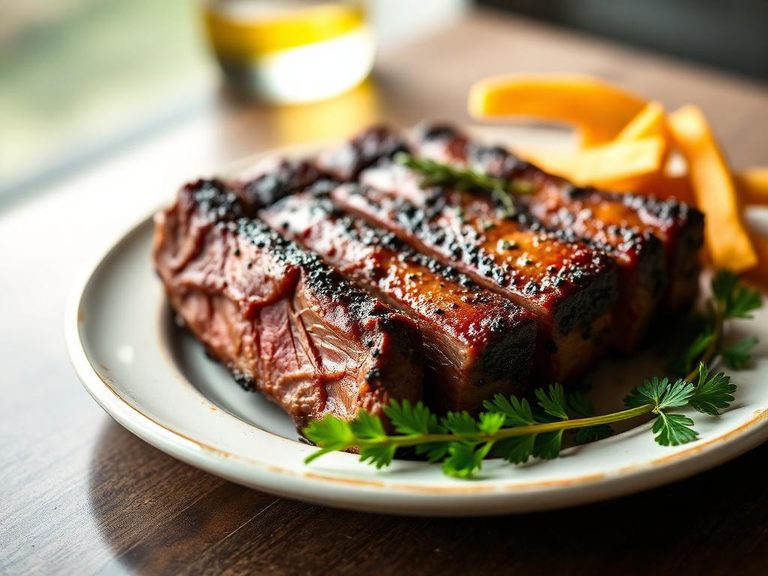
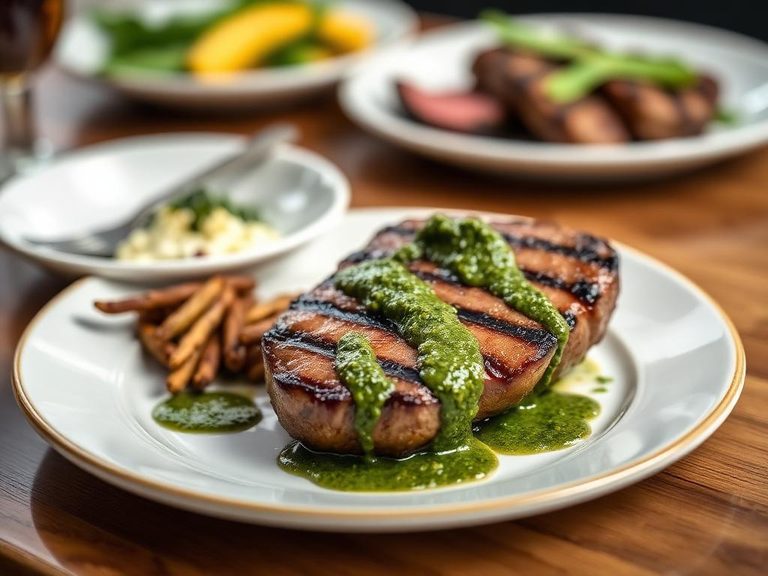
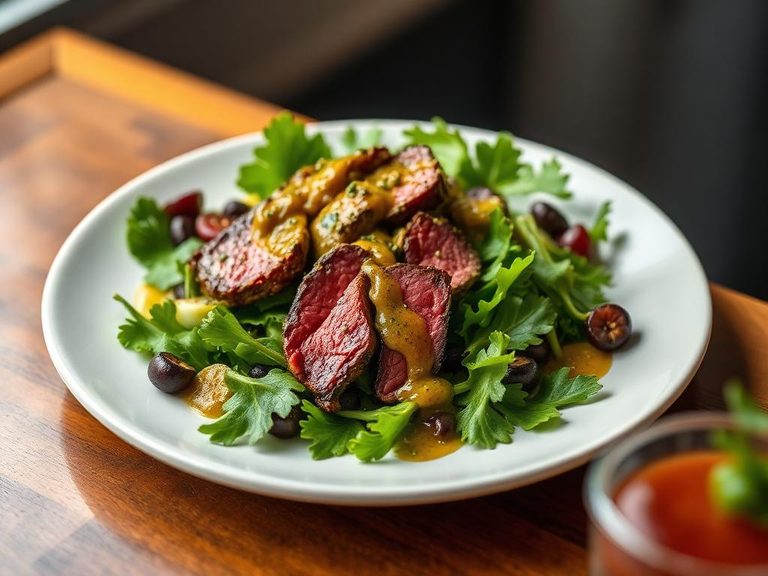
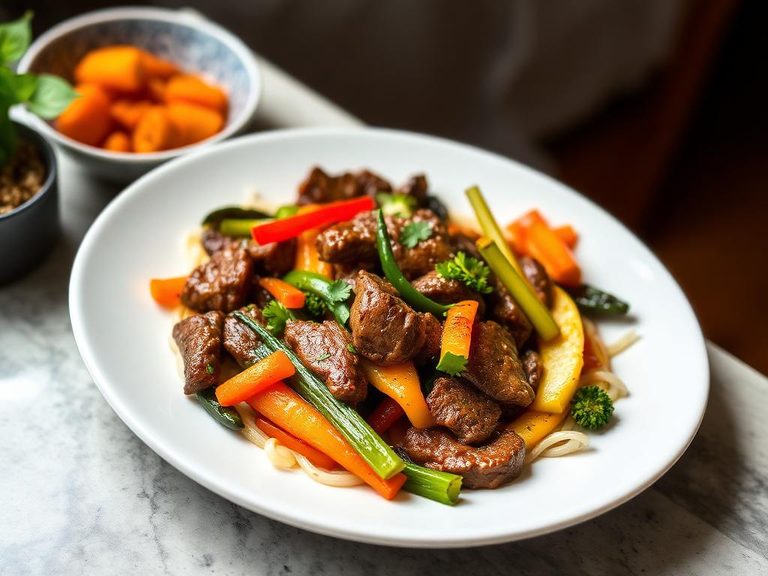
🌍 Where it's eaten
💡 Did you know?
The top sirloin cap is also known as the 'picanha' in Brazilian cuisine, where it's considered the king of steaks and is traditionally grilled on a skewer over an open flame, often seasoned only with coarse salt to highlight its natural flavor.
Full nutrition (USDA data · scales with serving)
| Water | 62.6 g |
| Energy | 181 kcal |
| Energy | 757 kj |
| Protein | 28.3 g |
| Total lipid (fat) | 7.2 g |
| Ash | 1.2 g |
| Carbohydrate, by difference | 0.73 g |
| Fiber, total dietary | 0.00 g |
| Total Sugars | 0.00 g |
| Calcium, Ca | 17.0 mg |
| Iron, Fe | 2.0 mg |
| Magnesium, Mg | 25.0 mg |
| Phosphorus, P | 232 mg |
| Potassium, K | 371 mg |
| Sodium, Na | 62.0 mg |
| Zinc, Zn | 5.6 mg |
| Copper, Cu | 0.09 mg |
| Selenium, Se | 35.3 ug |
| Vitamin C, total ascorbic acid | 0.00 mg |
| Thiamin | 0.07 mg |
| Riboflavin | 0.13 mg |
| Niacin | 7.4 mg |
| Vitamin B-6 | 0.53 mg |
| Folate, total | 7.0 ug |
| Folic acid | 0.00 ug |
| Folate, food | 7.0 ug |
| Folate, DFE | 7.0 ug |
| Vitamin B-12 | 2.7 ug |
| Vitamin B-12, added | 0.00 ug |
| Vitamin A, RAE | 2.0 ug |
| Retinol | 2.0 ug |
| Carotene, beta | 0.00 ug |
| Carotene, alpha | 0.00 ug |
| Cryptoxanthin, beta | 0.00 ug |
| Vitamin A, IU | 5.0 iu |
| Lycopene | 0.00 ug |
| Lutein + zeaxanthin | 0.00 ug |
| Vitamin D (D2 + D3), International Units | 4.0 iu |
| Vitamin D (D2 + D3) | 0.10 ug |
| Vitamin D3 (cholecalciferol) | 0.10 ug |
| Vitamin K (phylloquinone) | 1.6 ug |
| Alcohol, ethyl | 0.00 g |
| Caffeine | 0.00 mg |
| Theobromine | 0.00 mg |
Fat & fatty acid profile (per 100g)
| Fatty acids, total saturated | 2.7 g |
| SFA 4:0 | 0.00 g |
| SFA 6:0 | 0.00 g |
| SFA 8:0 | 0.00 g |
| SFA 10:0 | 0.00 g |
| SFA 12:0 | 0.01 g |
| SFA 14:0 | 0.18 g |
| SFA 16:0 | 1.5 g |
| SFA 17:0 | 0.07 g |
| SFA 18:0 | 0.87 g |
| SFA 20:0 | 0.00 g |
| SFA 24:0 | 0.01 g |
| Fatty acids, total monounsaturated | 3.4 g |
| MUFA 14:1 | 0.04 g |
| MUFA 16:1 | 0.25 g |
| MUFA 17:1 | 0.07 g |
| MUFA 18:1 | 3.0 g |
| MUFA 18:1 c | 2.7 g |
| MUFA 20:1 | 0.01 g |
| MUFA 22:1 | 0.00 g |
| Fatty acids, total polyunsaturated | 0.27 g |
| PUFA 18:2 | 0.20 g |
| PUFA 18:2 n-6 c,c | 0.18 g |
| PUFA 18:2 CLAs | 0.02 g |
| PUFA 18:3 | 0.02 g |
| PUFA 18:3 n-6 c,c,c | 0.02 g |
| PUFA 18:4 | 0.00 g |
| PUFA 20:2 n-6 c,c | 0.00 g |
| PUFA 20:4 | 0.04 g |
| PUFA 20:5 n-3 (EPA) | 0.00 g |
| PUFA 22:5 n-3 (DPA) | 0.01 g |
| PUFA 22:6 n-3 (DHA) | 0.00 g |
| Fatty acids, total trans | 0.35 g |
| Fatty acids, total trans-monoenoic | 0.35 g |
| TFA 18:1 t | 0.35 g |
| Cholesterol | 84.0 mg |
Amino acid profile (per 100g)
| Tryptophan | 0.35 g |
| Threonine | 1.5 g |
| Isoleucine | 1.4 g |
| Leucine | 2.7 g |
| Lysine | 3.0 g |
| Methionine | 0.82 g |
| Cystine | 0.31 g |
| Phenylalanine | 1.2 g |
| Tyrosine | 1.2 g |
| Valine | 1.5 g |
| Arginine | 2.1 g |
| Histidine | 1.1 g |
| Alanine | 1.8 g |
| Aspartic acid | 3.0 g |
| Glutamic acid | 5.0 g |
| Glycine | 1.3 g |
| Proline | 1.3 g |
| Serine | 1.3 g |
| Hydroxyproline | 0.14 g |
FAQ
How does the top sirloin cap compare to other steak cuts in terms of tenderness?
The top sirloin cap is moderately tender, more so than tougher cuts like flank or skirt steak, but less tender than premium cuts like filet mignon. Its tenderness improves with proper cooking and slicing against the grain.
Is this cut suitable for people watching their cholesterol levels?
While it's a lean cut, it does contain some saturated fat. For those monitoring cholesterol, it's advisable to trim any visible fat and consume in moderation as part of a balanced diet rich in fruits, vegetables, and whole grains.
What's the best way to cook this steak to avoid it becoming tough?
Grilling or broiling to medium-rare (135°F internal temperature) is ideal. Let the steak rest for 5-10 minutes after cooking to allow juices to redistribute, and always slice against the grain to break up muscle fibers for a more tender bite.
Nutrient density (calculated · NRF9.3)
Nutrient Rich Foods index: beneficial nutrients (protein, fiber, vitamins, minerals) minus saturated fat, added sugar & sodium, per 100 kcal.
NRF9.3 index — Fulgoni, Keast & Drewnowski, 2009. Computed from USDA nutrients.
Weight-loss friendliness (composite index)
Energy density 1.81 kcal/g · 62% calories from protein · 0.0 g fiber · 0.0 g sugar per 100 g.
Composite of energy density (Rolls et al., 1999), protein & fiber satiety, minus sugar. A calculated heuristic — ranks satiety-per-calorie, not a clinical measure.
Dietary load (calculated from USDA values)
Potential renal acid load. Positive = acid-forming, negative = alkaline-forming.
Sodium-to-potassium ratio: 0.17 (lower is better — aim for ≤ 1)
Sodium:potassium per WHO potassium guidance. Computed from USDA nutrients.