Grape juice, canned or bottled, unsweetened, with added ascorbic acid and calcium
Whole food · Fruits and Fruit Juices

Photo: Wikipedia
This is a clear, ruby-red or pale-gold beverage made from concentrated grape juice, preserved in a can or bottle and fortified with vitamin C and calcium. It delivers a straightforward, sweet grape flavor without added sugars, with a smooth, thin texture. Nutritionally, it's a concentrated source of quick energy from natural fruit sugars, with the added benefit of calcium for bone health.
💚 Why it's loved
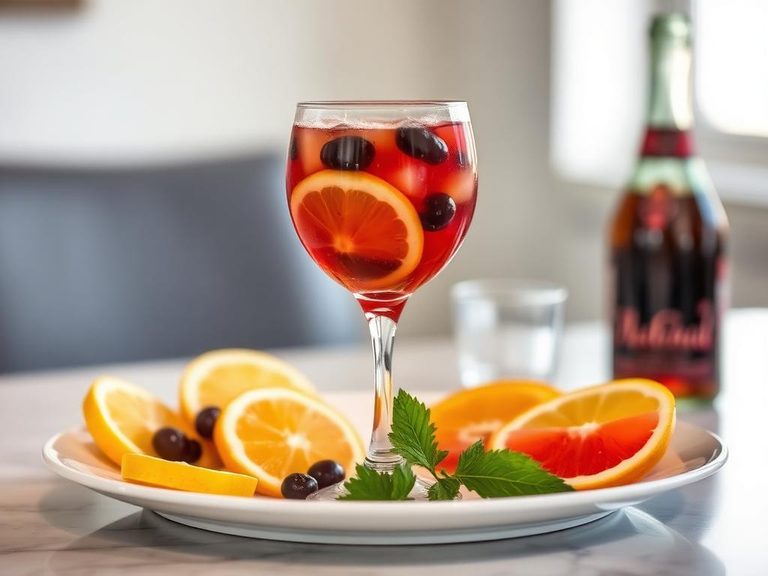
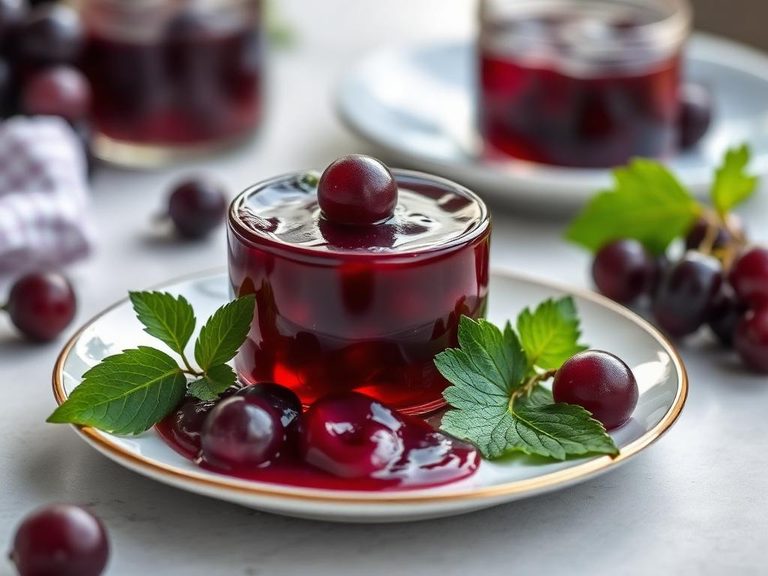
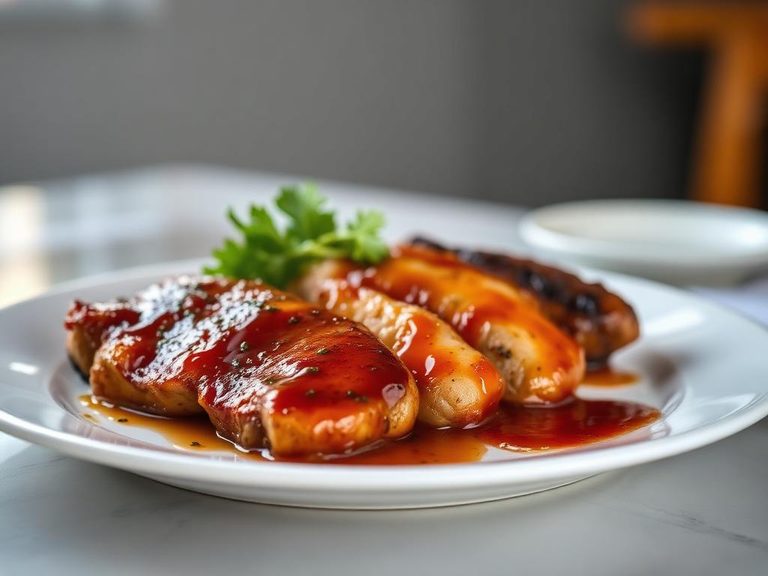
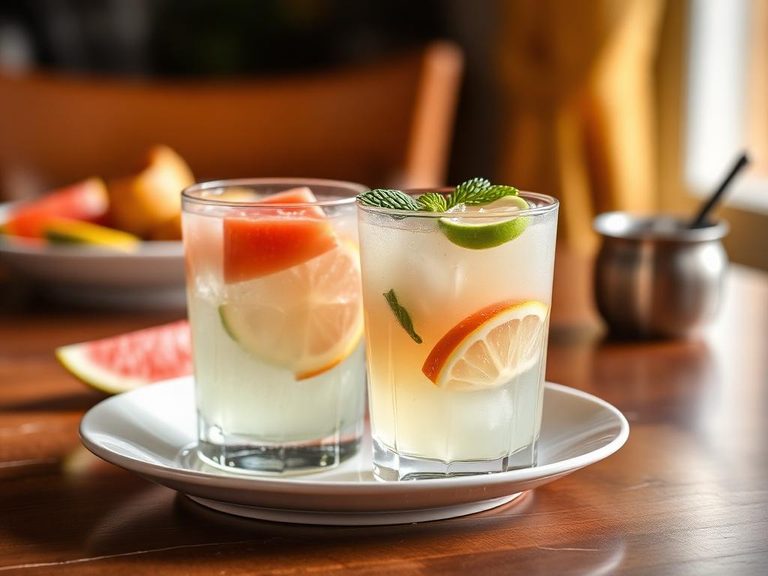
People love it for its pure, nostalgic grape flavor and refreshing, thirst-quenching quality. It's a versatile staple, enjoyed chilled on its own, as a base for cocktails and mocktails, or as a quick sweetener in sauces and marinades.
⚠️ Watch-outs & how to enjoy it better
Despite being unsweetened, its high natural sugar content (over 14g per 100g) can cause rapid blood-sugar spikes, making it a concern for individuals managing diabetes or insulin resistance. To counteract this, pair it with a source of protein or healthy fat (like a handful of nuts) to slow sugar absorption, or dilute it with sparkling water to reduce the glycemic load per serving. It is also very acidic, which can erode tooth enamel; rinsing your mouth with water afterward can help.
Key benefits
- Provides a quick source of natural carbohydrates for energy.
- Fortified with calcium to support bone and dental health.
- Contains added ascorbic acid (vitamin C) for immune support and as a preservative.
- Offers a no-added-sugar alternative to many sweetened beverages.
- Convenient and shelf-stable for long-term storage.
🍽️ Popular dishes
🌍 Where it's eaten
💡 Did you know?
The calcium added to this juice is often calcium citrate malate, a compound with exceptionally high bioavailability, meaning your body can absorb and use it more efficiently than the calcium found in some other fortified foods.
Full nutrition (scales with serving)
| Water | 84.5 g |
| Energy | 62.0 kcal |
| Energy | 258 kj |
| Protein | 0.37 g |
| Total lipid (fat) | 0.13 g |
| Ash | 0.22 g |
| Carbohydrate, by difference | 14.8 g |
| Fiber, total dietary | 0.20 g |
| Total Sugars | 14.2 g |
| Sucrose | 0.04 g |
| Glucose | 6.8 g |
| Fructose | 7.4 g |
| Lactose | 0.00 g |
| Maltose | 0.00 g |
| Galactose | 0.00 g |
| Calcium, Ca | 42.0 mg |
| Iron, Fe | 0.25 mg |
| Magnesium, Mg | 10.0 mg |
| Phosphorus, P | 14.0 mg |
| Potassium, K | 104 mg |
| Sodium, Na | 5.0 mg |
| Zinc, Zn | 0.07 mg |
| Copper, Cu | 0.02 mg |
| Manganese, Mn | 0.24 mg |
| Selenium, Se | 0.00 ug |
| Fluoride, F | 138 ug |
| Vitamin C, total ascorbic acid | 25.0 mg |
| Thiamin | 0.02 mg |
| Riboflavin | 0.01 mg |
| Niacin | 0.13 mg |
| Pantothenic acid | 0.05 mg |
| Vitamin B-6 | 0.03 mg |
| Folate, total | 0.00 ug |
| Folic acid | 0.00 ug |
| Folate, food | 0.00 ug |
| Folate, DFE | 0.00 ug |
| Choline, total | 3.2 mg |
| Betaine | 0.20 mg |
| Vitamin B-12 | 0.00 ug |
| Vitamin B-12, added | 0.00 ug |
| Vitamin A, RAE | 0.00 ug |
| Retinol | 0.00 ug |
| Carotene, beta | 5.0 ug |
| Carotene, alpha | 0.00 ug |
| Cryptoxanthin, beta | 0.00 ug |
| Vitamin A, IU | 8.0 iu |
| Lycopene | 0.00 ug |
| Lutein + zeaxanthin | 57.0 ug |
| Vitamin E (alpha-tocopherol) | 0.00 mg |
| Vitamin E, added | 0.00 mg |
| Tocopherol, beta | 0.00 mg |
| Tocopherol, gamma | 0.00 mg |
| Tocopherol, delta | 0.00 mg |
| Tocotrienol, alpha | 0.00 mg |
| Tocotrienol, beta | 0.00 mg |
| Tocotrienol, gamma | 0.00 mg |
| Vitamin D (D2 + D3), International Units | 0.00 iu |
| Vitamin D (D2 + D3) | 0.00 ug |
| Vitamin K (phylloquinone) | 0.40 ug |
| Alcohol, ethyl | 0.00 g |
| Caffeine | 0.00 mg |
| Theobromine | 0.00 mg |
Fat & fatty acid profile (per 100g)
| Fatty acids, total saturated | 0.03 g |
| SFA 4:0 | 0.00 g |
| SFA 6:0 | 0.00 g |
| SFA 8:0 | 0.00 g |
| SFA 10:0 | 0.00 g |
| SFA 12:0 | 0.00 g |
| SFA 14:0 | 0.00 g |
| SFA 16:0 | 0.02 g |
| SFA 18:0 | 0.00 g |
| Fatty acids, total monounsaturated | 0.00 g |
| MUFA 16:1 | 0.00 g |
| MUFA 18:1 | 0.00 g |
| MUFA 20:1 | 0.00 g |
| MUFA 22:1 | 0.00 g |
| Fatty acids, total polyunsaturated | 0.02 g |
| PUFA 18:2 | 0.02 g |
| PUFA 18:3 | 0.01 g |
| PUFA 18:4 | 0.00 g |
| PUFA 20:4 | 0.00 g |
| PUFA 20:5 n-3 (EPA) | 0.00 g |
| PUFA 22:5 n-3 (DPA) | 0.00 g |
| PUFA 22:6 n-3 (DHA) | 0.00 g |
| Fatty acids, total trans | 0.00 g |
| Cholesterol | 0.00 mg |
Amino acid profile (per 100g)
| Threonine | 0.02 g |
| Isoleucine | 0.01 g |
| Leucine | 0.01 g |
| Lysine | 0.01 g |
| Methionine | 0.00 g |
| Phenylalanine | 0.01 g |
| Tyrosine | 0.00 g |
| Valine | 0.01 g |
| Arginine | 0.05 g |
| Histidine | 0.01 g |
| Alanine | 0.09 g |
| Aspartic acid | 0.02 g |
| Glutamic acid | 0.11 g |
| Glycine | 0.01 g |
| Proline | 0.02 g |
| Serine | 0.01 g |
FAQ
Is this juice the same as '100% juice'?
Yes, the 'unsweetened' label means no sugars are added. However, it's typically made from concentrate (reconstituted with water), unlike 'not from concentrate' juices which are pasteurized and bottled directly.
Why is calcium added to fruit juice?
Calcium is added as a nutritional fortifier to boost the drink's calcium content, which is naturally low in most fruit juices. It's often included to appeal to consumers seeking bone-health benefits.
Does the added vitamin C change the taste?
Ascorbic acid is vitamin C. In small amounts, it has a very mild, slightly tart taste that can enhance the perceived freshness of the juice, but it doesn't significantly alter the primary grape flavor.