

Peas, green, frozen, cooked, boiled, drained, with salt
Whole food · Vegetables and Vegetable Products
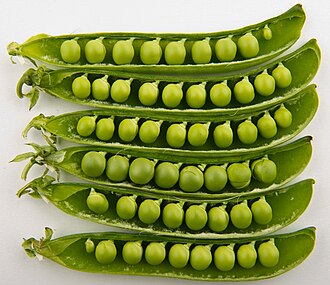
Photo: Wikipedia
These are garden peas harvested at their peak, flash-frozen to lock in a vibrant green hue and a sweet, starchy pop. Each bite offers a tender yet firm texture with a clean, vegetal sweetness. Nutritionally, they are a standout source of plant-based protein and dietary fiber for a vegetable.
Calorie split: 26% protein · 71% carbs · 3% fat
↓ Full nutrition💚 Why it's loved
People love them for their burst of natural sweetness and satisfying pop, which elevates everything from simple sides to complex mains. They are a kitchen staple due to their year-round availability, convenience, and ability to complement both rich and delicate flavors.
⚠️ Watch-outs & how to enjoy it better
The primary concern is the added salt, which can contribute to excessive sodium intake. To counteract this, look for 'no salt added' versions or rinse them briefly after cooking. Their carbohydrate content, while nutritious, means those monitoring blood sugar should be mindful of portion size and pair them with a protein or healthy fat.
Key benefits
- Excellent source of plant-based protein.
- High in dietary fiber for digestive health.
- Rich in vitamins like K and C.
- Contains antioxidants like lutein and zeaxanthin.
- Low in fat and naturally cholesterol-free.
🍽️ Popular dishes
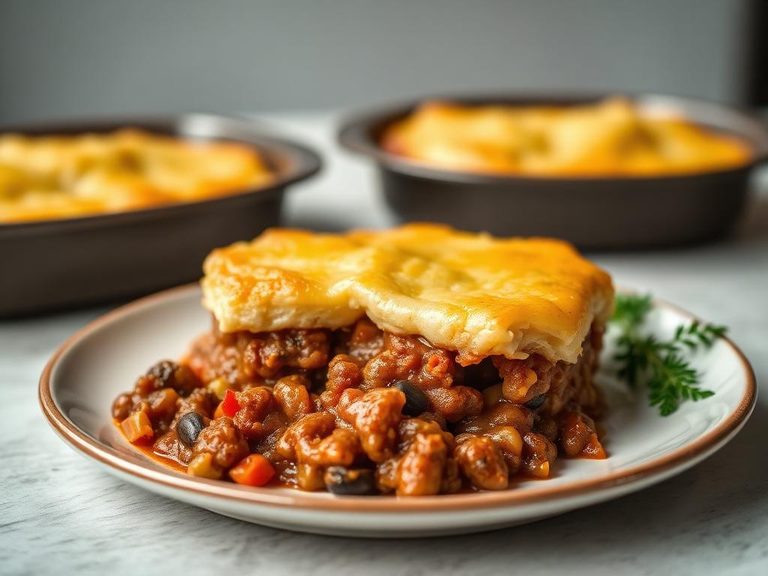
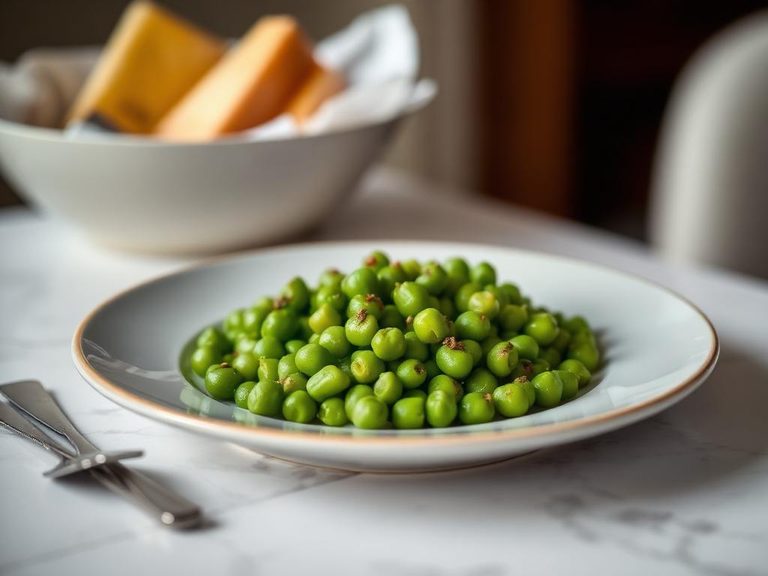
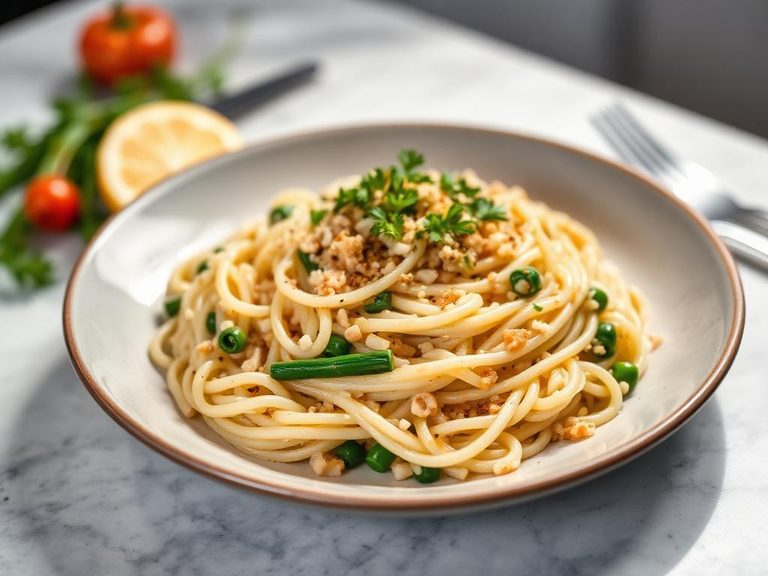
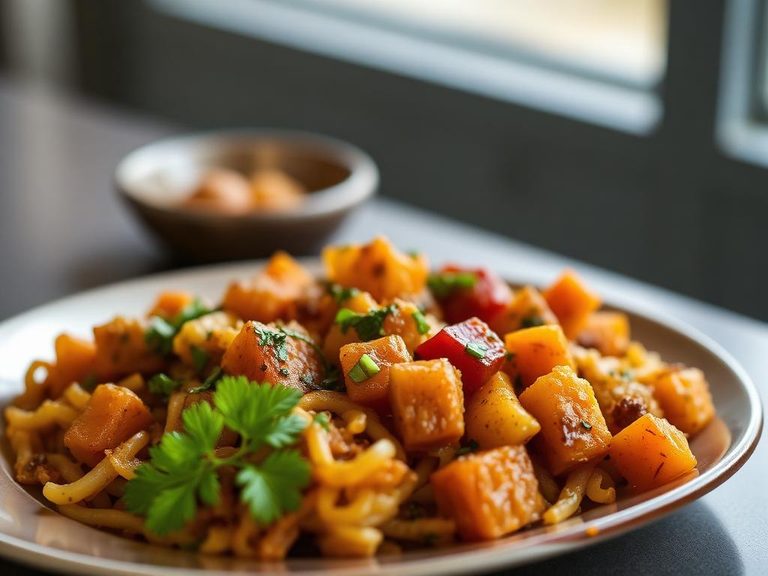
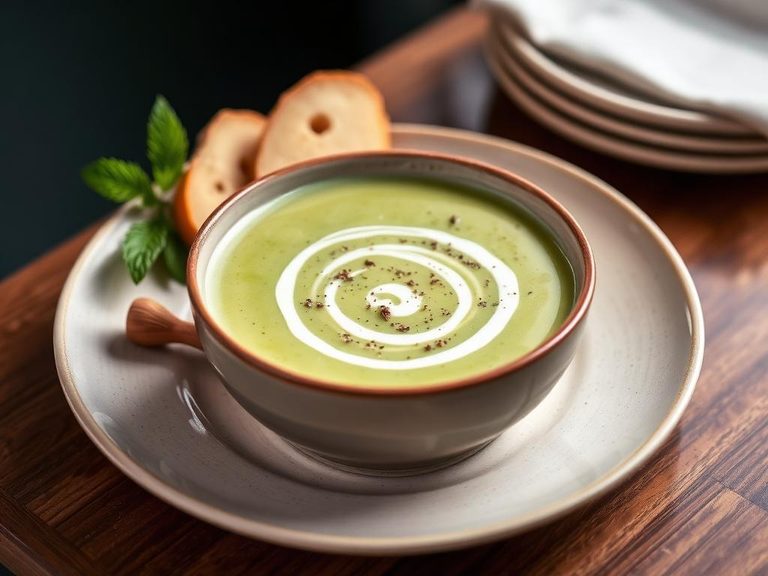
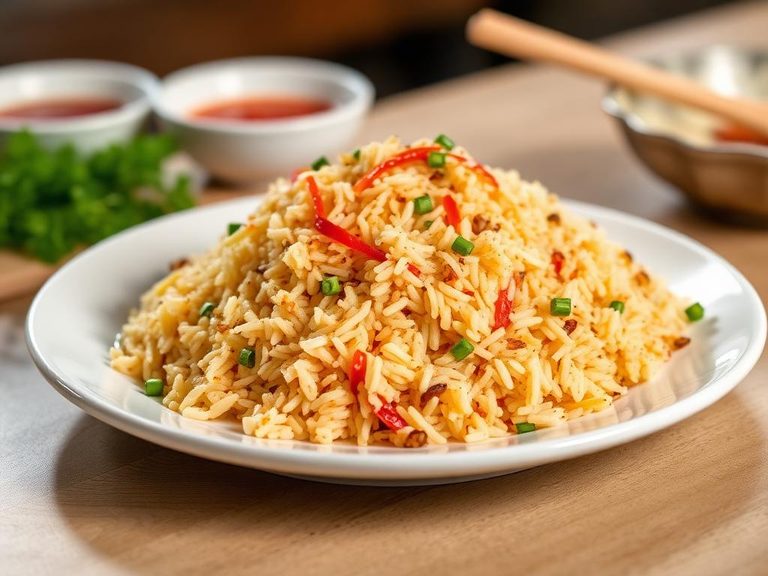
🌍 Where it's eaten
💡 Did you know?
The 'pea shoot' or tendril is a separate, trendy ingredient in modern cuisine, but the classic frozen pea itself was popularized in the 1920s by Clarence Birdseye, whose flash-freezing process revolutionized how we preserve vegetables.
Full nutrition (USDA data · scales with serving)
| Water | 79.5 g |
| Energy | 78.0 kcal |
| Energy | 326 kj |
| Protein | 5.2 g |
| Total lipid (fat) | 0.27 g |
| Ash | 0.80 g |
| Carbohydrate, by difference | 14.3 g |
| Fiber, total dietary | 4.5 g |
| Total Sugars | 4.4 g |
| Sucrose | 4.1 g |
| Glucose | 0.11 g |
| Fructose | 0.13 g |
| Lactose | 0.00 g |
| Maltose | 0.10 g |
| Galactose | 0.00 g |
| Calcium, Ca | 24.0 mg |
| Iron, Fe | 1.5 mg |
| Magnesium, Mg | 22.0 mg |
| Phosphorus, P | 77.0 mg |
| Potassium, K | 110 mg |
| Sodium, Na | 323 mg |
| Zinc, Zn | 0.67 mg |
| Copper, Cu | 0.10 mg |
| Manganese, Mn | 0.28 mg |
| Selenium, Se | 1.0 ug |
| Vitamin C, total ascorbic acid | 9.9 mg |
| Thiamin | 0.28 mg |
| Riboflavin | 0.10 mg |
| Niacin | 1.5 mg |
| Pantothenic acid | 0.14 mg |
| Vitamin B-6 | 0.11 mg |
| Folate, total | 59.0 ug |
| Folic acid | 0.00 ug |
| Folate, food | 59.0 ug |
| Folate, DFE | 59.0 ug |
| Choline, total | 27.5 mg |
| Betaine | 0.10 mg |
| Vitamin B-12 | 0.00 ug |
| Vitamin B-12, added | 0.00 ug |
| Vitamin A, RAE | 105 ug |
| Retinol | 0.00 ug |
| Carotene, beta | 1250 ug |
| Carotene, alpha | 20.0 ug |
| Cryptoxanthin, beta | 0.00 ug |
| Vitamin A, IU | 2100 iu |
| Lutein + zeaxanthin | 2400 ug |
| Vitamin E (alpha-tocopherol) | 0.03 mg |
| Vitamin E, added | 0.00 mg |
| Tocopherol, beta | 0.00 mg |
| Tocopherol, gamma | 2.3 mg |
| Tocopherol, delta | 0.04 mg |
| Vitamin D (D2 + D3), International Units | 0.00 iu |
| Vitamin D (D2 + D3) | 0.00 ug |
| Vitamin K (phylloquinone) | 24.0 ug |
| Alcohol, ethyl | 0.00 g |
| Caffeine | 0.00 mg |
| Theobromine | 0.00 mg |
Fat & fatty acid profile (per 100g)
| Fatty acids, total saturated | 0.05 g |
| SFA 4:0 | 0.00 g |
| SFA 6:0 | 0.00 g |
| SFA 8:0 | 0.00 g |
| SFA 10:0 | 0.00 g |
| SFA 12:0 | 0.00 g |
| SFA 14:0 | 0.00 g |
| SFA 16:0 | 0.04 g |
| SFA 18:0 | 0.01 g |
| Fatty acids, total monounsaturated | 0.02 g |
| MUFA 16:1 | 0.00 g |
| MUFA 18:1 | 0.02 g |
| MUFA 20:1 | 0.00 g |
| MUFA 22:1 | 0.00 g |
| Fatty acids, total polyunsaturated | 0.13 g |
| PUFA 18:2 | 0.10 g |
| PUFA 18:3 | 0.02 g |
| PUFA 18:4 | 0.00 g |
| PUFA 20:4 | 0.00 g |
| Fatty acids, total trans | 0.00 g |
| Cholesterol | 0.00 mg |
Amino acid profile (per 100g)
| Tryptophan | 0.04 g |
| Threonine | 0.19 g |
| Isoleucine | 0.18 g |
| Leucine | 0.31 g |
| Lysine | 0.30 g |
| Methionine | 0.08 g |
| Cystine | 0.03 g |
| Phenylalanine | 0.19 g |
| Tyrosine | 0.11 g |
| Valine | 0.22 g |
| Arginine | 0.41 g |
| Histidine | 0.10 g |
| Alanine | 0.23 g |
| Aspartic acid | 0.47 g |
| Glutamic acid | 0.70 g |
| Glycine | 0.17 g |
| Proline | 0.17 g |
| Serine | 0.17 g |
FAQ
Are frozen peas as nutritious as fresh?
Often, yes. Peas are typically flash-frozen within hours of harvest, which preserves their nutrients, including vitamins and antioxidants, better than 'fresh' peas that may travel long distances and sit on shelves.
Why are my boiled peas sometimes mushy?
Overcooking is the main cause. For a tender-crisp texture, boil them for just 2-4 minutes until heated through. For frozen peas, you can often just microwave them or add them directly to hot dishes to warm through.
Do I need to thaw frozen peas before cooking?
For most uses like boiling, steaming, or adding to soups and stir-fries, no. You can cook them directly from frozen. Thawing is only necessary if you plan to blend them into a smooth purée or use them in a salad.
Nutrient density (calculated · NRF9.3)
Nutrient Rich Foods index: beneficial nutrients (protein, fiber, vitamins, minerals) minus saturated fat, added sugar & sodium, per 100 kcal.
NRF9.3 index — Fulgoni, Keast & Drewnowski, 2009. Computed from USDA nutrients.
Weight-loss friendliness (composite index)
Energy density 0.78 kcal/g · 26% calories from protein · 4.5 g fiber · 4.4 g sugar per 100 g.
Composite of energy density (Rolls et al., 1999), protein & fiber satiety, minus sugar. A calculated heuristic — ranks satiety-per-calorie, not a clinical measure.
Dietary load (calculated from USDA values)
Potential renal acid load. Positive = acid-forming, negative = alkaline-forming.
Sodium-to-potassium ratio: 2.94 (lower is better — aim for ≤ 1)
Sodium:potassium per WHO potassium guidance. Computed from USDA nutrients.