

Orange juice, chilled, includes from concentrate
Whole food · Fruits and Fruit Juices
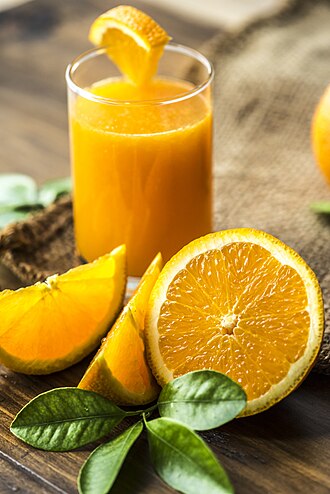
Photo: Wikipedia
This is a classic, refreshing beverage made from reconstituted orange concentrate, chilled to a crisp, cool temperature. Its taste is a bright, sweet-tart balance with a smooth, thin liquid texture that's instantly thirst-quenching. Nutritionally, it's a standout source of vitamin C and provides quick, natural carbohydrates for an energy lift.
Calorie split: 5% protein · 92% carbs · 2% fat
↓ Full nutrition💚 Why it's loved
People love its instantly recognizable, cheerful flavor that evokes sunny mornings and childhood breakfasts. Its versatility makes it a staple for everything from a standalone drink to a base for smoothies, cocktails, and marinades.
⚠️ Watch-outs & how to enjoy it better
The high natural sugar content can cause a rapid blood-sugar spike, especially when consumed alone. To counteract this, pair it with a source of protein or healthy fat (like eggs, yogurt, or nuts) to slow sugar absorption, or limit the portion to about 4-6 ounces.
Key benefits
- Excellent source of immune-supporting vitamin C
- Provides quick, natural energy from fruit sugars
- Contains potassium for fluid balance
- Hydrating with high water content
- Offers some folate and antioxidants
🍽️ Popular dishes

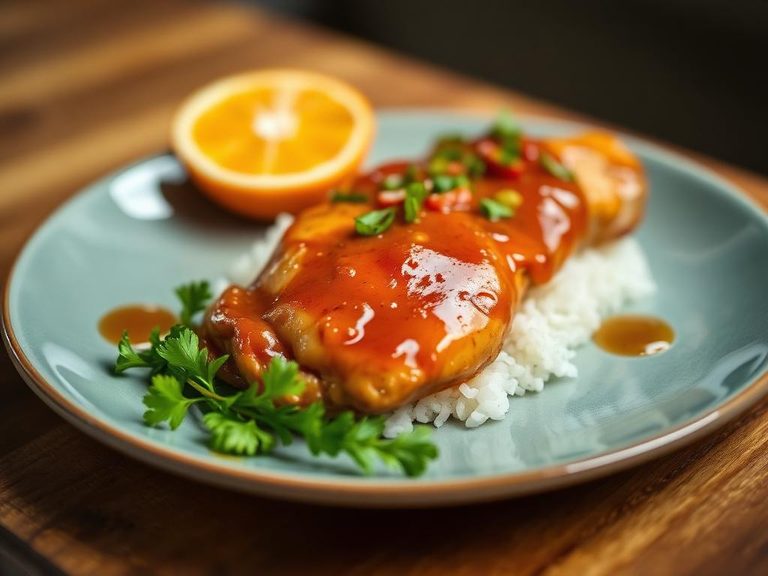
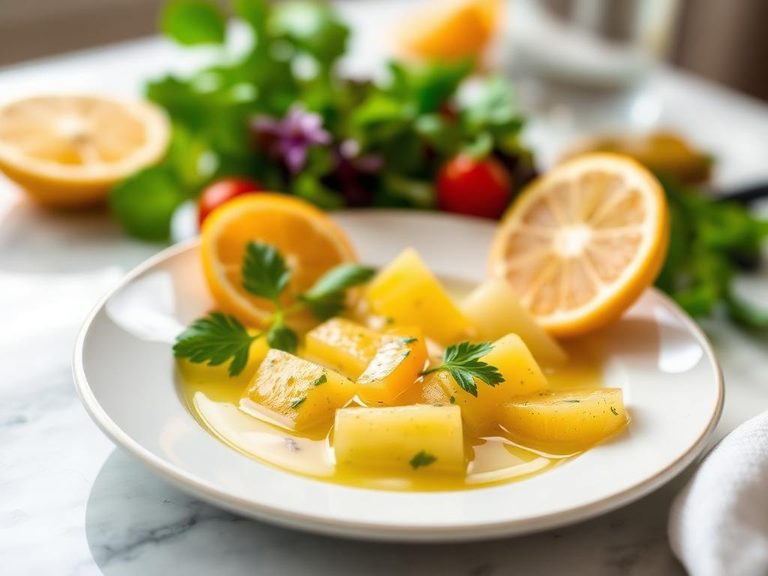
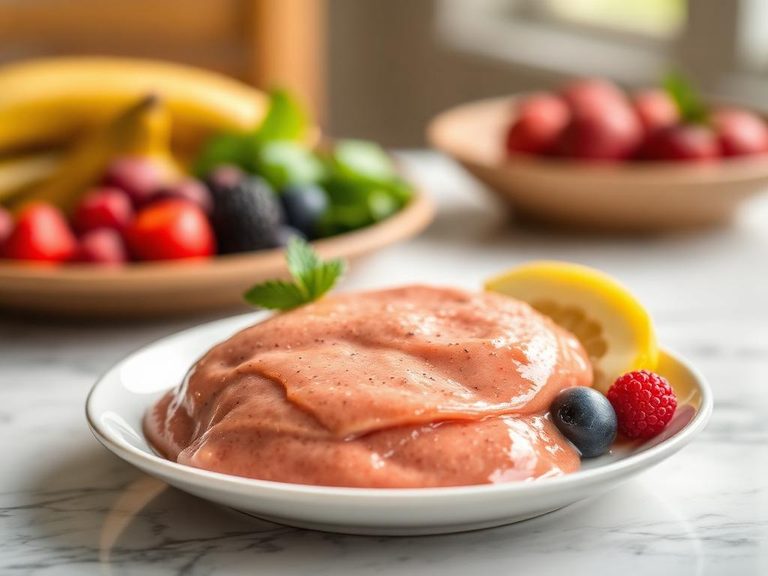
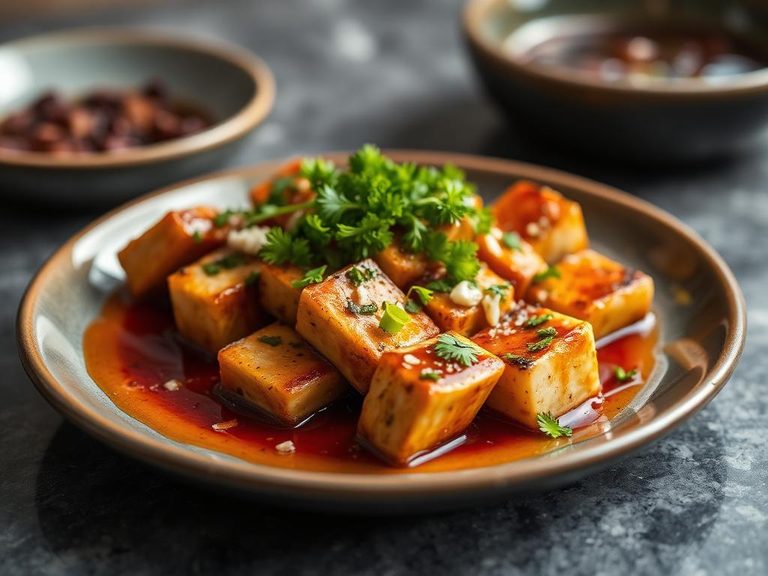
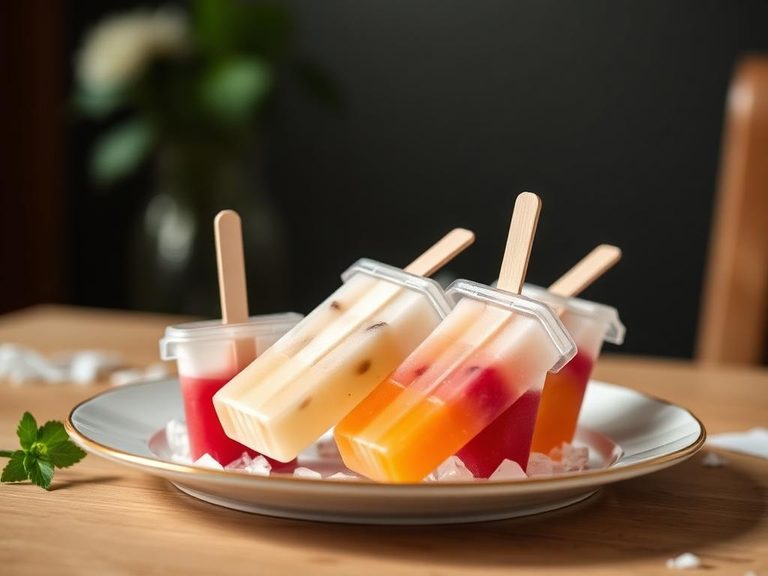
🌍 Where it's eaten
💡 Did you know?
The process for making frozen orange juice concentrate was developed in the 1940s to provide a stable, transportable source of vitamin C for Allied troops during World War II.
Full nutrition (USDA data · scales with serving)
| Water | 87.2 g |
| Energy | 49.0 kcal |
| Energy | 203 kj |
| Protein | 0.68 g |
| Total lipid (fat) | 0.12 g |
| Ash | 0.43 g |
| Carbohydrate, by difference | 11.5 g |
| Fiber, total dietary | 0.30 g |
| Total Sugars | 8.3 g |
| Sucrose | 4.0 g |
| Glucose | 2.1 g |
| Fructose | 2.2 g |
| Lactose | 0.00 g |
| Maltose | 0.00 g |
| Galactose | 0.00 g |
| Calcium, Ca | 11.0 mg |
| Iron, Fe | 0.13 mg |
| Magnesium, Mg | 11.0 mg |
| Phosphorus, P | 17.0 mg |
| Potassium, K | 178 mg |
| Sodium, Na | 2.0 mg |
| Zinc, Zn | 0.07 mg |
| Copper, Cu | 0.04 mg |
| Manganese, Mn | 0.02 mg |
| Selenium, Se | 0.10 ug |
| Vitamin C, total ascorbic acid | 33.6 mg |
| Thiamin | 0.05 mg |
| Riboflavin | 0.04 mg |
| Niacin | 0.28 mg |
| Pantothenic acid | 0.20 mg |
| Vitamin B-6 | 0.08 mg |
| Folate, total | 19.0 ug |
| Folic acid | 0.00 ug |
| Folate, food | 19.0 ug |
| Folate, DFE | 19.0 ug |
| Choline, total | 6.2 mg |
| Betaine | 0.20 mg |
| Vitamin B-12 | 0.00 ug |
| Vitamin B-12, added | 0.00 ug |
| Vitamin A, RAE | 2.0 ug |
| Retinol | 0.00 ug |
| Carotene, beta | 8.0 ug |
| Carotene, alpha | 8.0 ug |
| Cryptoxanthin, beta | 27.0 ug |
| Vitamin A, IU | 42.0 iu |
| Lycopene | 0.00 ug |
| Lutein + zeaxanthin | 27.0 ug |
| Vitamin E (alpha-tocopherol) | 0.20 mg |
| Vitamin E, added | 0.00 mg |
| Vitamin D (D2 + D3), International Units | 0.00 iu |
| Vitamin D (D2 + D3) | 0.00 ug |
| Vitamin K (phylloquinone) | 0.00 ug |
| Vitamin K (Dihydrophylloquinone) | 0.00 ug |
| Alcohol, ethyl | 0.00 g |
| Caffeine | 0.00 mg |
| Theobromine | 0.00 mg |
Fat & fatty acid profile (per 100g)
| Fatty acids, total saturated | 0.01 g |
| SFA 4:0 | 0.00 g |
| SFA 6:0 | 0.00 g |
| SFA 8:0 | 0.00 g |
| SFA 10:0 | 0.00 g |
| SFA 12:0 | 0.00 g |
| SFA 14:0 | 0.00 g |
| SFA 16:0 | 0.01 g |
| SFA 18:0 | 0.00 g |
| Fatty acids, total monounsaturated | 0.02 g |
| MUFA 16:1 | 0.00 g |
| MUFA 18:1 | 0.02 g |
| MUFA 20:1 | 0.00 g |
| MUFA 22:1 | 0.00 g |
| Fatty acids, total polyunsaturated | 0.03 g |
| PUFA 18:2 | 0.02 g |
| PUFA 18:3 | 0.01 g |
| PUFA 18:4 | 0.00 g |
| PUFA 20:4 | 0.00 g |
| PUFA 20:5 n-3 (EPA) | 0.00 g |
| PUFA 22:5 n-3 (DPA) | 0.00 g |
| PUFA 22:6 n-3 (DHA) | 0.00 g |
| Fatty acids, total trans | 0.00 g |
| Cholesterol | 0.00 mg |
Amino acid profile (per 100g)
| Tryptophan | 0.00 g |
| Threonine | 0.01 g |
| Isoleucine | 0.00 g |
| Leucine | 0.01 g |
| Lysine | 0.02 g |
| Methionine | 0.00 g |
| Cystine | 0.00 g |
| Phenylalanine | 0.01 g |
| Tyrosine | 0.00 g |
| Valine | 0.01 g |
| Arginine | 0.08 g |
| Histidine | 0.00 g |
| Alanine | 0.02 g |
| Aspartic acid | 0.11 g |
| Glutamic acid | 0.04 g |
| Glycine | 0.01 g |
| Proline | 0.08 g |
| Serine | 0.02 g |
FAQ
Is chilled orange juice from concentrate as healthy as fresh-squeezed?
It is nutritionally very similar, especially in vitamin C content. The concentrate is reconstituted with water, and some brands may add back certain nutrients lost during processing. The main difference is often in the freshness of flavor and the absence of pulp in many concentrates.
Why does it sometimes taste different from fresh juice?
The pasteurization and concentration process can alter the volatile flavor compounds, leading to a slightly 'cooked' taste. Some brands add back 'essence' (natural flavor compounds) to restore a fresher taste profile.
Can I use it in cooking and baking?
Absolutely. It's a fantastic ingredient for marinades, glazes, salad dressings, and sauces where you want a concentrated citrus flavor. In baking, it can add moisture and flavor to cakes, muffins, and quick breads.
Nutrient density (calculated · NRF9.3)
Nutrient Rich Foods index: beneficial nutrients (protein, fiber, vitamins, minerals) minus saturated fat, added sugar & sodium, per 100 kcal.
NRF9.3 index — Fulgoni, Keast & Drewnowski, 2009. Computed from USDA nutrients.
Weight-loss friendliness (composite index)
Energy density 0.49 kcal/g · 6% calories from protein · 0.3 g fiber · 8.3 g sugar per 100 g.
Composite of energy density (Rolls et al., 1999), protein & fiber satiety, minus sugar. A calculated heuristic — ranks satiety-per-calorie, not a clinical measure.
Dietary load (calculated from USDA values)
Potential renal acid load. Positive = acid-forming, negative = alkaline-forming.
Sodium-to-potassium ratio: 0.01 (lower is better — aim for ≤ 1)
Sodium:potassium per WHO potassium guidance. Computed from USDA nutrients.