

Mayonnaise, reduced fat, with olive oil
Whole food · Fats and Oils

Photo: Wikipedia
Reduced-fat olive oil mayonnaise is a creamy, tangy condiment that swaps some traditional oil for olive oil, offering a lighter texture and a subtle fruity note. It delivers a rich, velvety mouthfeel with a pronounced tang, while its 40g of fat per 100g still makes it a calorie-dense choice. This version provides a slightly healthier fat profile than standard mayo, with monounsaturated fats from the olive oil.
Calorie split: 0% protein · 0% carbs · 100% fat
↓ Full nutrition💚 Why it's loved
People love it for its creamy, tangy flavor and versatile texture that enhances everything from sandwiches to salads. It offers a familiar comfort food taste with a slightly lighter, more nuanced olive oil character that feels indulgent yet less heavy.
⚠️ Watch-outs & how to enjoy it better
While lower in fat, it is still calorie-dense and high in fat, which can be a concern for those monitoring calorie intake or following very low-fat diets. It is also a common allergen (egg-based) and may contain added sodium; to counteract this, use it sparingly as a condiment rather than a base, pair it with high-fiber vegetables or lean proteins to balance the meal, and opt for low-sodium versions if available.
Key benefits
- Contains heart-healthy monounsaturated fats from olive oil
- Lower in total fat and calories than traditional full-fat mayonnaise
- Provides a creamy, rich texture without a heavy mouthfeel
- Suitable for those seeking a lighter alternative in sandwiches and salads
- Adds a subtle, fruity olive oil flavor to dishes
🍽️ Popular dishes
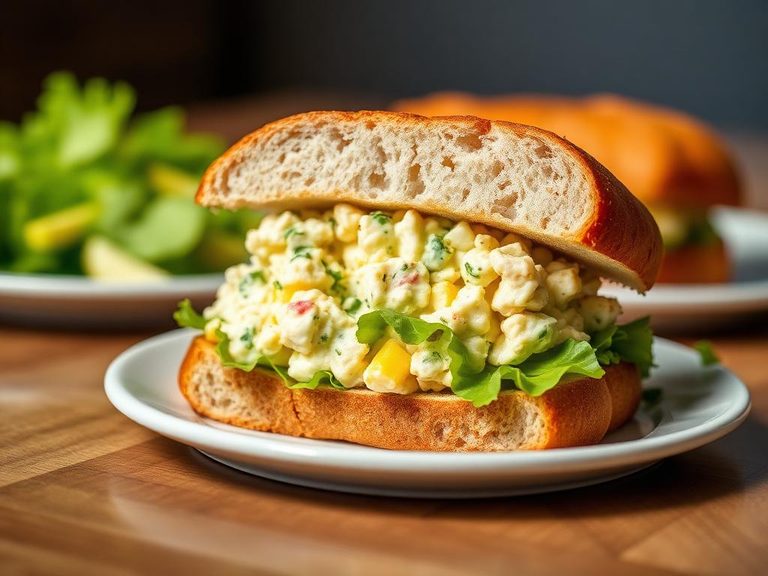
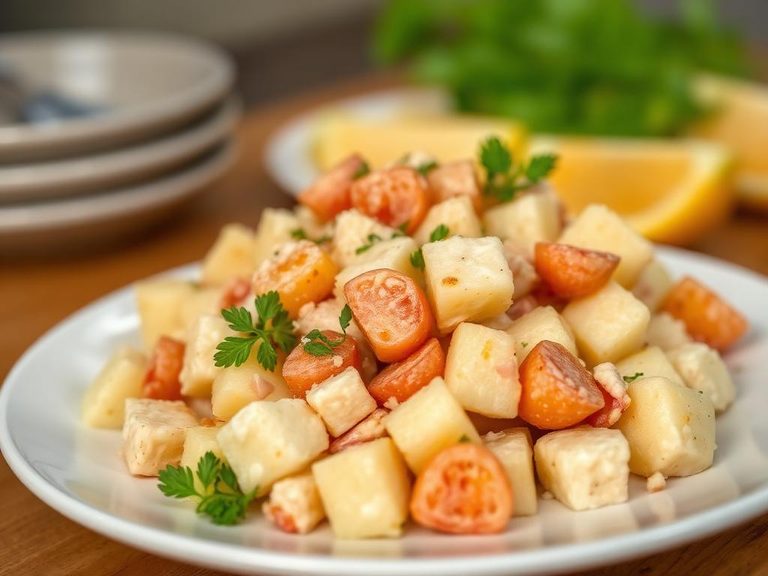
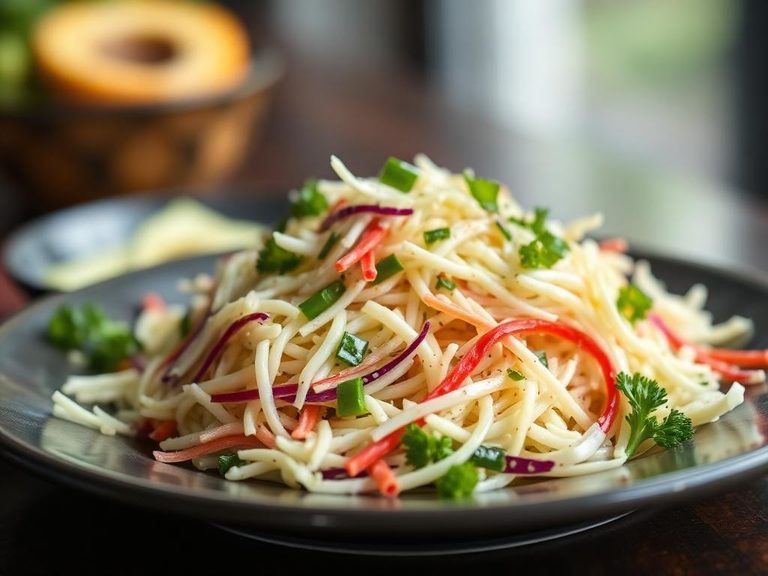
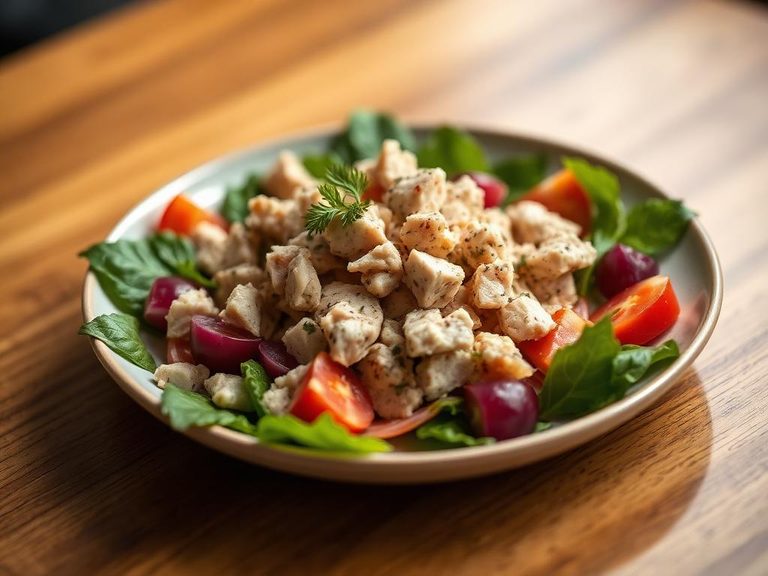

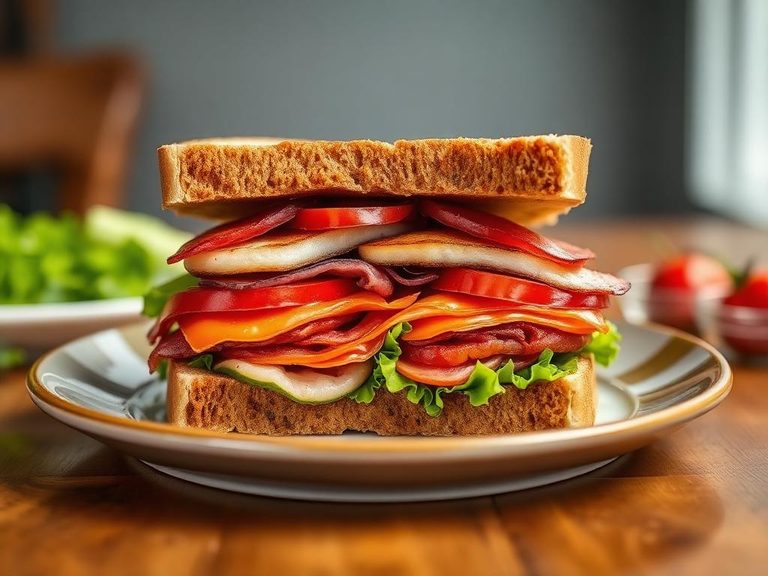
🌍 Where it's eaten
💡 Did you know?
Mayonnaise was originally a French sauce, but the reduced-fat version with olive oil is a modern twist that gained popularity in the 1990s as a healthier alternative, often marketed as a 'light' or 'olive oil' mayo to appeal to health-conscious consumers.
Full nutrition (USDA data · scales with serving)
| Water | 57.6 g |
| Energy | 361 kcal |
| Energy | 1512 kj |
| Protein | 0.37 g |
| Total lipid (fat) | 40.0 g |
| Ash | 2.0 g |
| Carbohydrate, by difference | 0.00 g |
| Fiber, total dietary | 0.00 g |
| Total Sugars | 0.00 g |
| Calcium, Ca | 0.00 mg |
| Iron, Fe | 0.00 mg |
| Magnesium, Mg | 2.0 mg |
| Phosphorus, P | 15.0 mg |
| Potassium, K | 31.0 mg |
| Sodium, Na | 800 mg |
| Zinc, Zn | 0.07 mg |
| Copper, Cu | 0.02 mg |
| Manganese, Mn | 0.01 mg |
| Selenium, Se | 2.3 ug |
| Vitamin C, total ascorbic acid | 0.00 mg |
| Thiamin | 0.01 mg |
| Riboflavin | 0.00 mg |
| Niacin | 0.01 mg |
| Pantothenic acid | 0.06 mg |
| Vitamin B-6 | 0.00 mg |
| Folate, total | 0.00 ug |
| Folic acid | 0.00 ug |
| Folate, food | 0.00 ug |
| Folate, DFE | 0.00 ug |
| Choline, total | 9.0 mg |
| Vitamin B-12 | 0.12 ug |
| Vitamin B-12, added | 0.00 ug |
| Vitamin A, RAE | 8.0 ug |
| Retinol | 5.0 ug |
| Carotene, beta | 30.0 ug |
| Carotene, alpha | 0.00 ug |
| Cryptoxanthin, beta | 3.0 ug |
| Vitamin A, IU | 70.0 iu |
| Lycopene | 0.00 ug |
| Lutein + zeaxanthin | 27.0 ug |
| Vitamin E (alpha-tocopherol) | 2.2 mg |
| Vitamin E, added | 0.00 mg |
| Vitamin D (D2 + D3), International Units | 0.00 iu |
| Vitamin D (D2 + D3) | 0.00 ug |
| Vitamin K (phylloquinone) | 53.7 ug |
| Alcohol, ethyl | 0.00 g |
| Caffeine | 0.00 mg |
| Theobromine | 0.00 mg |
Fat & fatty acid profile (per 100g)
| Fatty acids, total saturated | 5.4 g |
| SFA 4:0 | 0.00 g |
| SFA 6:0 | 0.00 g |
| SFA 8:0 | 0.00 g |
| SFA 10:0 | 0.00 g |
| SFA 12:0 | 0.00 g |
| SFA 14:0 | 0.02 g |
| SFA 15:0 | 0.01 g |
| SFA 16:0 | 4.4 g |
| SFA 17:0 | 0.02 g |
| SFA 18:0 | 0.79 g |
| SFA 20:0 | 0.07 g |
| SFA 22:0 | 0.07 g |
| SFA 24:0 | 0.02 g |
| Fatty acids, total monounsaturated | 29.5 g |
| MUFA 16:1 | 0.46 g |
| MUFA 18:1 | 29.0 g |
| MUFA 20:1 | 0.13 g |
| MUFA 22:1 | 0.00 g |
| MUFA 24:1 c | 0.00 g |
| Fatty acids, total polyunsaturated | 4.0 g |
| PUFA 18:2 | 3.7 g |
| PUFA 18:3 | 0.32 g |
| PUFA 18:4 | 0.00 g |
| PUFA 20:3 | 0.00 g |
| PUFA 20:4 | 0.00 g |
| PUFA 20:5 n-3 (EPA) | 0.00 g |
| PUFA 22:5 n-3 (DPA) | 0.00 g |
| PUFA 22:6 n-3 (DHA) | 0.00 g |
| Fatty acids, total trans | 0.00 g |
| Cholesterol | 33.0 mg |
Amino acid profile (per 100g)
Estimated from Salad dressing, mayonnaise, imitation, soybean without cholesterol — USDA does not publish this profile for Mayonnaise.
| Tryptophan | 0.00 g |
| Threonine | 0.00 g |
| Isoleucine | 0.00 g |
| Leucine | 0.00 g |
| Lysine | 0.00 g |
| Methionine | 0.00 g |
| Cystine | 0.00 g |
| Phenylalanine | 0.00 g |
| Tyrosine | 0.00 g |
| Valine | 0.00 g |
| Arginine | 0.00 g |
| Histidine | 0.00 g |
| Alanine | 0.00 g |
| Aspartic acid | 0.00 g |
| Glutamic acid | 0.00 g |
| Glycine | 0.00 g |
| Proline | 0.00 g |
| Serine | 0.00 g |
FAQ
Is reduced-fat olive oil mayonnaise healthier than regular mayonnaise?
It is lower in total fat and calories, and contains heart-healthy monounsaturated fats from olive oil, but it is still calorie-dense and high in fat, so it should be used in moderation.
Can I use it in baking?
Yes, it can be used in baking as a substitute for full-fat mayonnaise in recipes like cakes or muffins, but it may alter the texture and flavor slightly due to its lower fat content and olive oil taste.
Does it contain eggs?
Yes, mayonnaise is an egg-based condiment, so it contains eggs, which are a common allergen. Always check the label for specific ingredients if you have an egg allergy.
Nutrient density (calculated · NRF9.3)
Nutrient Rich Foods index: beneficial nutrients (protein, fiber, vitamins, minerals) minus saturated fat, added sugar & sodium, per 100 kcal.
NRF9.3 index — Fulgoni, Keast & Drewnowski, 2009. Computed from USDA nutrients.
Weight-loss friendliness (composite index)
Energy density 3.61 kcal/g · 0% calories from protein · 0.0 g fiber · 0.0 g sugar per 100 g.
Composite of energy density (Rolls et al., 1999), protein & fiber satiety, minus sugar. A calculated heuristic — ranks satiety-per-calorie, not a clinical measure.
Dietary load (calculated from USDA values)
Potential renal acid load. Positive = acid-forming, negative = alkaline-forming.
Sodium-to-potassium ratio: 25.81 (lower is better — aim for ≤ 1)
Sodium:potassium per WHO potassium guidance. Computed from USDA nutrients.