

Game meat , bison, ground, raw
Whole food · Lamb, Veal, and Game Products

Photo: Wikipedia
Ground bison is a rich, deeply savory red meat with a lean, fine-grained texture and a subtle sweetness that sets it apart from beef. It delivers a robust, slightly sweet, and earthy flavor profile, often described as a cross between beef and venison. Nutritionally, it's a powerhouse, offering substantial protein (18.67g per 100g) with zero carbs and a significant amount of healthy fats (15.93g).
Calorie split: 34% protein · 0% carbs · 66% fat
↓ Full nutrition💚 Why it's loved
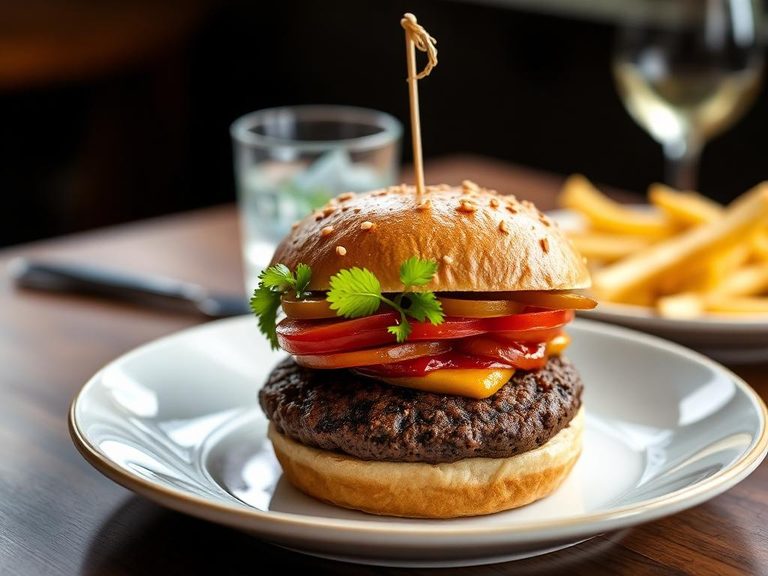
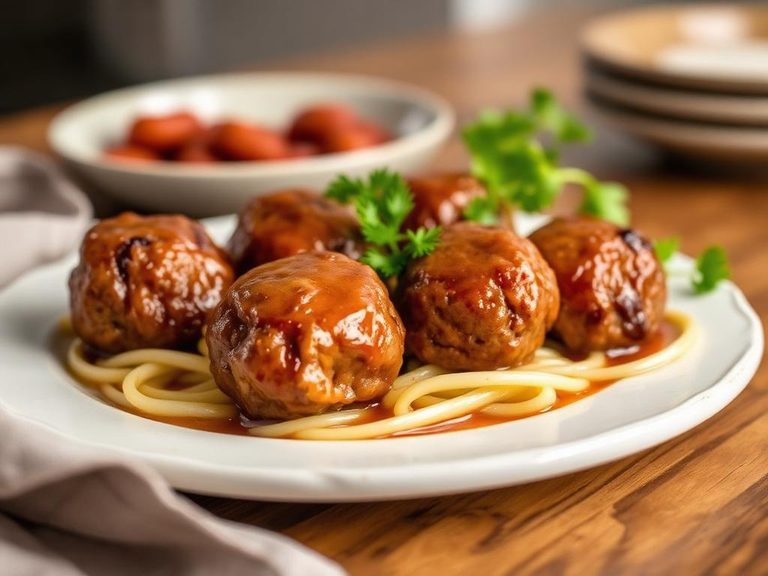
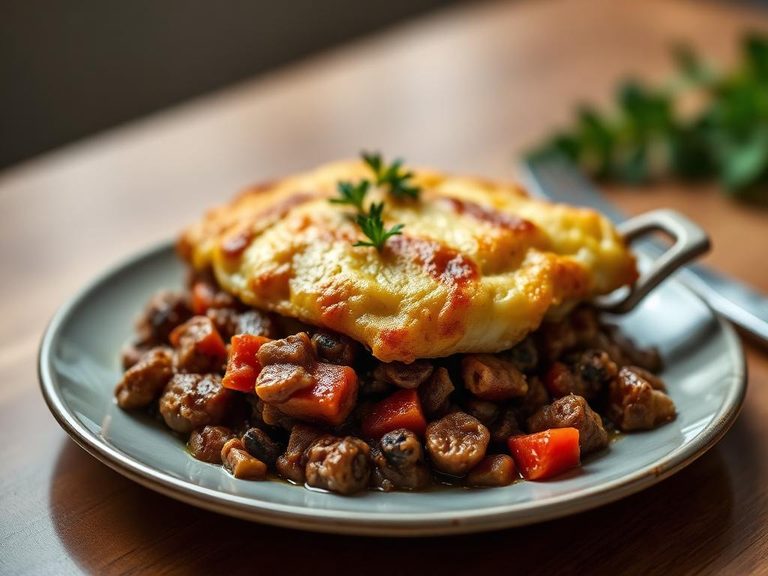
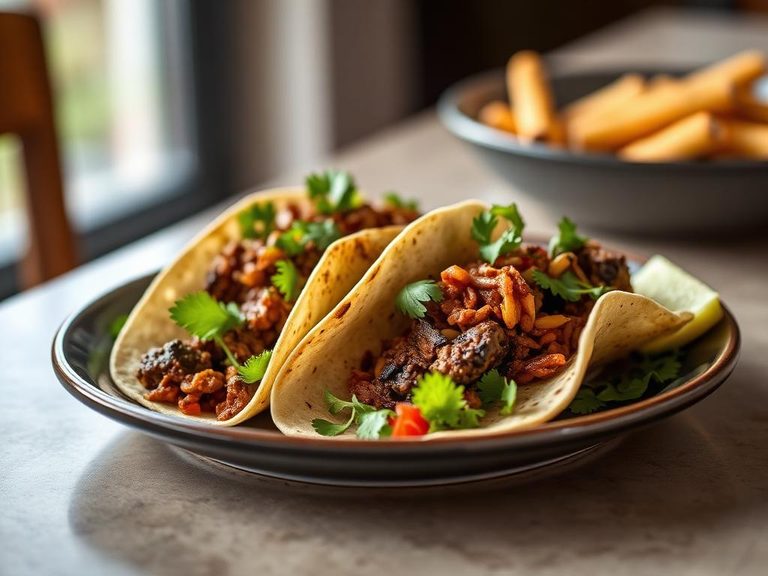
People love bison for its intense, clean beefy flavor that's less gamey than other wild meats but more complex than standard beef. Its versatility makes it a favorite for everything from simple burgers to elegant meatballs, and it's celebrated in North American culinary traditions for its sustainable and ethical sourcing.
⚠️ Watch-outs & how to enjoy it better
Due to its leanness, bison can dry out quickly if overcooked, which is a common complaint for those used to fattier beef. To counteract this, cook it to medium-rare or medium and avoid high-heat searing for too long; adding a small amount of fat like olive oil or butter during cooking can help retain moisture. It's also high in purines, so individuals with gout or kidney issues should moderate intake and stay well-hydrated.
Key benefits
- High-quality, complete protein source
- Rich in iron and B vitamins, especially B12
- Leaner than many conventional beef cuts
- Contains conjugated linoleic acid (CLA), a beneficial fatty acid
- Naturally free from antibiotics and added hormones when grass-fed
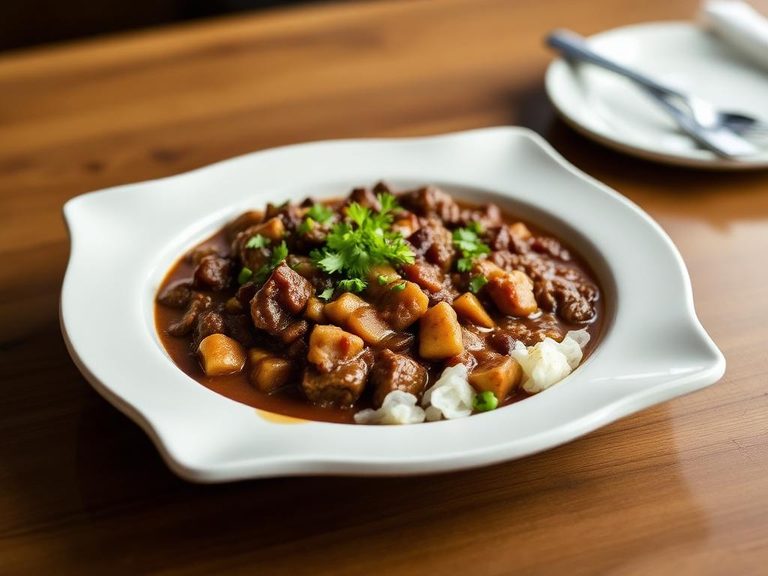
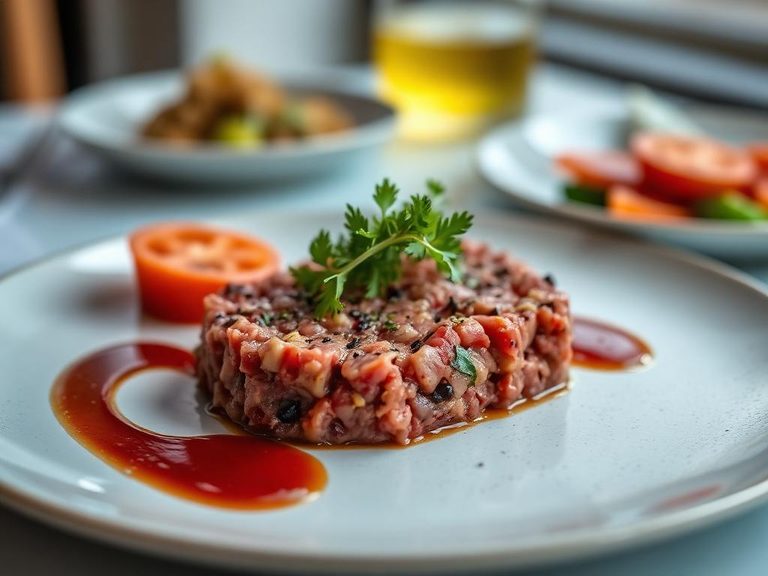
🍽️ Popular dishes
🌍 Where it's eaten
💡 Did you know?
A single bison can produce over 200 pounds of meat, and the American bison was nearly hunted to extinction in the 19th century, with fewer than 1,000 remaining before conservation efforts saved the species.
Full nutrition (USDA data · scales with serving)
| Water | 64.3 g |
| Energy | 223 kcal |
| Energy | 935 kj |
| Protein | 18.7 g |
| Total lipid (fat) | 15.9 g |
| Ash | 0.88 g |
| Carbohydrate, by difference | 0.00 g |
| Fiber, total dietary | 0.00 g |
| Total Sugars | 0.00 g |
| Calcium, Ca | 11.0 mg |
| Iron, Fe | 2.6 mg |
| Magnesium, Mg | 19.0 mg |
| Phosphorus, P | 181 mg |
| Potassium, K | 307 mg |
| Sodium, Na | 66.0 mg |
| Zinc, Zn | 4.3 mg |
| Copper, Cu | 0.13 mg |
| Manganese, Mn | 0.01 mg |
| Selenium, Se | 18.7 ug |
| Vitamin C, total ascorbic acid | 0.00 mg |
| Thiamin | 0.13 mg |
| Riboflavin | 0.23 mg |
| Niacin | 4.9 mg |
| Pantothenic acid | 0.64 mg |
| Vitamin B-6 | 0.35 mg |
| Folate, total | 11.0 ug |
| Folic acid | 0.00 ug |
| Folate, food | 11.0 ug |
| Folate, DFE | 11.0 ug |
| Vitamin B-12 | 1.8 ug |
| Vitamin A, RAE | 0.00 ug |
| Retinol | 0.00 ug |
| Carotene, beta | 0.00 ug |
| Carotene, alpha | 0.00 ug |
| Cryptoxanthin, beta | 0.00 ug |
| Vitamin A, IU | 0.00 iu |
| Lycopene | 0.00 ug |
| Lutein + zeaxanthin | 0.00 ug |
| Vitamin E (alpha-tocopherol) | 0.24 mg |
| Alcohol, ethyl | 0.00 g |
| Caffeine | 0.00 mg |
| Theobromine | 0.00 mg |
Fat & fatty acid profile (per 100g)
| Fatty acids, total saturated | 6.8 g |
| SFA 4:0 | 0.00 g |
| SFA 6:0 | 0.00 g |
| SFA 8:0 | 0.01 g |
| SFA 10:0 | 0.01 g |
| SFA 12:0 | 0.01 g |
| SFA 14:0 | 0.29 g |
| SFA 15:0 | 0.08 g |
| SFA 16:0 | 2.9 g |
| SFA 17:0 | 0.24 g |
| SFA 18:0 | 3.3 g |
| SFA 20:0 | 0.03 g |
| SFA 22:0 | 0.00 g |
| Fatty acids, total monounsaturated | 6.2 g |
| MUFA 14:1 | 0.02 g |
| MUFA 15:1 | 0.00 g |
| MUFA 16:1 | 0.32 g |
| MUFA 17:1 | 0.11 g |
| MUFA 18:1 | 5.7 g |
| MUFA 20:1 | 0.05 g |
| MUFA 22:1 | 0.00 g |
| Fatty acids, total polyunsaturated | 0.75 g |
| PUFA 18:2 | 0.58 g |
| PUFA 18:3 | 0.08 g |
| PUFA 18:3 n-6 c,c,c | 0.00 g |
| PUFA 18:4 | 0.00 g |
| PUFA 20:2 n-6 c,c | 0.00 g |
| PUFA 20:3 | 0.01 g |
| PUFA 20:4 | 0.08 g |
| PUFA 20:5 n-3 (EPA) | 0.00 g |
| PUFA 22:5 n-3 (DPA) | 0.00 g |
| PUFA 22:6 n-3 (DHA) | 0.00 g |
| Cholesterol | 70.0 mg |
Amino acid profile (per 100g)
| Tryptophan | 0.14 g |
| Threonine | 0.85 g |
| Isoleucine | 0.90 g |
| Leucine | 1.6 g |
| Lysine | 1.7 g |
| Methionine | 0.51 g |
| Cystine | 0.22 g |
| Phenylalanine | 0.79 g |
| Tyrosine | 0.64 g |
| Valine | 1.0 g |
| Arginine | 1.3 g |
| Histidine | 0.68 g |
| Alanine | 1.2 g |
| Aspartic acid | 1.8 g |
| Glutamic acid | 3.0 g |
| Glycine | 1.2 g |
| Proline | 0.96 g |
| Serine | 0.78 g |
| Hydroxyproline | 0.23 g |
FAQ
Is ground bison healthier than ground beef?
Yes, ground bison is generally leaner and higher in protein than most ground beef, with fewer calories and less saturated fat per serving. It also contains more iron and B vitamins, making it a nutrient-dense alternative.
How should I cook ground bison to keep it moist?
Cook ground bison to an internal temperature of 160°F (71°C) for safety, but avoid overcooking. Use medium heat, don't press it while cooking, and consider adding a small amount of fat like olive oil or butter to retain moisture.
Can I substitute ground bison for ground beef in recipes?
Absolutely. Ground bison can be used as a 1:1 substitute in most recipes, including burgers, meatballs, and chili. Just be mindful of its leanness and adjust cooking times slightly to prevent drying out.
Nutrient density (calculated · NRF9.3)
Nutrient Rich Foods index: beneficial nutrients (protein, fiber, vitamins, minerals) minus saturated fat, added sugar & sodium, per 100 kcal.
NRF9.3 index — Fulgoni, Keast & Drewnowski, 2009. Computed from USDA nutrients.
Weight-loss friendliness (composite index)
Energy density 2.23 kcal/g · 33% calories from protein · 0.0 g fiber · 0.0 g sugar per 100 g.
Composite of energy density (Rolls et al., 1999), protein & fiber satiety, minus sugar. A calculated heuristic — ranks satiety-per-calorie, not a clinical measure.
Dietary load (calculated from USDA values)
Potential renal acid load. Positive = acid-forming, negative = alkaline-forming.
Sodium-to-potassium ratio: 0.21 (lower is better — aim for ≤ 1)
Sodium:potassium per WHO potassium guidance. Computed from USDA nutrients.