

Game meat, bison, ground, cooked, pan-broiled
Whole food · Lamb, Veal, and Game Products

Photo: Wikipedia
Ground bison is a lean, deeply savory red meat with a rich, slightly sweet flavor and a texture similar to ground beef but finer and less greasy. Pan-broiling concentrates its robust, earthy taste while preserving its tender, moist character. With 23.77g of protein and zero carbs per 100g, it's a powerhouse for high-protein, low-carb diets.
Calorie split: 41% protein · 0% carbs · 59% fat
↓ Full nutrition💚 Why it's loved
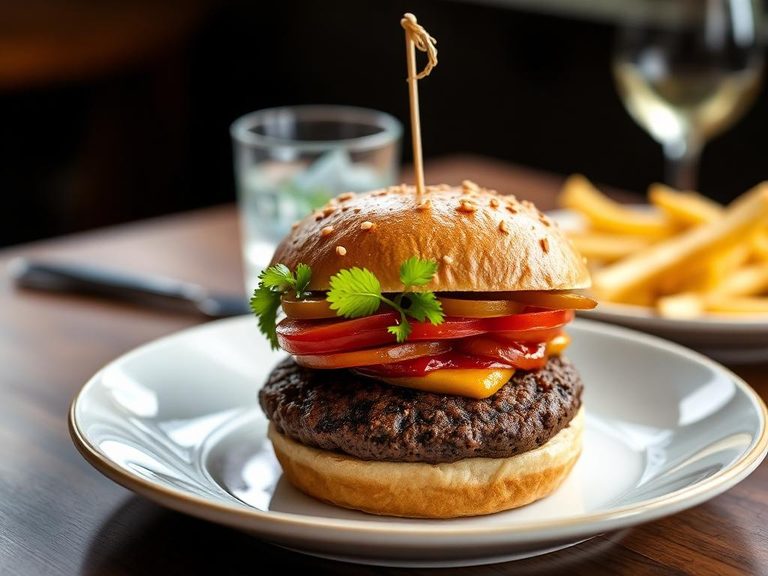
People love bison for its clean, beef-like flavor that's slightly sweeter and less gamey than other wild meats, making it approachable yet distinctive. Its versatility shines in everything from burgers to chili, and its lean profile appeals to health-conscious cooks who don't want to sacrifice taste.
⚠️ Watch-outs & how to enjoy it better
Bison's leanness can lead to dryness if overcooked, and it's often pricier than conventional beef, which may deter budget-conscious buyers. To counteract dryness, cook to medium-rare or medium (160°F/71°C internal) and avoid pressing patties while cooking; pair with healthy fats like avocado or olive oil-based sauces to enhance moisture and satiety.
Key benefits
- High-quality complete protein with all essential amino acids
- Naturally lean with lower saturated fat than conventional beef
- Rich in iron, zinc, and B vitamins (especially B12)
- Zero carbohydrates, making it ideal for keto and low-carb diets
- Sourced from animals typically raised without growth hormones or antibiotics
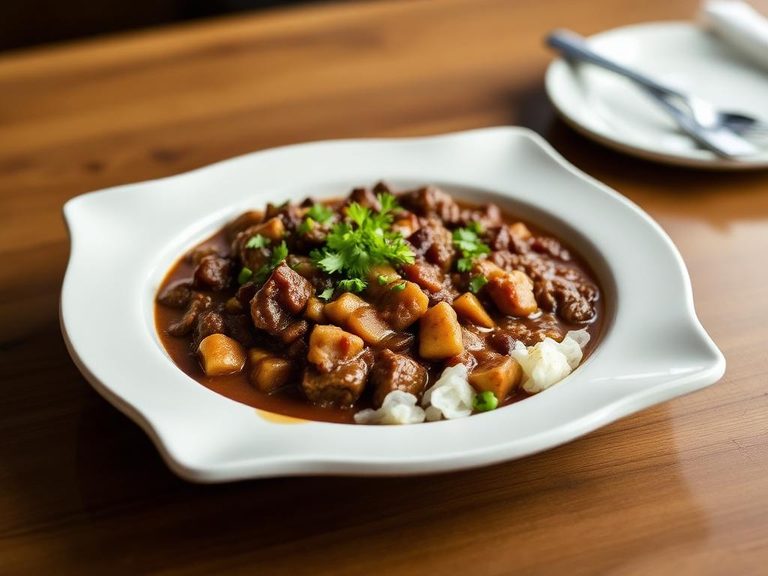
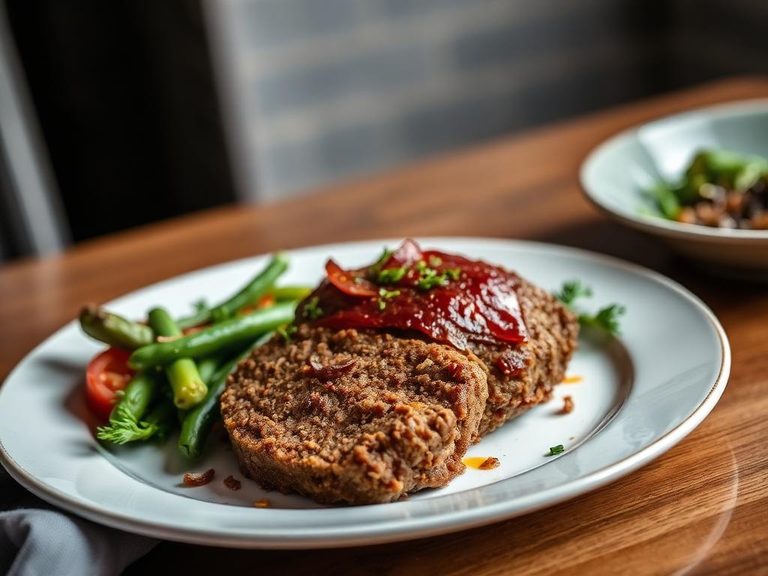
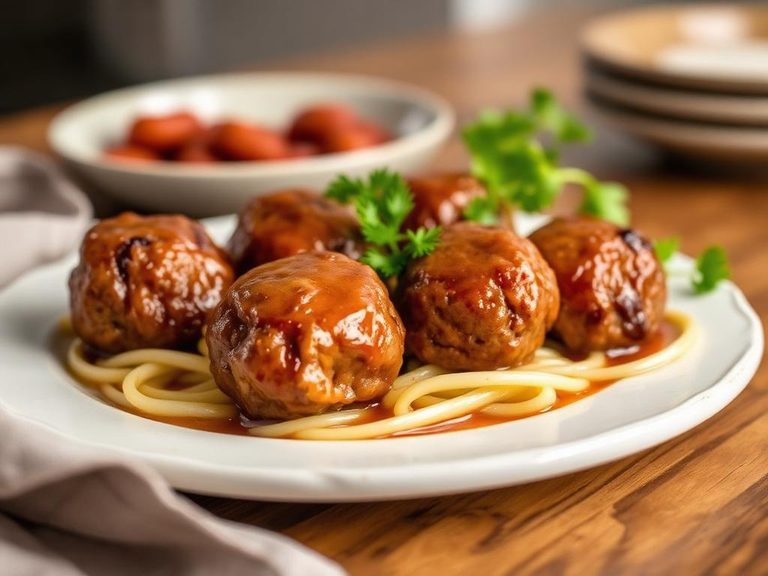
🍽️ Popular dishes
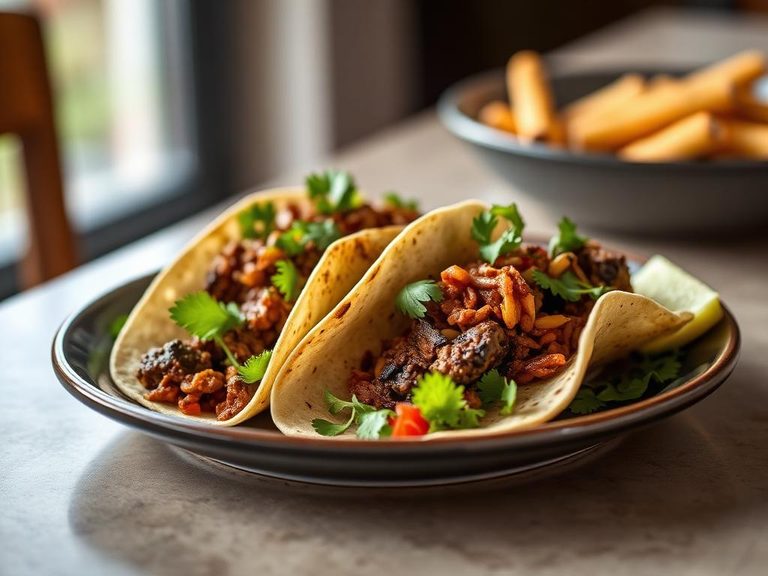
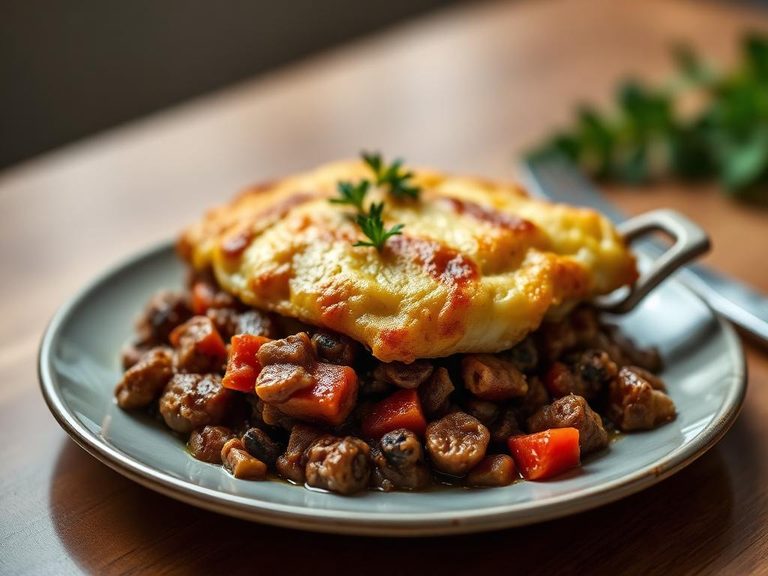
🌍 Where it's eaten
💡 Did you know?
Bison were nearly driven to extinction in the 19th century, with fewer than 1,000 remaining by 1889, but today there are over 500,000 in North America, largely due to conservation efforts that turned them into a sustainable food source.
Full nutrition (USDA data · scales with serving)
| Water | 59.5 g |
| Energy | 238 kcal |
| Energy | 996 kj |
| Protein | 23.8 g |
| Total lipid (fat) | 15.1 g |
| Ash | 1.0 g |
| Carbohydrate, by difference | 0.00 g |
| Fiber, total dietary | 0.00 g |
| Total Sugars | 0.00 g |
| Calcium, Ca | 13.0 mg |
| Iron, Fe | 3.1 mg |
| Magnesium, Mg | 22.0 mg |
| Phosphorus, P | 205 mg |
| Potassium, K | 341 mg |
| Sodium, Na | 73.0 mg |
| Zinc, Zn | 5.1 mg |
| Copper, Cu | 0.15 mg |
| Manganese, Mn | 0.01 mg |
| Selenium, Se | 30.0 ug |
| Vitamin C, total ascorbic acid | 0.00 mg |
| Thiamin | 0.13 mg |
| Riboflavin | 0.25 mg |
| Niacin | 5.6 mg |
| Pantothenic acid | 1.1 mg |
| Vitamin B-6 | 0.38 mg |
| Folate, total | 15.0 ug |
| Folic acid | 0.00 ug |
| Folate, food | 15.0 ug |
| Folate, DFE | 15.0 ug |
| Vitamin B-12 | 2.3 ug |
| Vitamin A, RAE | 0.00 ug |
| Retinol | 0.00 ug |
| Carotene, beta | 0.00 ug |
| Carotene, alpha | 0.00 ug |
| Cryptoxanthin, beta | 0.00 ug |
| Vitamin A, IU | 0.00 iu |
| Lycopene | 0.00 ug |
| Lutein + zeaxanthin | 0.00 ug |
| Vitamin E (alpha-tocopherol) | 0.24 mg |
| Alcohol, ethyl | 0.00 g |
| Caffeine | 0.00 mg |
| Theobromine | 0.00 mg |
Fat & fatty acid profile (per 100g)
| Fatty acids, total saturated | 6.5 g |
| SFA 4:0 | 0.00 g |
| SFA 6:0 | 0.00 g |
| SFA 8:0 | 0.01 g |
| SFA 10:0 | 0.01 g |
| SFA 12:0 | 0.01 g |
| SFA 14:0 | 0.27 g |
| SFA 15:0 | 0.08 g |
| SFA 16:0 | 2.7 g |
| SFA 17:0 | 0.23 g |
| SFA 18:0 | 3.1 g |
| SFA 20:0 | 0.03 g |
| SFA 22:0 | 0.00 g |
| Fatty acids, total monounsaturated | 5.9 g |
| MUFA 14:1 | 0.02 g |
| MUFA 15:1 | 0.00 g |
| MUFA 16:1 | 0.30 g |
| MUFA 17:1 | 0.11 g |
| MUFA 18:1 | 5.4 g |
| MUFA 20:1 | 0.05 g |
| MUFA 22:1 | 0.00 g |
| Fatty acids, total polyunsaturated | 0.71 g |
| PUFA 18:2 | 0.55 g |
| PUFA 18:3 | 0.08 g |
| PUFA 18:3 n-6 c,c,c | 0.00 g |
| PUFA 18:4 | 0.00 g |
| PUFA 20:2 n-6 c,c | 0.00 g |
| PUFA 20:3 | 0.01 g |
| PUFA 20:4 | 0.08 g |
| PUFA 20:5 n-3 (EPA) | 0.00 g |
| PUFA 22:5 n-3 (DPA) | 0.00 g |
| PUFA 22:6 n-3 (DHA) | 0.00 g |
| Cholesterol | 83.0 mg |
Amino acid profile (per 100g)
| Tryptophan | 0.18 g |
| Threonine | 1.1 g |
| Isoleucine | 1.1 g |
| Leucine | 2.0 g |
| Lysine | 2.2 g |
| Methionine | 0.64 g |
| Cystine | 0.28 g |
| Phenylalanine | 1.0 g |
| Tyrosine | 0.81 g |
| Valine | 1.3 g |
| Arginine | 1.6 g |
| Histidine | 0.87 g |
| Alanine | 1.6 g |
| Aspartic acid | 2.3 g |
| Glutamic acid | 3.9 g |
| Glycine | 1.5 g |
| Proline | 1.2 g |
| Serine | 0.99 g |
| Hydroxyproline | 0.30 g |
FAQ
How does bison compare nutritionally to beef?
Bison is leaner than beef, with about 30% less fat and fewer calories per serving, while offering similar protein levels and more iron and B12. It's also typically lower in saturated fat.
Can I substitute bison for ground beef in recipes?
Yes, bison can be used 1:1 in most ground beef recipes, but because it's leaner, it cooks faster and can dry out if overcooked. Reduce cooking time by about 25% and aim for medium doneness.
Is bison meat safe for people with meat allergies?
Bison is a red meat and contains proteins similar to beef, so individuals with beef allergies or sensitivities may also react to bison. Consult an allergist before trying it.
Nutrient density (calculated · NRF9.3)
Nutrient Rich Foods index: beneficial nutrients (protein, fiber, vitamins, minerals) minus saturated fat, added sugar & sodium, per 100 kcal.
NRF9.3 index — Fulgoni, Keast & Drewnowski, 2009. Computed from USDA nutrients.
Weight-loss friendliness (composite index)
Energy density 2.38 kcal/g · 40% calories from protein · 0.0 g fiber · 0.0 g sugar per 100 g.
Composite of energy density (Rolls et al., 1999), protein & fiber satiety, minus sugar. A calculated heuristic — ranks satiety-per-calorie, not a clinical measure.
Dietary load (calculated from USDA values)
Potential renal acid load. Positive = acid-forming, negative = alkaline-forming.
Sodium-to-potassium ratio: 0.21 (lower is better — aim for ≤ 1)
Sodium:potassium per WHO potassium guidance. Computed from USDA nutrients.