

Flour, semolina, coarse and semi-coarse
Whole food · Cereal Grains and Pasta
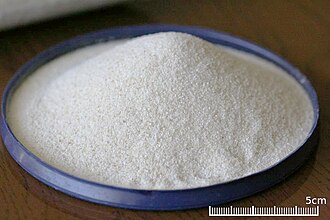
Photo: Wikipedia
Semolina flour, milled from durum wheat, is a coarse, golden-hued staple with a distinctly nutty, earthy flavor and a pleasantly gritty, chewy texture when cooked. Nutritionally, it is a carbohydrate powerhouse (73.8g per 100g) with a solid protein content (11.7g) and very low fat, making it a filling, energy-dense base for breads, pastas, and porridges.
Calorie split: 13% protein · 83% carbs · 4% fat
↓ Full nutrition💚 Why it's loved
People love semolina for its robust, wheaty flavor and its ability to create foods with a satisfying, al dente bite—from the firm texture of pasta to the crispy crust of bread. Its versatility across global cuisines, from Italian pasta to Indian upma, makes it a beloved pantry staple.
⚠️ Watch-outs & how to enjoy it better
As a refined wheat product, it can cause blood sugar spikes due to its high glycemic index, and it contains gluten, making it unsuitable for those with celiac disease or gluten sensitivity. To mitigate blood sugar impact, pair it with protein (like eggs or legumes) or healthy fats (like olive oil or nuts) and opt for whole-grain semolina when possible.
Key benefits
- High in complex carbohydrates for sustained energy.
- Good source of plant-based protein (11.7g per 100g).
- Contains dietary fiber (3.2g) for digestive health.
- Low in fat (1.6g) and sugar-free.
- Rich in B vitamins and minerals like iron and magnesium.
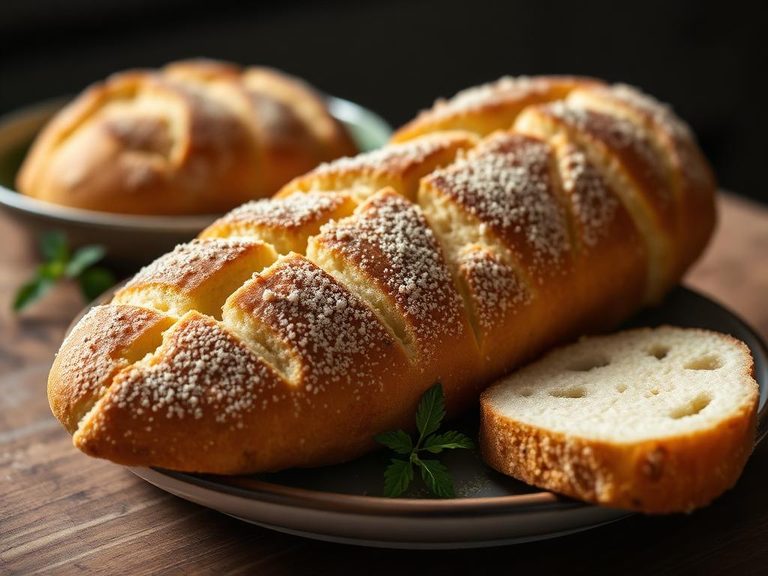
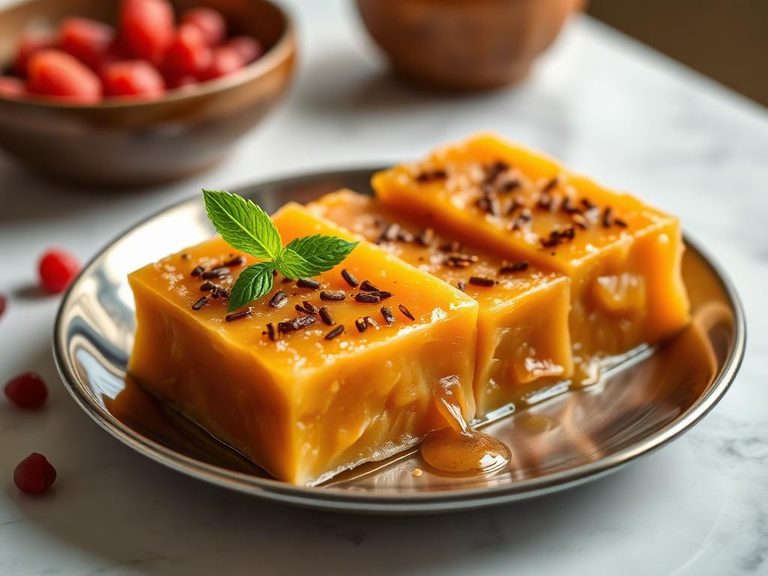
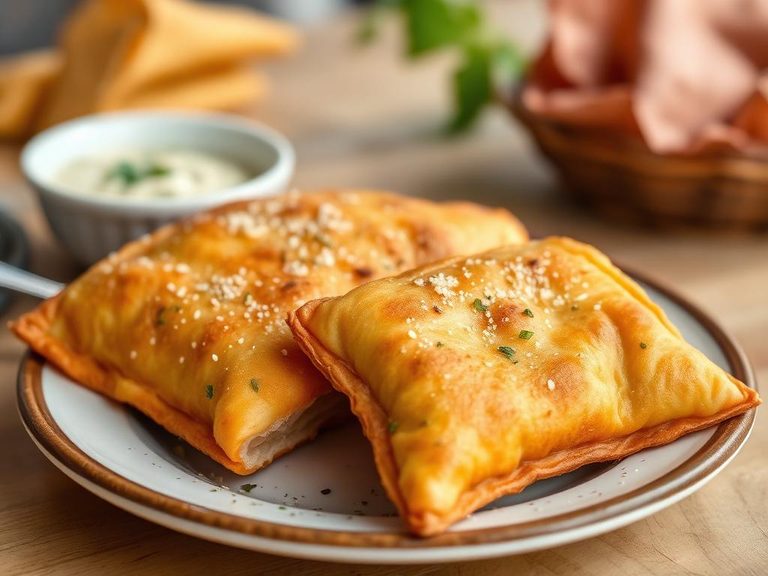
🍽️ Popular dishes
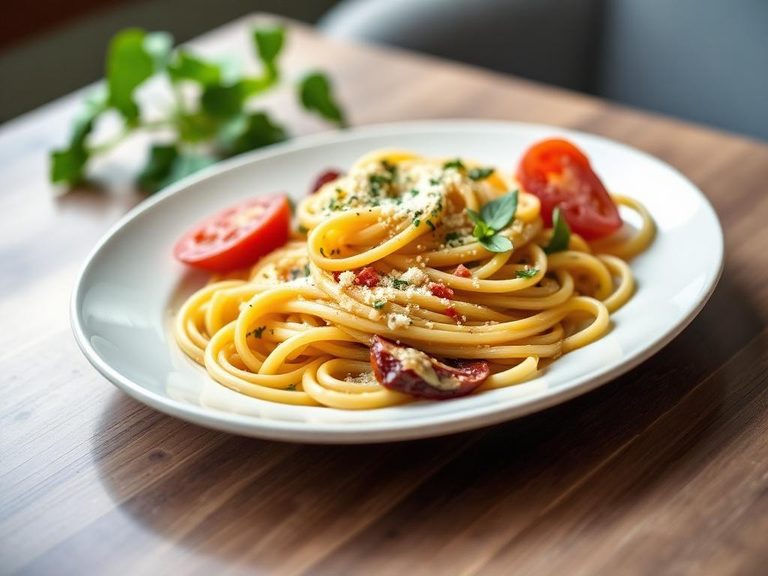
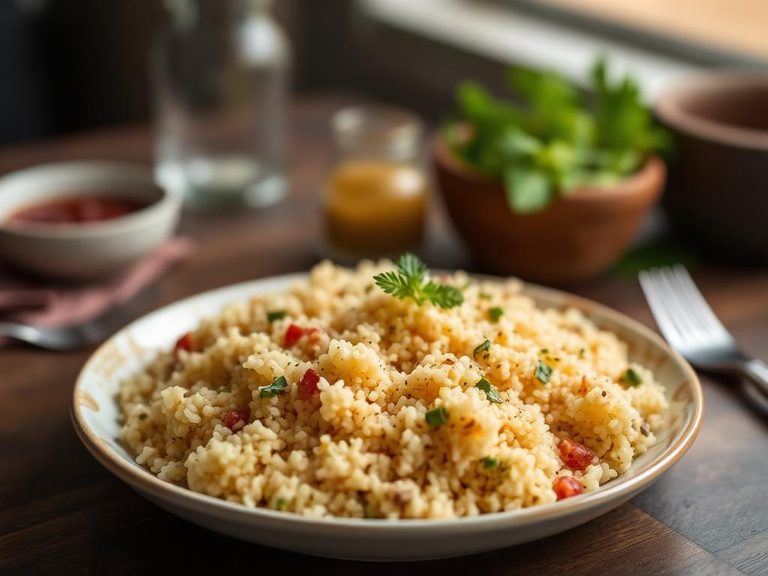
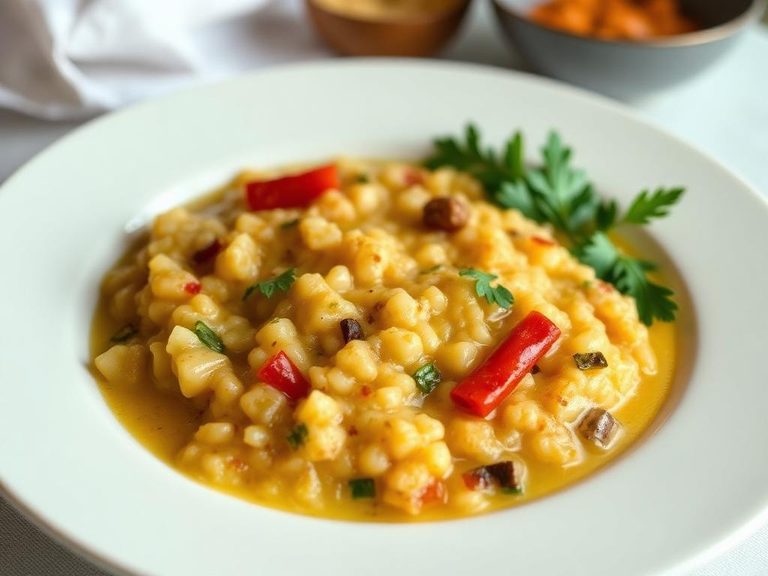
🌍 Where it's eaten
💡 Did you know?
Semolina's high protein and gluten content make it the ideal flour for pasta, as it helps the dough hold its shape during extrusion and cooking, resulting in that perfect al dente texture.
Full nutrition (USDA data · scales with serving)
| Water | 12.2 g |
| Energy (Atwater General Factors) | 357 kcal |
| Energy (Atwater Specific Factors) | 365 kcal |
| Nitrogen | 1.9 g |
| Protein | 11.7 g |
| Total lipid (fat) | 1.6 g |
| Ash | 0.61 g |
| Carbohydrate, by difference | 73.8 g |
| Fiber, total dietary | 3.2 g |
| Calcium, Ca | 17.2 mg |
| Iron, Fe | 1.5 mg |
| Magnesium, Mg | 35.2 mg |
| Phosphorus, P | 130 mg |
| Potassium, K | 174 mg |
| Sodium, Na | 0.00 mg |
| Zinc, Zn | 0.95 mg |
| Copper, Cu | 0.23 mg |
| Manganese, Mn | 0.65 mg |
| Selenium, Se | 29.8 ug |
| Molybdenum, Mo | 38.3 ug |
| Thiamin | 0.41 mg |
| Riboflavin | 0.25 mg |
| Niacin | 3.6 mg |
| Vitamin B-6 | 0.08 mg |
| Folate, total | 168 ug |
Fat & fatty acid profile (per 100g)
Estimated from Pasta, gluten-free, corn flour and quinoa flour, cooked, ANCIENT HARVEST — USDA does not publish this profile for Flour.
| Fatty acids, total saturated | 0.15 g |
| SFA 4:0 | 0.00 g |
| SFA 6:0 | 0.00 g |
| SFA 8:0 | 0.00 g |
| SFA 10:0 | 0.00 g |
| SFA 12:0 | 0.00 g |
| SFA 14:0 | 0.01 g |
| SFA 15:0 | 0.00 g |
| SFA 16:0 | 0.09 g |
| SFA 17:0 | 0.00 g |
| SFA 18:0 | 0.04 g |
| SFA 20:0 | 0.01 g |
| SFA 22:0 | 0.00 g |
| SFA 24:0 | 0.00 g |
| Fatty acids, total monounsaturated | 0.66 g |
| MUFA 14:1 | 0.00 g |
| MUFA 15:1 | 0.17 g |
| MUFA 16:1 | 0.00 g |
| MUFA 16:1 c | 0.00 g |
| MUFA 17:1 | 0.00 g |
| MUFA 18:1 | 0.48 g |
| MUFA 18:1 c | 0.47 g |
| MUFA 20:1 | 0.01 g |
| MUFA 22:1 | 0.00 g |
| MUFA 22:1 c | 0.00 g |
| MUFA 24:1 c | 0.00 g |
| Fatty acids, total polyunsaturated | 0.95 g |
| PUFA 18:2 | 0.91 g |
| PUFA 18:2 n-6 c,c | 0.91 g |
| PUFA 18:2 CLAs | 0.00 g |
| PUFA 18:3 | 0.03 g |
| PUFA 18:3 n-3 c,c,c (ALA) | 0.03 g |
| PUFA 18:3 n-6 c,c,c | 0.00 g |
| PUFA 18:3i | 0.00 g |
| PUFA 18:4 | 0.00 g |
| PUFA 20:2 n-6 c,c | 0.00 g |
| PUFA 20:3 | 0.00 g |
| PUFA 20:3 n-3 | 0.00 g |
| PUFA 20:3 n-6 | 0.00 g |
| PUFA 20:4 | 0.00 g |
| PUFA 20:5 n-3 (EPA) | 0.00 g |
| PUFA 22:4 | 0.00 g |
| PUFA 22:5 n-3 (DPA) | 0.00 g |
| PUFA 22:6 n-3 (DHA) | 0.00 g |
| Fatty acids, total trans | 0.01 g |
| Fatty acids, total trans-monoenoic | 0.00 g |
| TFA 16:1 t | 0.00 g |
| TFA 18:1 t | 0.00 g |
| TFA 22:1 t | 0.00 g |
| TFA 18:2 t not further defined | 0.00 g |
| Fatty acids, total trans-polyenoic | 0.00 g |
| Cholesterol | 0.00 mg |
Amino acid profile (per 100g)
Estimated from Pasta, gluten-free, corn flour and quinoa flour, cooked, ANCIENT HARVEST — USDA does not publish this profile for Flour.
| Tryptophan | 0.02 g |
| Threonine | 0.10 g |
| Isoleucine | 0.09 g |
| Leucine | 0.35 g |
| Lysine | 0.16 g |
| Methionine | 0.06 g |
| Cystine | 0.07 g |
| Phenylalanine | 0.15 g |
| Tyrosine | 0.12 g |
| Valine | 0.11 g |
| Arginine | 0.18 g |
| Histidine | 0.09 g |
| Alanine | 0.21 g |
| Aspartic acid | 0.19 g |
| Glutamic acid | 0.46 g |
| Glycine | 0.12 g |
| Proline | 0.29 g |
| Serine | 0.15 g |
| Hydroxyproline | 0.00 g |
FAQ
What is the difference between semolina and regular flour?
Semolina is coarsely ground from durum wheat, giving it a granular texture and higher protein content, while regular flour is finely milled from common wheat and is softer.
Can I use semolina flour for baking cakes?
It's not ideal for light, fluffy cakes due to its coarse texture and high gluten, but it's excellent for dense, moist cakes like Italian Torta di Semolina or for dusting baking pans to prevent sticking.
Is semolina gluten-free?
No, semolina is derived from wheat and contains gluten, making it unsuitable for those with celiac disease or gluten intolerance.
Nutrient density (calculated · NRF9.3)
Nutrient Rich Foods index: beneficial nutrients (protein, fiber, vitamins, minerals) minus saturated fat, added sugar & sodium, per 100 kcal.
NRF9.3 index — Fulgoni, Keast & Drewnowski, 2009. Computed from USDA nutrients.
Weight-loss friendliness (composite index)
Energy density 3.57 kcal/g · 13% calories from protein · 3.2 g fiber · 0.0 g sugar per 100 g.
Composite of energy density (Rolls et al., 1999), protein & fiber satiety, minus sugar. A calculated heuristic — ranks satiety-per-calorie, not a clinical measure.
Dietary load (calculated from USDA values)
Potential renal acid load. Positive = acid-forming, negative = alkaline-forming.
Sodium-to-potassium ratio: 0.00 (lower is better — aim for ≤ 1)
Sodium:potassium per WHO potassium guidance. Computed from USDA nutrients.