

Tunisian Brik
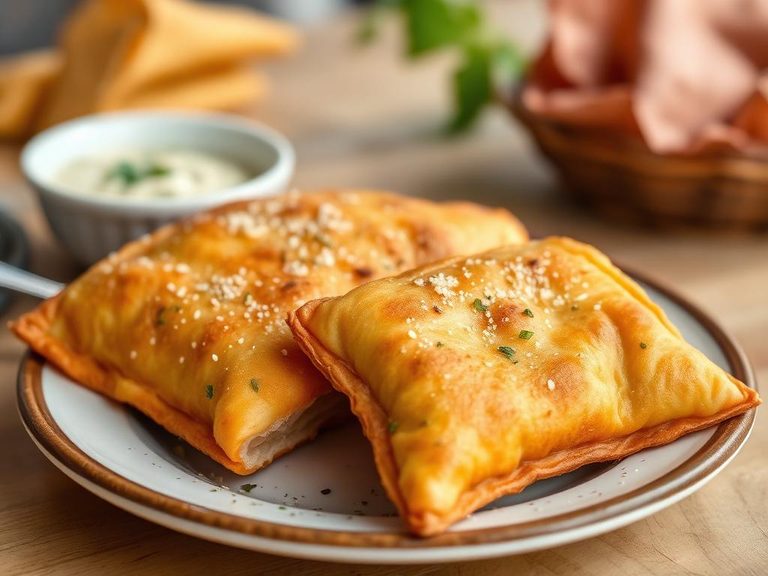
Tunisian Brik is a popular North African fried pastry, often shaped into a thin, crispy triangle or half-moon. Its classic filling typically features a mixture of minced meat (like lamb or beef), potatoes, onions, parsley, and a whole egg, all encased in a delicate, paper-thin dough called malsouka or brick pastry. It is a beloved street food and appetizer in Tunisia, often served during Ramadan and festive occasions.
🍽️ Nutrition at a glance
As a fried dish, Brik is relatively high in fat and carbohydrates from the pastry and frying oil, with a moderate amount of protein from the meat and egg. A single serving provides energy, iron from the meat, and some vitamins from the herbs, with a rough calorie estimate of 250-350 per piece depending on size and filling.
Nutrition breakdown
| Calories | 280 kcal |
| Protein | 12 g |
| Carbs | 22 g |
| Fat | 16 g |
| Fiber | 2 g |
| Sugar | 1 g |
| Sodium | 420 mg |
| Iron | 2.5 mg |
| Calcium | 80 mg |
| Potassium | 200 mg |
| Vitamin A | 150 µg |
| Vitamin C | 8 mg |
| Vitamin B12 | 0.8 µg |
| Phosphorus | 150 mg |
| Magnesium | 25 mg |
Per 1 piece (approx. 100 g) · estimated, varies by recipe
💡 What's interesting
Culturally, the Brik is a centerpiece of Tunisian Ramadan iftars, where its crispy texture and savory flavor break the day's fast. Its unique, ultra-thin malsouka dough is traditionally made by dabbing a wet flour paste onto a hot surface, a skill that requires practice to master.
AI estimate may be inaccurate · Terms