

Flour, rice, brown
Whole food · Cereal Grains and Pasta
Brown rice flour is a whole-grain flour made by milling unpolished brown rice, yielding a slightly coarse, nutty-tasting powder with a subtle earthy aroma. Its texture is denser than white rice flour, providing a gentle, wholesome mouthfeel in baked goods. It offers a solid energy base with 365 kcal per 100g and a notable 7.19g of plant-based protein.
Calorie split: 8% protein · 83% carbs · 9% fat
↓ Full nutrition💚 Why it's loved
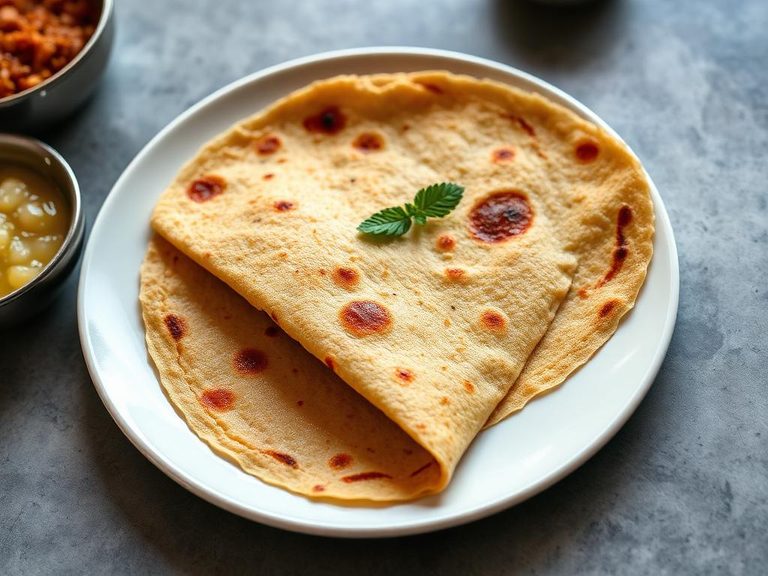
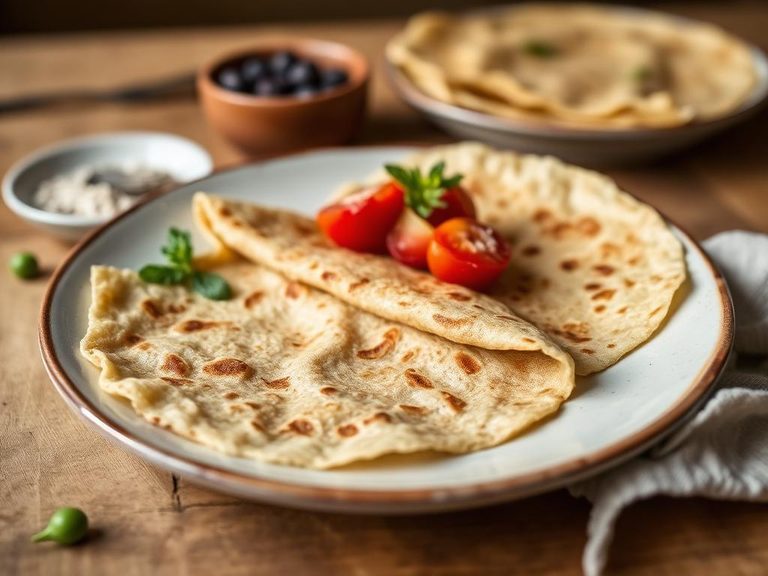
People love it for its ability to bring a wholesome, slightly rustic flavor and structure to gluten-free breads, pancakes, and noodles. Its versatility in both sweet and savory applications makes it a foundational ingredient in many traditional cuisines.
⚠️ Watch-outs & how to enjoy it better
Its dense texture can lead to dry or crumbly results if used alone in baking, and its high carbohydrate content can cause blood-sugar spikes. To counteract this, blend it with higher-fiber flours like almond or coconut, and always pair it with protein or healthy fats in a meal.
Key benefits
- Whole-grain source retains the bran and germ, offering more nutrients than white rice flour.
- Naturally gluten-free, making it a staple for celiac and gluten-sensitive diets.
- Provides a good source of manganese and selenium from the whole grain.
- Adds a pleasant, nutty depth to gluten-free baking blends.
🍽️ Popular dishes
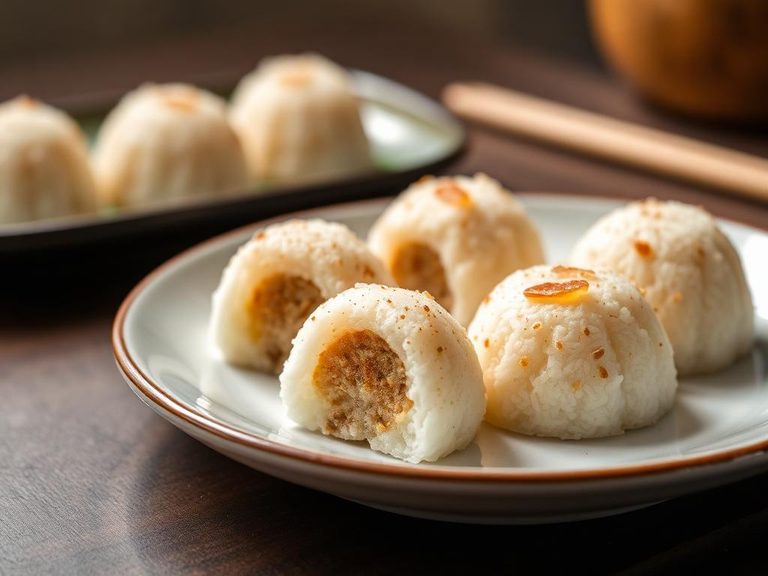
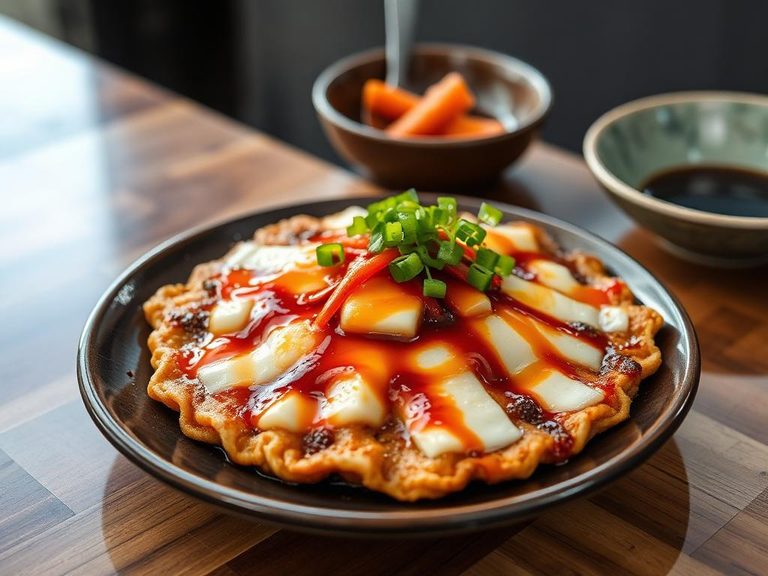
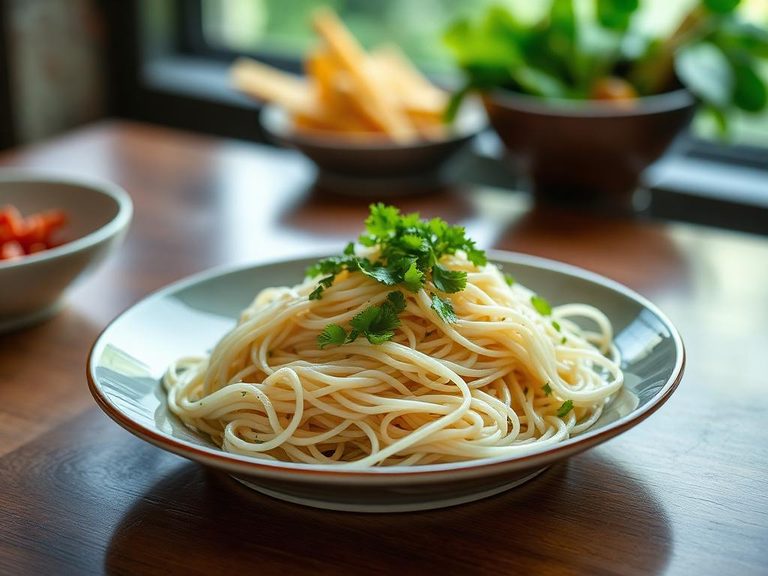
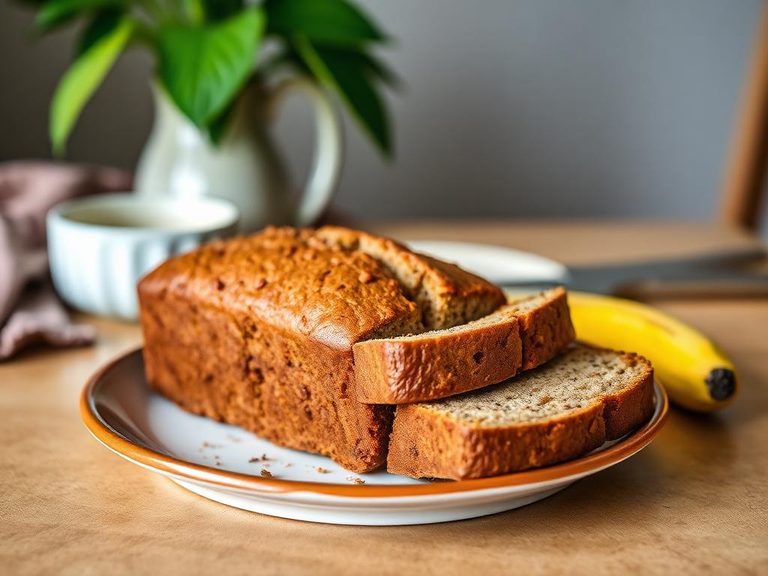
🌍 Where it's eaten
💡 Did you know?
The process of making traditional Japanese mochi involves pounding steamed glutinous rice into a sticky paste, but brown rice flour is often used for a quicker, home-style version.
Full nutrition (USDA data · scales with serving)
| Water | 12.1 g |
| Energy (Atwater General Factors) | 365 kcal |
| Energy (Atwater Specific Factors) | 368 kcal |
| Energy | 365 kcal |
| Energy | 1582 kj |
| Nitrogen | 1.1 g |
| Protein | 7.2 g |
| Total lipid (fat) | 3.9 g |
| Ash | 1.4 g |
| Carbohydrate, by difference | 75.5 g |
| Calcium, Ca | 10.0 mg |
| Iron, Fe | 1.5 mg |
| Magnesium, Mg | 124 mg |
| Phosphorus, P | 319 mg |
| Potassium, K | 265 mg |
| Sodium, Na | 1.0 mg |
| Zinc, Zn | 1.9 mg |
| Copper, Cu | 0.29 mg |
| Manganese, Mn | 2.8 mg |
| Selenium, Se | 9.7 ug |
| Molybdenum, Mo | 56.2 ug |
| Thiamin | 0.32 mg |
| Riboflavin | 0.01 mg |
| Niacin | 6.0 mg |
| Vitamin B-6 | 0.13 mg |
Fat & fatty acid profile (per 100g)
Estimated from Pasta, gluten-free, corn flour and quinoa flour, cooked, ANCIENT HARVEST — USDA does not publish this profile for Flour.
| Fatty acids, total saturated | 0.15 g |
| SFA 4:0 | 0.00 g |
| SFA 6:0 | 0.00 g |
| SFA 8:0 | 0.00 g |
| SFA 10:0 | 0.00 g |
| SFA 12:0 | 0.00 g |
| SFA 14:0 | 0.01 g |
| SFA 15:0 | 0.00 g |
| SFA 16:0 | 0.09 g |
| SFA 17:0 | 0.00 g |
| SFA 18:0 | 0.04 g |
| SFA 20:0 | 0.01 g |
| SFA 22:0 | 0.00 g |
| SFA 24:0 | 0.00 g |
| Fatty acids, total monounsaturated | 0.66 g |
| MUFA 14:1 | 0.00 g |
| MUFA 15:1 | 0.17 g |
| MUFA 16:1 | 0.00 g |
| MUFA 16:1 c | 0.00 g |
| MUFA 17:1 | 0.00 g |
| MUFA 18:1 | 0.48 g |
| MUFA 18:1 c | 0.47 g |
| MUFA 20:1 | 0.01 g |
| MUFA 22:1 | 0.00 g |
| MUFA 22:1 c | 0.00 g |
| MUFA 24:1 c | 0.00 g |
| Fatty acids, total polyunsaturated | 0.95 g |
| PUFA 18:2 | 0.91 g |
| PUFA 18:2 n-6 c,c | 0.91 g |
| PUFA 18:2 CLAs | 0.00 g |
| PUFA 18:3 | 0.03 g |
| PUFA 18:3 n-3 c,c,c (ALA) | 0.03 g |
| PUFA 18:3 n-6 c,c,c | 0.00 g |
| PUFA 18:3i | 0.00 g |
| PUFA 18:4 | 0.00 g |
| PUFA 20:2 n-6 c,c | 0.00 g |
| PUFA 20:3 | 0.00 g |
| PUFA 20:3 n-3 | 0.00 g |
| PUFA 20:3 n-6 | 0.00 g |
| PUFA 20:4 | 0.00 g |
| PUFA 20:5 n-3 (EPA) | 0.00 g |
| PUFA 22:4 | 0.00 g |
| PUFA 22:5 n-3 (DPA) | 0.00 g |
| PUFA 22:6 n-3 (DHA) | 0.00 g |
| Fatty acids, total trans | 0.01 g |
| Fatty acids, total trans-monoenoic | 0.00 g |
| TFA 16:1 t | 0.00 g |
| TFA 18:1 t | 0.00 g |
| TFA 22:1 t | 0.00 g |
| TFA 18:2 t not further defined | 0.00 g |
| Fatty acids, total trans-polyenoic | 0.00 g |
| Cholesterol | 0.00 mg |
Amino acid profile (per 100g)
Estimated from Pasta, gluten-free, corn flour and quinoa flour, cooked, ANCIENT HARVEST — USDA does not publish this profile for Flour.
| Tryptophan | 0.02 g |
| Threonine | 0.10 g |
| Isoleucine | 0.09 g |
| Leucine | 0.35 g |
| Lysine | 0.16 g |
| Methionine | 0.06 g |
| Cystine | 0.07 g |
| Phenylalanine | 0.15 g |
| Tyrosine | 0.12 g |
| Valine | 0.11 g |
| Arginine | 0.18 g |
| Histidine | 0.09 g |
| Alanine | 0.21 g |
| Aspartic acid | 0.19 g |
| Glutamic acid | 0.46 g |
| Glycine | 0.12 g |
| Proline | 0.29 g |
| Serine | 0.15 g |
| Hydroxyproline | 0.00 g |
FAQ
Can I substitute brown rice flour 1:1 for all-purpose wheat flour?
No, due to its lack of gluten and denser texture, it's best used as part of a blend (typically 25-50%) with other gluten-free flours and a binder like xanthan gum for baking.
How should I store it?
Store it in an airtight container in a cool, dark place, or preferably in the refrigerator or freezer, to prevent the natural oils in the bran from going rancid.
Is it the same as white rice flour?
No. Brown rice flour is made from the whole grain (bran, germ, endosperm), while white rice flour is made from polished rice with the bran and germ removed, resulting in a milder flavor and finer texture.
Nutrient density (calculated · NRF9.3)
Nutrient Rich Foods index: beneficial nutrients (protein, fiber, vitamins, minerals) minus saturated fat, added sugar & sodium, per 100 kcal.
NRF9.3 index — Fulgoni, Keast & Drewnowski, 2009. Computed from USDA nutrients.
Weight-loss friendliness (composite index)
Energy density 3.65 kcal/g · 8% calories from protein · 0.0 g fiber · 0.0 g sugar per 100 g.
Composite of energy density (Rolls et al., 1999), protein & fiber satiety, minus sugar. A calculated heuristic — ranks satiety-per-calorie, not a clinical measure.
Dietary load (calculated from USDA values)
Potential renal acid load. Positive = acid-forming, negative = alkaline-forming.
Sodium-to-potassium ratio: 0.00 (lower is better — aim for ≤ 1)
Sodium:potassium per WHO potassium guidance. Computed from USDA nutrients.